Digital Sovereignty: The Netherlands Pioneers a Shift Away from Microsoft Dependency
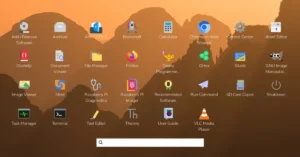
In a landmark move that signals a seismic shift in European digital policy, the Netherlands has embarked on the development of a sovereign operating system designed to replace Microsoft Windows and Office within its governmental infrastructure. This initiative, known as the Digitaal Autonome Werkomgeving Overheid (DAWO), or "Digital Autonomous Work Environment for Government," marks a definitive step toward reducing the state’s reliance on foreign technology giants. By leveraging the open-source power of NixOS, the Dutch government is attempting to reclaim control over its digital landscape, setting a precedent that could trigger a domino effect across the European Union.
Main Facts: The Architecture of DAWO
The DAWO project is not merely a symbolic gesture; it is a functional, engineered solution. At its core, the Dutch government has selected NixOS—a Linux distribution originally conceptualized at Utrecht University—as the foundation for its new sovereign workspace.
NixOS was chosen for its unique, declarative approach to system management, which allows for highly reproducible and stable environments. This is critical for government infrastructure, where consistency and security are paramount. The DAWO platform is designed to be a complete, "out-of-the-box" solution, bundling essential productivity suites, collaboration tools, and enterprise-grade security protocols that aim to replicate, and potentially exceed, the utility of the Microsoft Office ecosystem.
Initial testing has already commenced, with a pilot group of Dutch civil servants evaluating the platform’s performance, compatibility with legacy government systems, and user-friendliness. While the transition is in its nascent stages, the ambition is clear: to strip away the "vendor lock-in" that has defined the public sector’s relationship with American software behemoths for decades.
A Chronology of Digital Recalibration
The path to DAWO did not emerge in a vacuum; it is the culmination of years of mounting concern regarding data privacy, cloud sovereignty, and geopolitical instability.
- 2018–2020: The Awakening: Following the implementation of the General Data Protection Regulation (GDPR), European nations began to scrutinize the data practices of major US tech firms. Investigations into Microsoft’s telemetry and data collection practices created a growing friction between Brussels and Redmond.
- 2021–2022: Pandemic-Induced Exposure: The COVID-19 pandemic forced a rapid, mass digitalization of government services. The reliance on centralized, US-based cloud solutions during this period highlighted the fragility of European digital infrastructure when faced with external dependencies.
- 2023: The DAWO Project Initiation: Formal development of the sovereign Linux environment gained momentum. Government IT departments began collaborating with local open-source communities to tailor NixOS for administrative use.
- 2024: Pilot Programs and Strategic Deployment: The current year marks the deployment of DAWO in select government departments, focusing on identifying workflow bottlenecks and testing the integration of government-specific authentication protocols.
Supporting Data: Why Sovereignty Matters
The drive toward an independent OS is rooted in cold, hard metrics. Currently, the European public sector spends billions annually in licensing fees to Microsoft. Beyond the direct fiscal cost, there is the "hidden" cost of data sovereignty.
When a government runs its entire operation on Microsoft platforms, it essentially outsources its digital security and data management to a private entity subject to the laws of a foreign jurisdiction—specifically, the United States’ CLOUD Act, which allows US law enforcement to compel tech companies to provide data stored on servers, regardless of where those servers are located.
By shifting to an open-source model like DAWO, the Netherlands gains three key advantages:
- Auditable Transparency: Unlike proprietary software, where the code is a "black box," DAWO allows government IT specialists to inspect every line of code, ensuring that no hidden telemetry or backdoors exist.
- Long-term Fiscal Control: By moving away from subscription-based SaaS models, the government can redirect funds toward local technical development and maintenance, fostering a domestic ecosystem of IT experts rather than funneling taxpayer money into foreign dividends.
- Customization: The Dutch government can modify the OS to meet its specific security and interoperability requirements, rather than waiting for a third-party vendor to prioritize updates or features.
Official Responses and Stakeholder Perspectives
The response to the DAWO initiative has been a mixture of cautious optimism from the tech community and intense scrutiny from industry analysts.
Government spokespeople have emphasized that the move is not inherently "anti-Microsoft," but rather "pro-sovereignty." The narrative provided by Dutch officials is one of digital resilience—the ability for the state to function autonomously, even in the face of global supply chain disruptions or sudden changes in foreign corporate policy.
Within the vibrant Dutch hacker and open-source community, the move has been met with significant enthusiasm. For years, Dutch tech advocates have criticized the mandatory use of Windows-exclusive applications like the DigiD (digital identity) app. Currently, citizens are often forced to use mobile devices tied to US-controlled app stores or desktops running Windows to interact with the state. The prospect of an official government Linux distro suggests that the state may finally be moving toward cross-platform support, potentially opening the door for the DigiD ecosystem to embrace open standards.
However, Microsoft and other major vendors are watching closely. The loss of a major government account is significant, but the real fear in Redmond is the "normalization" of Linux at the government level. If the Netherlands succeeds, it provides a blueprint for Germany, France, and the Nordic countries—nations that have already expressed dissatisfaction with US-based cloud and software dominance.
Implications: The Domino Effect of Open Source
The implications of the DAWO project are vast, touching upon geopolitics, the future of the software industry, and the definition of a modern nation-state.
1. The Death of the "Vendor Lock-In" Era
For decades, the standard IT argument for sticking with Microsoft was that the cost of migration outweighed the benefits. By building a customized, open-source environment, the Netherlands is challenging this premise. If the transition proves successful, it will force Microsoft to re-evaluate its pricing, its data-collection policies, and its commitment to transparency in the European market.
2. The Rise of "Digital Non-Alignment"
Just as the Non-Aligned Movement sought to navigate the Cold War without being consumed by it, the EU is moving toward a strategy of "Digital Non-Alignment." DAWO represents a third way: refusing to choose between the proprietary ecosystems of the US or the state-controlled tech of emerging powers, choosing instead to build on the common, democratic foundation of open-source software.
3. The Future of Government IT Employment
The shift to DAWO will require a massive upskilling of the Dutch civil service. Government IT departments will transition from "help desk" support for Windows to specialized maintainers of a national Linux distribution. This represents a significant investment in human capital. It turns the government into an active contributor to the global open-source community, potentially turning the Netherlands into a hub for European sovereign tech talent.
4. A Template for the EU
The European Union has long sought to achieve "Strategic Autonomy." While this phrase is often applied to defense and energy, the Netherlands is demonstrating that it is equally applicable to the digital realm. If the DAWO project hits its milestones, it is highly probable that the European Commission will look to incentivize similar projects across the continent. This could lead to a "European Distro"—a standardized, hardened Linux base for all EU government entities.
Conclusion
The decision by the Netherlands to develop its own Linux-based environment is a watershed moment in the history of government computing. It reflects a growing consensus that in the 21st century, digital infrastructure is critical national infrastructure.
While the road ahead is fraught with technical hurdles—ranging from legacy software compatibility to the inevitable pushback from incumbent tech giants—the potential rewards are transformative. By reclaiming the digital workspace, the Netherlands is not just saving on licensing fees; it is asserting its right to operate in a digital space that is transparent, secure, and under the sovereign control of its own citizens. As the pilot programs continue and the DAWO distro matures, the world will be watching to see if the Netherlands has successfully ignited a new era of digital independence.