The Hidden Sanctuary: How MRSA Hijacks the Kidney’s Osmotic Environment to Evade Detection
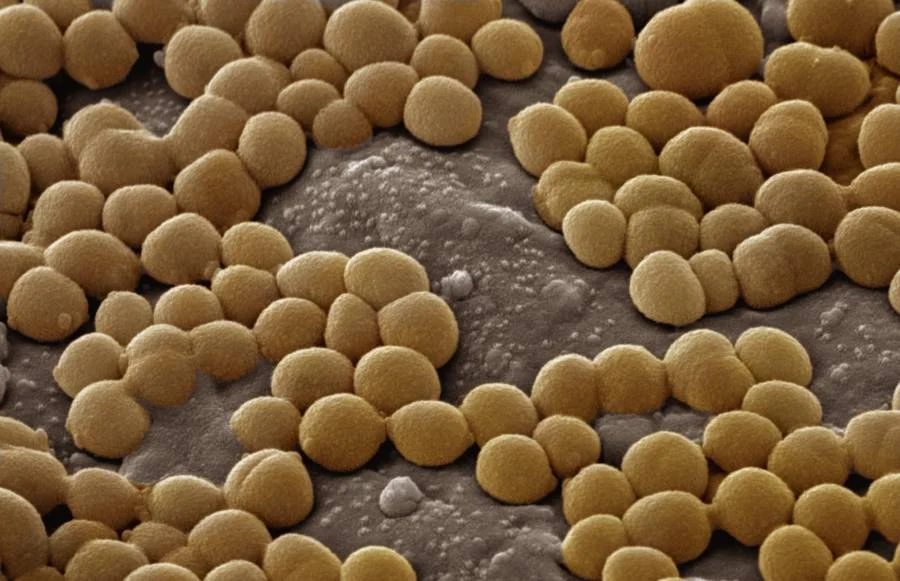
In the silent, microscopic battlegrounds of the human body, few adversaries are as formidable or as persistent as Staphylococcus aureus. While this bacterium is a ubiquitous inhabitant of human skin and nasal passages, certain strains—most notably Methicillin-Resistant Staphylococcus aureus (MRSA)—have evolved into one of the most pressing threats to global public health. Since 1990, the mortality rate associated with S. aureus infections has doubled worldwide, casting a long shadow over modern medicine.
A groundbreaking study published in Science Translational Medicine, titled "Hyperosmotic niche adaptation and tissue polyamines underlie MRSA persistence in the kidney," has finally illuminated the shadows where these pathogens hide. By identifying how MRSA exploits the unique osmotic environment of the inner kidney, researchers have uncovered a "hidden sanctuary" that allows the bacteria to evade the immune system, replicate, and inflict severe, often irreversible, organ damage.
Main Facts: The Anatomy of a Bacterial Siege
The core discovery of the research, led by Dr. Nobuhiro Kanazawa and his colleagues, centers on the renal inner medulla—the part of the kidney responsible for concentrating urine. In a healthy state, this region is a marvel of physiological efficiency. However, in the context of a systemic MRSA infection, it becomes a strategic fortress for the bacteria.
The Hyperosmotic Niche
The inner medulla is naturally hyperosmotic, meaning it has a high concentration of solutes. While this environment is essential for water regulation in the body, MRSA has evolved to thrive within it. The study reveals that this extreme osmotic pressure serves two primary functions for the pathogen:
- Immune Evasion: The environment physically and chemically suppresses the recruitment of neutrophils, the body’s primary "first responder" white blood cells. By delaying the arrival of these immune sentinels, MRSA buys itself the time necessary to establish a stable colony.
- Resource Co-option: Once entrenched, the bacteria begin to scavenge polyamines from the surrounding tissue. Polyamines are essential organic compounds that, when hijacked by MRSA, serve as a structural reinforcement for the bacterial cell membrane. This allows the bacteria to withstand the crushing osmotic stress while simultaneously fueling the translation of enzymes that promote rapid growth and dissemination.
Chronology: A Decades-Long Escalation
To understand the gravity of this discovery, one must look at the timeline of the "staph" crisis.
- 1990–2000: The Silent Spread. During the late 20th century, S. aureus began to manifest increased resistance to beta-lactam antibiotics. MRSA transitioned from a strictly hospital-acquired infection to a community-acquired pathogen.
- 2000–2015: The Mortality Surge. As antimicrobial resistance (AMR) became a global priority, data began to show a staggering trend: deaths attributable to S. aureus doubled. Despite the development of new classes of antibiotics, patients with bacteremia (bacteria in the bloodstream) continued to suffer from high rates of kidney failure, though the exact mechanism of why the kidneys were so frequently targeted remained a mystery.
- 2016–2023: The Investigative Phase. Dr. Kanazawa’s team embarked on a multi-modal approach to solve this riddle. Utilizing intravenous MRSA infection models in mice, the team combined high-resolution, multi-plexed imaging with dual-species transcriptomics—a technique that tracks gene expression in both the host and the pathogen simultaneously—to observe the "trench warfare" occurring at the cellular level.
- 2024: The Breakthrough. The publication of their findings in Science Translational Medicine provided the first mechanistic explanation for why MRSA persistence is so difficult to eradicate in the kidneys, effectively shifting the paradigm of how we treat systemic staphylococcal infections.
Supporting Data: Peering into the Microscopic Battlefield
The research relied on a sophisticated synthesis of biological data, ensuring that the findings were not merely observational but mechanistically sound.
The Role of Neutrophil Delay
One of the most critical data points gathered by the research team was the observation of neutrophil recruitment patterns. In normal tissues, an infection triggers an immediate influx of neutrophils. In the inner medulla, the researchers observed a marked delay in this recruitment. This "immune-restricted" zone allows the bacteria to proliferate undisturbed.
Polyamine Metabolism as a Catalyst
Transcriptomic analysis revealed that when MRSA enters the renal medulla, it drastically alters its gene expression to favor the uptake of polyamines. The team discovered that these molecules act as a "biological scaffold." By incorporating these polyamines into their membranes, the MRSA bacteria are protected against the very osmotic stress that would otherwise prove fatal to less adapted microbes. Furthermore, these polyamines were found to boost the translation of growth-fueling bacterial enzymes, turning the kidney into an incubator for bacterial expansion.
Official Responses and Clinical Implications
The scientific community has reacted to these findings with a mix of cautious optimism and urgency. The study provides a clear "target" for pharmaceutical intervention, moving the conversation beyond traditional antibiotics.
The Furosemide Intervention
Perhaps the most exciting aspect of the study is the repurposing of an existing, FDA-approved drug: furosemide. A loop diuretic commonly used to treat fluid retention and hypertension, furosemide works by inhibiting the concentration of urine in the loop of Henle.
By administering furosemide to infected mice, the researchers effectively "washed out" the hyperosmotic environment of the inner medulla. The result was transformative:
- The osmotic barrier was disrupted.
- Neutrophils were able to infiltrate the site of infection rapidly.
- The spread of MRSA from the medulla to the renal cortex was significantly contained.
"Disruption of medullary osmolality with the loop diuretic furosemide accelerated neutrophil infiltration, limited bacterial spread, and improved renal outcomes," the authors noted. This suggests that the future of treating complex MRSA infections may lie in adjunctive therapy—using standard antibiotics alongside drugs that modulate the local environment to strip the bacteria of their protective niches.
Implications: A New Era of Infection Control
The implications of this research extend far beyond the laboratory. If these findings are validated in human clinical trials, they could fundamentally alter the management of systemic MRSA infections.
Redefining "Persistence"
For years, clinicians have struggled with the phenomenon of "persistent bacteremia," where patients remain positive for S. aureus despite receiving appropriate antibiotic therapy. The realization that the kidney acts as a reservoir for these bacteria explains why many patients suffer relapses. By focusing on the kidney’s micro-environment, physicians may be able to prevent these reservoirs from forming in the first place.
The Future of Adjunctive Strategy
The study advocates for a dual-pronged approach:
- Direct Antimicrobial Attack: Continued use of targeted antibiotics to kill the pathogen.
- Environmental Modification: Using agents like loop diuretics to alter the host environment, making it hostile to the bacteria and favorable to the immune system.
This concept of "host-directed therapy" is gaining traction in the face of rising antibiotic resistance. Because the bacteria cannot easily evolve resistance to a change in the kidney’s osmotic pressure, this strategy could provide a durable solution that keeps pace with the pathogen’s rapid evolution.
A Call for Further Research
While the mouse model provided a clear window into the mechanics of the infection, the authors acknowledge that human physiology is more complex. Future studies will need to determine the optimal timing and dosage of diuretics in patients with active bacteremia. There is also the question of whether similar "osmotic niches" exist in other organs, such as the heart or the liver, which are also frequent targets for S. aureus.
In conclusion, the work of Dr. Kanazawa and his team represents a significant step forward in our understanding of one of the world’s most dangerous pathogens. By unmasking the inner medulla as a strategic, immune-restricted hideout, science has provided a roadmap to reclaim this vital organ from the grip of MRSA. As we continue to battle the silent, escalating threat of antimicrobial resistance, such insights into the interplay between pathogen, host, and environment are not just academically interesting—they are lifesaving. The "washout" strategy, though simple in its mechanism, may soon become a vital tool in the physician’s arsenal against the rising tide of staphylococcal disease.