The AI Inflection Point: How Foundation Models Are Rewriting the Rules of Drug Discovery
Broadcast Date: November 4, 2025
The pharmaceutical landscape is undergoing a transformation that many industry observers describe as the most significant shift since the advent of recombinant DNA technology. As AI-guided molecules begin to move from speculative bench experiments into clinical trials, the industry has reached a definitive inflection point. On November 4, 2025, GEN will host its highly anticipated virtual summit, The State of AI in Drug Discovery, to dissect how the convergence of accelerated computing, generative design, and high-throughput experimental feedback is fundamentally rewriting the R&D playbook.
Main Facts: The New Era of Computational Biology
For years, the promise of artificial intelligence in drug discovery was tethered to predictive modeling—the ability to identify targets or simulate protein folding with greater speed. Today, the focus has shifted toward building holistic "AI Scientists" and integrated platforms that do more than predict; they design, iterate, and validate.
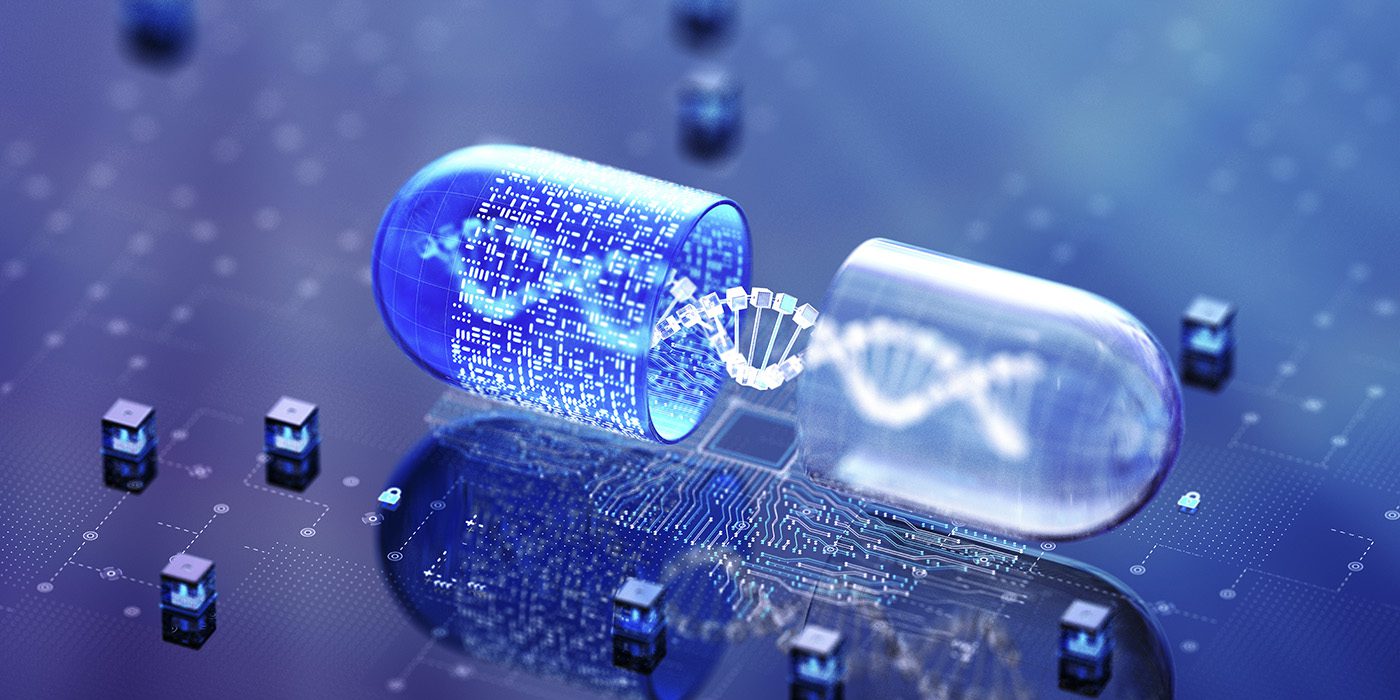
The 2025 summit highlights that the bottleneck is no longer the generation of data, but the integration of infrastructure. Modern biotech leaders are now moving beyond siloed algorithms, creating feedback loops where experimental data continuously refines generative models. This transition is marked by a move toward foundation models—massive, pre-trained architectures capable of understanding the language of proteins, cells, and complex biological pathways.
The Architectures of Innovation: A Chronology of Progress
The progress in this field has been nothing short of exponential. To understand where we are, one must look at the evolution of the leaders shaping the field:
- 2020–2022: The Proof-of-Concept Era. During this period, the industry saw the emergence of initial ML-driven platforms, such as those pioneered by BigHat Biosciences. Companies began demonstrating that machine learning could effectively optimize antibody affinity and stability, proving that computational design could outperform traditional "trial and error" wet-lab approaches.
- 2023: The Foundation Model Shift. The launch of FutureHouse in San Francisco marked a pivot toward the "AI Scientist." By focusing on automating the research process itself, companies like FutureHouse, under the leadership of Sam Rodriques, began building agents capable of executing complex research tasks, signaling a move toward autonomous scientific discovery.
- 2024: The Integration Phase. Big pharma began to aggressively integrate AI into their core operations. Eli Lilly’s Catalyze360 initiative serves as a prime example, shifting the focus from internal discovery to external-facing AI/ML ecosystems. This era saw the rise of massive, well-capitalized entities like Xaira Therapeutics, which combined deep academic pedigree with industrial-scale computational power.
- 2025: The Clinical Inflection. The current year has seen the first wave of AI-designed therapeutics entering clinical testing. This has effectively shifted the narrative from "Can AI help?" to "How quickly can AI reach the patient?"
Supporting Data: The Powerhouses Behind the Movement
The upcoming summit brings together a cohort of experts whose combined experience bridges the gap between theoretical physics, computational biology, and clinical translation.
The Visionaries
- Aliza Apple, PhD (Eli Lilly): As Vice President of Catalyze360 AI/ML, Dr. Apple represents the bridge between big pharma’s resources and the agility of the biotech ecosystem. Her background—ranging from her tenure at McKinsey’s life sciences practice to her work as a co-founder at Santa Ana Bio—positions her to discuss the strategic hurdles of deploying AI at scale.
- Sam Rodriques, PhD (Edison Scientific/FutureHouse): A physicist and bioengineer, Dr. Rodriques is the architect of the "AI Scientist" concept. His work at the Francis Crick Institute and his subsequent launch of Edison Scientific highlight the transition from academic inquiry to commercialized, autonomous research agents.
- Peyton Greenside, PhD (BigHat Biosciences): Dr. Greenside remains at the forefront of protein design. Her work at BigHat focuses on ML-driven platforms that solve the "black box" problems of antibody design, moving the industry toward a future where therapeutics are engineered for specific biological outcomes rather than just discovered.
- Marc Tessier-Lavigne, PhD (Xaira Therapeutics): With a career spanning Genentech, Rockefeller, and Stanford, Dr. Tessier-Lavigne brings a seasoned perspective on the clinical realities of neurodegeneration and brain wiring. As the head of Xaira, he represents the new breed of "AI-first" therapeutics companies that are heavily funded and built to solve biology’s most complex mysteries.
Official Perspectives: Navigating the AI Frontier
The panelists participating in the GEN summit share a common conviction: the speed of science must increase.
"We are moving from a world where AI is a tool we use to a world where AI is the environment in which we conduct science," says Sam Rodriques. His focus on creating agents that can perform experiments autonomously reflects a growing consensus that the human researcher’s role is shifting toward orchestrating AI systems rather than managing individual experiments.
Aliza Apple’s perspective emphasizes the "infrastructure of collaboration." By leading Lilly’s efforts to engage with the external biotech ecosystem, she highlights that no single company can win the AI race in isolation. The integration of proprietary data with open-source foundation models is the new competitive frontier.
Marc Tessier-Lavigne, drawing on his deep experience in both academia and industry, emphasizes that while the computing power is impressive, the "biology remains king." He notes that the success of AI in drug discovery will be measured by its ability to generate meaningful clinical data, particularly in complex areas like neuroscience, where traditional methods have struggled to produce durable therapies.
Implications: The Road to 2030 and Beyond
The implications of this shift for the pharmaceutical industry are profound:
- Compression of R&D Timelines: By reducing the time required for target validation and lead optimization, the industry could see a reduction in the "valley of death" between initial discovery and Phase I clinical trials.
- Democratization of Discovery: As AI platforms mature, the barrier to entry for smaller biotech firms may lower. Tools that were once the domain of industry giants are becoming increasingly accessible, allowing for a more diverse array of therapeutic approaches.
- A Shift in Talent Requirements: The future of drug discovery is interdisciplinary. The leaders of tomorrow must be as comfortable with Python and tensor operations as they are with molecular biology and clinical pharmacology.
- The Rise of Autonomous Labs: The integration of AI with automated, robot-driven wet labs will likely become the standard for top-tier research facilities. This "closed-loop" system—where the computer suggests an experiment, the robot performs it, and the data is fed back into the model—will become the gold standard.
Conclusion: A Must-Attend Event
As the industry stands on the precipice of this new era, The State of AI in Drug Discovery provides a unique window into the minds of the people who are not just predicting the future of medicine, but building it in real-time.
Whether you are an investor, a researcher, or a biotechnology executive, the lessons from leaders like Apple, Rodriques, Greenside, and Tessier-Lavigne will be essential for navigating the next five years of drug development. The transition from prediction to action is underway, and the companies that successfully bridge the gap between silicon and the clinic will define the next generation of global healthcare.
Registration for the November 4 summit is currently open. Attendees will gain direct access to insights from the front lines of the AI revolution, including strategies for building robust R&D infrastructure and a preview of the next generation of AI-guided molecules. In an industry where change is the only constant, understanding the current state of AI is no longer optional—it is the prerequisite for success.