The Retro Renaissance: Analyzing itch.io’s "Ameyega Mode" April Fools’ Phenomenon
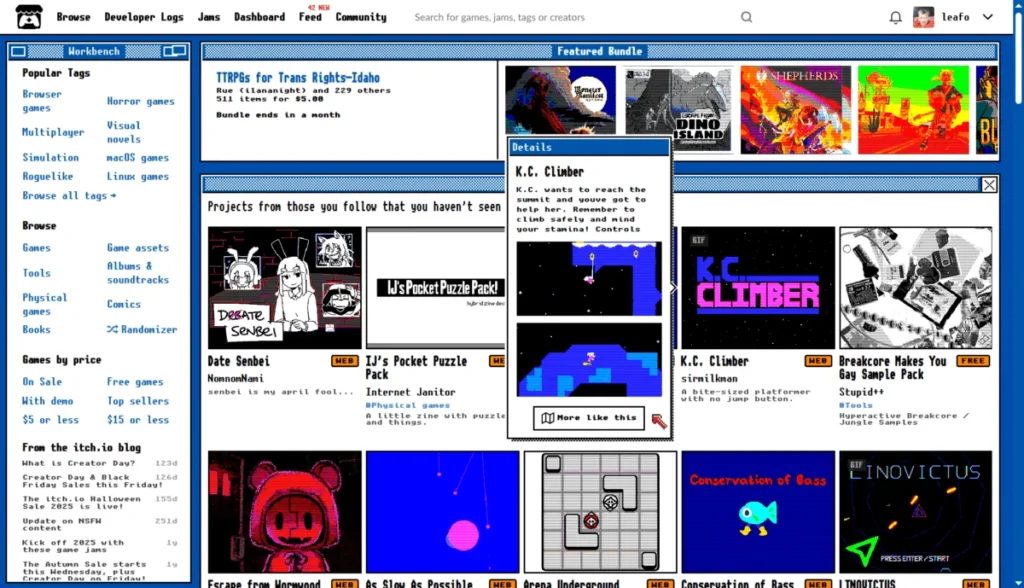
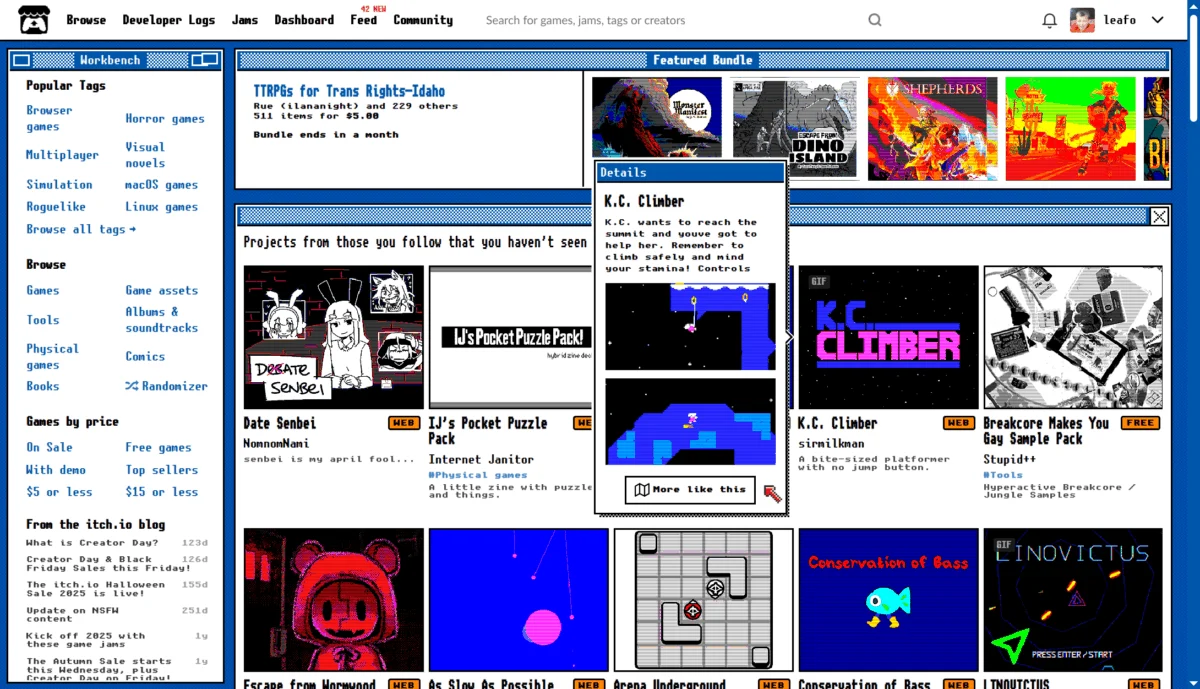
In the digital landscape, April 1st serves as a high-stakes playground for tech companies to experiment with user interfaces, brand identity, and community engagement. This year, the independent gaming storefront itch.io captured the attention of its global user base with a daring, highly stylized aesthetic overhaul known as "Ameyega Mode." By replacing its modern, clean interface with a raw, ASCII-based retro aesthetic, the platform sparked a massive debate regarding UI design, accessibility, and the importance of platform consistency.
The Core Concept: What was Ameyega Mode?
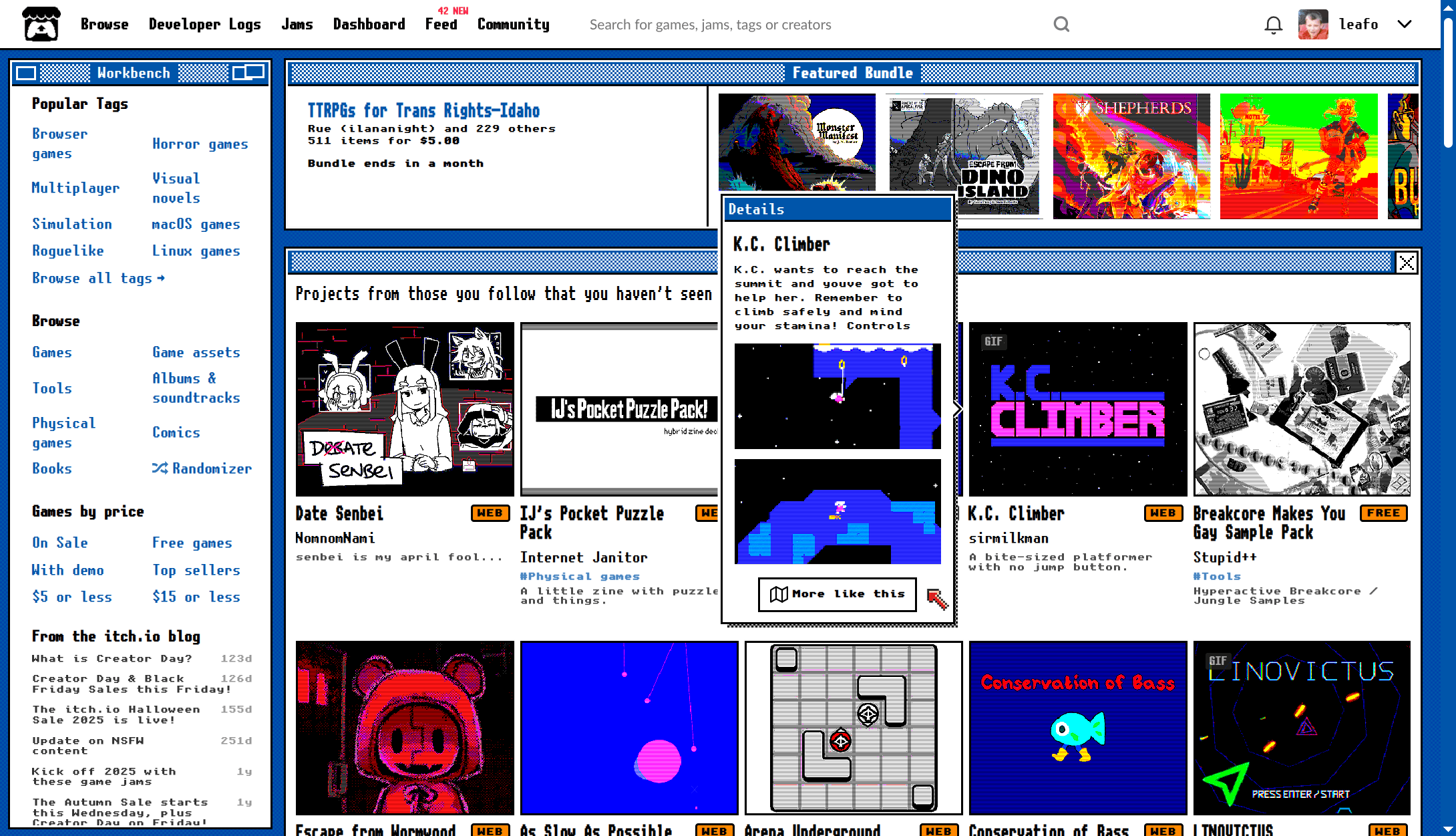
Ameyega Mode was a temporary, site-wide visual transformation that replaced the standard itch.io homepage with a monochromatic, text-based interface reminiscent of early 1980s computing and terminal-based systems. Utilizing the Unscii font—a project designed to provide a pixel-perfect, readable bitmap font—the transformation stripped away high-resolution images, fluid animations, and standard CSS layouts, replacing them with a stark, blocky, and highly nostalgic aesthetic.
For the duration of the event, users visiting the itch.io homepage were greeted not by the familiar grid of featured indie games, but by a minimalist, retro-terminal look. The aesthetic was a deliberate nod to the "Demoscene" and early BBS (Bulletin Board System) eras, prioritizing a raw, digital texture over modern UX polish.
Chronology of the Event
The implementation of Ameyega Mode followed a distinct timeline, beginning with a delayed launch on April 1st and extending beyond the standard 24-hour window usually reserved for such pranks.
- April 1st: The mode went live on the itch.io homepage. Due to the late deployment of the feature by the development team, the site administration opted to keep the mode active longer than a traditional April Fools’ joke to ensure the community had sufficient time to experience the design.
- Post-April 1st (Extended Period): As the event stretched into the following days, the community response began to shift from initial amusement to frustration. Users reported bugs involving dark mode compatibility and navigation difficulties.
- The "Sunset" Phase: Following significant community feedback, the team officially announced the conclusion of the mode. However, in a gesture of transparency and archive-keeping, they provided a specific URL (https://itch.io/?ameyega) that allowed logged-in users to revisit the mode even after it was removed from the default landing page.
- Resolution: The team stated they would maintain access to the URL until the next significant overhaul of the platform’s homepage architecture.
Supporting Data: Community Sentiment and Technical Feedback
The reaction to Ameyega Mode was profoundly polarized, offering a fascinating case study in user interface preference. Analysis of the platform’s internal comment threads revealed three distinct camps of users.
The "Nostalgia" Enthusiasts
A significant portion of the user base praised the creativity of the design. Many users found the ASCII aesthetic charming, citing it as a refreshing break from the "corporate" look of modern web design. Comments included requests for the mode to be implemented as a permanent, opt-in theme for the site, highlighting that for some, the aesthetic was not just a prank, but a preferred way to navigate content.
The Accessibility and UX Critics
The most vocal opposition came from users with visual impairments or those who rely on specific accessibility tools. Several users reported that the high-contrast, blocky text was difficult to navigate, and that the departure from standard UI patterns broke the usability of screen readers and navigation tools. This raised critical questions about the intersection of "fun" design changes and the fundamental requirements of inclusive web design.
The Technical "Bug" Reports
The rollout was not without its technical hitches. Many users noted that the transition to Ameyega Mode temporarily broke the platform’s "Dark Mode" settings. Because the homepage architecture was being overridden by the ASCII theme, the site failed to register user preferences, leading to high-contrast white backgrounds that were reportedly "painful" for users who prefer low-light settings.
Official Responses and Administrative Transparency
The itch.io team maintained a transparent stance throughout the event. By acknowledging the delay in the launch, they took ownership of the decision to extend the duration of the prank. Their official statement—"Happy April 1st. We’ll run this one a bit longer because I got it out late"—served as a rare moment of candidness from a major platform.
By providing a legacy link for the mode, the team demonstrated a commitment to "digital preservation." Even though they transitioned the homepage back to its standard configuration, they recognized that some users derived genuine utility or joy from the ASCII aesthetic, effectively turning a temporary prank into a permanent easter egg.
Implications for Future Platform Design
The Ameyega Mode incident carries significant implications for how platforms like itch.io manage community trust and UI evolution.
The Burden of Consistency
The primary implication is the tension between innovation and consistency. For a platform that hosts hundreds of thousands of games, the homepage is a vital tool for discovery. When that tool is fundamentally altered, even for a joke, it disrupts the "muscle memory" of the power user. The backlash regarding accessibility highlights that major platforms must ensure that any visual experiment remains compliant with WCAG (Web Content Accessibility Guidelines) standards, even if it is meant to be humorous.
The Value of "Opt-In" Culture
The successful reception of the legacy URL suggests that the future of web design may lie in modularity. By allowing users to toggle between different aesthetic "modes," developers can satisfy the desire for novelty without forcing a potentially alienating design upon the entire user base. Had Ameyega Mode been an optional "Classic Terminal" skin from the start, the frustration regarding accessibility and navigation might have been mitigated by the element of user choice.
Community Engagement as a Feedback Loop
Finally, the event served as a stress test for the itch.io community feedback loop. The speed with which the development team addressed the "Dark Mode" breaking issue (resolved within hours of user complaints) serves as a testament to the platform’s responsiveness. It proved that despite the chaos of an April Fools’ event, the bridge between the developers and the user base remains robust.
Conclusion: A Lesson in Digital Playfulness
Ameyega Mode will likely be remembered as one of the most distinctive design interventions in the history of the itch.io platform. It successfully highlighted the beauty of retro-computing aesthetics while simultaneously reinforcing the importance of platform stability and accessibility.
While the "pixelated mess," as some disgruntled users termed it, was ultimately rolled back, it left a lasting mark on the community. It reminded users that the web—and the digital storefronts that house our games—are not static entities. They are, at their core, code and design choices that can be challenged, played with, and, when necessary, evolved. For those who miss the aesthetic, the legacy link remains, serving as a quiet reminder of a time when the itch.io homepage dared to look a little different, one character at a time.