The Modern CSS Frontier: A Deep Dive into Emerging Layout and Styling Capabilities
The landscape of front-end development is currently undergoing a radical transformation. As browser vendors reach parity on long-awaited specifications, developers are finding that the boundaries of what is possible with "just CSS" are expanding at an unprecedented rate. From sophisticated text manipulation to the complex physics of scrolling and navigation, the latest wave of web standards is empowering engineers to solve decades-old UI challenges with cleaner, more declarative code.
This report synthesizes the most significant recent developments in CSS, exploring how these tools are reshaping the way we build, style, and interact with the digital world.
Main Facts: The New Toolkit for Web Architects
The core of recent innovation lies in moving away from JavaScript-heavy workarounds toward native browser implementations. Key breakthroughs include:
- The CSS Custom Highlight API: A powerful new way to style arbitrary text ranges, moving beyond the static limitations of the
::selectionpseudo-element. - The
lhUnit: A precise way to tie layout dimensions directly to the computed line-height of typography, ensuring vertical rhythm is never broken. - Navigation Matching: A declarative approach to state-based styling, allowing developers to react to navigation events directly within the stylesheet.
- Scroll-Axis Locking: A long-overdue control mechanism that allows developers to override default single-axis scrolling behavior, enabling complex, custom-scrolling interfaces.
These tools represent a shift in the philosophy of web standards: rather than providing "one size fits all" components, the CSS Working Group is providing "primitives"—the building blocks that allow developers to construct complex, high-performance UI systems from the ground up.
Chronology: A Rapid Evolution of Standards
The pace of these advancements has been staggering. Over the last few months, the community has seen a flurry of activity that has fundamentally altered the developer workflow.
The Spring and Summer of Innovation
- Late July 2026: Bramus Van Damme unveiled the concept of CSS Navigation Matching. This development, which allows styles to respond to route changes and navigation transitions, represents a major leap forward for Single Page Applications (SPAs).
- Early August 2026: Lea Verou ignited a community-wide debate regarding the styling of "Skeleton UIs." By leveraging
box-decoration-breakand advanced masking techniques, the conversation shifted from "how do we use JS to animate these?" to "how can we architect them in pure CSS?" - Mid-August 2026: Ahmad Shadeed and Tyler Sticka provided masterclasses on the
lhunit andpaint-orderrespectively. These articles served as the final pieces of the puzzle for many developers struggling with typography-centric layout alignment. - Late August 2026: The release of documentation regarding
scroll-axis-locksolidified the ability to create diagonal scrolling experiences that feel native and fluid, finally providing a robust alternative to third-party scroll-jacking libraries.
Supporting Data and Technical Implementation
To understand the implications of these tools, one must look at the technical implementation. The shift toward these methods is driven by performance and maintainability.
The Power of paint-order
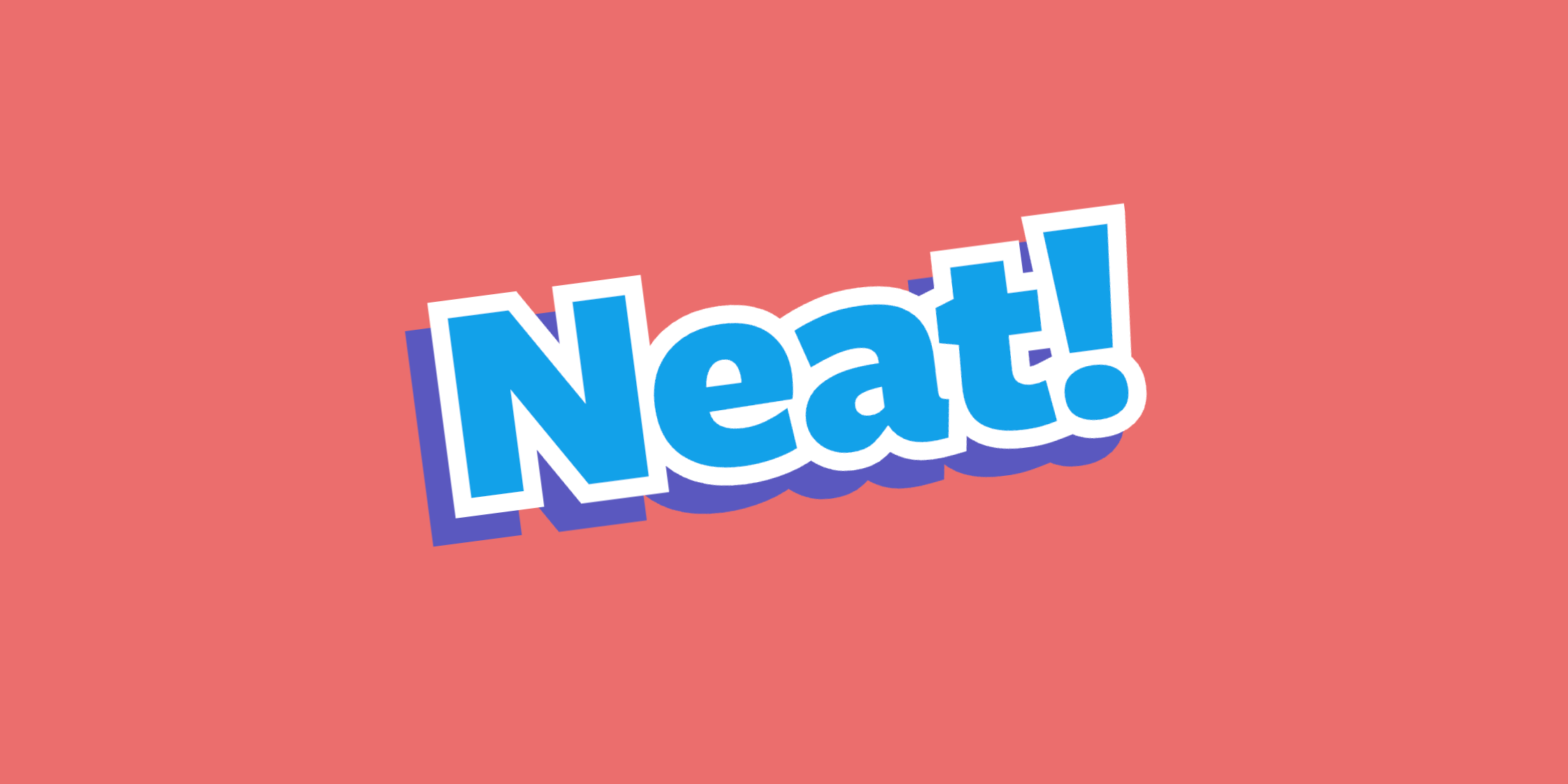
One of the most persistent frustrations in CSS has been the text-stroke property. Because the stroke is center-aligned, it inherently consumes space on both the inside and outside of the character’s glyphs, often resulting in "choked" or distorted text. Tyler Sticka’s exploration of paint-order demonstrates a critical fix:
h1
  -webkit-text-stroke: 2px black;
  paint-order: stroke fill;
By explicitly setting the paint-order, the browser renders the fill over the stroke, effectively masking the interior portion of the stroke. While browser vendors still require the -webkit- prefix for the stroke property, this pattern provides a clean, professional solution for stylized typography.
Rethinking the <img> Element
Temani Afif recently challenged the conventional wisdom surrounding the <img> element. By treating the <img> tag as a container rather than a static block, developers can leverage CSS to manipulate the source material itself. Using the content property, developers can now perform dynamic image swapping or implement responsive image sets without relying on complex HTML markup changes:
img
  content: image-set(
    url("hero-1x.avif") 1x,
    url("hero-2x.avif") 2x
  );
This discovery essentially allows CSS to act as a logic layer for asset management, reducing the burden on the DOM.
Official Perspectives and Community Discourse
The CSS community, particularly on platforms like BlueSky and through technical journals like CSS-Tricks, has served as the primary incubator for these ideas.
The consensus among leading web architects is that we are entering a "Post-Framework Era." For years, developers relied on heavy JavaScript libraries (like Framer Motion or React-Spring) to handle simple UI effects. However, as Lea Verou noted in her recent investigation into Skeleton UIs, there is a growing realization that "thick text-decoration combined with transparent colors and masks" can achieve the same visual result at a fraction of the performance cost.

The Question of "Bad" HTML
While the community celebrates these CSS wins, the discourse has also turned toward the foundations of the web. Zach Leatherman’s recent inquiry—"What is the worst HTML element?"—has triggered a productive debate. This meta-discussion highlights a critical truth: no amount of CSS brilliance can save a poorly structured semantic foundation. The consensus suggests that while CSS is becoming more powerful, developers must remain vigilant in their use of HTML, as the "worst" elements are often those that obscure accessibility or provide false cues to search engines and screen readers.
Implications for the Future of Web Development
The long-term implications of these advancements are profound. We are seeing a move toward Declarative UI Orchestration.
- Reduced Payload Sizes: By replacing JavaScript-based animation and state-management libraries with native CSS properties, developers can significantly reduce the amount of code shipped to the client, leading to faster Time to Interactive (TTI) metrics.
- Increased Accessibility: Native browser implementations of features like custom highlights or scroll-locking are inherently more accessible and performant than "hacked" solutions built with
divtags and event listeners. - Design System Uniformity: With properties like
lh, design systems can finally achieve pixel-perfect alignment between typography and layout blocks, ensuring that the "vertical rhythm" of a site is consistent across all device viewports.
Looking Ahead
As we move into the latter half of 2026, the focus will likely shift toward the broader adoption of these specifications across the mobile landscape. While Chrome, Safari, and Firefox have shown strong support for these new features, the "final mile" of web development—ensuring consistent rendering across legacy browsers—remains the primary hurdle.
The era of struggling with CSS is coming to an end. We are entering an era of CSS mastery, where the stylesheet is no longer just a "skin" for the website, but a powerful, logical engine that can drive the very behavior and structure of the modern web. Developers who invest the time to master these new primitives will find themselves at a distinct advantage, capable of building faster, more resilient, and visually sophisticated interfaces than ever before.
As we look toward the next several weeks of browser updates, the challenge for the developer community remains clear: to replace the old, fragile ways of doing things with these new, robust, and native standards.