Evolution of Monetization: Google Play Unveils Next-Gen Subscription Tools for the AI Era
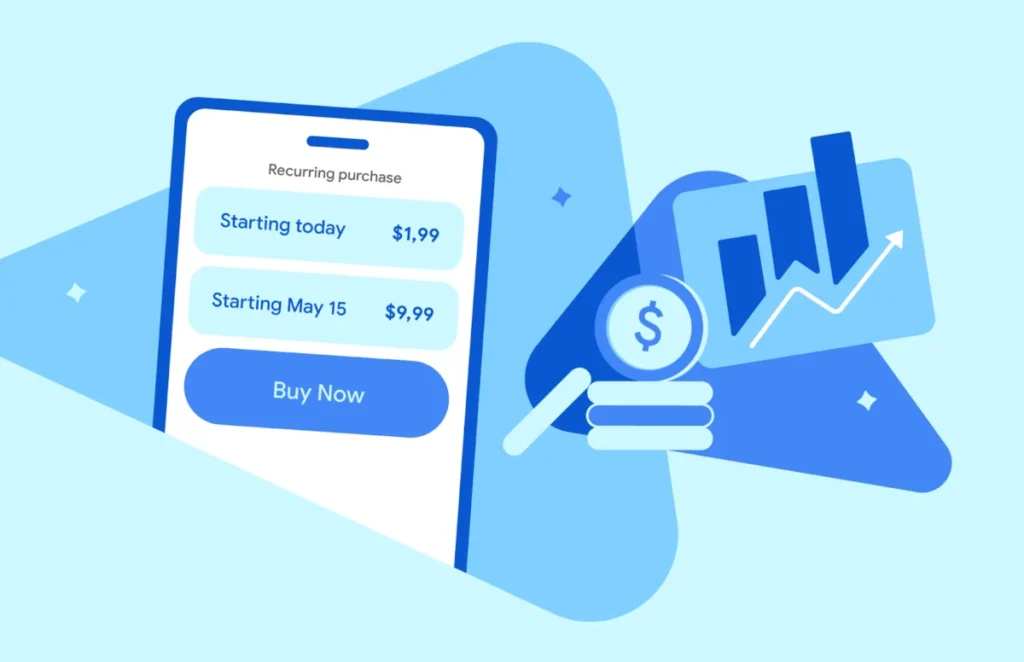
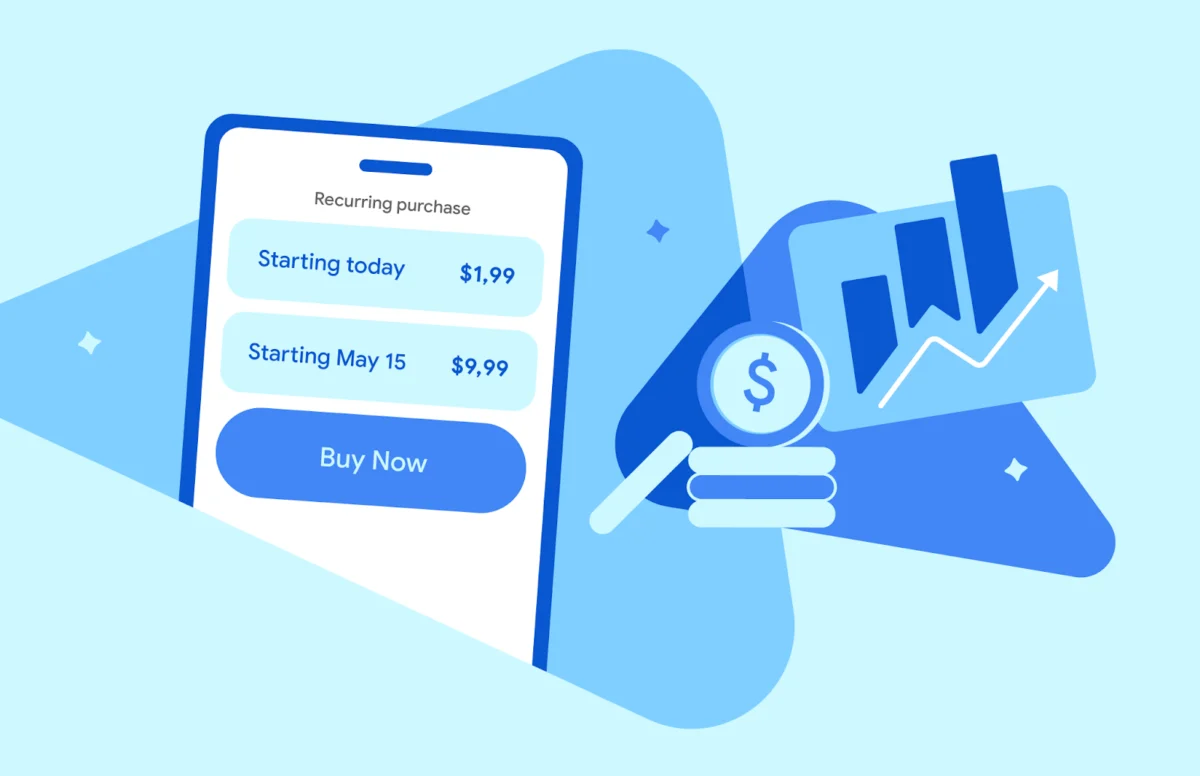
The digital subscription economy is undergoing a profound transformation. Driven by the rapid proliferation of generative AI, specialized educational platforms, and complex SaaS-style app ecosystems, the traditional "one-size-fits-all" recurring billing model is increasingly proving inadequate. Recognizing this shift, Google Play has announced a suite of powerful new monetization and retention tools designed to provide developers with the flexibility, security, and intelligence required to thrive in an evolving market.
By integrating more granular control over billing cycles, team-based access, and automated churn prevention, Google is effectively repositioning the Play Store as a sophisticated financial infrastructure layer for app developers.
The New Frontier: Flexible Monetization Models
As developers move beyond simple content access toward complex utility-based services, the rigidity of legacy subscription models has become a barrier to growth. The latest update from Google Play addresses this by introducing four core pillars of monetization flexibility.
Multi-Quantity Subscriptions: Scaling for the Enterprise
One of the most significant shifts is the introduction of Multi-Quantity Subscription Purchase. Historically, app stores were built for the individual consumer. However, the rise of collaborative tools and professional AI suites necessitates a shift toward B2B and group-based purchasing.
This new capability allows users to purchase multiple subscription seats in a single transaction. Whether it is a classroom of students requiring access to an educational app or a professional team utilizing a generative AI design tool, the friction of manual, per-seat licensing is eliminated. By enabling seamless seat allocation, developers can now target the enterprise market directly through the Google Play ecosystem.
Usage-Based Billing: Aligning Costs with Consumption
Generative AI tools often carry variable infrastructure costs, such as GPU compute time or API tokens. Applying a flat monthly fee to such services often leads to either overpricing, which scares away casual users, or underpricing, which threatens developer margins.
Usage-Based Billing addresses this by enabling a prepaid metered model. Users can set up a "balance" that automatically tops up when it falls below a specific threshold. This ensures that service is never interrupted for the user, while the developer is protected from the volatility of high-compute overheads.
Mixed Carts: Streamlining the Purchase Journey
In the past, users wishing to buy a subscription alongside a one-time "starter pack" of in-app currency were forced to navigate two distinct checkout flows. Mixed Carts consolidates these into a single API call and a unified checkout sheet. This not only improves the user experience by reducing checkout abandonment but also enables more aggressive bundling strategies, allowing developers to offer targeted discounts when a user commits to a "combo" purchase.
Cross-Developer Bundling: Shared Growth Ecosystems
Perhaps the most ambitious update is Cross-Developer Bundling. This feature allows developers to partner with other companies—or combine offerings across their own app portfolios—to create a single, bundled subscription SKU. By offering a language learning app paired with a travel guide subscription, for example, developers can cross-pollinate their user bases, significantly lowering acquisition costs while increasing the perceived value of their premium offerings.
Retaining the Subscriber: A Lifecycle Approach
Acquisition is only half the battle. In the current economic climate, the "subscription fatigue" phenomenon is real, making retention a critical metric for long-term viability. Google Play is addressing this through a mix of machine learning-driven interventions and user-centric communication tools.
The In-App Messaging API
Communication is the best defense against involuntary churn. The In-App Messaging API allows developers to push critical notifications—such as payment failures, upcoming price changes, or subscription updates—directly into the user interface of the app. By resolving these issues within the app context rather than relying on external emails or push notifications, developers can maintain the continuity of the user journey and prevent minor administrative hiccups from becoming permanent cancellations.

Dynamic Grace Period: The Intelligence of Retention
Static grace periods are an antiquated solution to the modern problem of payment declines. Previously, a developer might set a fixed 7-day grace period for all users. However, Google’s new Dynamic Grace Period uses heuristic models and machine learning to analyze the likelihood of a user successfully updating their payment method.
By tailoring the grace period length to the individual subscriber, Google Play balances the need for service continuity with the developer’s need to minimize costs associated with unpaid service access. The system automatically manages these durations, ensuring that the "recovery window" is optimized without requiring the developer to write a single line of client-side code.
Retention Offers and Winback Campaigns
When a user clicks "cancel," the relationship isn’t necessarily over. Google Play’s Retention Offers allow developers to present dynamic, developer-funded incentives—such as a temporary discount or a bonus feature—at the exact moment of cancellation.
For those who do leave, the Native Winback Offers provide a mechanism to re-engage lapsed users directly on the Play Store. By targeting former subscribers with personalized offers, developers can leverage the user’s existing familiarity with the app, turning a "lost" customer into a renewed revenue source without the need for high-cost external re-marketing campaigns.
The "Zero-Lift" Revenue Shield
While these new tools provide granular control, Google Play continues to operate an automated "revenue shield" in the background. This includes:
- Smart Payment Retries: Intelligently timing when to retry failed transactions.
- Backup Payment Cycling: Automatically utilizing secondary payment methods to ensure service continuity.
- Fraud Prevention: Built-in systems that block malicious actors from abusing promotional offers or manipulating billing cycles.
These "zero-lift" optimizations work silently, requiring no developer intervention, and are designed to protect revenue integrity across the entire ecosystem.
Implications for the Ecosystem
The move toward these sophisticated tools reflects a maturation of the app economy. Developers are no longer just "app makers"; they are business operators running complex, recurring-revenue organizations.
By offloading the heavy lifting of billing logic, fraud protection, and machine-learning-driven retention to Google Play, developers can focus their resources on core product development. The shift toward B2B functionality (Multi-Quantity Subscriptions) and usage-based models signals that Google is positioning the Play Store as a viable competitor to traditional web-based enterprise software distribution.
Conclusion and Outlook
The rollout of these features—many of which are currently in the Early Access Program—marks a turning point for Android developers. As generative AI continues to redefine what is possible within a mobile interface, the financial infrastructure supporting these apps must remain equally dynamic.
For developers looking to stay ahead, the mandate is clear: the future of subscription success lies in agility. By leveraging these new tools, developers can build more resilient, customer-centric business models that move beyond the limitations of legacy billing, ensuring they are prepared for the next wave of digital innovation.
For those interested in integrating these capabilities, Google Play encourages developers to review the updated Google Play Billing documentation and reach out to their Google Play partner managers to discuss early access opportunities for the latest features.