Navigating the Frontier of Oligonucleotide Therapeutics: Precision Characterization in a Complex Landscape


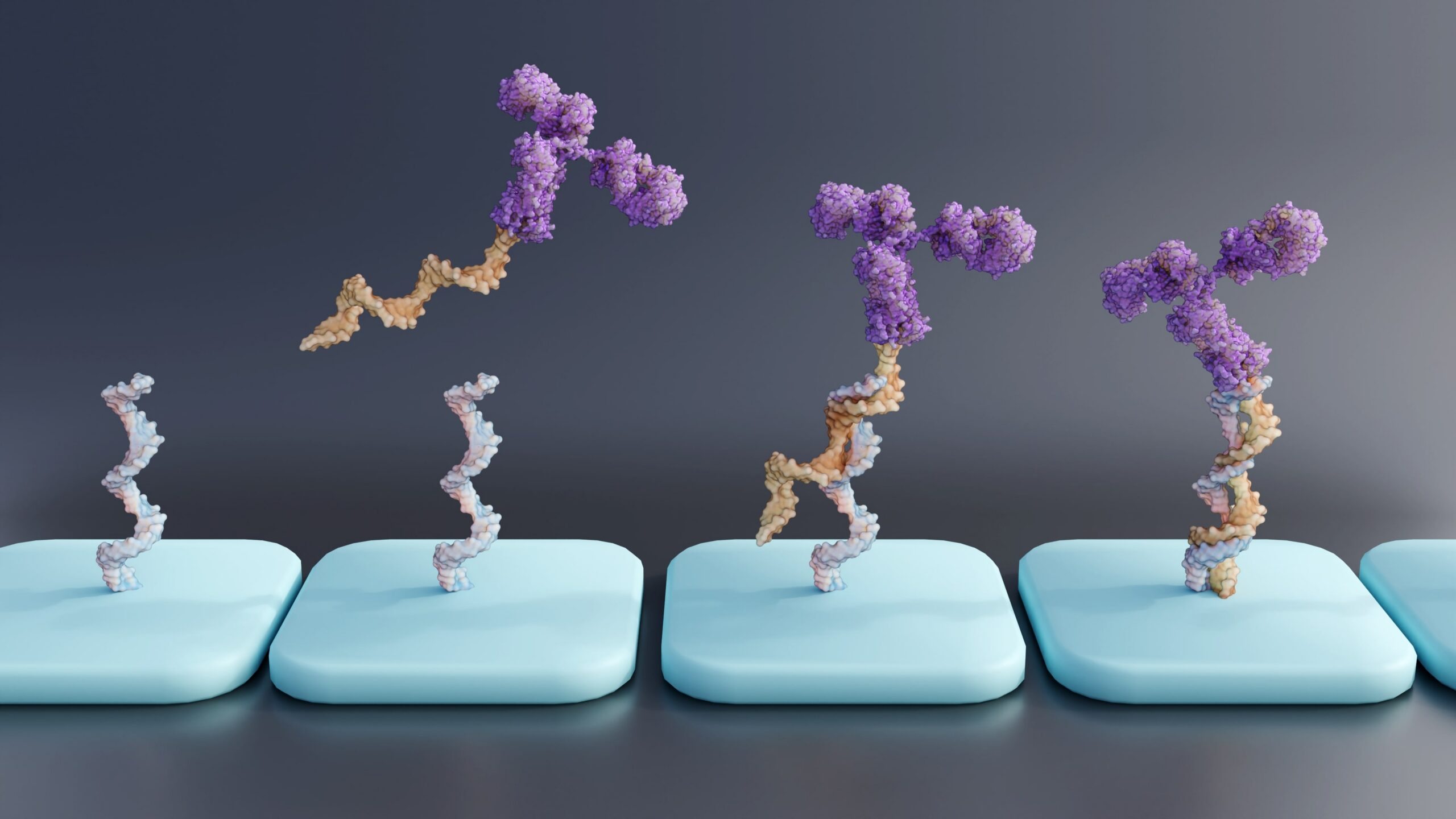
The rapid evolution of oligonucleotide therapeutics—spanning antisense oligonucleotides (ASOs), small interfering RNAs (siRNAs), aptamers, and the emerging classes of antibody-oligonucleotide conjugates (AOCs) and peptide-oligonucleotide conjugates (POCs)—has ushered in a new era of precision medicine. These modalities offer the unprecedented ability to modulate gene expression at the source, promising treatments for diseases previously deemed "undruggable."
However, this therapeutic promise is shadowed by significant analytical challenges. The very chemical modifications and complex conjugations that grant these molecules their stability and targeted delivery mechanisms render them notoriously difficult to characterize using traditional analytical frameworks. As the industry pivots toward these advanced constructs, the ability to achieve accurate quantification has transitioned from a routine laboratory task to a fundamental pillar of drug development.
Main Facts: The Analytical Bottleneck
At the heart of the current industry challenge lies a deceptively simple question: "What is the concentration?" In the realm of oligonucleotides, arriving at an accurate concentration factor is not merely a data point; it is the critical foundation upon which all downstream decisions rest. From dosage calculations in preclinical trials to stability testing and pharmacokinetics, an error in initial quantification propagates through the entire development lifecycle, potentially leading to inaccurate efficacy data or safety concerns.
The complexity is compounded by the structural diversity of modern constructs. While classic nucleic acids followed predictable patterns, AOCs and POCs introduce heterogeneous moieties that complicate spectroscopic and light-scattering measurements. Researchers are now tasked with mastering advanced UV-Vis techniques to differentiate between the oligo backbone and the conjugated ligand, ensuring that the conjugation ratio is both accurate and consistent.
Chronology: The Evolution of Oligo Analytics
To understand the urgency of current characterization efforts, one must look at the trajectory of nucleic acid therapeutics:
- The Early Years (1990s–2000s): The initial focus was on simple, naked ASOs and siRNAs. Quantification was largely achieved through standard UV-Vis spectrophotometry using extinction coefficients derived from the nearest-neighbor model.
- The Expansion Phase (2010s): As chemical modifications (e.g., phosphorothioate linkages, 2’-O-methyl modifications) became standard to prevent nuclease degradation, the "standard" extinction coefficients began to fail. Analytical scientists had to adapt, developing specific correction factors for each modified base.
- The Conjugation Era (2020–Present): With the rise of AOCs and POCs, the molecular weight and optical properties of the therapeutic constructs have shifted dramatically. Traditional assumptions regarding how light interacts with these molecules have been upended. The industry is currently in a state of flux, moving away from "one-size-fits-all" quantification toward highly tailored, method-developed workflows that account for the unique chemical landscape of each conjugate.
Supporting Data: Addressing the Boundaries of DLS
A primary tool in the analytical arsenal is Dynamic Light Scattering (DLS). However, the application of DLS to oligonucleotides is fraught with technical nuances. Oligonucleotides are inherently flexible and "sticky," frequently prone to self-association and non-specific interactions with buffers or container surfaces.
The Limits of DLS
Standard DLS protocols often struggle with the wide range of construct lengths now being tested, ranging from short synthetic oligos to large, complex mRNA sequences. The inherent flexibility of these molecules means that they do not always behave as hard, spherical particles, which is a core assumption of many DLS algorithms.
Webinar discussions and recent technical data suggest that researchers must be hyper-aware of:
- Polydispersity: Distinguishing between genuine aggregation and the natural conformational flexibility of long-chain nucleic acids.
- Sample Concentration: High-concentration formulations—often required for subcutaneous delivery—can lead to multiple scattering events that obscure results if not properly accounted for.
- Buffer Sensitivity: The high charge density of nucleic acids makes them hypersensitive to salt concentration and pH, both of which can drastically alter their hydrodynamic radius.
Official Perspectives: Expert Insights on Formulation
The industry is currently looking toward a more holistic approach to formulation development, specifically addressing the needs of high-concentration delivery. For many modern therapeutics, the goal is to shift from intravenous infusion to subcutaneous (SC) administration, which requires high-concentration, low-viscosity formulations.
Viscosity: The Silent Hurdle
Viscosity data has become the "in-demand" metric for formulation scientists. When a therapeutic is delivered subcutaneously, it must pass through a fine-gauge needle. High-concentration oligo solutions often exhibit non-Newtonian behavior, where viscosity increases exponentially with concentration. Understanding the relationship between the chemical structure of the oligo and its rheological properties is now essential to ensuring patient compliance and ease of administration.
"We are moving past the era where we simply look at purity," notes a lead expert in the field. "Today, characterization is about understanding the physical state of the molecule in its final, concentrated environment. If you cannot characterize the viscosity or the aggregation state at 100 mg/mL, you cannot safely bring the product to the clinic."
Implications for the Future of Therapeutics
The push toward more rigorous analytical standards has profound implications for the pharmaceutical industry.
1. Standardization vs. Customization
There is a growing tension between the need for high-throughput, standardized analytical pipelines and the reality that every new AOC or POC is unique. Industry experts suggest that the future lies in "modular method development," where core analytical principles (UV-Vis for concentration, DLS for size/aggregation, rheology for delivery) are applied through a flexible framework that can be tuned to specific molecular architectures.
2. The Regulatory Landscape
As the FDA and EMA continue to release guidance on oligonucleotide products, the bar for analytical characterization is being raised. Regulators are increasingly scrutinizing the "well-characterized" nature of these drugs. Manufacturers who rely on legacy methods for modern conjugates face a high risk of "Refusal to File" or lengthy requests for information (RFIs) during the CMC (Chemistry, Manufacturing, and Controls) review process.
3. Impact on Patient Outcomes
Ultimately, the drive for better characterization is a patient-centric mission. By mastering the quantification of conjugates and the physics of high-concentration formulations, developers can ensure:
- Dose Accuracy: Delivering the exact intended amount of therapeutic to the target tissue.
- Reduced Immunogenicity: Better characterization of aggregation states helps identify potential triggers for immune responses, a known risk for complex biologics.
- Enhanced Stability: A deeper understanding of physical properties leads to formulations that remain potent from the manufacturing plant to the patient’s bedside.
Conclusion: Bridging the Knowledge Gap
The transition of oligonucleotide therapeutics from laboratory curiosities to clinical staples is one of the most significant advancements in modern medicine. However, the complexity of these molecules demands a commensurate leap in our analytical capabilities.
The integration of advanced UV-Vis for conjugation ratios, the careful application of DLS to navigate the "stickiness" of nucleic acids, and the strategic use of viscosity data for formulation are not just optional extras—they are the hallmarks of a mature, responsible development program. As the industry continues to innovate, those who prioritize robust characterization early in the development cycle will be the ones to successfully navigate the regulatory pathway and, ultimately, deliver life-changing therapies to patients in need.
For those looking to delve deeper into these technical challenges, ongoing educational initiatives and expert-led webinars provide a critical forum for sharing best practices. Engaging with these resources is essential for analytical scientists, formulation engineers, and quality control professionals tasked with defining the next generation of nucleic acid medicine.
Produced with the support of Unchained Labs, leaders in analytical instrumentation for the biopharma industry.