
Digital Sovereignty in Motion: France’s Strategic Pivot to NixOS
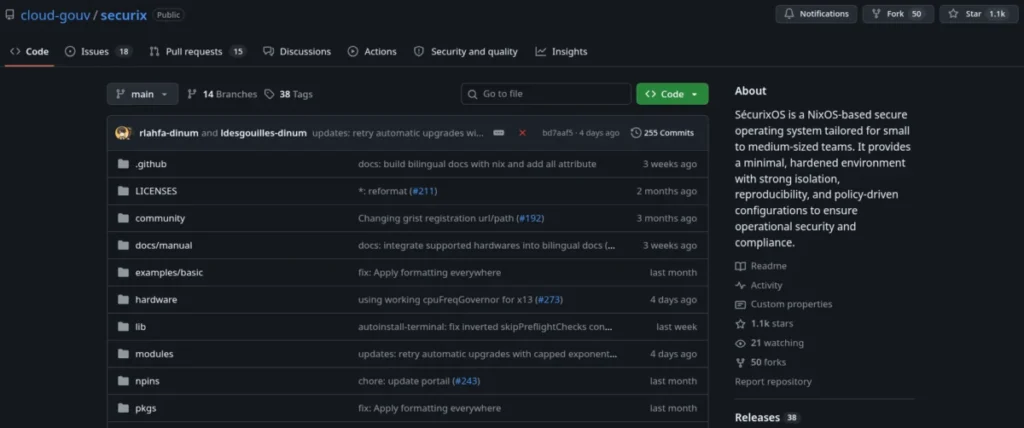
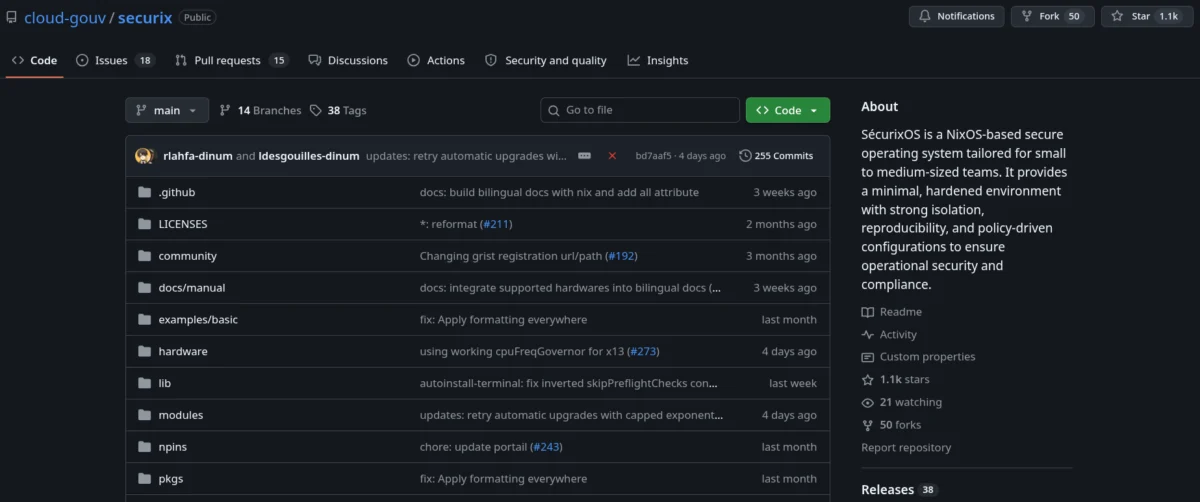
In a move that signals a seismic shift in European public sector IT infrastructure, France’s Interministerial Directorate for Digital Affairs (DINUM) has officially confirmed that it is actively deploying a NixOS-based workstation environment across its internal machines. This initiative, while quiet in its early stages, represents a sophisticated, security-first approach to achieving "digital sovereignty"—a growing movement among European nations to decouple critical administrative operations from reliance on proprietary, foreign-controlled software ecosystems.
While the Netherlands recently made headlines with its DAWO initiative, which mandates the replacement of non-EU software with NixOS-powered platforms, France’s implementation—codenamed Sécurix—demonstrates that the European move toward reproducible, vendor-neutral infrastructure is not an isolated experiment, but a coordinated strategic trend.
The Genesis of Sécurix: A Security-First Mandate
DINUM, the central body responsible for the digital transformation of the French state, has spent the last several months quietly stress-testing a customized, hardened operating environment. At the heart of this transition is Sécurix, a security-focused configuration built upon the foundation of NixOS.
Unlike a traditional Linux distribution that requires a "fork" or a permanent divergence from the upstream project, Sécurix operates as a highly specialized configuration layer. It adheres strictly to the rigorous security hardening guidelines published by the Agence nationale de la sécurité des systèmes d’information (ANSSI), France’s premier cybersecurity authority. By leveraging the declarative nature of the Nix package manager, DINUM ensures that every workstation can be audited, replicated, and updated with mathematical precision.
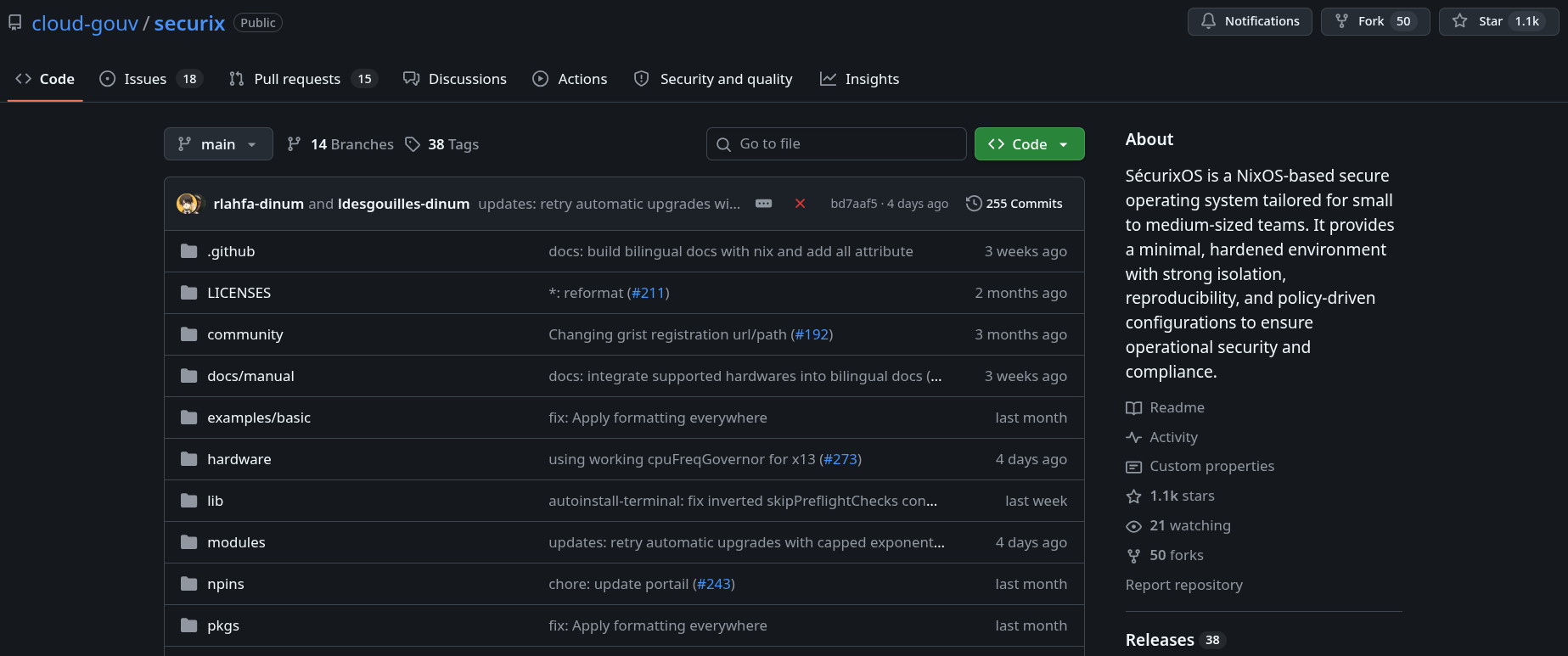
Currently in its alpha stage—with version 0.20.1 released recently—the project is hosted on the official cloud-gouv GitHub repository. This commitment to transparency is deliberate; by utilizing open-source methodologies, the French government is inviting scrutiny and collaboration, ensuring that the "black box" nature of proprietary enterprise software is replaced by verifiable code.
Chronology: From Pilot to Production
The roadmap for this transition has been methodical, prioritizing stability over speed to ensure that critical government functions remain uninterrupted.
- Initial Concept Phase (Late 2025): DINUM began exploring alternatives to traditional monolithic OS deployments, seeking a solution that offered better reproducibility and lower maintenance overhead for remote administration.
- The Pilot Program: Following internal research, the team deployed a trial version across 70 machines within the directorate. The goal was to assess the compatibility of NixOS with standard administrative workflows and its performance in a high-security, multi-user environment.
- The Expansion (April 2026): After the success of the initial pilot, reports surfaced via The Stack indicating that DINUM had moved to scale the deployment. The target is an initial fleet of approximately 250 staff workstations.
- Open Sourcing (Ongoing): By moving the project to public GitHub repositories, DINUM has signaled that Sécurix is intended to be a template for other French public entities, effectively creating a "blueprint" for government-grade Linux workstations.
The Technical Architecture: Why NixOS?
To understand why a national government would choose NixOS over more "corporate-friendly" distributions like RHEL or Ubuntu, one must look at the unique technical advantages of the Nix ecosystem.
1. Reproducible Builds and State Management
In a standard workstation environment, "configuration drift"—where individual machines slowly become different from one another due to user-installed software or unlogged updates—is a security nightmare. NixOS eliminates this by treating the system configuration as a declarative file. If a machine is compromised or suffers a software failure, it can be rolled back or redeployed to an exact, known-good state in minutes.

2. Hardware-Level Security Integration
Sécurix is built for the modern threat landscape. It mandates FIDO2 hardware security keys as the primary authentication method. By integrating support for TPM2 (Trusted Platform Module) and YubiKey, the system ensures that credentials are not merely stored on the local disk but are tied to physical hardware, significantly mitigating the risk of credential theft or unauthorized access.
3. The "Bureautix" Reference Template
Recognizing that not all government workers are system administrators, DINUM has also released Bureautix. This is a companion repository that provides a "dummy example" of a standard office workstation. It includes pre-configured setups for essential productivity tools such as KDE Plasma, LibreOffice, ONLYOFFICE, and WPS Office.
Bureautix is not meant to be a standalone product; rather, it is a starting point. Agencies can fork this template, inject their specific organizational policies, and deploy it across their departments, maintaining the security hardening provided by the underlying Sécurix framework.
The Geopolitical Imperative: Sovereignty over Convenience
The choice of NixOS is not merely a technical preference; it is a geopolitical statement. NixOS was created at Utrecht University in the Netherlands and is maintained by a non-profit foundation. This stands in stark contrast to the dominant players in the Linux world:
- Fedora: Directly linked to Red Hat, a subsidiary of the US-based IBM.
- openSUSE: Historically tied to corporate interests based in Luxembourg and Germany, often operating under complex cross-border ownership structures.
- Ubuntu: Owned by Canonical, a company based in the United Kingdom.
For European governments, the primary concern is "jurisdictional vulnerability." If an operating system is owned or heavily influenced by a country outside of the European Union, there is always the latent risk of legislative pressure—such as the US CLOUD Act—being used to force the inclusion of backdoors or the cessation of services. By adopting a project that is governed by a neutral, European-based foundation, France is effectively "de-risking" its digital infrastructure.
Implications: A New Era for European Public IT
The move toward NixOS carries profound implications for the software industry and government procurement.
The Death of "Vendor Lock-in"
For decades, public institutions have been tethered to monolithic software licenses. This created a cycle of dependency where governments paid premium prices for products they did not own and could not modify. The shift to NixOS-based infrastructure allows France to regain control over its "digital stack." They are no longer buying a service; they are participating in the lifecycle of an asset they control.
The Collaborative Future
The collaboration between France, the Netherlands, and potentially other EU nations could lead to a unified standard for European government workstations. If different ministries across the continent begin sharing "Nix modules"—standardized, secure configurations for everything from email clients to encryption protocols—the cost of maintaining government IT could drop significantly, while the security posture of the entire continent would be elevated.

Challenges Ahead
Despite the enthusiasm, the path to full-scale adoption is not without hurdles. The primary challenge remains the "skill gap." NixOS, while powerful, has a significantly steeper learning curve than Windows or macOS. Training a workforce that is accustomed to a graphical, point-and-click environment to manage their systems via declarative code will require a massive investment in human capital. Furthermore, legacy enterprise software that lacks Linux support remains a significant roadblock.
Conclusion: A Blueprint for the Future
France’s decision to adopt Sécurix is a milestone in the broader history of open source. It demonstrates that Linux has moved beyond the realm of hobbyists and server rooms; it is now the foundation upon which the modern, sovereign state is being rebuilt.
As France, the Netherlands, and Denmark continue to explore independent, vendor-neutral paths, the rest of the world is watching. If the French experiment succeeds in securing 250 workstations—and eventually thousands more—it will provide the empirical proof that governments do not need to trade their digital sovereignty for functionality. In an age of increasing global tension and cyber-warfare, the ability to control one’s own code is no longer just a technical luxury—it is a national security necessity.
By leveraging the reproducible, declarative, and community-driven power of NixOS, France is not just upgrading its workstations; it is asserting its right to define its own digital future.








