Instant Action: The Renaissance of Browser-Based Gaming
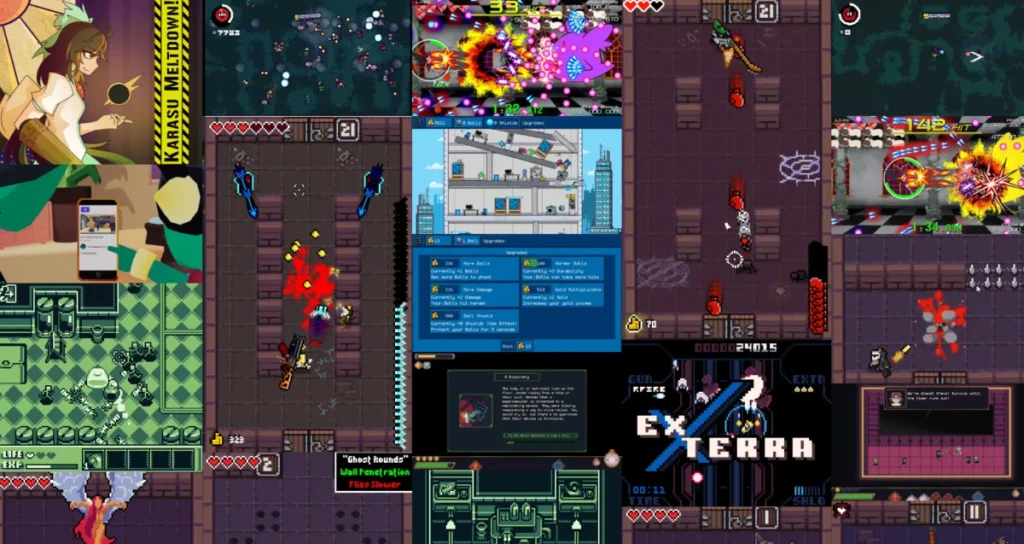
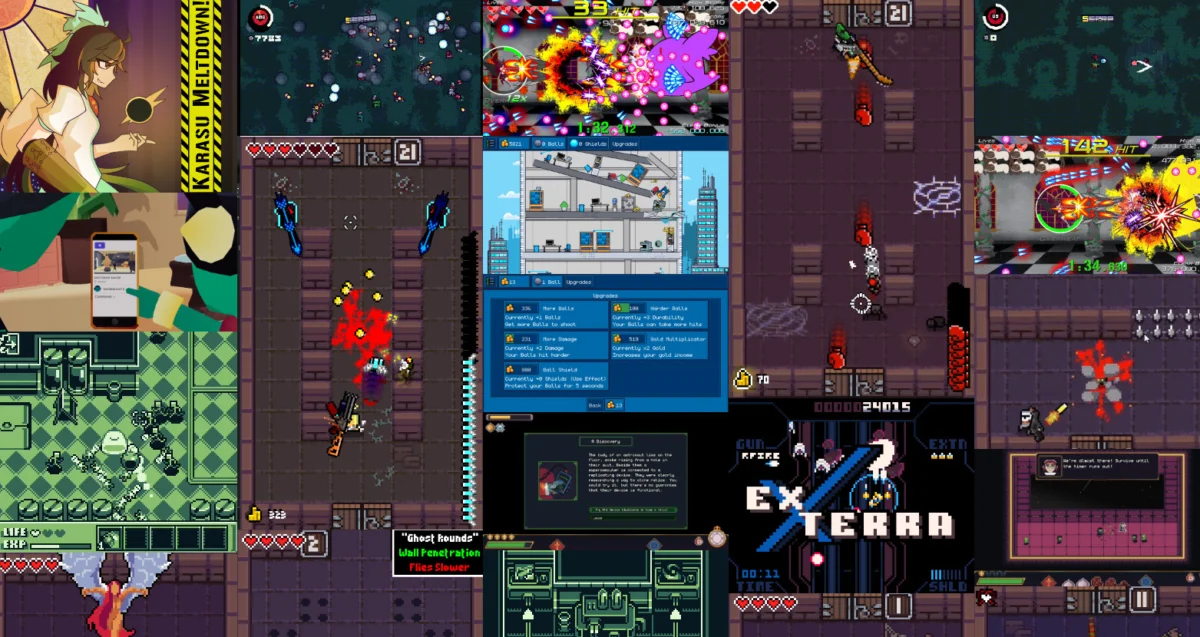
In an era dominated by massive AAA installations and multi-gigabyte patches, the humble browser game is experiencing a significant resurgence. Platforms like itch.io have become the primary curators for a new generation of developers who prioritize immediate accessibility, innovative mechanics, and high-octane gameplay. By stripping away the friction of downloads and installations, these developers are proving that world-class entertainment can exist entirely within a browser tab.
This week, we take an in-depth look at a curated selection of action-oriented titles that exemplify the ingenuity of the browser-gaming scene, ranging from complex roguelites to high-intensity bullet hells.
The Core Mechanics of Accessibility: Main Facts
The primary allure of these projects lies in their "click-to-play" philosophy. Unlike traditional titles that require significant hardware overhead and lengthy installation processes, these browser games leverage modern web technologies—such as WebAssembly and WebGL—to deliver performance that often rivals standalone applications.
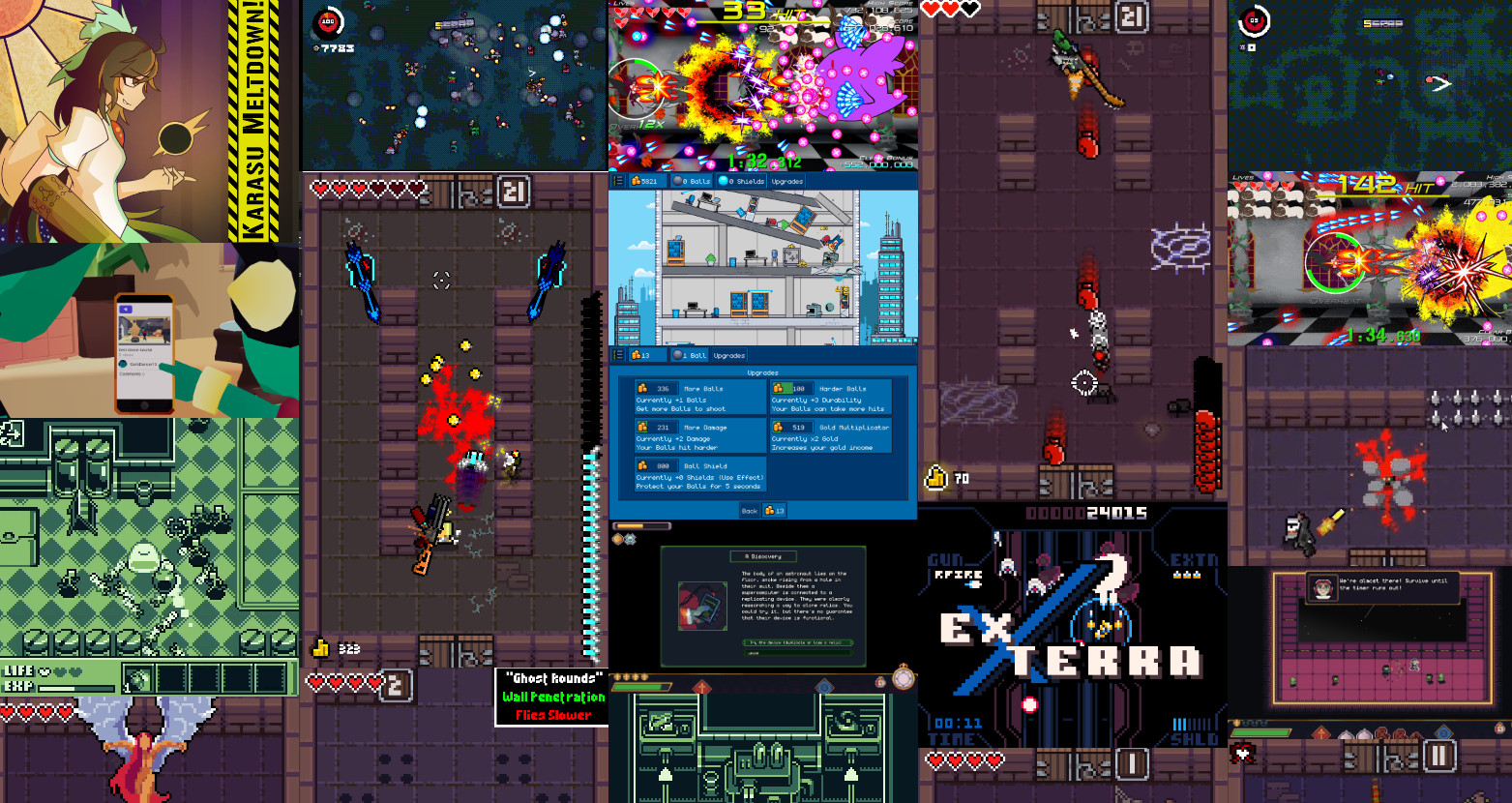
The games featured here represent a cross-section of indie development talent. They utilize established genres—roguelites, tower defense, and shoot-’em-ups—and inject them with unique twists, such as time-manipulation mechanics, physics-based racing, or retro-aesthetic demakes. For the player, this means a library of high-quality, free-to-access experiences that are available across almost any desktop platform, including Windows, macOS, and Linux.

A Chronology of Innovation: How These Games Evolved
The trajectory of browser gaming has shifted from the Flash-based "mini-games" of the early 2000s to the sophisticated, engine-driven projects we see today. The projects highlighted in our selection showcase this evolution through their diverse development origins:
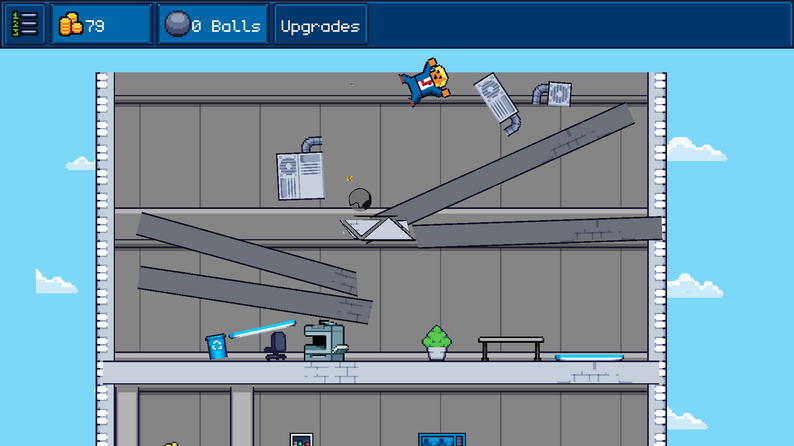
- The Jam Influence: Many of these titles, such as Plummet Panic and Moon Watch, were birthed in the crucible of game jams. Plummet Panic was developed in just five days for the Godot Wild Jam #73, proving that rapid prototyping often leads to the most addictive, focused gameplay loops. Similarly, Moon Watch emerged from the "Post Jam Jam #9," showcasing how structured community challenges drive creative output.
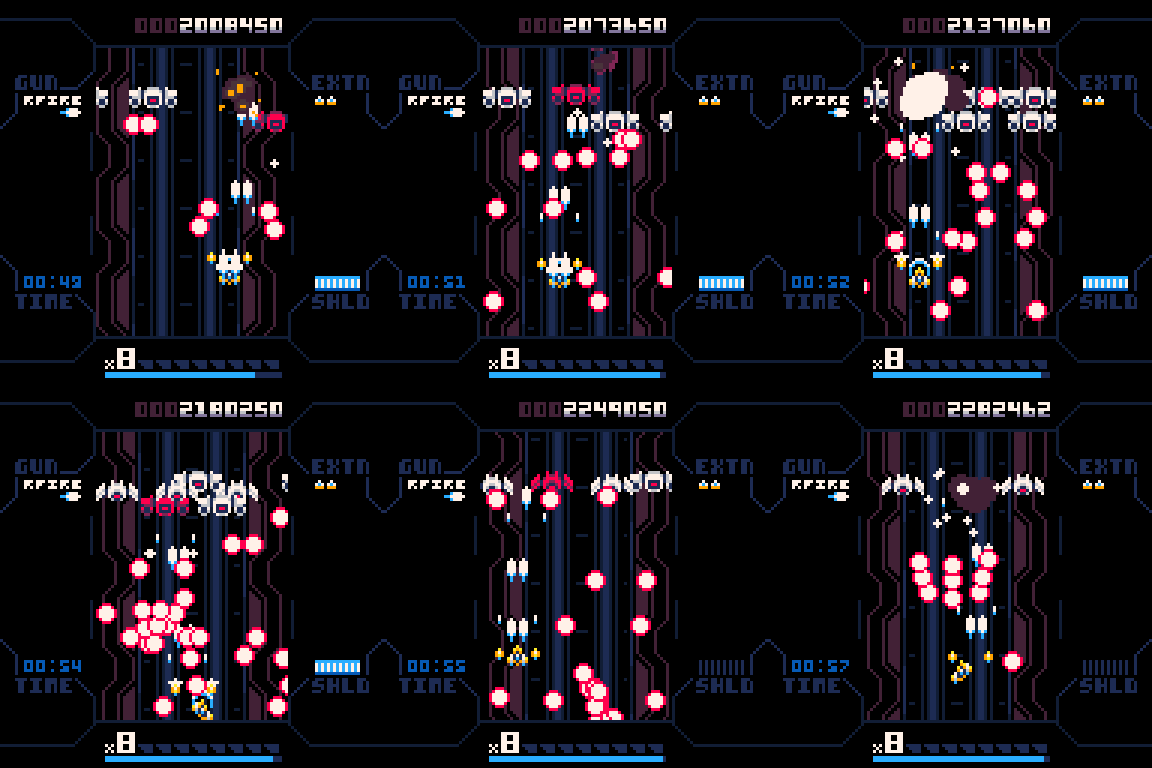
- The Retro-Modern Synthesis: Titles like Slime 3k: Demake and EX TERRA demonstrate a reverence for gaming history. Slime 3k utilizes a Game Boy-inspired aesthetic to deliver a modern roguelite experience, while EX TERRA brings the classic PICO-8 shmup experience to a wider audience, proving that technical constraints often foster superior design.
Detailed Analysis: The Current Landscape of Browser Action
To understand why these specific titles are capturing player attention, we must examine their design philosophies individually.
Roguelites and Tactical Depth
- Gun Knight: This title redefines the dungeon-crawler by focusing on "Gun Magic." The innovation here is the weapon customization system; by picking up various gun parts, players can fundamentally alter their playstyle mid-run. It transforms a standard pixel-art dungeon crawl into a constantly evolving tactical puzzle.
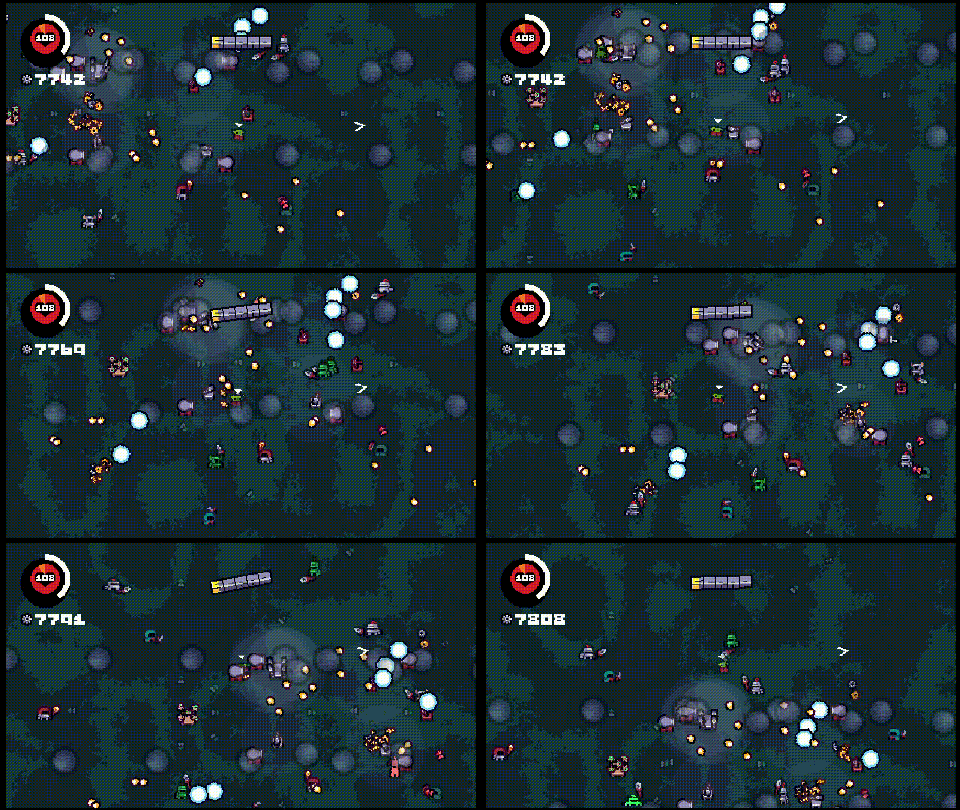
- Groblin Survivors: Combining the popular "horde survival" genre with tower defense mechanics creates a unique tension. Players must balance the active evasion of enemies with the strategic placement of stationary defenses. The "chunky" pixel art style provides a visual weight that makes every successful defense feel earned.
- Moon Watch: Perhaps the most mechanically ambitious title in the collection, Moon Watch introduces a time-stop mechanic into a horde-survival framework. By allowing players to freeze time to set up combos and manage deck-building relics, it elevates the genre from a simple "bullet-sponge" survival game into a highly strategic experience.
The Physics and Skill-Based Arena
- Plummet Panic: A masterclass in "incremental progression." While the goal—racing to the bottom—is simple, the inclusion of money collection and floor destruction keeps the gameplay loop tight. It is a testament to how physics-based interactions can create hours of replayability.
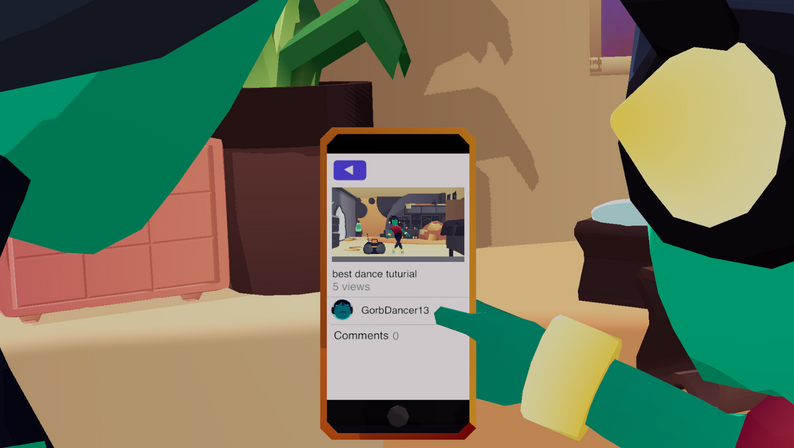
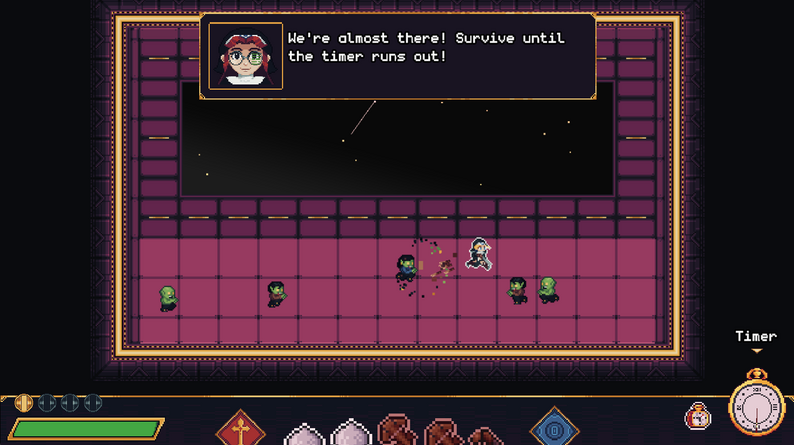
- Portal to the Cosmobeat: Moving away from combat, this title highlights the versatility of browser-based 3D engines. It focuses on rhythm and character progression, providing a lighthearted, narrative-driven experience that serves as a refreshing break from the high-stress environments of the other featured titles.
The High-Octane Shmup Revival
- EX TERRA: A quintessential "caravan" shmup. By focusing on two stages and emphasizing high scores, it creates a "one-more-try" mentality. The inclusion of a shield mechanic and a lock-on system adds a layer of depth that prevents the game from feeling like a simple twitch-reaction test.
- KARASU MELTDOWN!: A bullet-hell title that emphasizes the "bomb" mechanic. By tying the use of high-powered weaponry directly to survival and scoring, it forces the player to constantly weigh the risk of clearing the screen versus the potential for a massive score multiplier.
Supporting Data: Why Browser Gaming Remains Essential
According to engagement metrics from platforms like itch.io, browser-based games see a significantly higher "click-through-to-play" rate compared to downloadable content. The barrier to entry is nearly non-existent. For independent developers, this is a critical advantage; they do not need to worry about OS-specific build issues or large file sizes that might deter a curious player.
Furthermore, the "community-first" nature of these projects—often supported by comments sections, developer logs, and game jam rankings—creates a feedback loop that is rarely found in the corporate gaming sector. As noted by one user in the community: "There’s a wide range of stuff on itch, not only horror games, and much of it is super creative." This creative diversity is the lifeblood of the browser-gaming ecosystem.
Official Perspectives: The Developer’s Mandate
In discussions with developers who focus on the web platform, a consistent theme emerges: Accessibility is a design constraint that breeds creativity. When a developer knows their game must run in a browser, they focus on optimization, crisp controls, and immediate hooks.
"We don’t have the luxury of an hour-long tutorial," one developer noted. "The player needs to understand the core loop within thirty seconds." This mandate forces developers to create intuitive interfaces and clear, satisfying mechanics that are immediately rewarding. The result is a library of games that respect the player’s time while providing deep, challenging experiences.
Implications: The Future of the Browser Tab
As web technologies continue to advance, the distinction between a "browser game" and a "standalone game" is becoming increasingly blurred. We are seeing more complex physics, higher-fidelity audio, and more intricate 3D environments appearing in browser-based projects.
The implications for the gaming industry are profound. First, it democratizes game development; anyone with a solid understanding of JavaScript, C#, or Godot can deploy a game to a global audience without the need for a Steam direct fee or a massive marketing budget. Second, it shifts the player experience toward a "snackable" model. Rather than committing to a 60-hour campaign, players can engage in high-intensity, high-quality sessions that fit into the margins of their day.
Conclusion: Why You Should Start Playing Today
Whether you are a fan of the frantic intensity of a bullet-hell shmup or the strategic satisfaction of a roguelite, the browser gaming landscape on platforms like itch.io offers something for everyone. These games are not merely "small" projects; they are concentrated doses of design innovation that challenge the status quo of modern gaming.
If you haven’t explored the "New & Popular" section of your favorite game hosting site recently, now is the time. The barrier to entry is just one click away, and the depth of experience you’ll find might just surprise you. As the community continues to grow, we expect to see even more genre-bending projects that prove the browser is not just a place to browse—it’s a place to play.
What have you been playing lately? The conversation is open, and the community is waiting for your input.