
From Kitchen Staple to Workshop Essential: The Art of Upcycling a Vintage Mixer into a High-Performance Belt File
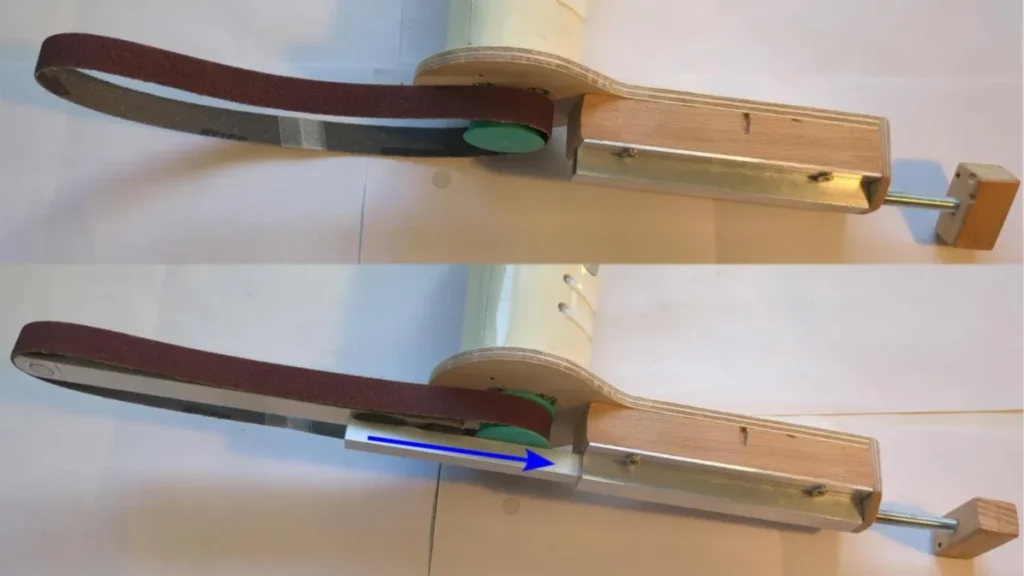
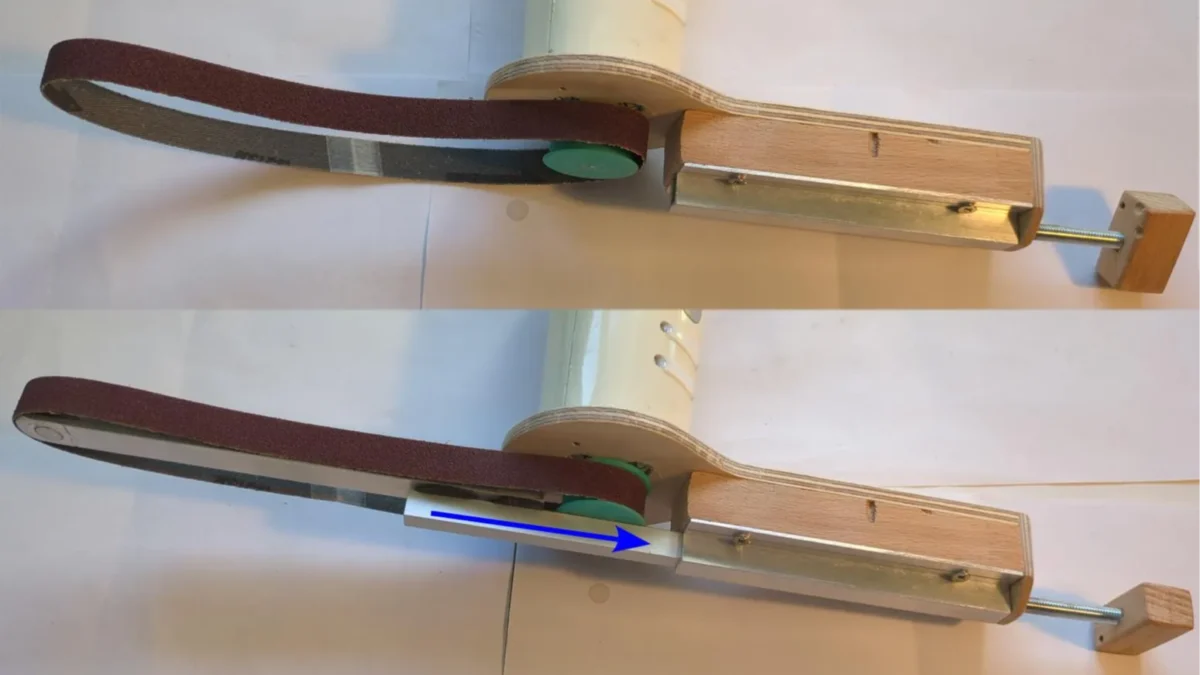
In the world of DIY engineering, there is a particular thrill associated with taking a defunct household appliance and breathing new life into it as a functional power tool. This philosophy of "repair, reuse, and repurpose" has reached a new milestone with the project recently debuted by maker [bluesyann], who has successfully transformed a discarded electric kitchen mixer into a bespoke belt file. This innovative build serves as a masterclass in mechanical ingenuity, demonstrating how scrap materials and additive manufacturing can bypass the high costs of industrial-grade shop equipment.
Main Facts: The Anatomy of the Mixer-to-Belt File Conversion
At its core, [bluesyann]’s project is a testament to the utility of existing motor housings. Instead of laboriously constructing a chassis, mounting a motor, and wiring a custom switch—tasks that often intimidate novice builders—the project utilizes the original mixer housing as a readymade handle and power controller.
The device functions as a belt file, a narrow sander essential for shaping, deburring, and reaching tight spots that a conventional orbital sander cannot touch. The power is supplied by the mixer’s internal motor, which provides sufficient torque for light-to-medium metal and woodworking tasks. The sanding belt is tensioned between a custom-designed, 3D-printed pulley attached to the motor drive and a bearing assembly housed within a length of aluminum U-channel.
The build relies heavily on the "scrap-pile" aesthetic, utilizing common workshop leftovers such as wood scraps and nested aluminum extrusions to complete the frame. A threaded rod mechanism provides the necessary tension adjustment, allowing the user to swap out sanding belts of varying grits with ease. The result is a tool that looks and operates with the efficiency of a commercial unit, yet cost a fraction of the price to produce.
Chronology: The Evolution of the Build
The project follows a logical progression typical of high-quality maker builds, moving from diagnostic assessment to final calibration.
Phase 1: Conceptualization and Salvage
The process began with the identification of a donor appliance. In many cases, kitchen mixers end up in landfills due to a broken whisk attachment or a stripped gearbox, even when the motor remains in pristine condition. [bluesyann] recognized that the mixer’s ergonomic design—specifically the handle and the integrated speed control—was perfectly suited for a handheld power tool.
Phase 2: Design and 3D Modeling
The most critical engineering challenge was the transition from the mixer’s proprietary drive output to a pulley capable of tracking a sanding belt. Using CAD software, the builder designed a custom pulley that interfaces directly with the mixer’s spindle. This component was produced via fused deposition modeling (FDM), showcasing the essential role of 3D printing in modern "hybrid" DIY builds.
Phase 3: Structural Assembly
Once the drive system was established, the builder moved to the frame. The use of aluminum U-channel was a strategic choice; it is lightweight, rigid, and readily available. By nesting these channels, [bluesyann] was able to create a telescopic structure that allows for the tensioning of the sanding belt.
Phase 4: Integration and Calibration
The final phase involved mounting the belt assembly to the motor housing and adding the tensioning rod. This required precise alignment to ensure the belt tracks correctly without slipping off the pulleys. Final testing in the video documentation confirms that the device is not merely a prototype, but a fully functional addition to the maker’s workshop.
Supporting Data and Technical Specifications
While a project of this nature is highly bespoke, certain technical benchmarks highlight the feasibility of this build.
- Motor Efficiency: Standard hand mixers typically operate between 150 and 300 watts. While this is lower than dedicated belt sanders, the reduction in gear ratio between the mixer and the pulley allows for a higher effective torque, making it ideal for precision filing.
- Material Composition:
- Frame: Aluminum U-channel (approx. 15-20mm width).
- Drive: 3D-printed PETG or ABS pulley for thermal resistance.
- Tensioner: M6 or M8 threaded rod with locking nuts.
- Bearings: Standard 608-series skate bearings (common in 3D printer builds).
- Cost Analysis: Compared to a professional-grade pneumatic or electric belt file (which can range from $150 to $500), the cost of this build—excluding the salvaged mixer—is estimated to be under $20 in hardware and filament.
Official Responses and the Maker Community Perspective
The maker community, particularly those active on platforms like Instructables and Hackaday, has responded with significant enthusiasm. The project has been lauded for its "low barrier to entry."
"The brilliance isn’t in the complexity, but in the simplification," says one industry observer. By utilizing the mixer’s enclosure, [bluesyann] eliminates the most dangerous part of electrical DIY: high-voltage wiring and motor housing insulation. Because the mixer remains largely "factory-sealed" in its electrical configuration, the safety profile of the tool is significantly higher than that of a custom-wired project.
However, some professionals caution that users must remain aware of the motor’s duty cycle. Kitchen mixers are designed for intermittent use (e.g., mixing dough for five minutes), whereas power tools are often expected to run for longer periods. [bluesyann]’s design implicitly handles this by keeping the cooling vents of the original mixer housing unobstructed, but users are advised to monitor motor temperature during prolonged grinding sessions.
Implications: The Future of "Sustainable Engineering"
The implications of this build extend far beyond a single workshop project. We are currently witnessing a shift in the DIY paradigm where "repair" is no longer the final step in an appliance’s lifecycle; it is merely the beginning of a second life.
Environmental Impact
Electronic waste (e-waste) is one of the fastest-growing waste streams globally. By repurposing the motors and housings of broken appliances, the maker community is effectively diverting functional components from landfills. This project serves as a model for circular economy practices at the micro-scale.
The Democratization of Tools
High-quality shop tools are often priced out of reach for students, hobbyists, and makers in developing regions. Projects like the mixer-to-belt file demonstrate that a high-functioning shop can be built from the "bottom up." When makers share their 3D models and bills of materials, they are essentially providing an open-source blueprint for industrial capability.
The "Hybridization" Trend
We are seeing a trend where makers are no longer content with just 3D printing their own tools, but are instead "hybridizing" them with legacy hardware. This approach combines the reliability of mass-produced electric motors with the customization of additive manufacturing. Future iterations of this concept could involve variable-speed control boards derived from other small appliances or even the integration of salvaged brushless motors from cordless drills to create cordless belt files.
Conclusion: A Blueprint for the Future
[bluesyann]’s transformation of an old mixer into a belt file is more than just a clever hack; it is a manifestation of a necessary shift in how we view consumer goods. It challenges the "throwaway" culture that defines modern appliance manufacturing.
For those interested in replicating this build, the key takeaway is the importance of "working with the bits you cannot change." Instead of fighting the limitations of the donor appliance, the maker incorporated them into the design, turning the mixer’s handle into an ergonomic asset. As we move forward, the success of such projects suggests that the next generation of industrial innovation will not just happen in factories, but in the garages and workshops of makers who see potential where others see trash.
Whether you are a seasoned engineer or a curious beginner, this project provides a robust framework to start your own upcycling journey. With a few scrap materials, a 3D printer, and a trip to a local thrift store, you too can contribute to the growing movement of sustainable, community-driven engineering.







