Bridging the Gap: Itch.io’s Major App Update Brings Steam Integration and Headless Launching
The landscape of independent gaming is undergoing a significant transformation. For years, the itch.io platform has served as the premier digital storefront for indie developers, experimental titles, and hobbyist projects. However, the convenience of unified library management—a feature popularized by industry giants like Valve’s Steam—has often felt siloed. Today, that barrier is eroding. With the release of version v26.20.0 of the itch.io desktop application, the platform has introduced a suite of powerful features designed to integrate indie titles seamlessly into the broader gaming ecosystem, most notably through native Steam shortcuts and a flexible "headless" launching architecture.
The Core Innovation: Steam Shortcuts and Ecosystem Integration
For users deeply entrenched in the Steam ecosystem, the itch.io app has historically existed as a separate, often neglected entity. This was particularly true for users of the Steam Deck or those who utilize Steam’s "Big Picture" mode, where navigating away from the Steam interface is cumbersome and often counterproductive to the "console-like" experience those platforms provide.
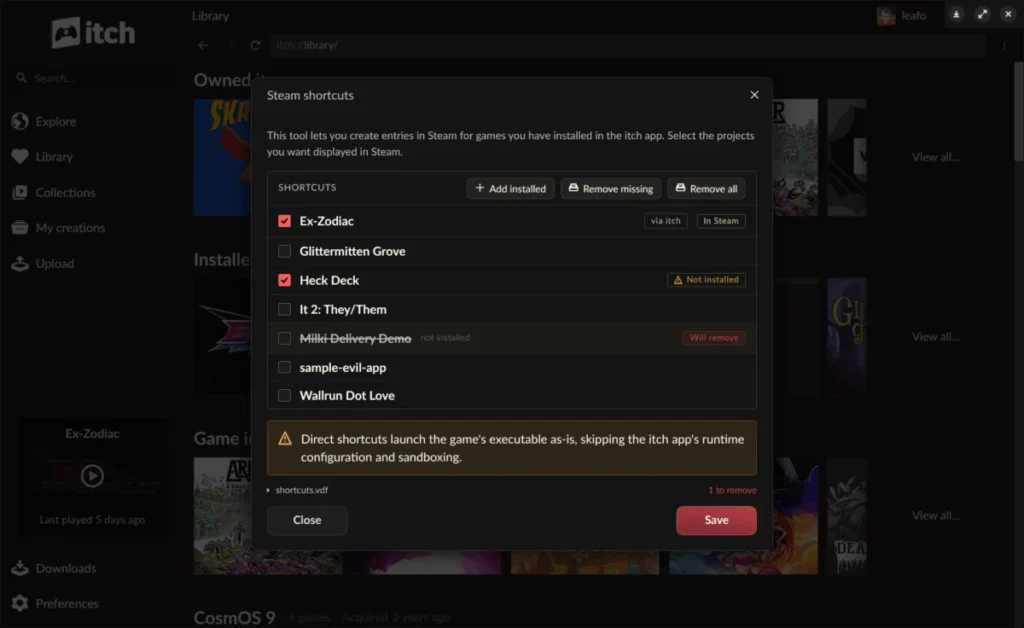
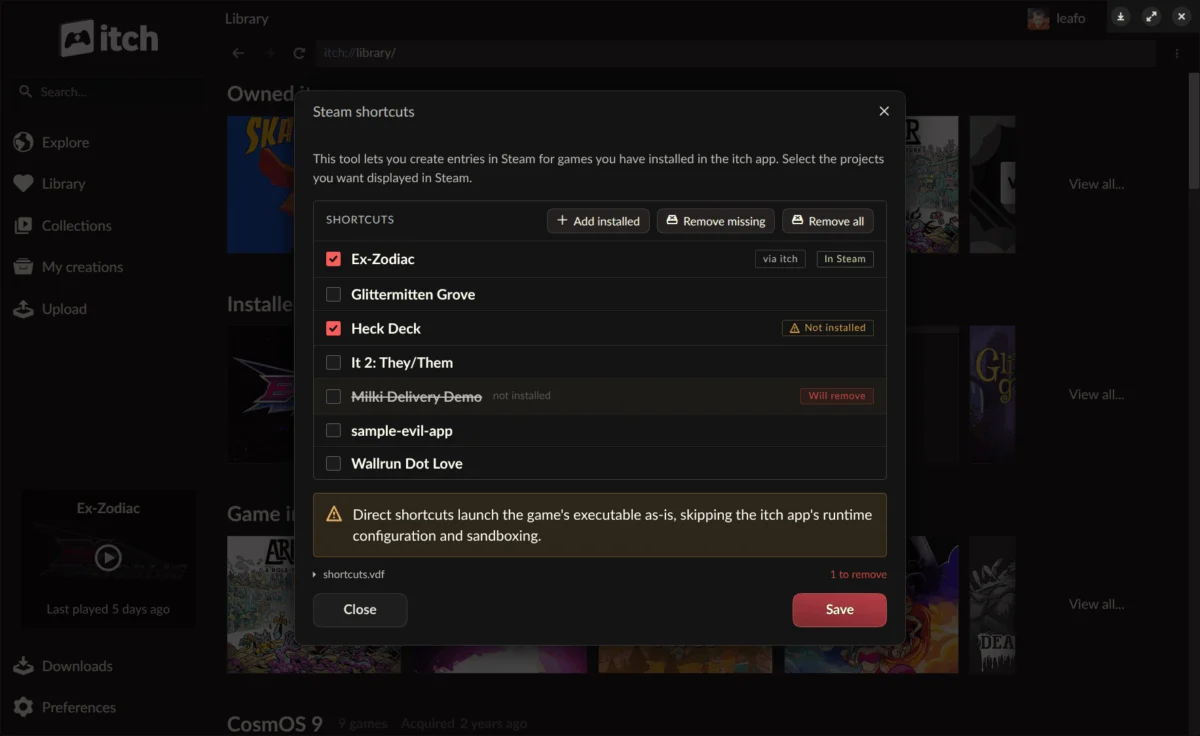
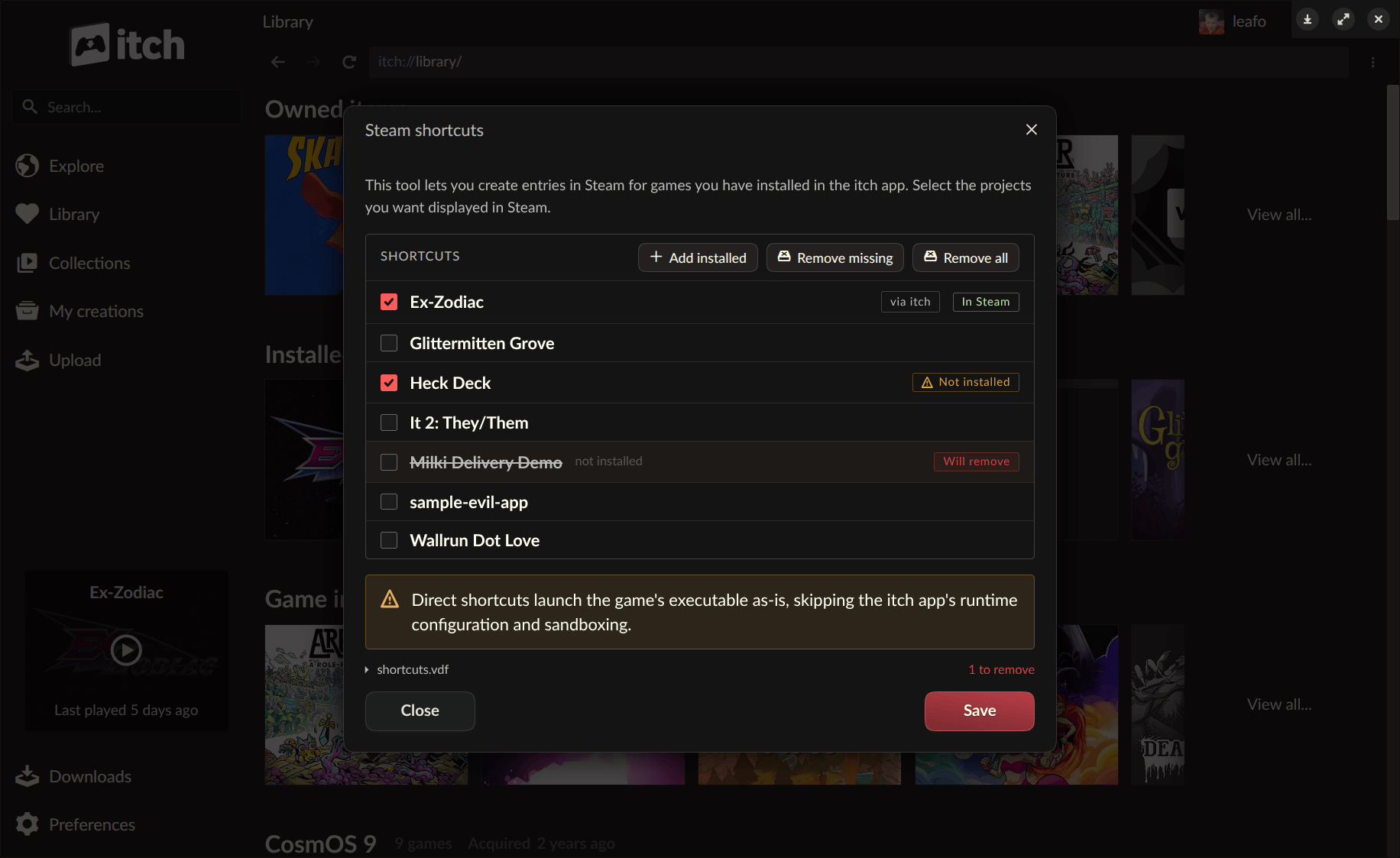
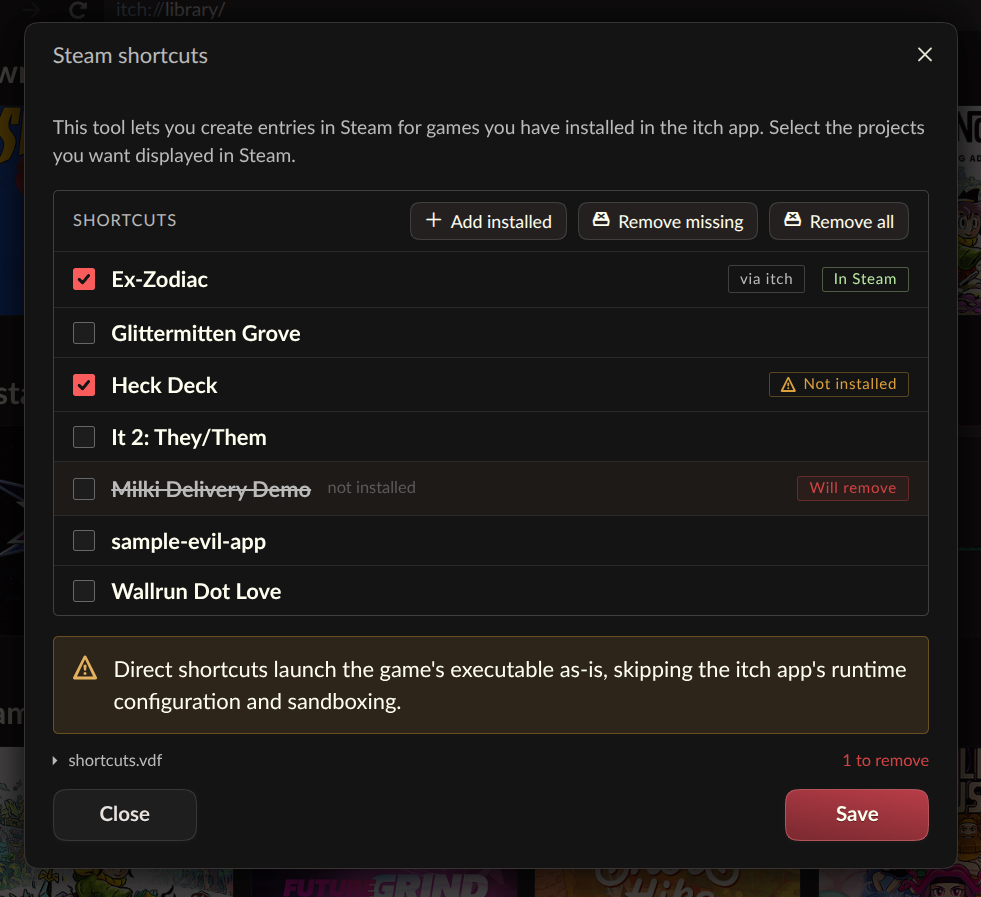
The update to v26.20.0 changes this dynamic. Users can now synchronize games installed via the itch.io app directly into their Steam library. This functionality allows indie titles to appear alongside AAA behemoths, enabling players to launch itch.io games directly from their Steam dashboard without needing to open the secondary itch.io client.
To ensure this integration is robust, the developers have introduced an automated collection system. When a user syncs their library, the itch.io app creates a dedicated collection within Steam, keeping the library organized and distinct from the user’s Steam-purchased titles. While the team acknowledges this feature is currently in an experimental phase, it represents a bold move toward interoperability in an industry that has traditionally favored closed-garden software environments.
The Architecture of Flexibility: Headless Launching
The engine driving this new Steam integration is a sophisticated piece of engineering known as "headless launching." Previously, launching an itch.io game required the main application to be running in the background to handle authentication, sandboxing, and telemetry. This was often resource-intensive and clunky.
With v26.20.0, the developers have exposed a new command-line interface:
itch-setup --run-game <gameId> [--profile-id <profileId>]
This "headless" mode allows the application to trigger a game’s executable while bypassing the full graphical user interface of the itch.io client. Crucially, this does not sacrifice the app’s foundational benefits. The headless runner still enforces sandboxing, manages prerequisites, applies per-game launch settings, tracks play time, and handles API key injection for multiplayer or leaderboard functionality.
By offloading these tasks to a lightweight butler subcommand, itch.io has effectively decoupled the storefront experience from the execution environment. This is not merely a boon for Steam users; it is an open invitation for developers of other third-party launchers, custom scripts, and portable gaming operating systems to integrate itch.io’s robust infrastructure into their own tools.
Chronology: A Path to Improved User Experience
The release of v26.20.0 is the culmination of a long-term strategy to make the itch.io desktop app more than just a downloader.
- Initial Conception: The itch.io app began as a simple distribution tool. Users expressed growing frustration over the lack of organization for games acquired outside the app.
- Version v26.15 – v26.17: These incremental updates laid the groundwork by refining the underlying library management system and improving the stability of the
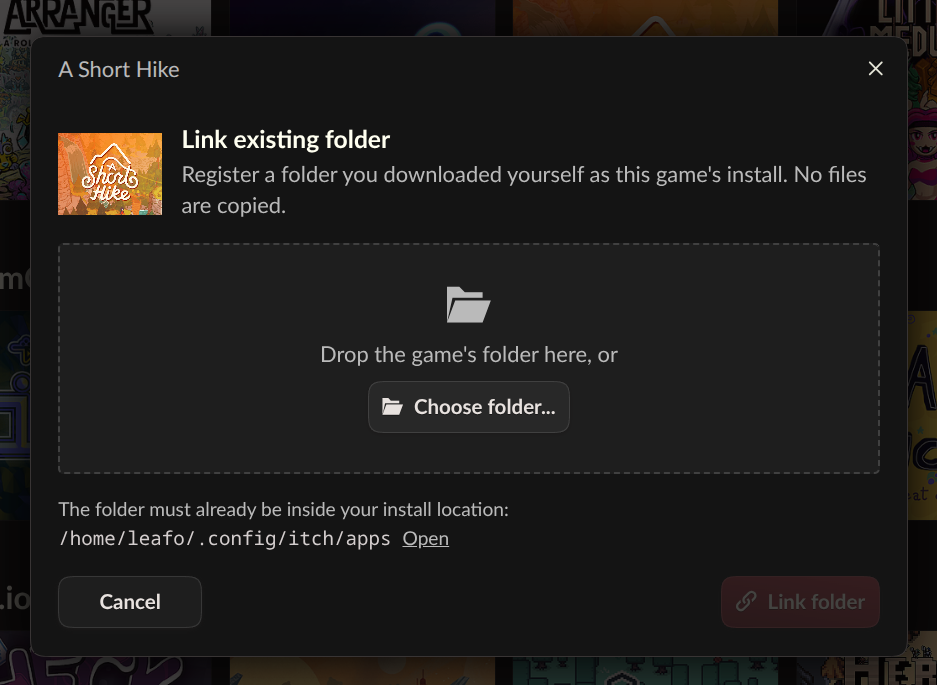
butlerbackend, which serves as the backbone for file synchronization. - The "Link" Initiative: Recognizing that many users have folders full of indie games downloaded from external sites, the team introduced the "Link existing folder" feature. This allows users to register external game files within the itch.io app, providing the convenience of a library without requiring a redundant re-download.
- Present Day (v26.20.0): The official rollout of Steam shortcut integration and headless execution, marking the most significant shift in user experience since the app’s inception.
Supporting Data and Technical Nuances
The efficacy of these features is grounded in how the app handles different file types. Not all games are created equal, and the developers have been transparent about the limitations of the new headless system.
For instance, HTML5-based games—which remain a staple of the itch.io platform—require a browser environment to execute. Consequently, if a user attempts to launch an HTML5 title via the headless command, the system intelligently defaults to launching the full itch.io application to ensure the game has the necessary rendering environment.
Furthermore, the "Link existing folder" feature acts as an "escape hatch" for power users. It is designed to be intentionally lightweight; the app does not perform a cryptographic verification of the files within a linked folder, trusting the user’s input. This provides a fast, efficient way to manage diverse libraries without the overhead of the app attempting to validate, patch, or repair files it did not originally download.
Official Responses and Developer Insights
The itch.io team, led by figures like "leafo," has been highly responsive to community feedback throughout the launch. In response to queries regarding future support for non-Linux handhelds, the team confirmed they are actively working on a "secret project" aimed at Linux-based handheld devices, with potential expansion into Android-based gaming hardware in the future.
When addressing concerns about DRM and platform loyalty, the developers maintained their stance as proponents of DRM-free gaming. They clarified that their integration with Steam is intended to provide convenience for users who enjoy the Steam UI, not to funnel users into a DRM-locked environment. This stance has been supported by the community, with many users noting that the ability to bridge the gap between their preferred storefront and their preferred UI—without sacrificing their values—is a significant achievement.
Implications for the Future of Indie Gaming
The implications of these updates are profound. By allowing itch.io titles to integrate into Steam, the developers are effectively validating the indie experience for the "Big Picture" and handheld generation. It reduces the "friction of entry" for games that might otherwise be ignored due to the inconvenience of manual file management.
- Normalization of Indie Titles: When an indie game is easily accessible on a Steam Deck, it gains visibility and, by extension, legitimacy in the eyes of a broader demographic.
- Developer Independence: By providing a clear documentation path for custom launchers, itch.io is ensuring that developers are not locked into any single platform’s ecosystem.
- Community-Driven Development: The feedback loop between the platform developers and the community—evident in the rapid addressing of bugs and the inclusion of user-requested features—reinforces the notion that itch.io remains the "developer’s choice" for distribution.
As the platform moves forward, the focus seems to be shifting toward "ubiquitous access." The transition from a static downloader to a dynamic, headless-enabled launch system suggests that the future of itch.io is one where the storefront is invisible, and the focus remains entirely on the game.
Whether it is through the seamless linking of existing game folders or the sophisticated integration with Steam’s interface, the v26.20.0 update serves as a powerful reminder that utility and openness remain the most potent tools in the independent gaming sector. The project is already looking ahead to future iterations, inviting contributors to assist with translations and reporting issues on GitHub to refine what has already become one of the most capable tools in the modern indie developer’s arsenal.