The Retro Revolution: Analyzing itch.io’s "Ameyega Mode" April Fools’ Phenomenon
Introduction: A Digital Time Capsule
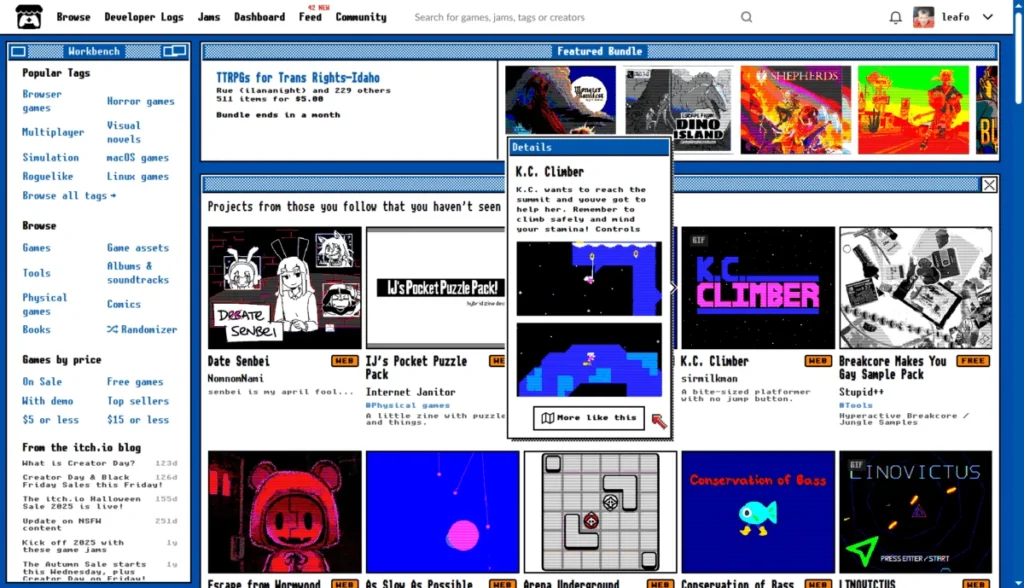
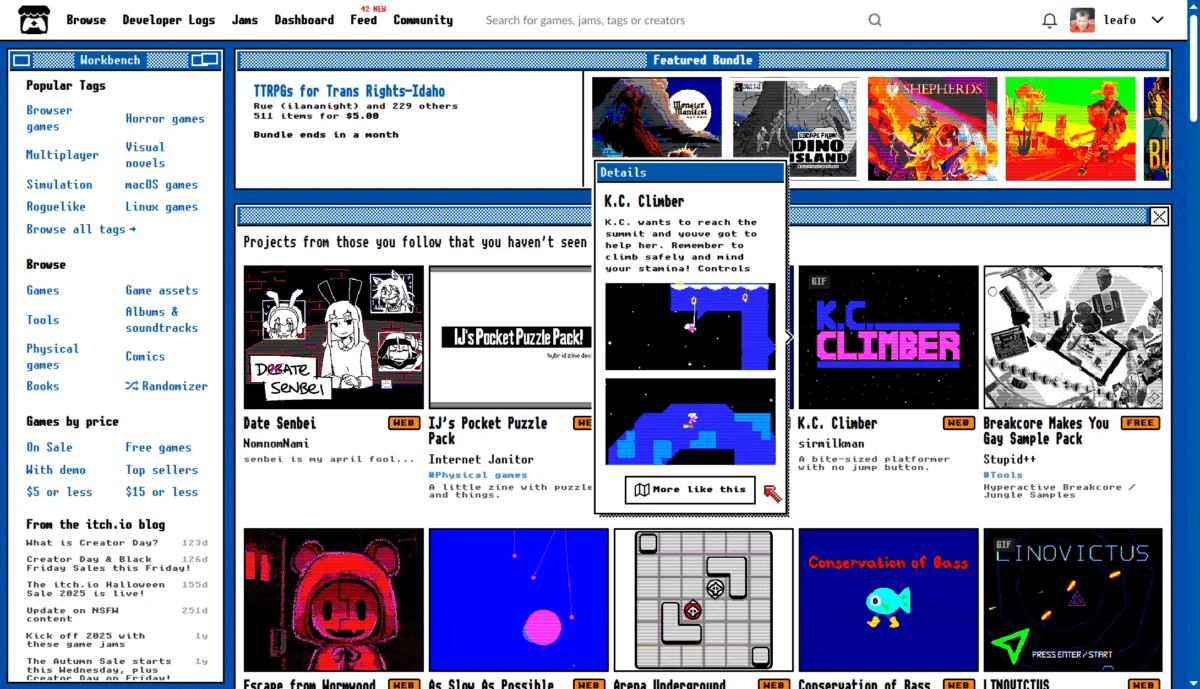
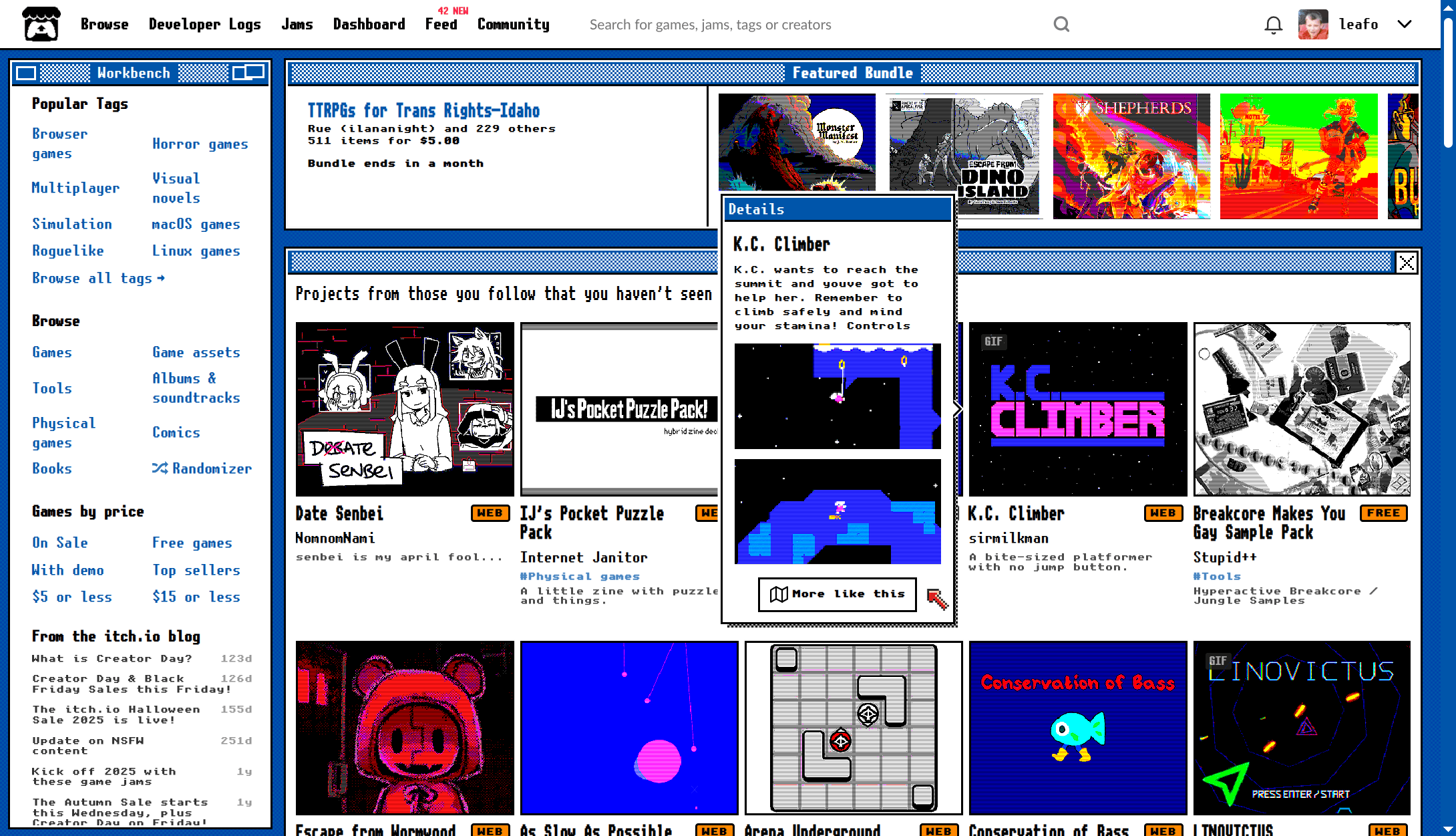
For a platform as synonymous with modern indie game development as itch.io, the homepage acts as the digital storefront of the underground gaming world. On April 1, 2024, however, that familiar, sleek interface vanished, replaced by an aesthetic plucked straight from the 1980s: "Ameyega Mode." Utilizing the UNSCII font project—a tribute to the character sets of early computing—the site transformed into a high-contrast, pixelated, retro-computing experience. While the prank was intended as a lighthearted celebration of digital nostalgia, it sparked a complex discourse among the itch.io community, highlighting the delicate balance between creative expression, accessibility, and platform usability.
The Chronology of the Transformation
The implementation of Ameyega Mode followed a timeline that prioritized developer whimsy but left some users caught off guard.
- The Launch: Because of a delayed rollout on April 1st, the itch.io development team opted to extend the duration of the event beyond the traditional 24-hour window. This decision, intended to ensure users got their "money’s worth" of the joke, inadvertently stretched the lifespan of a interface that some found challenging to navigate.
- The Peak Engagement: Over the course of the following days, the site saw a surge in traffic, with users logging in specifically to view the transformation. The team provided a direct link—itch.io/?ameyega—for those who missed the initial rollout, allowing the aesthetic to persist for anyone who wished to opt-in after the global switch was reverted.
- The Reversion: As the team prepared for upcoming structural changes to the homepage, they officially sunsetted the mode. However, the legacy of the event persists in the form of a hidden toggle for logged-in users, marking a rare instance where a temporary April Fools’ gimmick was codified into a permanent, albeit optional, URL feature.
Supporting Data: A Community Divided
The reaction to Ameyega Mode was profoundly polarized, as evidenced by the intense activity in the site’s official update comments section. By analyzing the discourse, we can categorize the user sentiment into three primary camps:
1. The Nostalgia Enthusiasts
A significant portion of the community embraced the change. For many, the use of the UNSCII font wasn’t just a gimmick—it was a design choice that resonated with the roots of independent game development. Comments praised the "charming" and "nostalgic" nature of the layout, with some users even requesting that the team implement it as a permanent, selectable theme for the platform.
2. The Accessibility Concerns
The most critical feedback came from users who felt the design was exclusionary. Because the aesthetic relied on low-resolution, high-contrast block characters, users with visual impairments or screen-reading requirements reported significant difficulty navigating the store. One user remarked, "I’m disabled and I can’t watch this! How do you get this crap off?" This highlights a critical lesson for digital platforms: when aesthetic experiments interfere with the functional utility of a site, the "prank" risks alienating a portion of the user base that relies on the platform’s standard accessibility features.
3. The Functional Frustrations
Beyond accessibility, there were technical side effects. A segment of the user base noted that the transition to Ameyega Mode temporarily broke the site’s "Dark Mode" functionality. Even after the mode was removed, reports circulated that the site’s CSS was failing to render dark themes correctly for some users. This led to a wave of frustration, as users felt the "prank" had compromised the long-term stability of their browsing experience.
Official Responses and Technical Adjustments
The itch.io team maintained a transparent, albeit informal, posture throughout the event. By acknowledging the late start of the prank, the developers demonstrated a willingness to prioritize their own internal timeline over the standard "April 1st" deadline.
When users reported the broken Dark Mode, the team’s response was swift. Within four hours of a prominent user complaint regarding the persistence of the "pixellated mess" over their dark theme settings, the site was updated to restore standard functionality. This agility suggests that while the team enjoys experimenting with the platform’s presentation, they remain highly responsive to the technical health of the site. The decision to keep the URL active for logged-in users acts as a compromise—a way to satisfy the fans who enjoyed the look without forcing it upon the general, potentially frustrated, public.
Implications: The Future of Platform Personalization
The Ameyega Mode incident serves as a case study for how modern web platforms can interact with their user base through "Easter eggs" and limited-time visual overhauls.
The Cost of Creativity
The primary implication here is the risk associated with altering a UI that users depend on for commercial purposes. Many itch.io users are developers who use the site to host games, manage sales, and communicate with customers. When the front page becomes difficult to navigate, it effectively impacts their business. The backlash underscores that while developers and users enjoy "fun" updates, there is a clear boundary between a site’s identity and its utility.
The Desire for Customization
Conversely, the request by multiple users to keep the theme as an optional toggle suggests a deep-seated desire for more personalization on itch.io. The platform has historically maintained a fairly uniform look. The success of Ameyega Mode indicates that users are hungry for "themes"—a feature that would allow them to modify the site’s appearance without sacrificing usability. If the team were to lean into this, it could turn a fleeting April Fools’ joke into a long-term engagement tool.
The Communication Gap
The incident also exposed a recurring tension: users want to know when things will change, and they want to know how to opt-out when those changes impede their workflow. The comments section revealed that many users were unaware of how to revert the theme, leading to unnecessary panic. Future updates of this nature would benefit from a clearly visible "Return to Normal" button, ensuring that the prank remains an invitation rather than an imposition.
Conclusion: A Lesson in Digital Etiquette
The "Ameyega Mode" experiment was a masterclass in the risks and rewards of experimental web design. It successfully reminded the community of the retro roots of gaming, showcased the technical flexibility of the itch.io platform, and generated significant engagement. However, it also served as a stark reminder of the responsibilities held by a major platform.
For a site that prides itself on being the home of indie games, itch.io must continue to walk the line between being a "playground" for digital artists and a reliable, accessible marketplace for professionals. While the majority of the community enjoyed the trip down memory lane, the lingering technical complaints and accessibility grievances provide a blueprint for how the team might improve future community events. By providing optionality, ensuring accessibility, and maintaining the site’s core functionality, the team can continue to experiment without alienating the very community that keeps the platform thriving.
Ultimately, Ameyega Mode will likely be remembered not as a failure, but as a bold experiment—a reminder that in the world of independent development, the interface is just as much a part of the creative canvas as the games themselves. Whether we see more of these experiments remains to be seen, but one thing is certain: the itch.io community is watching, and they have plenty to say about how their digital home should look, feel, and function.