ElixirOffice: Gaël Duval’s New Bid for an Open-Source Office Standard
In the landscape of open-source productivity software, the quest for a seamless, Microsoft Office-compatible experience has long been the "holy grail." While solutions like LibreOffice and ONLYOFFICE have made significant strides, a new contender has emerged from a familiar face in the Linux community. Gaël Duval, the veteran developer behind Mandrake Linux and the /e/OS mobile project, has unveiled ElixirOffice—a fresh office suite project that aims to bridge the gap between open-source philosophy and the familiar workflows required by the modern workplace.
Currently in its early beta phase, ElixirOffice offers both a desktop application and a self-hosted server version. It arrives at a time of significant friction within the open-source office ecosystem, positioning itself as a potential alternative for those seeking deep compatibility with the proprietary standards of Microsoft Office.
The Genesis of a Problem: Why ElixirOffice?
The impetus for ElixirOffice was not born in a corporate boardroom, but in a domestic setting. Duval’s wife, a teacher, struggled with the transition from the proprietary office environments prevalent in schools to open-source alternatives. Her frustration was two-fold: the lack of familiarity in UI/UX and the inconsistent rendering of documents when shared with colleagues.
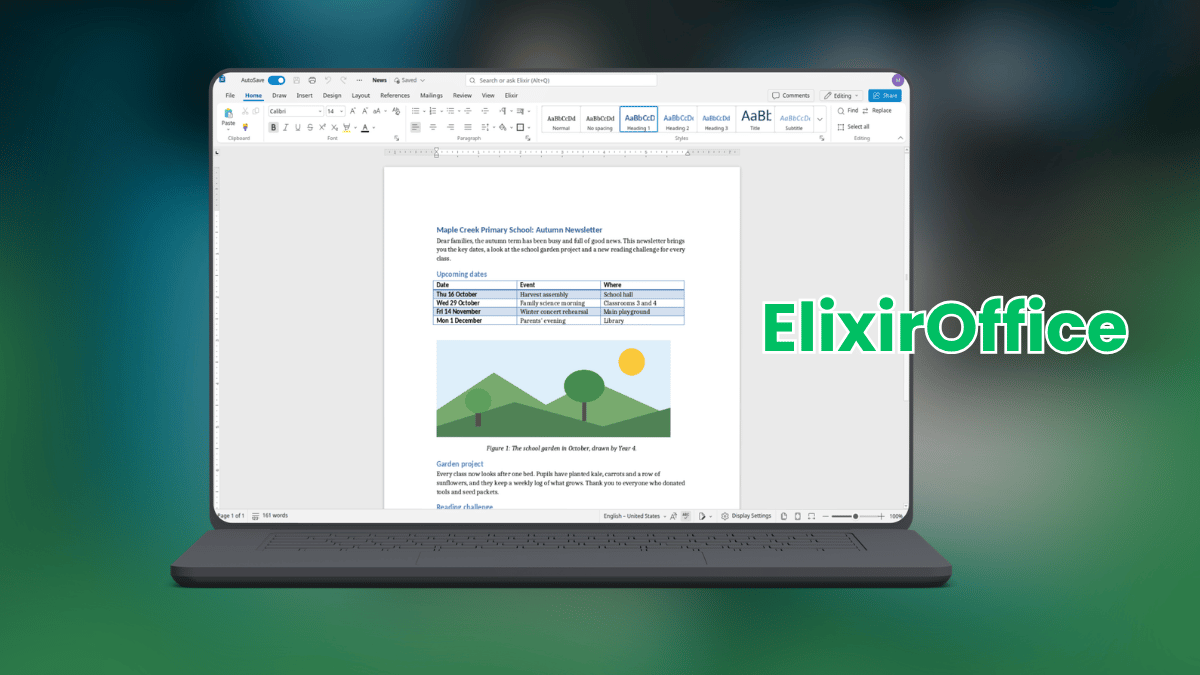
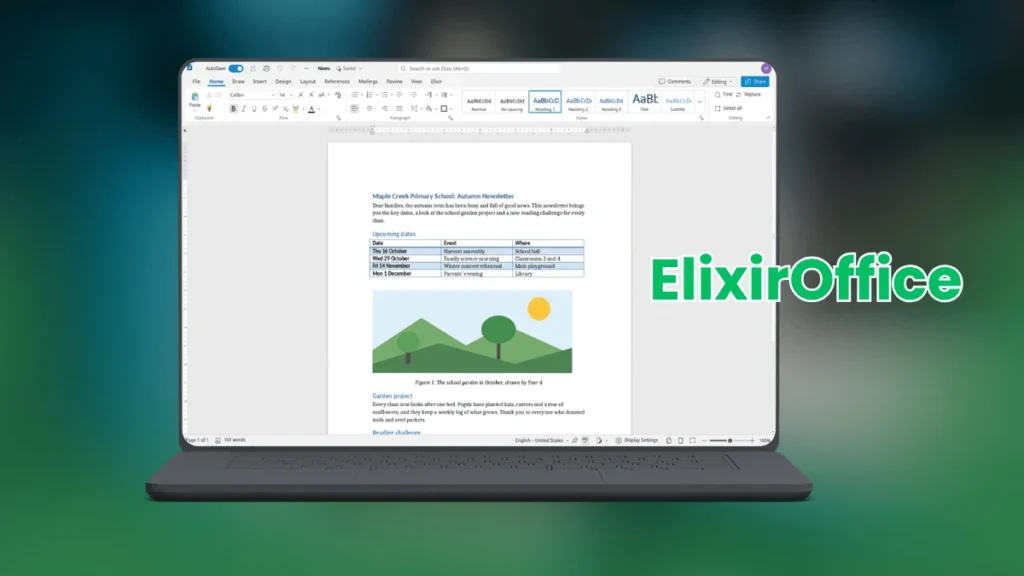
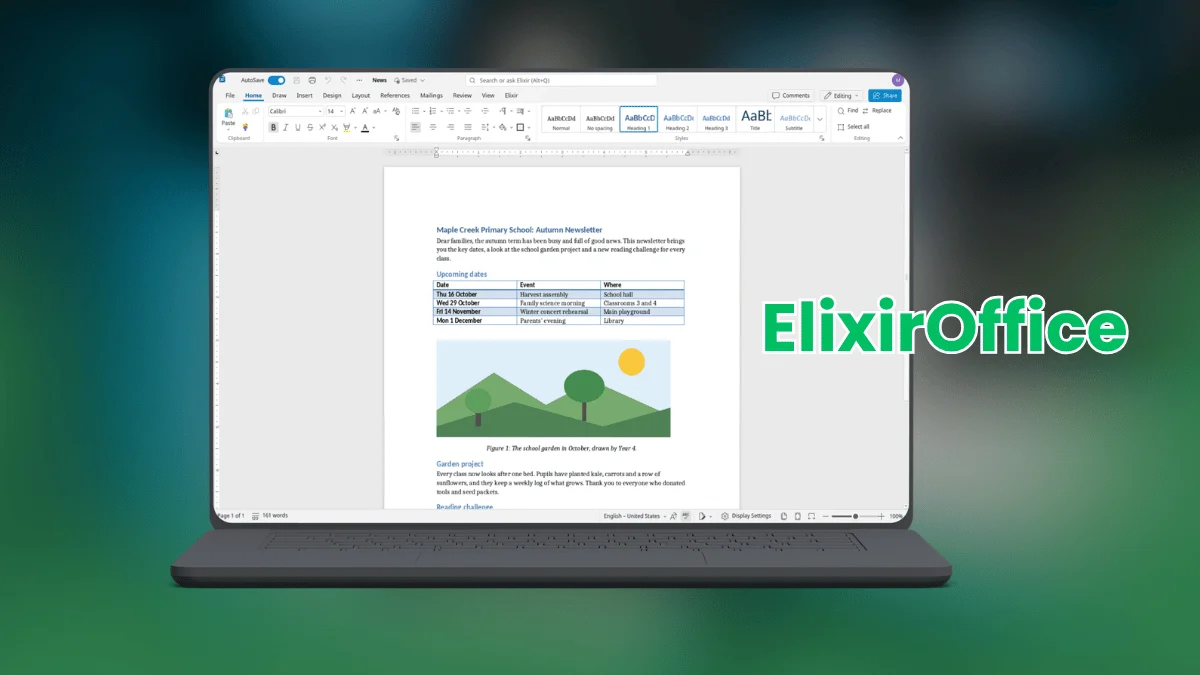
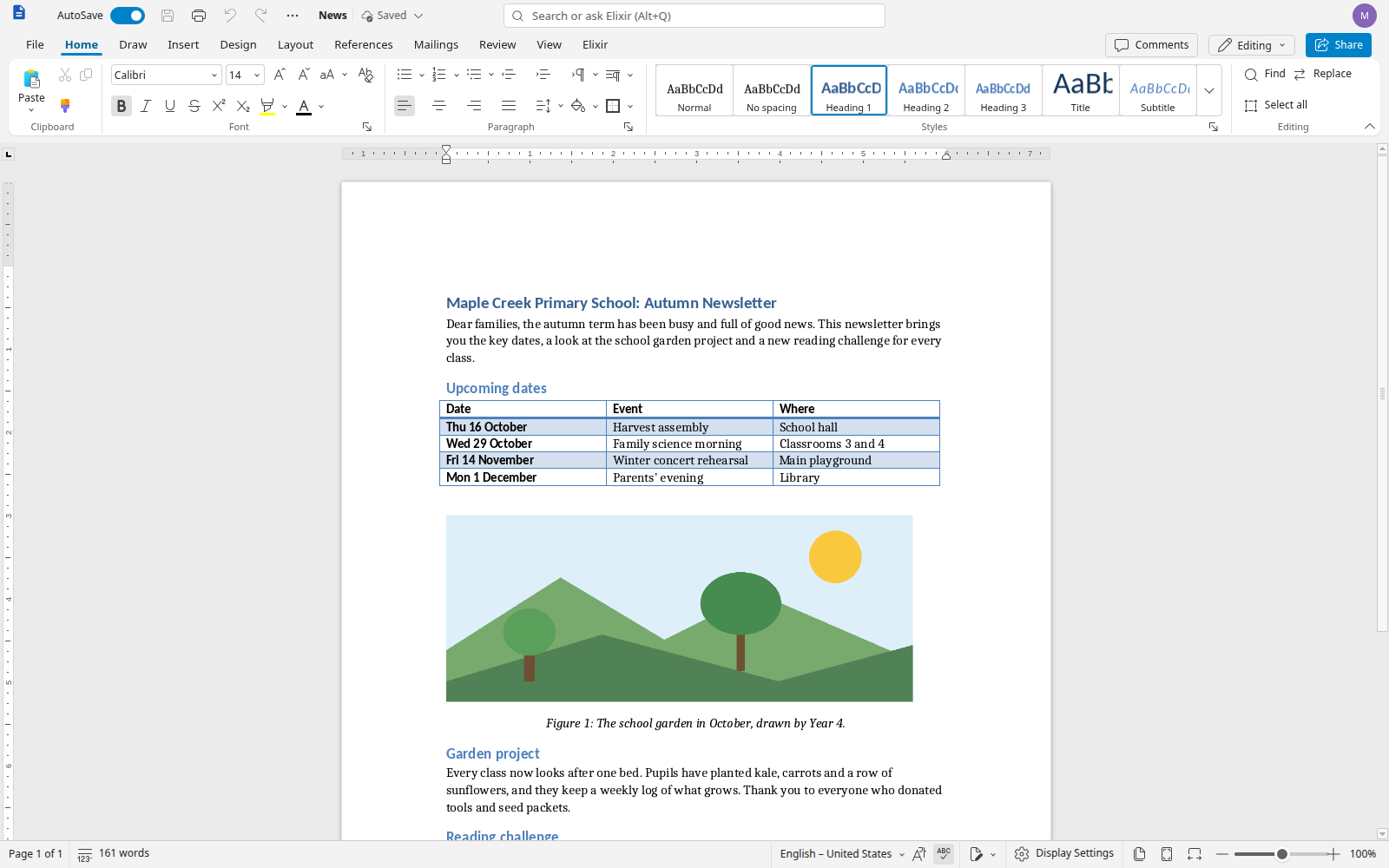
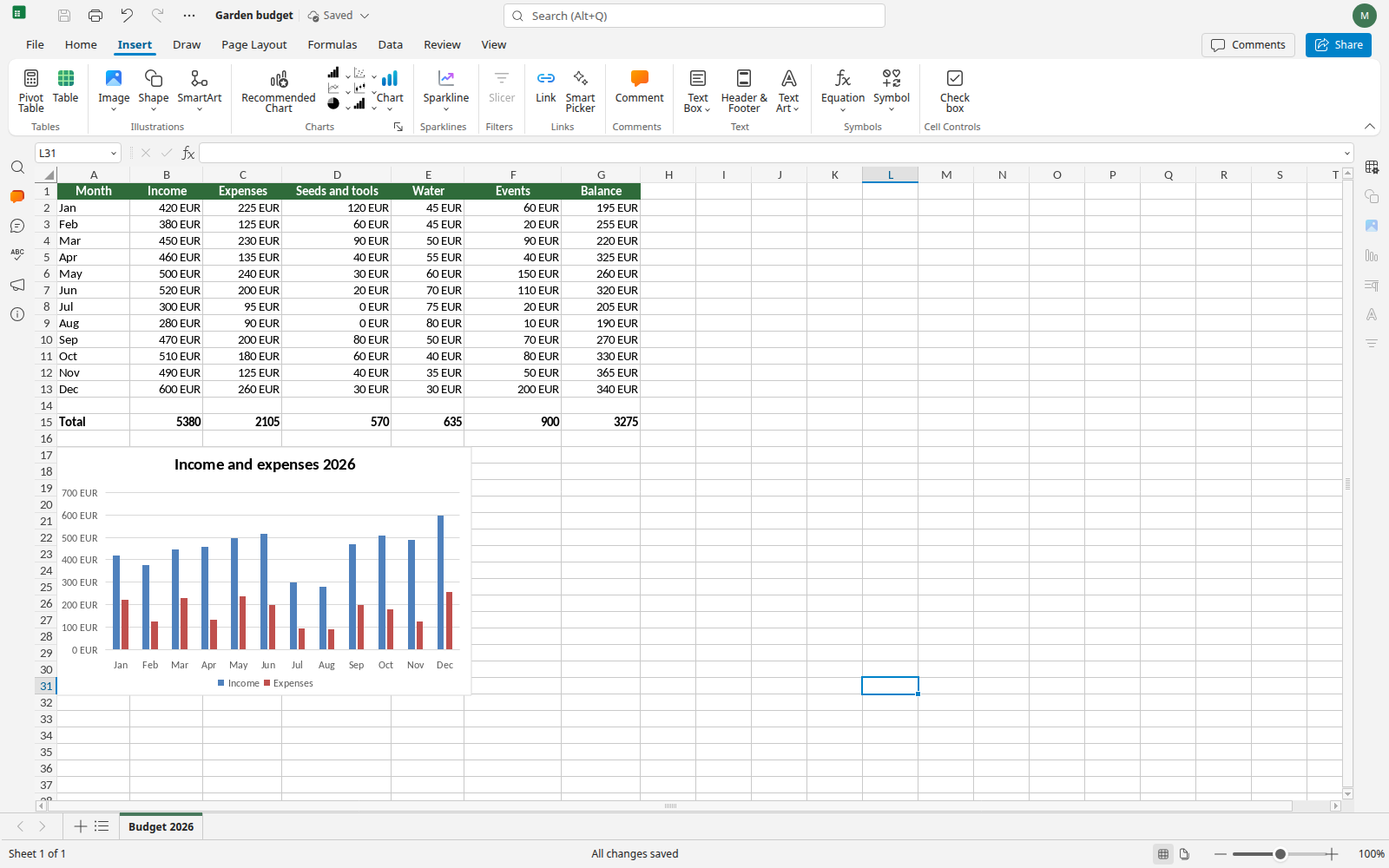
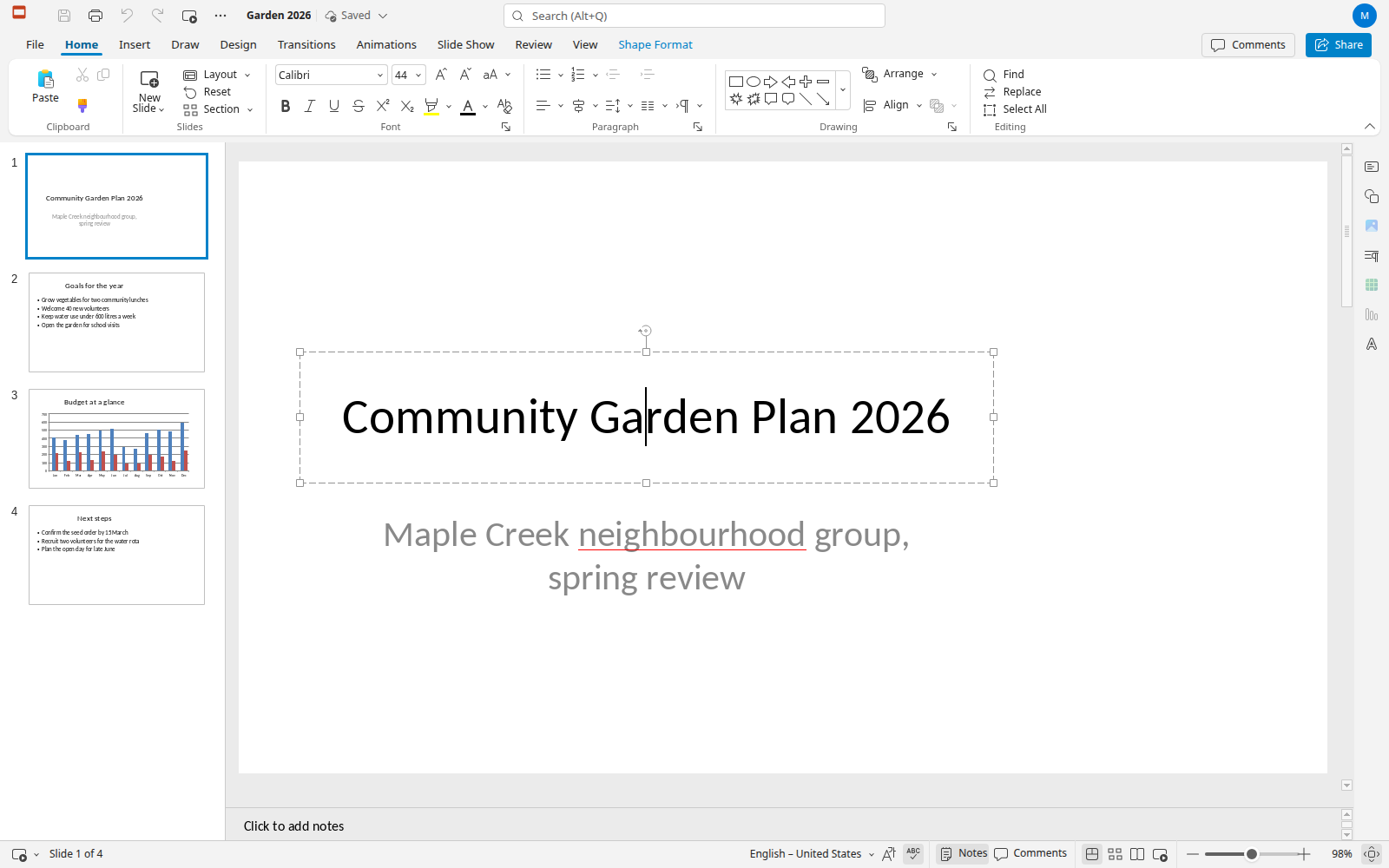
This is a recurring theme in the adoption of Linux on the desktop. When menu structures, keyboard shortcuts, and document formatting deviate from the "industry standard" established by Microsoft, productivity takes a hit. ElixirOffice is designed to address this by strictly adhering to the Microsoft Office ribbon interface and shortcut architecture. By ensuring that .docx, .xlsx, and .pptx files maintain their structural integrity, the project aims to eliminate the "document incompatibility" anxiety that keeps many users tethered to proprietary software.
Technical Foundations and Feature Set
ElixirOffice is not built from a blank slate. It is built upon the architecture of Euro-Office, which itself is a derivative of the ONLYOFFICE project. By leveraging this established codebase, Duval’s project inherits a mature engine for document rendering and editing while introducing its own refinements.
Core Components
The suite is divided into three primary editors:

- Document Editor: A direct substitute for Microsoft Word, handling both
.docxand the OpenDocument format.odt. - Spreadsheet Editor: Designed to mimic Excel’s functionality, supporting
.xlsxand.odsfiles. - Presentation Editor: The PowerPoint equivalent, compatible with
.pptxand.odp.
The Beta Experience
The current beta release is a lean, privacy-focused offering. Key highlights include:
- Desktop vs. Server: The desktop version is designed for offline, local usage, while the server-side component is intended for team deployment via Docker.
- Cross-Platform Support: The project targets Linux (via AppImage and DEB packages), Windows (installer), and macOS (Apple Silicon).
- Font Compatibility: To ensure document layouts remain faithful to their original designs, the suite ships with metric-compatible fonts, including "Marelle," a font specifically commissioned by the French Ministry of Education.
- AI Integration: Recognizing the current shift toward generative AI, ElixirOffice includes optional AI features. Crucially, these are "opt-in" and disabled by default, requiring the user to connect their own model. This respects user privacy while offering modern productivity enhancements.
- Privacy-First Design: The project explicitly commits to zero telemetry collection, a stark contrast to the data-gathering practices often found in cloud-based proprietary suites.
Chronology: From Mandriva to Elixir
To understand the trajectory of ElixirOffice, one must look at the career of its founder, Gaël Duval. Duval is a legendary figure in the Linux world, having founded Mandrake Linux (later Mandriva) in the late 90s. His career has been defined by a commitment to making open-source technology accessible to the masses.
After his time at Mandriva, Duval pivoted toward mobile privacy, eventually founding the e Foundation and developing /e/OS, a de-Googled Android fork. This led to the creation of Murena, a company focused on providing a complete, privacy-respecting ecosystem of services, including the Murena Workspace.
The launch of ElixirOffice in late 2026 represents a return to the desktop productivity space. It follows the emergence of the Euro-Office project—a collaborative effort by entities like Nextcloud and IONOS—which launched in early 2026. The timing is notable, as it coincides with a period of intense licensing debate between the original ONLYOFFICE developers and the European coalition behind Euro-Office. By building on the Euro-Office foundation, Duval is essentially positioning his project within a growing European-led effort to reclaim sovereignty over office productivity tools.
The Controversy: Licensing and Corporate Friction
The foundation of ElixirOffice is intrinsically linked to the ongoing tensions between the original developers of ONLYOFFICE and the contributors to Euro-Office. In early 2026, the company behind ONLYOFFICE, Ascensio System, publicly accused the Euro-Office project of licensing and attribution non-compliance. This led to a formal suspension of the partnership between ONLYOFFICE and Nextcloud.
Nextcloud, a major player in the self-hosted cloud space, disputed these claims, framing their actions as a necessary step to maintain an open, collaborative, and vendor-neutral environment. ElixirOffice enters this fray by keeping the original copyright notices and license files of its underlying components intact, while clearly stating that it is not affiliated with Ascensio System.
This "fork of a fork" strategy is a common, if sometimes messy, part of the open-source lifecycle. It ensures that the software remains under the AGPL-3.0 license, guaranteeing that the code remains open and modifiable, but it also highlights the fragility of open-source projects that rely on shared corporate codebases.
Strategic Implications: The Murena Connection
While there is no official word from the e Foundation or Murena regarding the integration of ElixirOffice into their product suite, the industry is already speculating. Currently, Murena Workspace is powered by ONLYOFFICE. However, given the licensing disputes mentioned above, it is logically consistent to imagine that Duval may be building an in-house alternative that he can control entirely.
If ElixirOffice matures into a stable, feature-rich product, it would provide Murena with a critical dependency: an office suite that is not subject to the shifting whims of third-party licensing agreements. For the end user, this could mean a more stable, privacy-focused alternative to Google Workspace or Microsoft 365, integrated directly into a de-Googled mobile and desktop ecosystem.
Challenges Ahead: Adoption and Development
Despite its promising start, ElixirOffice faces significant hurdles. Developing an office suite that is 100% compatible with the complex, ever-evolving proprietary formats of Microsoft Office is a monumental task. The beta version currently lacks features such as co-editing, mail merge, and password-protected file support—tools that are essential for power users and enterprise environments.
Furthermore, the reliance on AI agents for coding, while innovative, creates a unique maintenance challenge. The project’s reliance on community feedback in its early stages will be critical to identifying the "edge cases" where formatting breaks or bugs occur.
Conclusion
ElixirOffice is more than just another text editor; it is a statement on the state of the open-source desktop. It reflects the frustration of a community that is tired of proprietary lock-in and the corporate politics of large open-source projects. By prioritizing the user experience of the non-technical individual—like the teacher who just wants their documents to "look right"—Gaël Duval is attempting to solve a human problem with technical precision.

Whether or not ElixirOffice becomes the standard-bearer for the next generation of Linux productivity remains to be seen. However, its existence serves as a reminder that the open-source community remains a hotbed of innovation, capable of rapidly iterating to meet the needs of users who prioritize privacy, sovereignty, and, above all, simplicity. For those interested in the future of the Linux desktop, ElixirOffice is a project to watch closely.