The Evolution of Google Play: New Discovery Features and Developer Incentives Redefine the Mobile Ecosystem
As the mobile landscape continues to evolve, Google Play is undergoing a significant transformation, moving beyond its traditional role as a digital storefront to become a more personalized, intelligent hub for user engagement. In a series of updates announced this month, Google is reshaping how developers reach their audiences, how users discover new applications, and how the platform incentivizes high-quality, sustainable business practices.
The initiative, part of the company’s "More than a store" vision, focuses on three pillars: enhanced discovery through AI integration, deeper social engagement for gaming, and expanded financial incentives for developers who prioritize user experience.
Main Facts: A New Paradigm for Discovery
The core of Google’s latest update lies in its effort to bridge the gap between user intent and app discovery. By integrating its latest AI tools—specifically those powered by Gemini—Google Play is no longer relying solely on keyword search or manual curation.
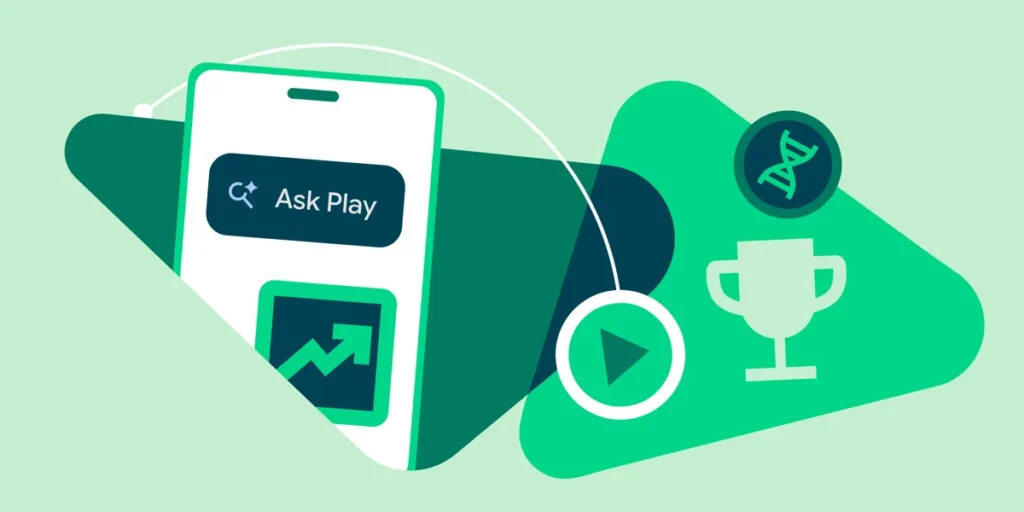
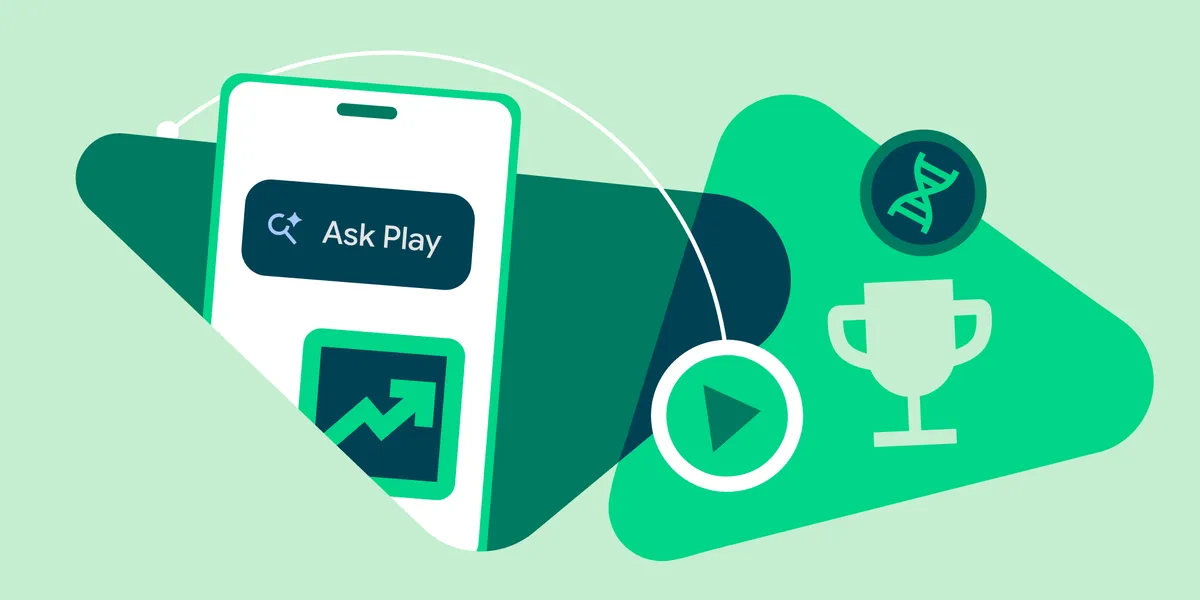
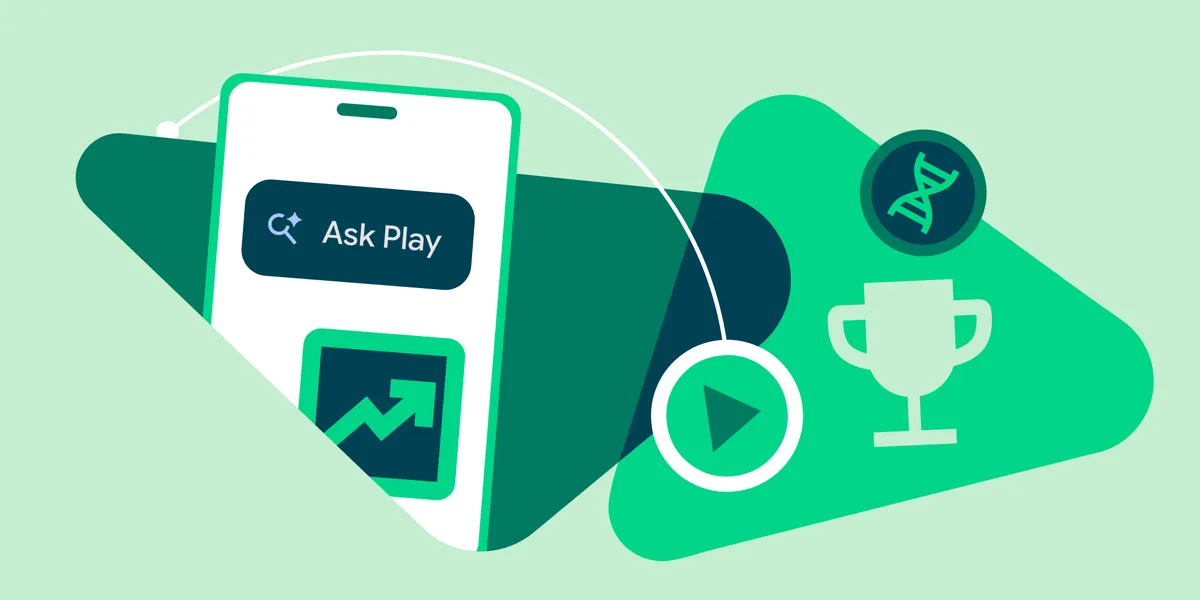
Users will now find apps and content through more conversational and context-aware interfaces. Features like "Ask Play" and "Game Finder" allow users to pose complex queries to the store, receiving personalized recommendations based on their habits and preferences. Furthermore, these recommendations are now appearing directly within the Gemini app and on user home screens via "Collections," effectively moving the storefront out of the Play app and into the broader Android experience.
For developers, this necessitates a shift in how they present their assets. Google is mandating a rigorous review of store listings to ensure that metadata, imagery, and descriptions are optimized for AI-driven retrieval systems.
Chronology of the Transformation
The current updates represent the culmination of a strategic shift that began in early 2026.
- May 2026: During the I/O 2026 conference, Google unveiled the initial roadmap for "What’s New in Google Play," signaling an intent to leverage generative AI to personalize user experiences.
- Summer 2026: Google began testing "Ask Play" and "Game Finder" in select markets, gathering data on how AI-driven discovery impacts click-through rates and installation intent.
- October 2026: The formal rollout of the "You" tab—a personalized home base for apps and content—solidified the shift toward a user-centric, rather than inventory-centric, UI.
- Present Day: The integration of social gaming features and the expansion of the "Level Up" and "Apps Experience" programs into the EEA, UK, Japan, Australia, and the US marks the latest major milestone in this transition.
Supporting Data: The Impact of Quality
The financial and growth metrics provided by Google illustrate why these changes are being prioritized. The "Level Up" program, designed to reward developers who meet specific technical and social engagement benchmarks, is already producing tangible results.
According to Google’s latest performance data, developers who have integrated Level Up guidelines—which include optimized graphical performance, robust social features like Leagues and Quests, and the implementation of Game Stats—have seen significant upward trends.
Take, for instance, the case of PUBG MOBILE. By aligning its development roadmap with Google’s quality guidelines, the title achieved:
- A 22% increase in new installs coming specifically from high-value, long-term players.
- A 62% uplift in spend per buyer, indicating that the improvements to the social and competitive ecosystem directly correlate with higher monetization.
These figures suggest that Google’s shift isn’t just about store aesthetics; it is a calculated effort to create a "high-quality" tier of apps that command higher loyalty and spending power.

Official Responses and Developer Integration
The Google Play team has emphasized that these updates are collaborative. "Our goal is to help you connect with your audience and build a sustainable business," the company stated in its October briefing. By lowering service fees for developers who participate in the "Apps Experience" and "Level Up" programs, Google is effectively trading commission revenue for a higher-quality ecosystem.
The response from the developer community has been largely positive, though many are adjusting to the new technical requirements. The "Play Games Sidekick," which currently connects over 2 billion players globally, is now being opened up as a toolkit for developers to foster communities directly within their games. By integrating these social competitions and rewards, developers can reduce churn and keep their player base active through periodic, community-driven events.
Implications: The Future of the Mobile Economy
The implications of these changes are far-reaching, affecting everything from UI design to long-term monetization strategies.
1. The Death of Generic SEO
With AI now mediating the relationship between the store and the user, "keyword stuffing" is becoming obsolete. Developers must now focus on providing structured, high-quality information that AI models can interpret. If an app’s metadata does not clearly define the "who, what, and why" of the user experience, it risks being excluded from the new conversational discovery tools.
2. The Gamification of Loyalty
By incentivizing social features like Leagues, Quests, and social leaderboards, Google is signaling that the future of mobile gaming is social. Developers who treat their games as "live services" with active community components will be rewarded with better visibility and lower fees. This shift makes it harder for simple, single-player titles to compete for front-page visibility, effectively creating a "premium" tier within the Play Store.
3. Geographical Expansion
The availability of these programs in Australia, Japan, the EEA, the UK, and the US, with Korea to follow by year-end, indicates a global push to standardize mobile app quality. As these markets mature, the "Level Up" criteria may eventually become the baseline expectation for any app hoping to achieve top-tier status on the platform.
4. Operational Streamlining
The visual refresh of the Play Console, rolling out this month, is designed to reduce the friction for developers managing these complex requirements. By centralizing enrollment for quality programs and simplifying the submission process, Google is attempting to make it easier for smaller studios to compete with industry giants.
Conclusion: A New Era of Play
The transformation of Google Play is indicative of a broader industry trend: the move toward hyper-personalized, AI-driven discovery and the prioritization of long-term user retention over one-off downloads.
For developers, the mandate is clear. To thrive in this new ecosystem, one must do more than simply build a functional app. They must lean into the tools Google is providing—integrating social features, optimizing for AI discovery, and adhering to the quality standards defined by the "Level Up" and "Apps Experience" programs.
As Google continues to refine its platform, the divide between "standard" apps and those that leverage these advanced features will likely widen. The next chapter of Google Play is not just about the store itself; it is about creating a symbiotic relationship where the platform provides the infrastructure, and developers provide the high-quality, engaging experiences that keep the digital economy moving forward.

Developers are encouraged to log in to their Play Console today to review the new checklist, explore the visual refresh, and begin integrating the tools that will define their success in 2027 and beyond.