A Breakthrough in the Fight Against Neglected Tropical Diseases: SchistoShield® Shows Promise in Clinical Trials
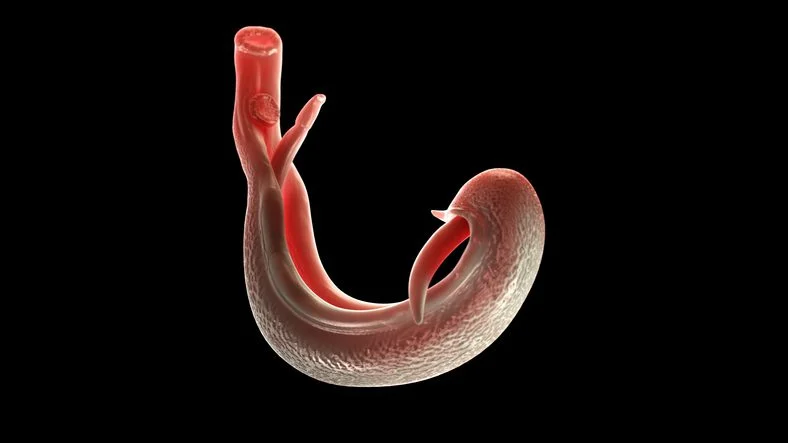
Schistosomiasis, a debilitating parasitic disease caused by Schistosoma blood flukes, remains one of the most significant public health challenges in the developing world. Often eclipsed in media coverage by more prominent global health threats like malaria or HIV, this "neglected" tropical disease continues to exert a staggering toll on human life. With an estimated 250 million people chronically infected and nearly 800 million at risk, the need for a preventive solution has never been more urgent.
However, a glimmer of hope has emerged from the laboratories of the Texas Tech University Health Sciences Center (TTUHSC). New research published in npj Vaccines details the successful Phase I and Ib clinical trial outcomes for SchistoShield® (Sm-p80 + GLA-SE), a vaccine candidate designed not only to treat existing infections but to provide long-term, adaptive immunity against the parasite.
The Global Burden of Schistosomiasis
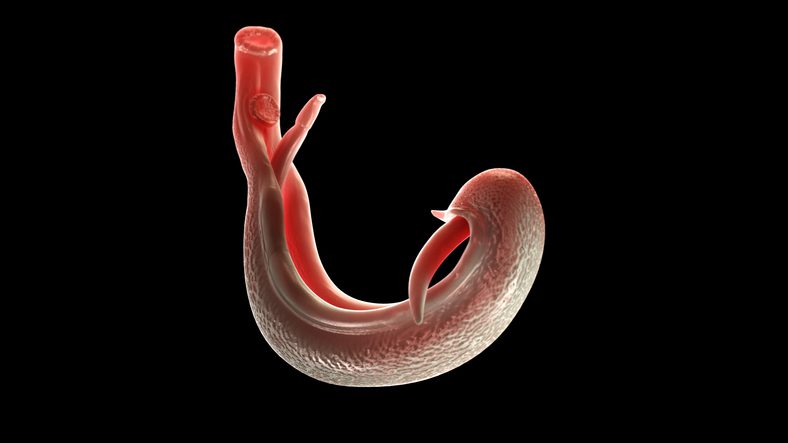
Schistosomiasis is a parasitic infection caused by trematode flatworms of the Schistosoma genus. The infection cycle is deceptively simple and dangerously pervasive: larval forms of the parasite, known as cercariae, are released by freshwater snails into bodies of water. Humans become infected through skin contact during routine activities such as bathing, washing clothes, or fishing in infested waters.
Once inside the human host, the larvae migrate through the bloodstream, maturing into adult worms that can live for years within the venous systems. The resulting disease, which affects approximately 80 countries, leads to chronic inflammation, organ damage, and, in severe cases, fatal complications. Currently, the medical community relies on a single drug, praziquantel, to treat infections. While effective at killing adult worms, praziquantel does nothing to prevent rapid re-infection, as individuals often return to the same contaminated water sources. This cycle of reinfection renders current treatment strategies insufficient for long-term eradication.
Chronology of a Decades-Long Scientific Pursuit
The development of SchistoShield® represents the culmination of a multi-decade research mission led by Afzal Siddiqui, PhD, director of the Center for Tropical Medicine and Infectious Diseases at the TTUHSC School of Medicine.
The Foundation (1990s–2010s)
Dr. Siddiqui began his work on schistosomiasis with a singular, humanitarian focus: to develop a vaccine that could bypass the limitations of existing chemotherapies. Unlike commercial ventures that prioritize profit margins, the TTUHSC team approached the project as a global health initiative. Through a combination of federal grants and support from international non-profit organizations, the research team identified the Sm-p80 antigen—a protein essential to the parasite’s survival—as the most viable target for a vaccine.
The Development of Sm-p80 + GLA-SE
The vaccine candidate, SchistoShield®, utilizes the Sm-p80 antigen paired with a powerful adjuvant, GLA-SE (Glucopyranosyl Lipid A in a Stable Emulsion). This combination is designed to stimulate a robust immune response, specifically targeting both the larval stages and the adult worms to prevent the progression of the disease.
Clinical Validation (2020s)
The trajectory of the vaccine moved from preclinical models to human trials in recent years. The Phase I trial, conducted in the United States, focused on assessing safety and initial immunogenicity. Following positive safety signals, the team launched a Phase Ib trial in Africa, where the disease is endemic. These intercontinental trials were designed to ensure that the vaccine’s efficacy held true across diverse genetic populations, a critical step for a tool intended for global distribution.
Supporting Data: Dissecting the Immune Response
The recent study published in npj Vaccines, titled "Schistosomiasis vaccine SchistoShield® induces functional immune memory responses in U.S. and African populations," provides the most comprehensive look yet at the vaccine’s biological impact.
Analyzing PBMC Samples
Researchers analyzed Peripheral Blood Mononuclear Cells (PBMCs) from volunteers in both the U.S. and Africa. By exposing these cells to the Sm-p80 antigen in a laboratory setting—a process known as "recall"—the researchers could measure the memory and effector functions of the immune system.
Key Immunological Findings
The data revealed a multi-faceted immune response, which is essential for long-term protection:
- Cytokine Production: Upon exposure to the Sm-p80 antigen, the T-cells produced a variety of critical cytokines, including IFN-γ, TNF-α, IL-17A, and IL-9. This indicates the activation of a diverse set of T-helper (CD4) cells and cytotoxic lymphocytes.
- Granzyme B Expression: The presence of granzyme B suggests the induction of a potent cytotoxic response, which is crucial for identifying and destroying cells housing the parasite.
- Humoral Immunity: Perhaps most importantly, the team identified Sm-p80 antigen-specific antibody-secreting plasmablasts in vaccinated volunteers. This confirms that the vaccine successfully primes the B-cell system to produce long-lived antibodies, the hallmark of lasting immunity.
"The vaccine induced robust cell-mediated effector and memory responses," noted Dr. Siddiqui. "The participants have the memory response, both B-cell and T-cell-based. It is doing exactly what it is supposed to do."
Official Perspectives: A Humanitarian Vision
The success of the Phase I/Ib trials is viewed by the administration at TTUHSC not merely as a scientific achievement, but as a moral imperative.
Lori Rice-Spearman, PhD, president of TTUHSC, emphasized the institutional commitment to global health equity. "Our purpose from the beginning has been to expand access to care," Rice-Spearman said. "Dr. Siddiqui’s work reflects that commitment through research that could help address a disease affecting millions of people around the world who have been historically left behind by the pharmaceutical industry."
Dr. Siddiqui himself remains humble, acknowledging that the path ahead is still arduous. While the initial trials have been successful, the small sample sizes—typically 50 to 100 participants—are only the first step. "Always remember that these trials are very small," Siddiqui cautioned. "Now it has to go to thousands of people. So that’s where we are moving into."
Implications for Global Health
The implications of a successful, scalable schistosomiasis vaccine are profound. If the efficacy demonstrated in the Phase I/Ib trials holds true in larger Phase II and III studies, it would fundamentally change the strategy for tropical disease control.
Breaking the Cycle of Poverty
Schistosomiasis is intimately linked to poverty. It prevents children from attending school, diminishes the productivity of the workforce, and causes chronic health issues that drain the resources of impoverished communities. By providing a preventative tool, SchistoShield® could help break the cycle of poverty in sub-Saharan Africa and other affected regions.
Shifting the Paradigm from Treatment to Prevention
Current reliance on praziquantel is a reactive approach; it treats the individual after the parasite has already established itself. A vaccine, by contrast, creates a biological barrier that prevents the parasite from thriving. This shift toward prophylaxis is essential for the eventual eradication of the disease, rather than its mere management.
The Power of Non-Profit Development
The model used by Dr. Siddiqui and his team—a humanitarian-driven development process—serves as a template for other neglected diseases. By leveraging academic research and public-private partnerships, they have managed to advance a project that might otherwise have been deemed "not profitable enough" by major pharmaceutical firms.
Looking Forward: The Path to Phase II
As the team prepares for larger-scale clinical trials, the scientific community will be watching closely. The data collected thus far provides a strong foundation, but the challenges of vaccine distribution in tropical environments, cold-chain logistics, and the complexities of human immune responses in populations with high co-morbidity rates (such as malaria or HIV) remain significant hurdles.
Nevertheless, the progress of SchistoShield® stands as a testament to the power of persistent, focused scientific inquiry. As the world continues to grapple with the inequities of global health, the work being done at TTUHSC offers a beacon of progress—a promise that, with the right resources and a clear humanitarian focus, the most neglected diseases can finally be brought to the forefront of the fight for human health.