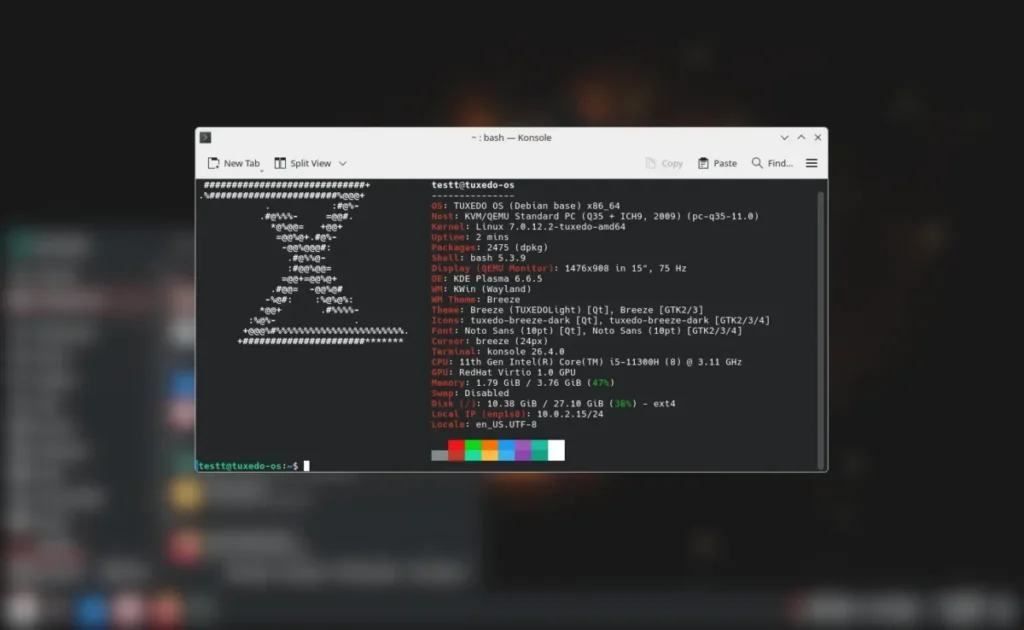
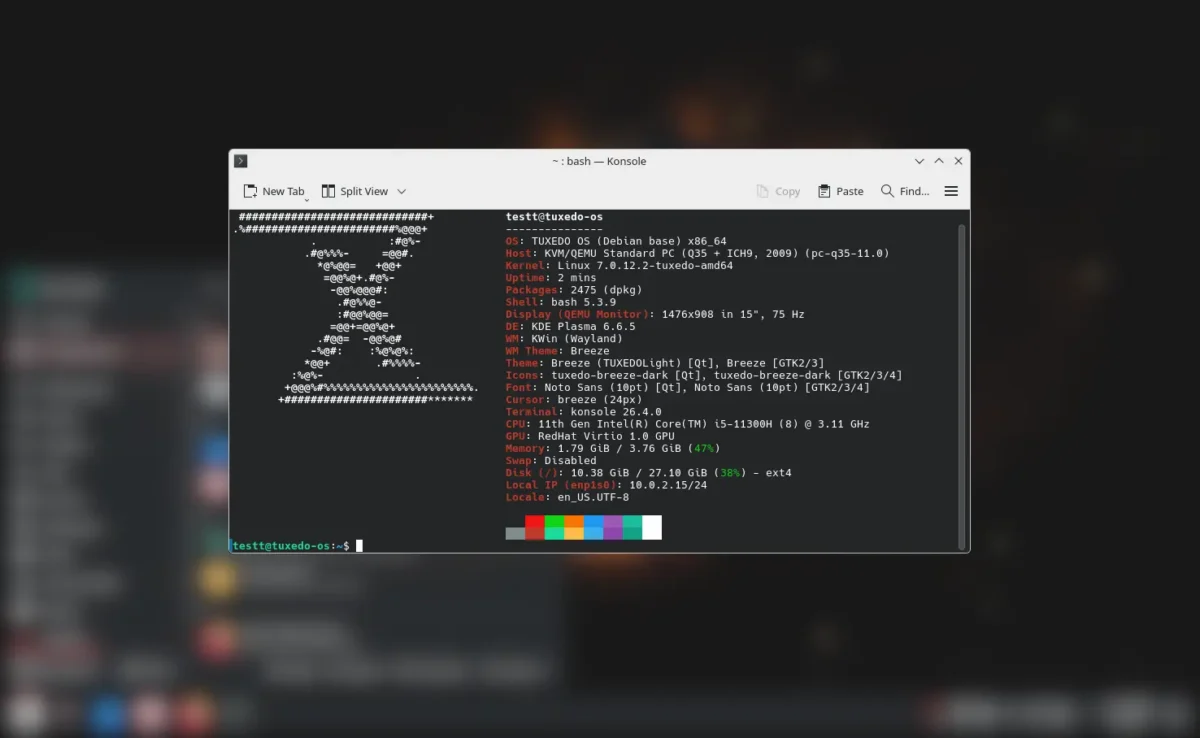
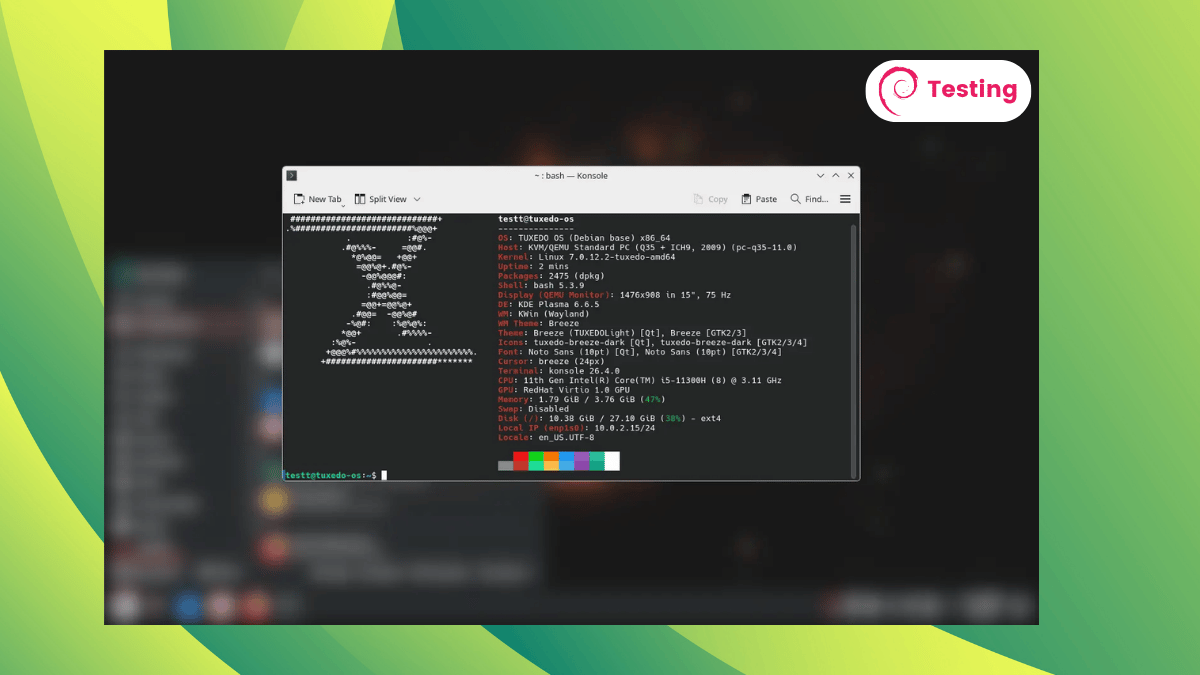
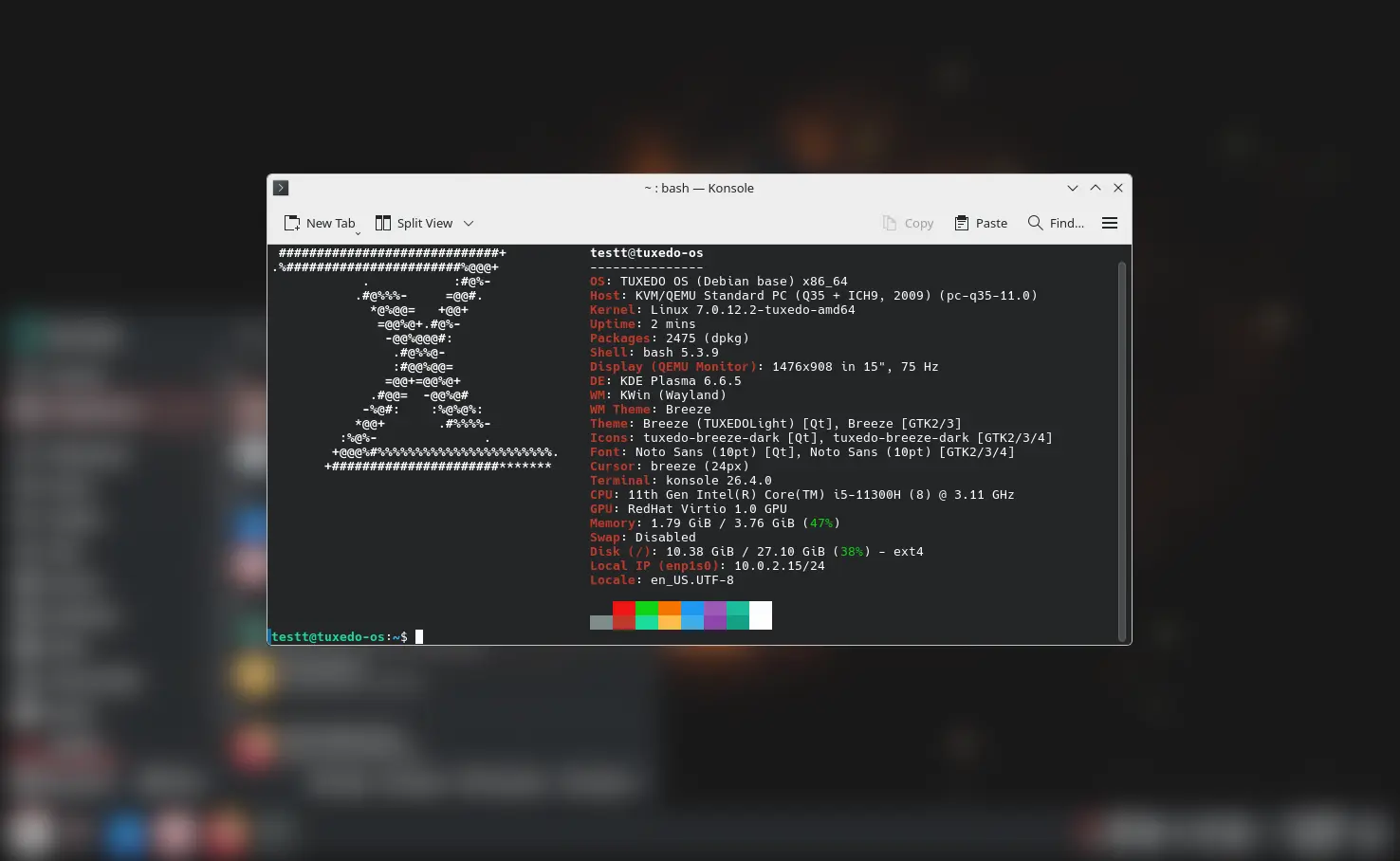
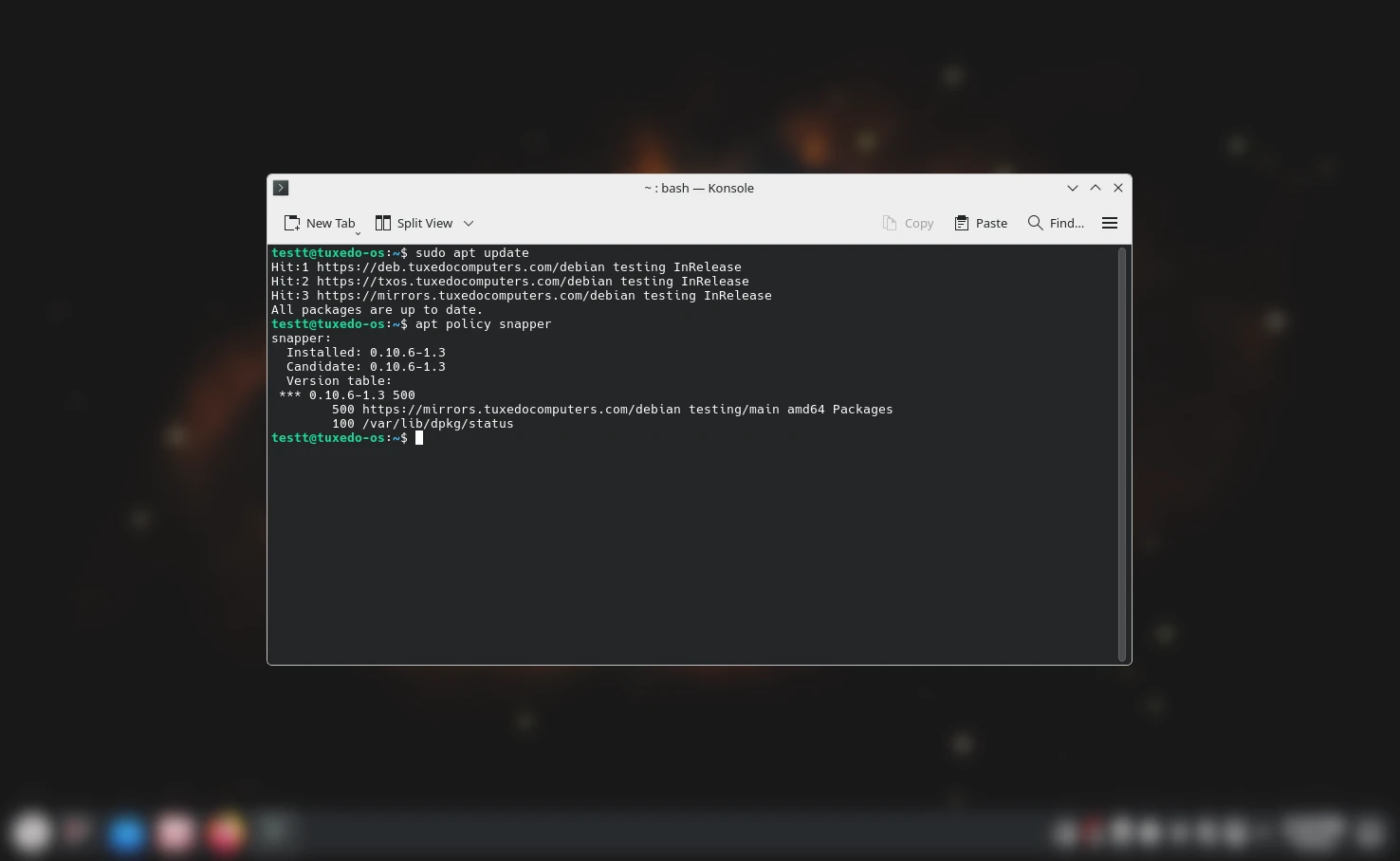
In a significant shift for the Linux ecosystem, TUXEDOComputers has officially announced that its proprietary operating system, TUXEDO OS, will abandon its long-standing Ubuntu base in favor of Debian Testing. This strategic rebase marks a fundamental change in the company’s software philosophy, moving toward a model they describe as "Continuous Debian."
While TUXEDO OS is primarily the default operating system pre-installed on TUXEDO’s high-performance hardware, the distribution remains open and accessible to the public, allowing users with third-party hardware to install it as a primary driver. The move away from Canonical’s Ubuntu ecosystem is not merely a technical adjustment; it represents a deepening commitment to digital sovereignty and a direct response to the evolving challenges of maintaining a user-friendly, high-performance Linux distribution in an increasingly restrictive software landscape.
The Core Facts: Why the Shift?
The decision to migrate from Ubuntu to Debian Testing was driven by a combination of technical debt and philosophical misalignment. For years, TUXEDO OS relied on Ubuntu LTS (Long Term Support) releases as its bedrock. However, as the ecosystem matured, this reliance became a bottleneck for development.
Technical Challenges with Ubuntu
The primary technical grievance centers on the aging nature of LTS bases. As Ubuntu cycles progress, backporting modern software becomes exponentially difficult. TUXEDO developers reported that newer dependencies were frequently missing or stuck in legacy versions, complicating the maintenance of up-to-date software. This was particularly problematic for the KDE Plasma environment, which relies heavily on the Qt framework; frequent library updates in newer software often triggered stability issues when integrated into the older Ubuntu framework.
The Snap Controversy
A recurring point of friction was Canonical’s aggressive push toward the Snap package format. TUXEDO has expressed concerns regarding the increasing prevalence of Snap-only software within the Ubuntu ecosystem, which limits the flexibility of their distribution. By migrating to Debian, TUXEDO effectively removes these mandatory dependencies, granting them greater autonomy over the packages and delivery methods provided to their users.
Security and AI Integration
Beyond package management, the company highlighted concerns regarding the transparency of Ubuntu’s roadmap, specifically regarding the recent integration of AI-driven features. Furthermore, the speed of critical security updates has become a point of contention, leading TUXEDO to seek a foundation that allows for more direct, reliable, and transparent management of their kernel and system security.
Chronology of the Transition
The decision did not happen overnight. The path to this announcement was paved by years of managing the trade-offs inherent in the Ubuntu model.
Pre-2026: TUXEDO OS functions as a polished, Ubuntu-based distribution tailored for TUXEDO hardware, featuring heavy optimizations for power management and KDE Plasma integration.
Early 2026: Developers encounter increasing friction as core libraries, particularly those required for modern gaming and productivity software, struggle to coexist with the aging Ubuntu LTS libraries.
Mid-2026: Internal testing begins on a Debian-based prototype. The engineering team realizes that the "Continuous Debian" approach—utilizing the Testing branch—provides the stability of a mature OS with the freshness of a rolling-release cycle.
August 2026: TUXEDO Computers prepares to formally showcase the new direction at FrOSCon, providing the community with a roadmap for the transition.
Late 2026/Early 2027 (Anticipated): An extensive public beta testing phase will begin, allowing the user base to stress-test the new Debian-based architecture before the final, stable release.
Supporting Data: The "Continuous Debian" Approach
The "Continuous Debian" model is the cornerstone of this rebase. By basing the distribution on Debian Testing, TUXEDO ensures that their users receive a steady stream of package updates that have already passed rigorous quality control.
The Role of Debian Unstable
New packages flow into Debian Testing from Debian Unstable, but they do so with a critical gatekeeper: reproducibility. Since May 2026, Debian has made "reproducible builds" mandatory. This means that if a package is built from source twice, it must result in the exact same binary. This provides a massive security and integrity boost, as it eliminates the possibility of malicious tampering during the build process.
The Btrfs and Snapper Integration
The rebase is accompanied by a major architectural upgrade: the transition to the Btrfs file system as the default. This is a move toward modern, resilient storage management. Paired with Snapper, a tool used to manage file system snapshots, TUXEDO OS will now automatically create a "restore point" before every system update. If an update causes a conflict or breakage, users can roll back their entire system state to a working configuration in seconds. This is a battle-tested approach—famously championed by openSUSE—and its adoption here signals TUXEDO’s intent to provide a "bulletproof" user experience.
Official Responses and Strategic Vision
TUXEDO Computers has framed this move as a necessary step toward "digital sovereignty." In their official statement, the company noted:
"By moving to Debian, TUXEDO OS gains substantially more independence while reducing the effort required to maintain up-to-date software. The result is a robust operating system with a clear focus on digital sovereignty—for both TUXEDO customers and users running TUXEDO OS on third-party hardware."
This statement highlights the shift from a "derivative" model to a "sovereign" model. By owning their infrastructure and relying on the upstream Debian repositories, TUXEDO reduces its reliance on Canonical’s corporate strategy, ensuring that their software roadmap remains aligned with their customers’ needs rather than the requirements of a third-party vendor.
The Implications for Users and the Ecosystem
For the current user base, this migration carries significant weight. It is important to note that there is no direct, "in-place" upgrade path from the existing Ubuntu-based TUXEDO OS to the new Debian-based iteration.
For Existing Users
Users will need to perform a clean install of the new version once it reaches stability. Recognizing the inconvenience this poses, TUXEDO has promised to release a comprehensive migration guide to assist users in backing up data and transitioning their workflows. For those who prefer to remain on an Ubuntu-based environment, the company has pledged to provide a clear path to transition to Kubuntu 26.04 LTS, ensuring that no user is left without a supported platform.
For the Linux Ecosystem
The migration of a significant hardware vendor like TUXEDO from Ubuntu to Debian is a trend that could influence other manufacturers. If TUXEDO successfully demonstrates that a Debian-based, proprietary-optimized OS is easier to maintain and more reliable, other boutique PC manufacturers might follow suit. This could lead to a minor shift in market share within the Linux desktop space, moving users away from the corporate-driven Ubuntu toward the community-governed, democratic structure of Debian.
Gaming and Enterprise Use Cases
TUXEDO has indicated that the new base will place a higher emphasis on gaming and enterprise requirements. While specific details remain under wraps until the FrOSCon presentation, the industry expects a more flexible kernel strategy—likely mirroring Fedora or Ubuntu’s habit of shipping newer kernels to ensure hardware compatibility—to be a key feature. This is vital for gamers, who often require the latest drivers for GPUs and peripheral support.
Looking Ahead: The Future of TUXEDO OS
As the company enters this transition period, the community is watching closely. The visual overhaul mentioned by the team, while still in the design phase, suggests that the new TUXEDO OS will not only be technically superior under the hood but will also receive a fresh aesthetic identity.
The decision to move to Debian Testing is a bold gamble. It requires a high level of engineering expertise to manage a stable OS on a rolling-release foundation. However, for a company that prides itself on building hardware for Linux power users, this level of control is exactly what their customer base expects. By shedding the limitations of a rigid LTS base and the encroachment of unwanted packaging formats, TUXEDO is positioning itself as a leader in the movement toward independent, high-performance desktop Linux.
Whether this move will pay off depends on the stability of the upcoming beta builds and the company’s ability to manage the influx of feedback from their technical community. For now, one thing is certain: TUXEDO OS is no longer just another Ubuntu derivative. It is evolving into a unique, sovereign entity, and its next chapter will undoubtedly shape the future of Linux hardware integration for years to come.