Advancing American Biomanufacturing: Fujifilm’s Holly Springs Site Joins FDA’s Elite PreCheck Pilot Program
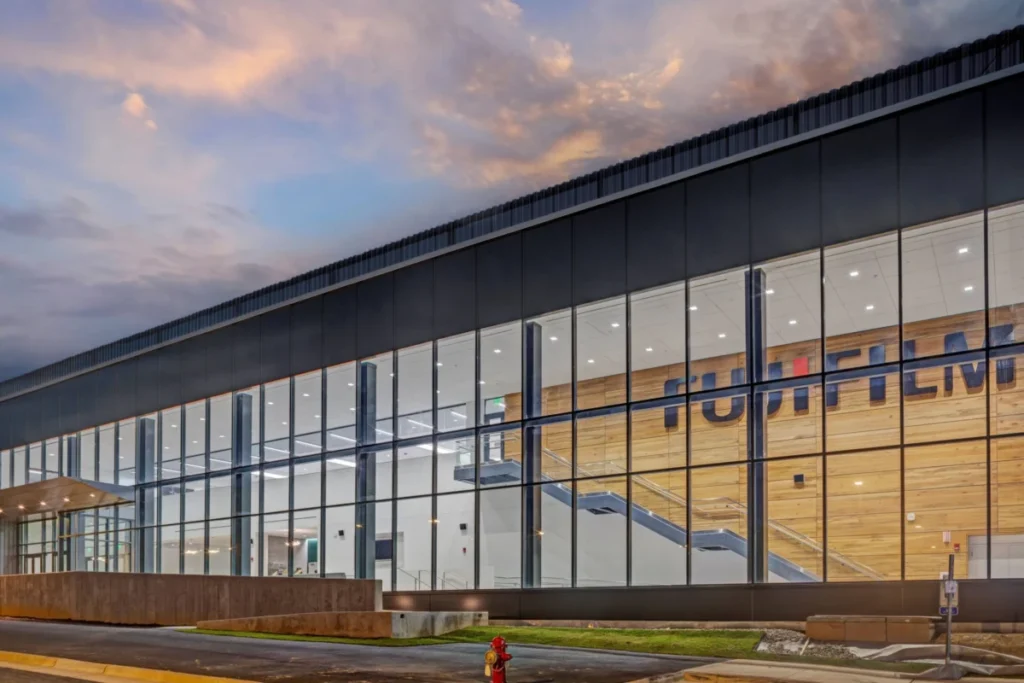
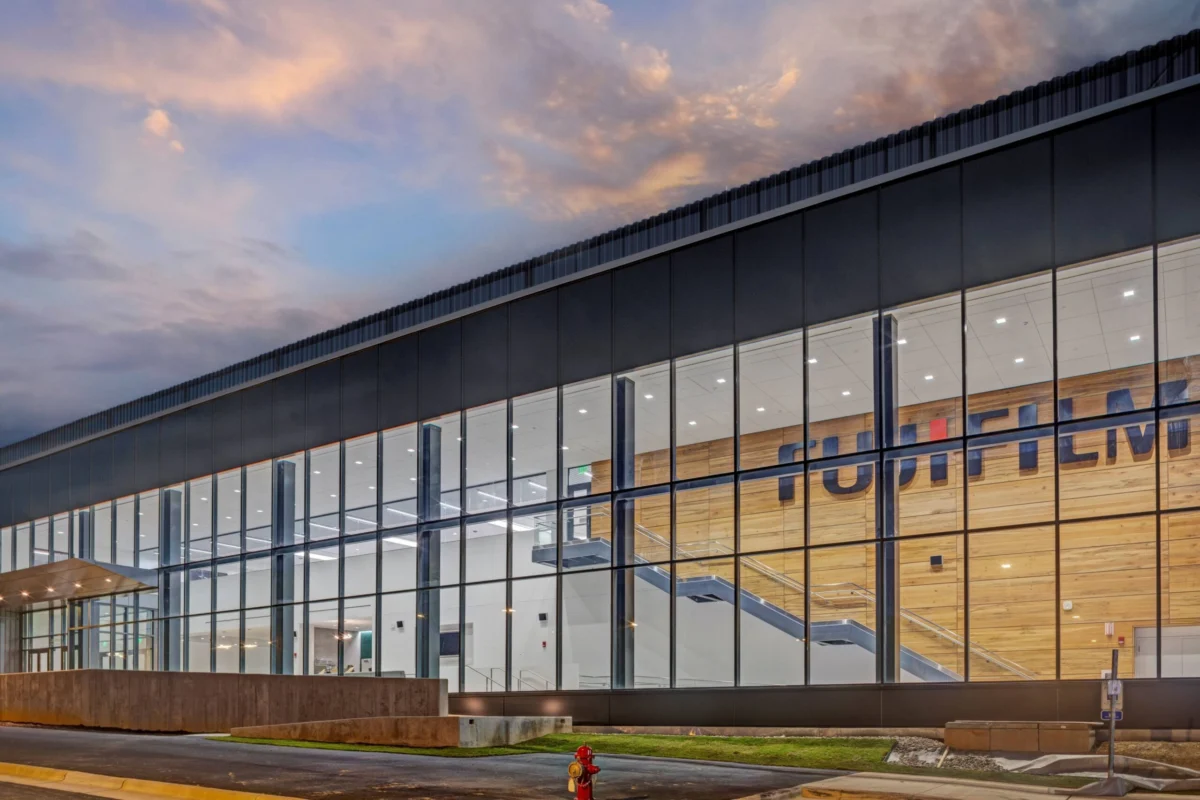
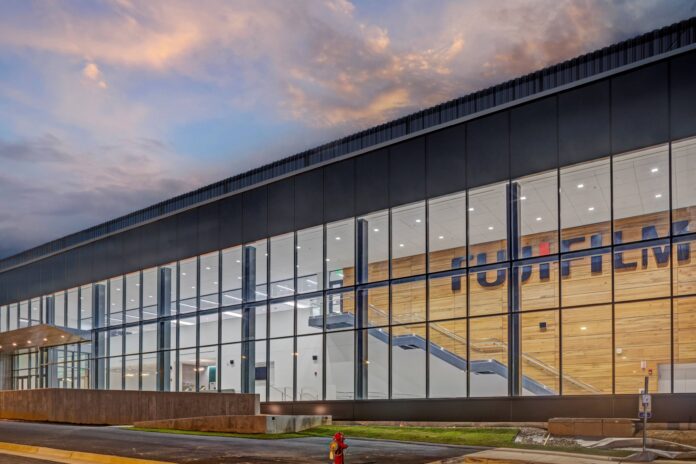
In a significant move toward fortifying the United States’ pharmaceutical supply chain, Fujifilm Biotechnologies has announced that its state-of-the-art commercial-scale cell culture manufacturing facility in Holly Springs, North Carolina, has been selected for the U.S. Food and Drug Administration’s (FDA) prestigious PreCheck Pilot Program.
This initiative represents a pivotal shift in how the FDA engages with industry leaders. By participating in this program, Fujifilm joins a select group of seven organizations—including industry heavyweights such as Eli Lilly, Regeneron, Amneal Pharmaceutical, Cellares, Kriya Therapeutics, and Kyowa Kirin—tasked with co-developing strategies to streamline drug manufacturing readiness and regulatory oversight.
The Core Mission of the PreCheck Pilot
The FDA’s PreCheck Pilot Program is a strategic endeavor aimed at modernizing the regulatory interface between the agency and pharmaceutical manufacturers. At its heart, the program is designed to minimize the uncertainty often associated with the transition from clinical-stage manufacturing to commercial-scale production.
By facilitating earlier, more transparent interactions between the agency and manufacturers, the FDA aims to create a more efficient regulatory review process. The program focuses on three critical pillars:
- Manufacturing Readiness: Ensuring that sites are technically and operationally prepared to scale complex biologics without interruption.
- Regulatory Predictability: Creating clearer pathways for compliance, thereby reducing the "lag time" between a facility’s readiness and its official approval for commercial production.
- Expedited Facility Inspections: Streamlining the inspectional process to ensure that life-saving medicines reach patients without bureaucratic bottlenecks.
For Fujifilm, which serves a prestigious roster of clients including argenx, Johnson & Johnson, and Regeneron, this partnership is not merely a bureaucratic milestone; it is an endorsement of the company’s commitment to quality and technical excellence.
Chronology of an Industry Powerhouse
The inclusion of the Holly Springs facility in the PreCheck program is the latest chapter in a multi-billion-dollar investment story that has reshaped the landscape of North Carolina’s Research Triangle.
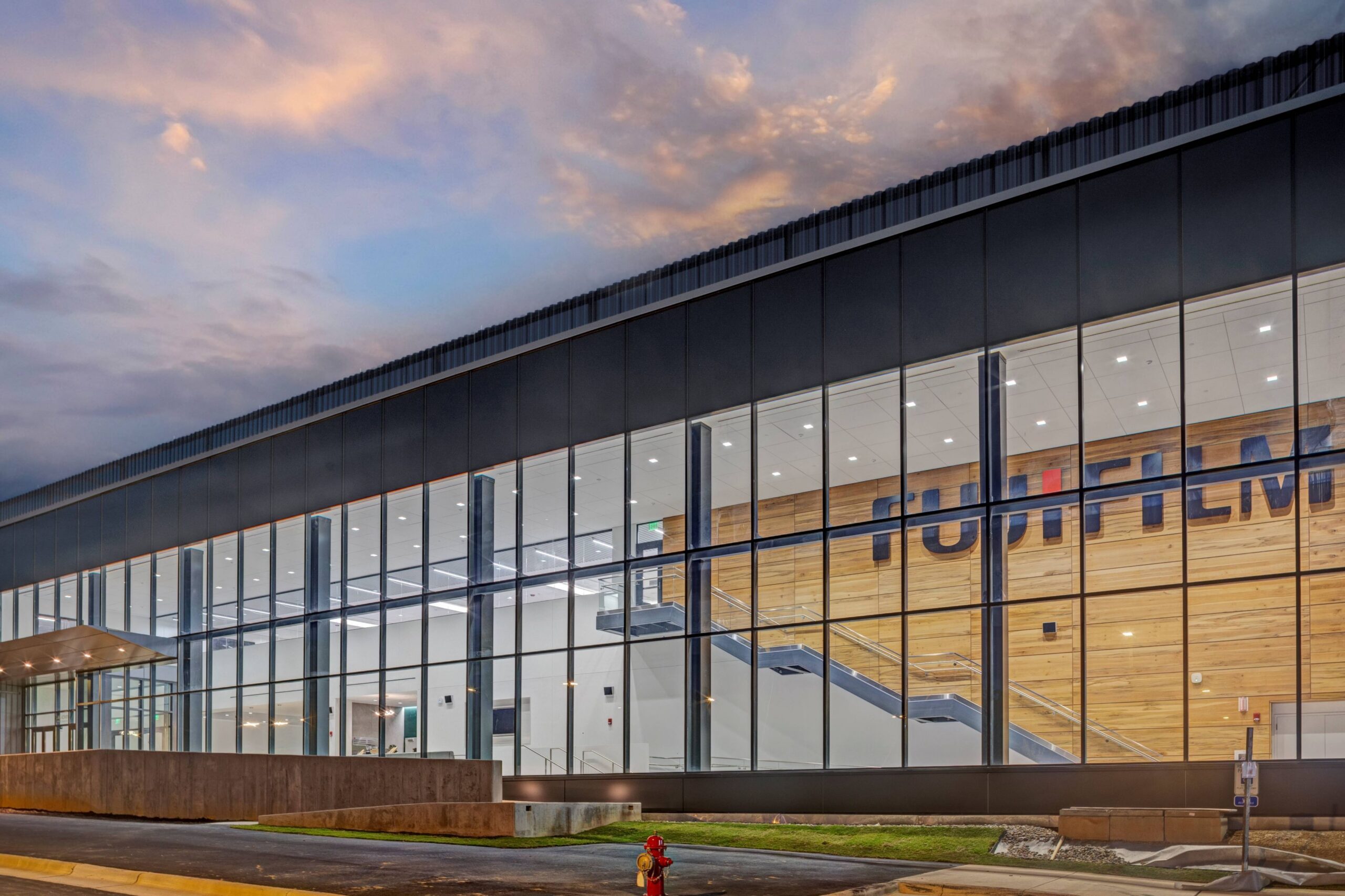
- Initial Investment (2021): Fujifilm announced its commitment to build a $2 billion facility in Holly Springs, marking one of the largest biomanufacturing investments in North American history at the time.
- Construction and Scaling (2022–2024): The site was meticulously developed to become a massive end-to-end cell culture manufacturing hub, integrating advanced digital capabilities and sustainable engineering.
- Operational Launch (2025): The facility began active operations, utilizing its initial capacity of 8 x 20,000 L mammalian cell culture bioreactors.
- Current Status (2026): The site has successfully scaled its workforce to over 800 employees and has officially been named a participant in the FDA’s PreCheck Pilot Program.
- Future Milestones (2027 and beyond): Fujifilm has announced an aggressive acceleration of its expansion plans, now targeting late fiscal year 2027 to bring additional capacity online. The roadmap also includes the integration of a dedicated drug product line and finished goods capabilities.
Technical Prowess: The kojoX™ Operating System
A key factor in Fujifilm’s selection for the pilot program is its adoption of the proprietary kojoX™ operating system. In an era where biopharmaceutical manufacturing must be both rapid and flexible, the ability to replicate processes across global sites is a competitive necessity.
The kojoX™ system functions as a digital and operational "connective tissue." It harmonizes equipment, data systems, and standard operating procedures (SOPs) across Fujifilm’s global manufacturing network. By ensuring that a process developed in one facility can be seamlessly transferred to another, Fujifilm offers its customers a level of consistency that is vital for products like monoclonal antibodies (mAbs). This standardization is precisely the kind of operational maturity the FDA is looking for in its pilot program participants.
Official Perspectives: Commitment to the Patient
The leadership at Fujifilm has emphasized that the primary driver for this collaboration is the end patient. By reducing the time it takes for a therapy to move from the bioreactor to the pharmacy shelf, the company is effectively shortening the timeline for patient access to life-changing medicine.
“We are honored that our Holly Springs site has been selected to participate in the FDA’s PreCheck Pilot Program,” said Lars Petersen, president and CEO of Fujifilm Biotechnologies. “We’re committed to helping our customers bring life-changing therapies to patients faster, and participation in this initiative will help support greater access to critical medicines in the U.S.”
Echoing this sentiment, Laurie Braxton, senior vice president and site head at Holly Springs, noted that the current regulatory landscape requires a more dynamic approach. “As our customers continue advancing innovative biologic therapies, manufacturing readiness and regulatory predictability are increasingly important,” Braxton stated. “Our participation in the program reinforces our commitment to providing customers with high-quality manufacturing capabilities.”
Economic and Strategic Implications
The impact of the Holly Springs facility extends far beyond the regulatory sphere; it is a vital engine of the North Carolina economy. With a current headcount exceeding 800 and a goal of 1,400 employees by 2031, Fujifilm is playing a central role in establishing the region as a global epicenter for biotechnology.
Furthermore, the decision to accelerate the facility’s expansion by six months in response to surging U.S. demand highlights the strategic importance of domestic manufacturing. As global supply chains face ongoing pressures, having large-scale, "end-to-end" manufacturing capacity—where a biologic can be cultivated, purified, filled, and finished in one location—provides a level of resilience that is critical to national health security.
Looking Toward the Future
The expansion plans for the Holly Springs site are ambitious. The current project involves the installation of an additional 8 x 20,000 L bioreactors, which will effectively double the site’s drug substance capacity. When combined with the upcoming drug product and finished goods lines, the site will transition into a fully integrated, "one-stop" hub for biopharma clients.
As the FDA evaluates the successes of the PreCheck Pilot Program, the data gathered from participants like Fujifilm will likely inform the future of American manufacturing regulation. The move suggests a transition from a reactive, inspection-heavy model to a collaborative, partnership-based model of oversight.
For the patients waiting for the next generation of cancer treatments, autoimmune therapies, and rare disease solutions, this partnership represents a quiet but profound victory. By minimizing the "uncertainty" in manufacturing, the FDA and Fujifilm are building a more robust, predictable, and efficient path to the clinic, ensuring that when science discovers a cure, industry is ready to deliver it.
Data Summary: The Holly Springs Facility at a Glance
- Total Investment: $3.2 billion
- Current Bioreactor Capacity: 8 x 20,000 L (Mammalian)
- Future Bioreactor Capacity: 16 x 20,000 L (upon expansion completion)
- Current Workforce: 800+ employees
- Target Workforce (2031): 1,400+ employees
- Core Services: Monoclonal antibodies (mAbs) production, drug substance, and future drug product/finished goods capabilities.
- Strategic Focus: End-to-end integration via the kojoX™ platform.
As the biopharmaceutical industry continues to evolve, the partnership between the FDA and private manufacturing giants like Fujifilm will serve as a bellwether for the future of medicine. Through this pilot, the hope is to create a blueprint for a more resilient, reliable, and rapid supply chain, ultimately transforming the way we manufacture and deliver the medicine of tomorrow.