Amazon’s Project Kuiper Reaches Critical Milestone: The Path to Global Broadband Connectivity
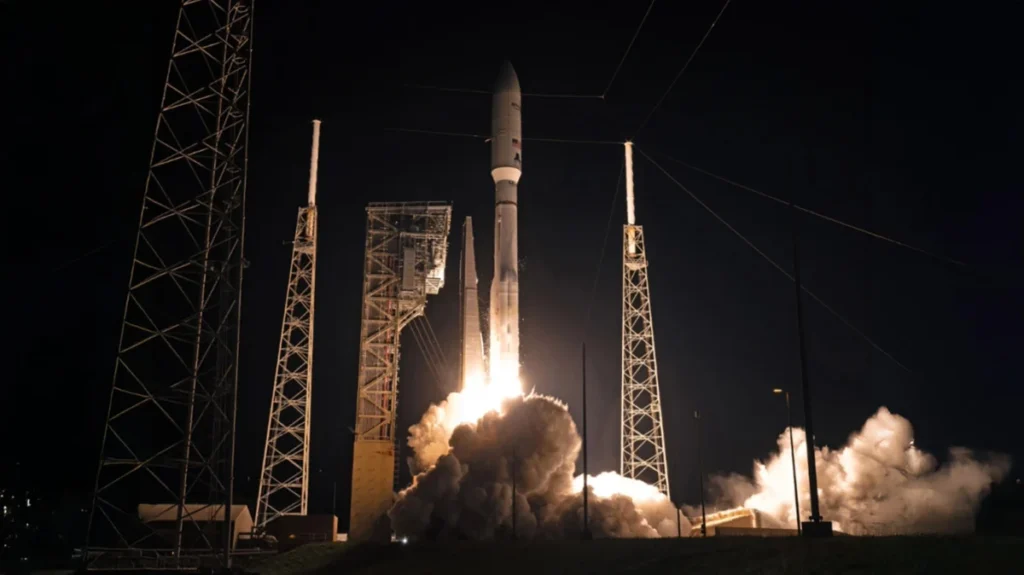
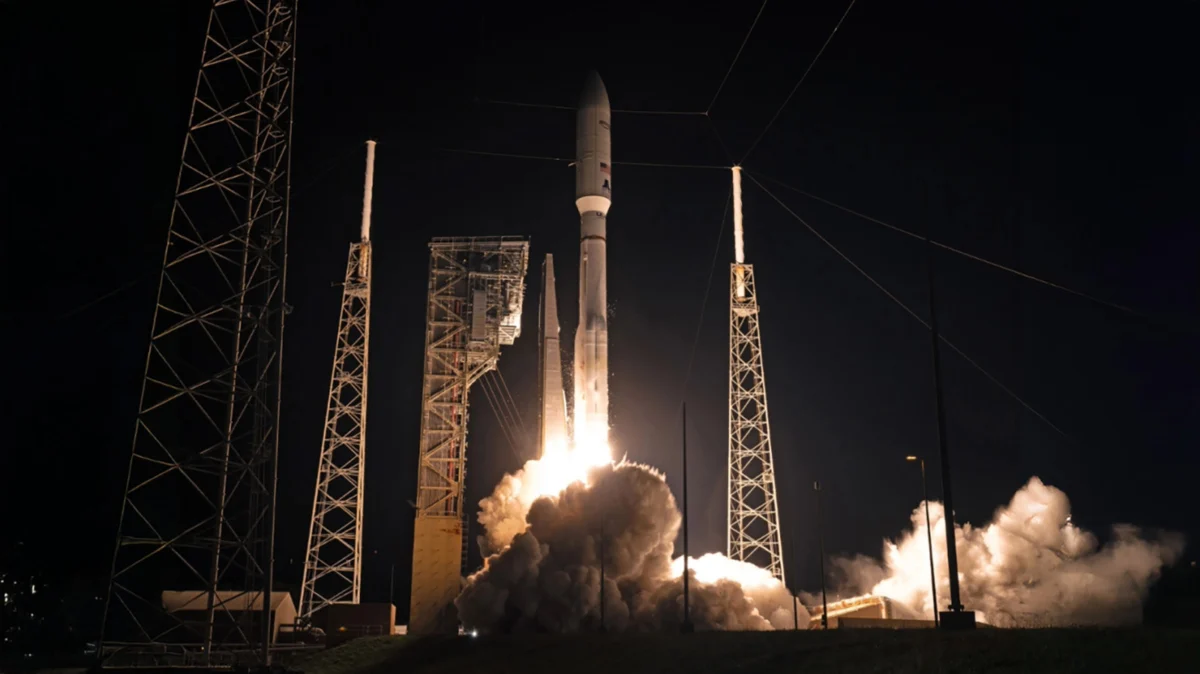
In the high-stakes arena of low-Earth orbit (LEO) satellite internet, Amazon has officially moved from the testing phase to the threshold of commercial reality. Following a successful United Launch Alliance (ULA) Atlas V mission that took place in the early hours of July 2, 2026, the tech giant has confirmed it now possesses the necessary satellite constellation density to support continuous broadband service across its initial target latitudes. This milestone marks a pivotal turning point for Project Kuiper, Amazon’s ambitious initiative to challenge the current hegemony of satellite-based internet providers.
The Mission: A Final Salute to the Atlas V
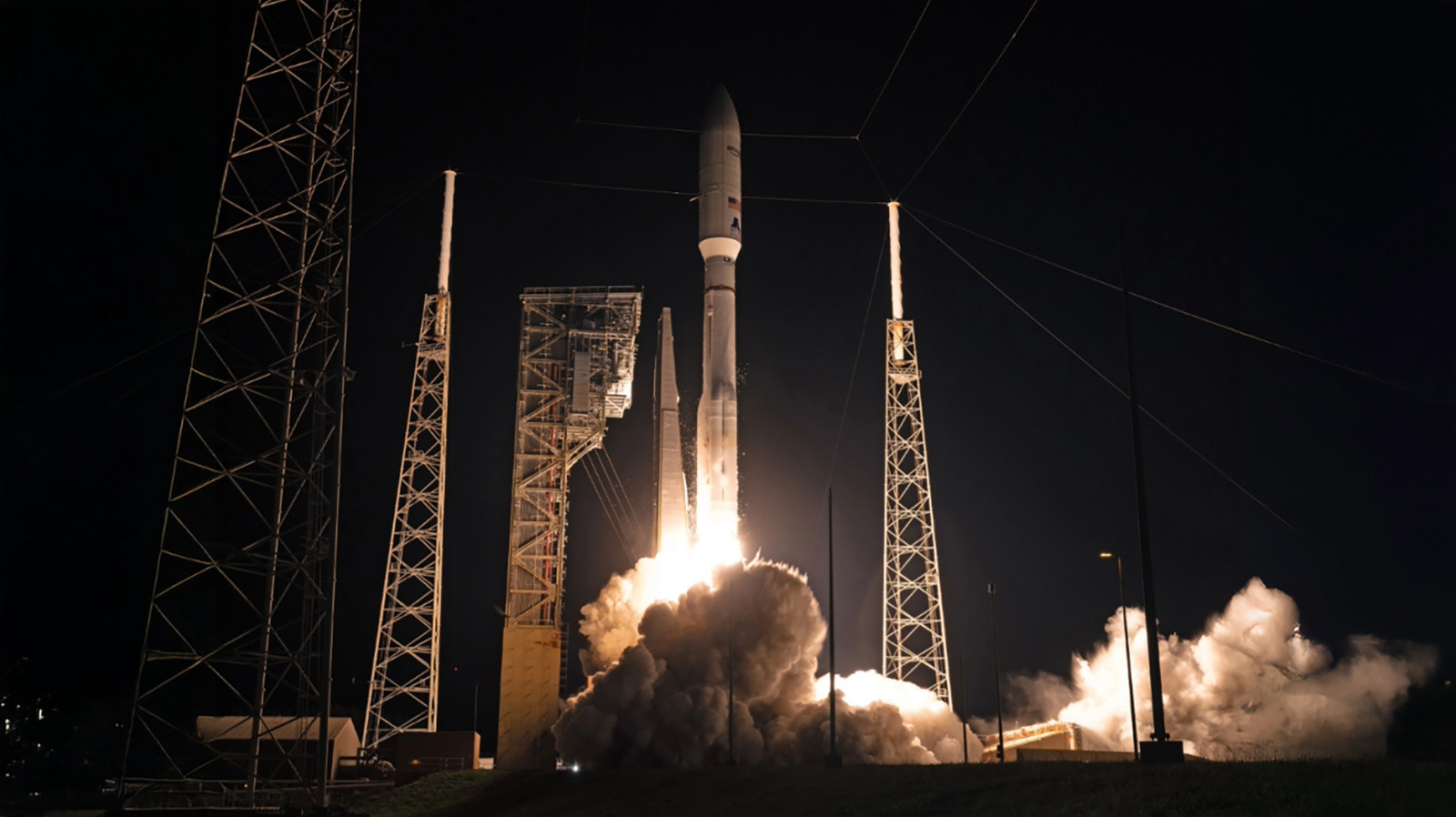
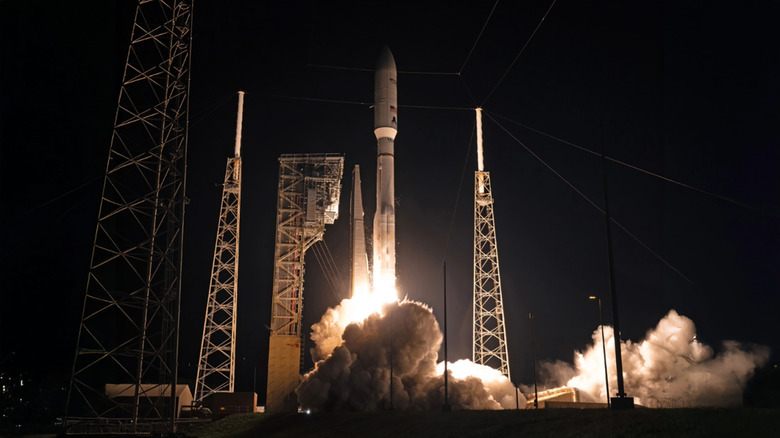
The recent launch from Cape Canaveral Space Force Station in Florida was more than just another delivery; it was a symbolic changing of the guard. The Atlas V rocket successfully deployed 29 additional Amazon LEO satellites, bringing the total number of operational units in orbit to over 390.
According to Amazon, all 29 satellites have established two-way communication with ground control, confirming that their power systems and communication arrays are fully functional. The current phase involves the slow, precise process of maneuvering these satellites from their deployment orbit to their final operational altitude of 392 miles (630 kilometers). Once this final orbital parking is complete, the network will be ready to begin the long-awaited rollout to early enterprise and residential customers.
Notably, this mission represents the swan song for the Atlas V in the service of Project Kuiper. After deploying 224 of Amazon’s satellites across multiple missions, the Atlas V is being retired from this specific program to make way for a more capable, heavy-lift successor: the ULA Vulcan Centaur.
A Chronology of Ambition
The road to this milestone has been paved with years of rigorous engineering, regulatory navigation, and strategic partnerships.
- 2019: Amazon formally announces Project Kuiper, a multi-billion dollar initiative designed to provide high-speed, low-latency broadband to underserved and unserved communities globally.
- 2020-2022: The company secures massive launch contracts with industry heavyweights, including ULA, Arianespace, and Blue Origin, ensuring a multi-vehicle launch strategy that minimizes dependency on any single provider.
- 2023: Amazon successfully launches two prototype satellites, KuiperSat-1 and KuiperSat-2, proving the fundamental architecture of their broadband system.
- 2024-2025: A rapid series of production-scale launches commences, utilizing the ULA Atlas V as the primary workhorse to build the initial constellation.
- July 2, 2026: The milestone "390+ satellites" mark is reached, providing the required orbital density for "continuous service across initial latitudes."
The Technological Shift: From Atlas to Vulcan and New Glenn
As Amazon shifts its strategy, the focus turns toward scaling. The ULA Vulcan vehicle is expected to become the backbone of the next phase of deployment. Unlike the Atlas V, the Vulcan is designed for higher frequency and greater payload capacity, capable of carrying over 40 satellites per mission. This increased cadence is essential for Amazon to achieve its goal of a global, high-capacity network.
Simultaneously, the company is looking toward Blue Origin’s New Glenn rocket. While the project suffered a setback in May 2026 when a launchpad explosion occurred during a hotfire test, recovery efforts have been swift. The construction of a new, reinforced launch infrastructure is currently underway, with Amazon and Blue Origin officials expressing confidence that New Glenn will be operational by the end of 2026. With the ability to carry more than 48 satellites per launch, New Glenn is arguably the most critical component in Amazon’s long-term plan to match the scale of its competitors.
Official Perspectives: The Road Ahead
Chris Weber, Vice President of Amazon’s LEO satellite program, emphasized that while the current milestone is a cause for celebration, it is merely the beginning of a grueling operational ramp-up.
"Last few launches were big for Amazon LEO—bringing us to 390+ satellites deployed, enough to support continuous service across initial latitudes," Weber noted in a statement. "There is still lots of work ahead—including raising all these new satellites to their assigned altitude—but we’ve completed enough to begin our path forward."
Melissa Wuerl, Director of Launch Systems at Amazon, echoed this sentiment, highlighting the company’s infrastructure readiness. "With hundreds of flight-ready satellites standing by at the Cape and a new, dedicated vertical integration facility ready to support Vulcan missions, we have a clear path to increase launch and deployment cadence. This allows us to quickly expand network coverage following an initial service rollout later this year."
Competitive Landscape: The Goliath in the Room
While 390 satellites represent a significant engineering achievement, industry analysts are quick to point out the massive disparity between Amazon’s current fleet and the market leader. SpaceX’s Starlink currently operates a constellation exceeding 10,000 satellites.
For Amazon, the challenge is not just about catching up to the sheer number of satellites in the sky; it is about building a sustainable and profitable business model that can leverage the company’s vast logistics and cloud computing (AWS) ecosystem. Unlike SpaceX, which began with a "service first, refine later" approach, Amazon has focused on heavy investment in production facilities and vertical integration to ensure that when the service goes live, it is capable of handling enterprise-grade demands immediately.
Implications for the Global Market
The activation of the Kuiper network carries profound implications for global telecommunications:
- Closing the Digital Divide: Amazon’s primary stated goal is to provide connectivity to the "unconnected." By utilizing a constellation at 392 miles, the latency (the time it takes for data to travel to space and back) is significantly lower than traditional geostationary satellites, making it viable for real-time applications like video conferencing, gaming, and remote surgery.
- Economic Disruption: The entry of a major player like Amazon is expected to exert downward pressure on satellite internet pricing. As competition intensifies, the cost of hardware (the user terminals) and monthly service fees are likely to drop, making the technology more accessible to individual households in rural regions.
- Industrial IoT and AWS Integration: Perhaps the most significant advantage for Amazon is the potential for seamless integration with Amazon Web Services. Enterprises will eventually be able to use Kuiper to connect remote industrial sites—such as oil rigs, mines, or shipping fleets—directly to their cloud infrastructure, bypassing traditional terrestrial backhaul entirely.
Conclusion: A New Era of Connectivity
As the 29 newly launched satellites continue their ascent to their operational altitude, the industry is watching closely. Amazon has successfully moved from the theoretical, through the prototype stage, and into a phase of genuine infrastructure maturity.
The remainder of 2026 will be defined by the successful integration of the Vulcan and New Glenn launch platforms and the official consumer rollout of the service. While the gap between Kuiper and its competitors remains wide, the foundation is now firmly in place. For millions of people living in the "dead zones" of the world, the promise of high-speed, reliable satellite internet has never been closer to reality. The space race of the 21st century is no longer just about exploration; it is about building the digital nervous system of the future.