Sony Signals End of an Era: PlayStation to Halt Physical Game Disc Production by 2028
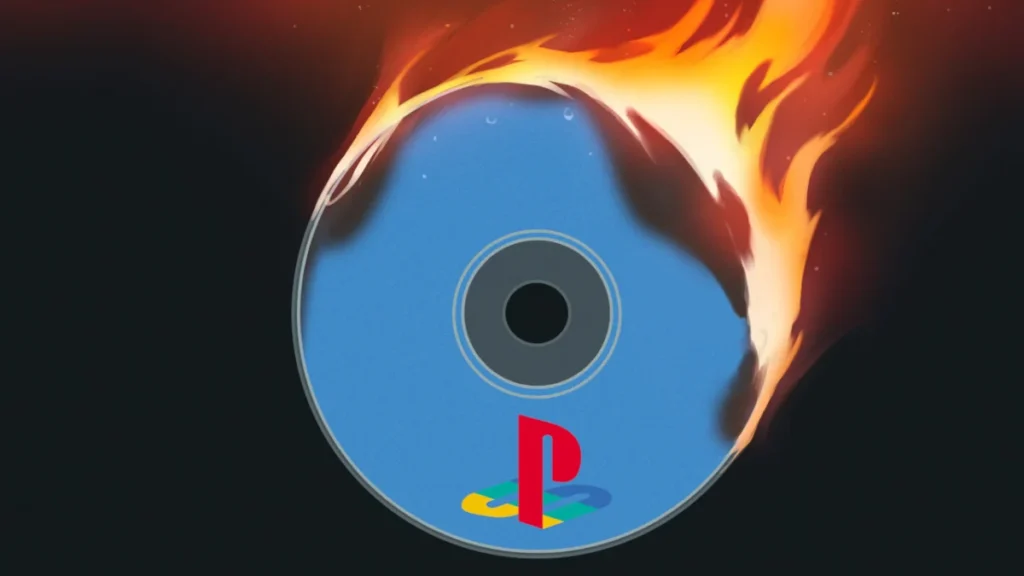
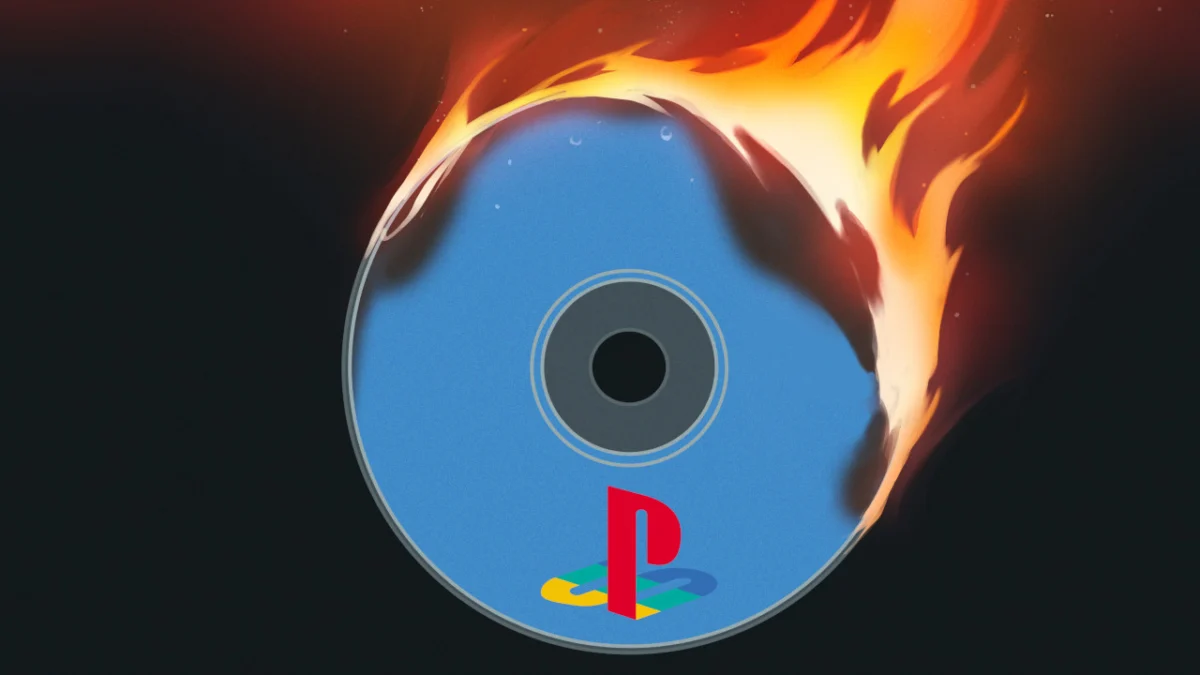
TOKYO, Japan – In a seismic shift that reverberates across the global gaming industry and among its vast player base, Sony Interactive Entertainment (SIE) has officially announced its intention to cease the production of physical game discs for new titles releasing on PlayStation consoles, effective January 2028. The monumental decision, revealed on the official PlayStation blog on July 1, 2026, unequivocally signals Sony’s full commitment to a digital-first future, fundamentally reshaping how players will acquire and interact with their games.
This move marks a definitive pivot away from physical media towards an ecosystem entirely reliant on content downloads from the PlayStation online store. While not explicitly stated in the initial announcement, industry analysts and enthusiasts widely interpret this development as a strong indicator that the forthcoming PlayStation 6 console, whenever it arrives, will forego an optical disc drive altogether. This aligns with long-standing speculation that has shadowed the console’s anticipated release, and indeed, the broader trajectory of the entertainment technology sector.
The news, while perhaps inevitable given prevailing market trends, has nevertheless been met with a mix of resignation and disappointment within certain segments of the gaming community. For decades, physical game discs have been a tangible representation of game ownership, a cherished item for collectors, and a cornerstone of retail ecosystems. Sony’s decision not only closes a chapter on this legacy but also raises profound questions about game ownership, digital rights management (DRM), and the future of consumer choice in the digital age.
Chronology: The Gradual Sunset of Physical Media
Sony’s announcement is not an isolated event but rather the culmination of a multi-decade evolution in how video games are distributed and consumed. The trajectory towards an all-digital future has been long and incremental, marked by technological advancements, shifts in consumer behavior, and strategic decisions by platform holders.
A History of Digital Evolution
The seeds of digital distribution were sown decades ago, primarily within the PC gaming landscape. Services like Valve’s Steam, launched in 2003, revolutionized PC game sales by offering digital downloads, automatic updates, and a centralized library. Its undeniable success demonstrated the viability and convenience of digital storefronts.
Console manufacturers, initially more reliant on retail partnerships, began to cautiously embrace digital distribution in the mid-2000s. Xbox Live Arcade, introduced in 2005, and the PlayStation Store, launched in 2006, started as platforms for smaller, downloadable titles, often indie games or classic re-releases. Over time, their offerings expanded to include full-fledged AAA titles, digital versions of physical releases, and eventually, day-and-date digital launches alongside their disc counterparts.
A significant turning point arrived with the current generation of consoles. Microsoft, with the Xbox One S All-Digital Edition in 2019, and Sony, with the PlayStation 5 Digital Edition in 2020, both offered disc-less versions of their hardware. These consoles, priced slightly lower, served as clear testaments to the growing consumer appetite for digital convenience and demonstrated that a significant portion of the market was already prepared to forgo physical media. These initiatives, while offering choice, also served to normalize the concept of a console without an optical drive.
Furthermore, Sony’s broader corporate strategy has hinted at this direction for some time. As early as January 2025, reports from outlets like Hackaday had already highlighted Sony’s decision to end the production of physical Blu-ray, MiniDisc, and MD media. These earlier moves across different entertainment sectors provided a clear precedent for the company’s long-term vision, suggesting a systematic phasing out of physical formats in favor of digital streams and downloads. The January 2025 reports, coupled with the January 9, 2025, article proclaiming "physical media is dead, long live physical media," painted a clear picture of an industry grappling with this inevitable transition.
The Slow Decline of Physical Media
Several factors have contributed to the gradual but inexorable decline of physical game discs:
- Convenience: Digital downloads offer instant access to games from the comfort of one’s home, eliminating trips to retail stores or waiting for deliveries. Pre-loading allows players to start playing immediately upon a game’s release.
- Cost Efficiency for Publishers: Digital distribution eliminates manufacturing costs (discs, cases, printing), shipping, warehousing, and returns from retailers. It also allows publishers to retain a larger share of sales revenue, bypassing traditional retail markups.
- Day-One Patches and Install Sizes: Modern games often require substantial "day-one" patches to fix bugs or add content, rendering the disc merely a license key and initial installer rather than a complete, playable product. Furthermore, many games are too large to fit entirely on a single Blu-ray disc, still requiring significant downloads even with a physical copy.
- Environmental Considerations: While often a secondary concern for consumers, the reduction in plastic waste from discs and cases, as well as the carbon footprint associated with manufacturing and transporting physical goods, aligns with broader corporate sustainability goals.
- Rise of Subscription Services: Services like PlayStation Plus and Xbox Game Pass offer vast libraries of games for a monthly fee, further habituating users to a digital-only consumption model where ownership is supplanted by access.
The 2026 announcement, setting a firm deadline of January 2028, therefore, isn’t a sudden shock but the final, definitive step in a journey that has been unfolding for well over a decade.
Supporting Data: The Irrefutable March of Digital
The shift away from physical media is not merely a preference but a reflection of robust market data and evolving consumer habits. Publishers and platform holders have been closely monitoring these trends for years, making strategic adjustments based on clear financial imperatives and user preferences.
Market Trends and Sales Figures
For several years, industry reports have consistently shown a steady, often dramatic, increase in digital game sales as a percentage of total revenue. While specific figures fluctuate by region and publisher, analysts have observed a consistent climb, with digital sales frequently accounting for upwards of 70-80% of all game sales by the mid-2020s. In some reports, particularly for PC gaming, this figure is even higher.
This trend is not unique to gaming. The music industry largely transitioned from CDs to digital downloads and then streaming services, while the film industry has seen a similar migration from DVDs and Blu-rays to video-on-demand and subscription streaming platforms. Gaming, as a highly technologically integrated medium, was always expected to follow suit.
From a business perspective, the financial advantages of digital distribution are compelling. Publishers realize higher profit margins on digital sales due to the elimination of manufacturing, shipping, and retail distribution costs. This direct-to-consumer model also offers unprecedented data on player behavior, allowing for more targeted marketing, personalized recommendations, and dynamic pricing strategies. The absence of a secondary market for used physical games also ensures that all sales revenue flows directly back to the publisher and platform holder.
Consumer Behavior Shifts
The modern consumer’s interaction with entertainment has been fundamentally reshaped by digital convenience. The expectation of immediate access, fostered by streaming services for movies and music, has permeated gaming. Broadband internet access has become ubiquitous in many parts of the world, making large game downloads a routine, rather than arduous, task.
Moreover, the increasing complexity and size of modern games have made the "disc experience" less appealing. The days of simply inserting a disc and playing are largely over. Most new releases require substantial downloads for updates, patches, and even core game content. This reality diminishes one of the primary perceived advantages of physical media – its "completeness" and immediate playability.
Subscription models, such as PlayStation Plus, Xbox Game Pass, and various PC game subscription services, have further accelerated the shift. By offering vast libraries of games for a monthly fee, these services habituate users to a model of access over ownership, where games are downloaded and played as part of a curated digital offering.
Environmental and Logistical Considerations
While perhaps not the primary driver for Sony’s decision, the environmental benefits of reducing physical production are a welcome byproduct. Eliminating millions of plastic discs, cases, and associated packaging, along with the energy consumed in their manufacture and global transportation, aligns with growing corporate environmental responsibilities. Logistically, a purely digital distribution model simplifies the supply chain immensely, reducing potential points of failure and allowing for more agile market responses.
Official Responses: Navigating the Digital Transition
Sony’s announcement, while forward-looking, comes with inherent challenges and opportunities, eliciting varied responses from stakeholders across the industry.
Sony’s Stated Rationale
While the initial blog post focused on the factual announcement, the underlying rationale for Sony’s decision can be inferred as a blend of "evolving consumer habits," a commitment to a "streamlined and innovative experience," and "future-proofing" the PlayStation ecosystem. A shift to purely digital distribution allows Sony to:
- Optimize Costs and Revenue: As discussed, higher margins on digital sales and reduced logistical overhead.
- Enhance User Experience: Potentially offer more seamless integration with future services, instant access, and greater flexibility in content delivery.
- Foster Innovation: Focus hardware development solely on processing power and features without the constraints of an optical drive, potentially leading to sleeker designs and more efficient cooling solutions for future consoles.
- Maintain Control: Exercise greater control over the distribution, pricing, and lifecycle of games within its ecosystem, reducing reliance on third-party retailers.
Sony will likely frame this as a necessary evolution, aligning PlayStation with the broader digital transformation of entertainment. They may emphasize the convenience for players, the breadth of the digital library, and the continuous innovation that a purely digital platform can support.
Industry Reactions
- Publishers and Developers: For many game publishers and developers, the news is likely met with quiet approval. The financial benefits of digital distribution are clear, and direct-to-consumer models offer more control and higher margins. Independent developers, who often rely solely on digital storefronts, are already accustomed to this model. Larger publishers will see a reduction in manufacturing and distribution headaches.
- Retailers: The impact on traditional game retailers, particularly those specializing in physical media, will be significant and largely negative. This decision effectively eliminates a core product category and a major revenue stream. Smaller, independent game stores, which often thrive on used game sales and community engagement around physical products, will face immense pressure to adapt or perish. Major retailers like GameStop (or its future equivalent) will need to pivot even more aggressively towards merchandise, hardware, and digital gift cards.
- Competitors: Microsoft has already paved the way with its digital-only Xbox consoles and a strong emphasis on Xbox Game Pass. Sony’s move solidifies this industry trend, suggesting that Microsoft will likely continue its digital strategy without hesitation. Nintendo, with its hybrid console approach and strong appeal to a younger demographic, might maintain physical cartridges for longer due to portability and storage considerations, but even they have seen a substantial increase in digital sales. Valve, already a digital-first platform on PC, remains unaffected in its core business.
Community and Critic Responses
The gaming community’s response is, predictably, bifurcated. Many younger players and those accustomed to digital convenience will welcome the move, seeing it as a natural progression. The ability to switch between games instantly without disc swapping, and the absence of clutter, are often cited as advantages.
However, a vocal segment of the community expresses significant disappointment and even anger. This group includes:
- Collectors: Those who cherish physical editions, steelbooks, and the act of building a tangible game library. For them, games are not just software but collectible artifacts.
- Preservationists: Concerns about the long-term archival of games and the potential for digital titles to disappear if servers are shut down or licenses revoked.
- Advocates for Ownership: Players who value the traditional concept of "owning" a game, with the ability to lend, borrow, sell, or simply possess it independent of a platform’s digital infrastructure.
- Those with Limited Internet Access: Players in regions with slow or expensive broadband, or restrictive data caps, will face significant challenges.
Critics, particularly those focused on consumer rights, have long warned about the implications of an all-digital future, primarily revolving around the erosion of traditional ownership rights.
Implications: The Future of Game Ownership and Beyond
Sony’s decision is more than just a logistical shift; it carries profound implications for game ownership, economic structures within the industry, and the long-term preservation of gaming culture.
The End of Game Ownership?
Perhaps the most significant and contentious implication is the effective end of traditional game ownership for PlayStation players. As highlighted in the initial article, digital downloads typically come with a license to lease or access a game, rather than outright owning it. This distinction is critical:
- DRM (Digital Rights Management): Digital games are protected by DRM, which ties the game to a specific account and platform. This means that if your account is banned, or if Sony decides to revoke a license (however unlikely for purchased games), your access could be terminated.
- No Lending or Borrowing: Unlike physical discs, digital games cannot be lent to friends or family. They are inextricably linked to the purchasing account.
- No Second-Hand Sales: The vibrant and economically significant used game market will effectively cease to exist for new PlayStation titles. This impacts both consumers (who lose the ability to recoup some costs or buy games cheaply) and retailers (who rely on used game sales).
- Archival Concerns: Physical media, while susceptible to degradation, offers a static instance of software that can be played as long as compatible hardware exists. Digital-only titles are entirely dependent on the platform’s servers remaining active and the license remaining valid. What happens to a game if Sony decides to delist it, or if, in some distant future, the PlayStation Store for an older generation is shut down?
The original article rightly points to exceptions like Good Old Games (GOG), which offers DRM-free installers that can be backed up to physical media or USB drives, effectively giving users true ownership. Sony’s move, however, firmly entrenches the licensing model as the dominant paradigm for PlayStation.
Economic Impact
The economic ripple effects will be felt across the entire gaming value chain:
- For Consumers: While digital sales often feature competitive pricing and frequent sales, the absence of a physical market removes a significant competitive pressure point. Without physical retailers vying for sales, or a robust used game market driving down prices over time, consumers might face less flexibility in pricing.
- For Retailers: As previously noted, this is a devastating blow to physical game retailers, especially independent stores. Their business models will need radical transformation.
- For Publishers: Increased profit margins and direct control are clear benefits. This also enables more direct engagement with consumers, facilitating microtransactions, season passes, and subscription services without retail intermediaries.
Preservation and Archiving
The long-term preservation of video games as a cultural and historical medium faces significant challenges in an all-digital future. Digital-only games are inherently ephemeral. If a game is delisted from a storefront, or if the platform’s servers eventually go offline, that game could become unplayable and effectively lost to history. This stands in stark contrast to physical media, which, even if difficult to run on modern hardware, at least provides a tangible artifact for future efforts in emulation or preservation. Game preservation societies and libraries will need to develop entirely new strategies to ensure that the rich history of PlayStation gaming is not lost.
Future of Gaming
Sony’s move is a powerful harbinger of the future of gaming:
- Cloud Gaming and Streaming: A purely digital ecosystem seamlessly integrates with cloud gaming services, where games are streamed rather than downloaded. This could be the ultimate goal, removing the need for local storage or powerful local hardware entirely.
- Subscription Models: The shift strengthens the case for subscription-based access as the primary mode of consumption, potentially making "owning" individual games a niche or premium offering.
- New Business Models: With direct access to consumers, publishers can experiment with more dynamic pricing, episodic content, and live-service models.
The "Collector’s Dilemma"
For passionate collectors, this announcement represents the demise of a beloved hobby. The thrill of acquiring a physical edition, admiring its artwork, and displaying a curated collection will become a relic of the past for new PlayStation titles. While retro collecting will undoubtedly continue, the opportunity to collect contemporary games in a physical format will vanish.
Digital Divide
Finally, while often overlooked in developed markets, the transition to an all-digital model can exacerbate the "digital divide." Players in regions with limited, slow, or expensive internet access will face significant barriers to entry. Large game downloads can be impractical or cost-prohibitive, potentially alienating a segment of the global player base.
In conclusion, Sony’s decision to end physical game disc production by January 2028 is a landmark moment. It heralds a future where convenience, digital access, and streamlined distribution reign supreme. While offering clear advantages for platform holders and many consumers, it also raises fundamental questions about ownership, preservation, and the very nature of our relationship with digital entertainment. The era of the physical game disc on PlayStation is drawing to a close, ushering in an unequivocally digital age for the iconic gaming brand.