Scaling the Miniature: A Deep Dive into the Creative Triumphs of Ludum Dare 56
The landscape of indie game development is frequently defined by the constraint-driven marathons known as game jams. Among these, the Ludum Dare series stands as a titan, consistently pushing the boundaries of what solo developers and small teams can achieve in a matter of hours. Following the conclusion of Ludum Dare 56 on October 7, 2024, the community has once again proven that architectural limitations—specifically the 48-hour "Compo" and 72-hour "Jam" timeframes—act as a crucible for innovation rather than a hindrance to creativity.
The theme for this iteration, "Tiny Creatures," provided a whimsical yet surprisingly versatile prompt. Over the course of the following two weeks, the itch.io platform saw an influx of over 800 submissions, each interpreting the scale and nature of "creaturehood" through vastly different lenses. This report serves as a secondary exploration of these highlights, following up on initial impressions to provide a more comprehensive look at the standouts of this cycle.
Chronology of the Jam: From Concept to Code
The timeline of Ludum Dare 56 followed the traditional high-intensity structure that has defined the event for over two decades. The "kick-off" phase began with a community-led theme selection process, eventually settling on the "Tiny Creatures" prompt.
- October 4, 2024: Developers worldwide began their countdowns. The initial hours were marked by rapid prototyping, where the "Tiny" aspect was interpreted through mechanics ranging from scale-based physics to microscopic ecological simulations.
- October 6–7, 2024: As the deadline approached, the frantic pace of "crunch time" shifted into the final submission window. On itch.io, the steady stream of uploads began, with many developers utilizing the final hours to refine UI elements and iron out game-breaking bugs.
- Post-Event (Mid-October): The community moved into the voting and feedback phase. This is the period where the "itch.io Recommends" curation process began, sifting through the massive volume of entries to highlight projects that demonstrated exceptional polish, unique mechanics, or narrative depth.
Analyzing the "Tiny" Paradigm: Supporting Data
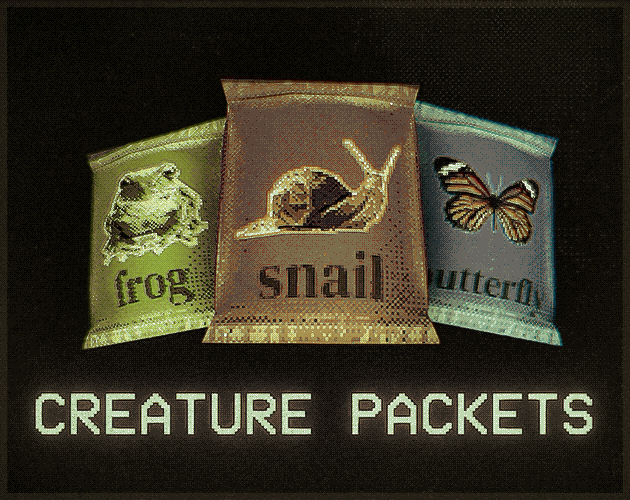
The sheer variety of entries submitted during Ludum Dare 56 serves as a microcosm of current trends in indie game design. Statistical analysis of the jam’s tags reveals that "Pixel Art" remains the dominant aesthetic choice, likely due to its efficiency for time-constrained projects. However, a significant portion of entries—such as Creature Packets—experimented with retro-inspired 3D aesthetics, specifically mimicking the low-polygon, high-dithered look of the PlayStation 1 era.
The mechanical diversity was equally striking. We can categorize the standouts into three primary design philosophies:
- The Ecological Sim: Games focusing on the growth and management of miniature life forms.
- The Perspective Shift: Games that force the player to interact with a world where their relative size is the primary obstacle.
- The Narrative-Driven Interaction: Point-and-click or puzzle games where "tiny creatures" serve as the catalyst for investigation.
Spotlight: Innovative Highlights from the Jam
While the pool of submissions was vast, several titles managed to capture the essence of the theme through novel mechanics.

1. The Surrealism of Creature Packets
Creature Packets stands out for its commitment to a cohesive, unsettling aesthetic. By utilizing a microwave as a life-giving device, the developer, KenForest, created an experience that feels like a fever dream of 90s commercialism. The "substance packages" mechanic encourages exploration, effectively using the "Tiny Creature" theme to frame a cooking simulation that feels both alien and strangely grounded.
2. Celestial Growth in Build The Sun
The Punkcake collective’s Build The Sun is a masterclass in the "God Game" genre. By shrinking the scope of the universe down to a single fire that must be nurtured into a star, the game plays with the concept of scale in a meaningful way. It highlights the transition from the "tiny" beginnings of a spark to the "massive" cosmic impact of a sun, all rendered in crisp, satisfying pixel art.
3. Structural Survival in Maginot
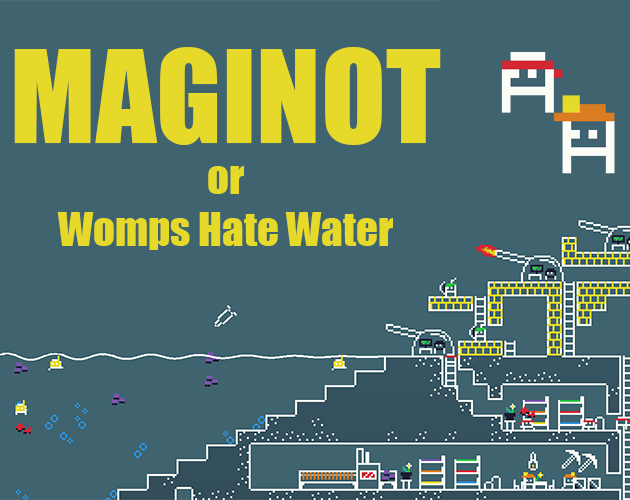
Maginot by vfqd tackles the theme through an incremental colony-builder lens. By placing the player in charge of "Womps"—small, industrious creatures—the game highlights the necessity of teamwork. The player’s goal to "obliterate the sea" creates a compelling juxtaposition between the small size of the individual creatures and the immense, existential threat of the encroaching ocean.
4. Interactive Simulation: Headquarters
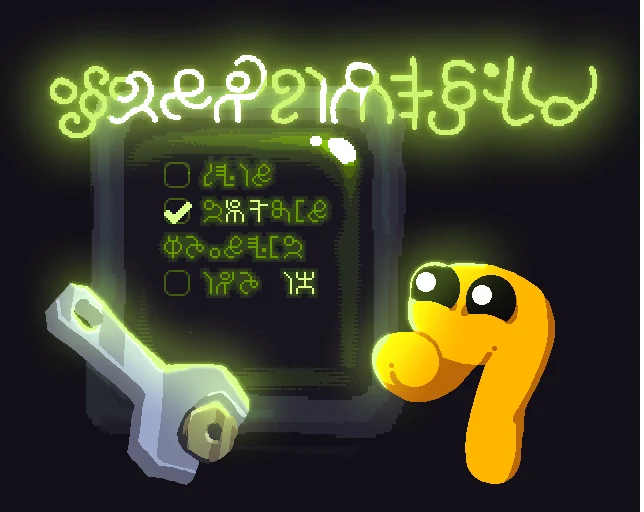
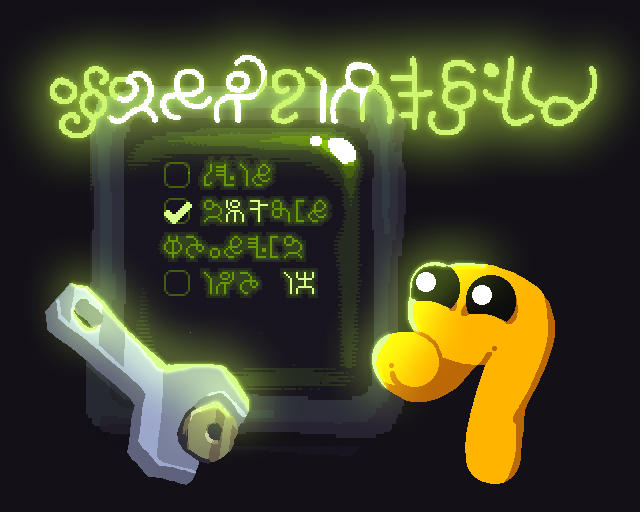
Headquarters (by yogurtthehorse) opts for a more cerebral approach. As a point-and-click simulation, it challenges the player to decipher a new alphabet, turning the act of discovery into the central loop. It proves that a "tiny" subject matter doesn’t require a fast-paced action loop to be engaging; instead, it utilizes mystery to keep the player invested.
5. Physics and Space in Tiny Colony
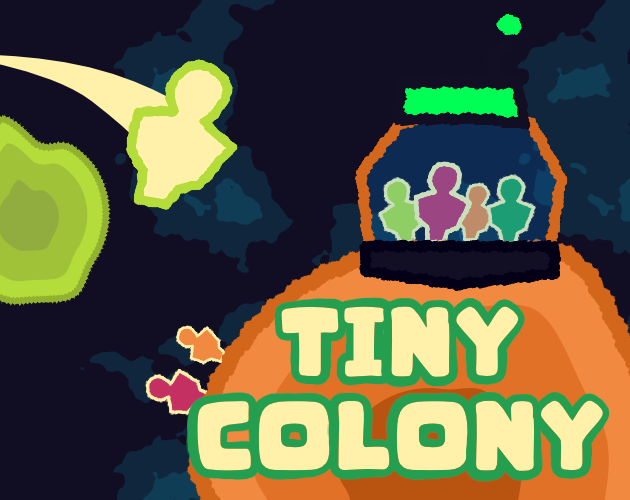
Tiny Colony utilizes the "interplanetary slingshot system" to turn the movement of tiny creatures into a physics-based puzzle. By leveraging gravity as both a tool and a hazard, the game forces the player to consider trajectory and velocity in the vast, unforgiving void of space.
Professional Perspectives and Community Feedback
The success of Ludum Dare 56 has prompted discussions regarding the "health" of the game development scene. Industry veterans often note that these jams act as a vital incubator for talent. Many developers who participate in Ludum Dare eventually transition their prototypes into full-scale commercial releases.
The itch.io community, serving as the digital infrastructure for these projects, has reported a significant increase in user engagement during the post-jam period. This indicates that the audience for these experimental titles is not just other developers, but a growing base of players who appreciate the raw, unpolished honesty of a game made in 48 hours.
Implications for Future Game Design
What does the success of these titles mean for the future of indie development? First, it suggests that constraints breed clarity. When a developer is forced to focus on a single core mechanic—whether it is cooking tiny creatures or slingshotting them through space—the resulting game often has a stronger, more focused "hook" than projects with months of development time.
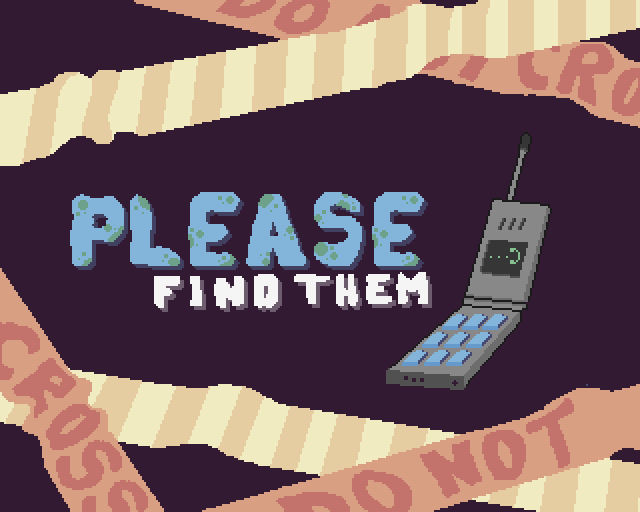
Second, the browser-first design approach seen in titles like Maginot and Please Find Them highlights the importance of accessibility. By minimizing the barrier to entry (i.e., no download required), these games can reach a wider audience, facilitating a faster feedback loop during the critical post-jam voting period.
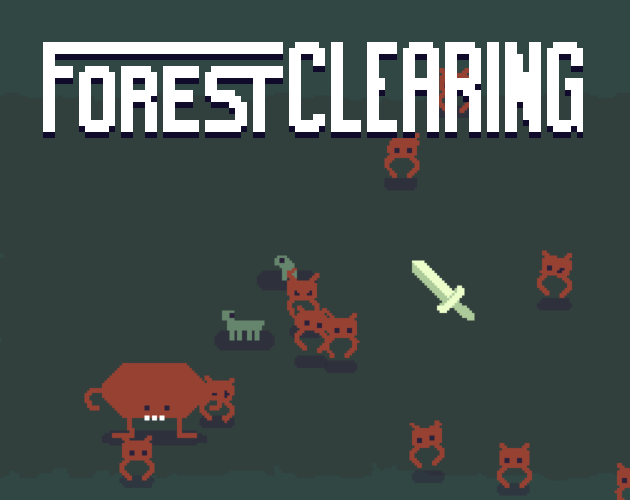
Finally, the narrative integration of tiny subjects allows for a "cozy" yet high-stakes atmosphere. In FOREST CLEARING, for instance, the player is forced to confront the morality of their actions—protecting friends vs. harvesting them for upgrades—adding an emotional layer that elevates the game beyond a simple resource-management simulator.
Conclusion: The Resilience of the "Tiny"
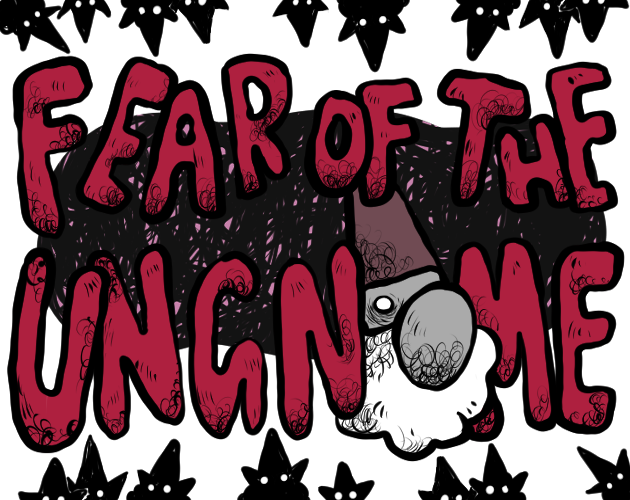
Ludum Dare 56 serves as a reminder that the size of the project does not dictate the size of the impact. Whether it is the tactical manipulation of factions in Vox Regis or the search for a Great Aunt’s gnome in Fear of the Ungnome, the developers showcased in this collection have proven that the "Tiny Creatures" theme was a fertile ground for creativity.
As the community looks toward the next challenge, the lessons of Ludum Dare 56 remain clear: when developers are given a clear, imaginative prompt and a strict deadline, they do not just make games—they create worlds. We encourage players to explore these titles, support the developers on itch.io, and continue to engage with the vibrant, ever-evolving landscape of indie game jams.
Which of these Ludum Dare 56 titles resonated with you most? The comment sections on the individual game pages are active and offer a unique opportunity to provide direct feedback to the creators who brought these tiny worlds to life.