Bridging the Bench-to-Bedside Gap: The Future of Regenerative Medicine in Cardiovascular Disease


Broadcast Date: Thursday, October 15, 2026
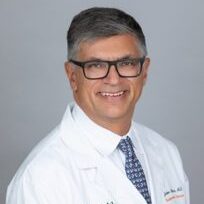
Featured Expert: Joshua Michael Hare, MD, Founding Director, Interdisciplinary Stem Cell Institute, University of Miami Miller School of Medicine
Executive Summary: The Dawn of Cellular Cardiology
The landscape of cardiovascular medicine is on the cusp of a paradigm shift. For decades, the treatment of heart disease—the leading cause of morbidity and mortality worldwide—has been largely focused on symptom management, hemodynamic stabilization, and the prevention of further decline. However, the emergence of regenerative medicine and advanced cellular therapies offers a transformative promise: the potential to move beyond palliation and into the realm of biological restoration.
On October 15, 2026, the GEN webinar series will host a deep-dive exploration into this frontier, featuring Dr. Joshua Michael Hare, a pioneer in the use of cell-based medicines. The session aims to dissect the intricate requirements for translating bench-top discovery into robust, scalable clinical therapeutics. As cardiovascular disease presents a unique environment characterized by tissue scarring, chronic inflammation, and compromised vascularization, the selection of the right therapeutic strategy—be it cell type, delivery method, or patient cohort—remains the most critical hurdle in modern biopharma.
The Visionary Behind the Science: Dr. Joshua Michael Hare
To understand the trajectory of cellular cardiology, one must look at the work of Dr. Joshua Michael Hare. As the Louis Lemberg Professor of Medicine and the founding director of the Interdisciplinary Stem Cell Institute (ISCI) at the University of Miami, Dr. Hare has spent his career bridging the gap between molecular biology and clinical cardiology.
With an academic footprint spanning over 450 peer-reviewed articles, Dr. Hare’s contributions have been foundational. His work is not limited to cardiac health; it extends to the systemic applications of regenerative medicine, including Alzheimer’s disease, stroke, and the broader biology of aging. As a member of the American Association of Physicians and the National Academy of Inventors, Dr. Hare occupies a unique space where scientific rigor meets entrepreneurial innovation. Under his leadership, the ISCI has become a global hub for research, supported by the National Institutes of Health (NIH) and the Department of Defense, reflecting the high stakes and the immense potential of his ongoing clinical trials in both ischemic and non-ischemic cardiomyopathy.
Chronology of Progress: From Initial Concepts to Clinical Reality
The journey toward cellular therapy in cardiology has been marked by iterative progress. The following timeline illustrates the maturation of the field:
1. The Exploratory Phase (Early 2000s)
Early research focused on the feasibility of bone marrow-derived cells for myocardial repair. While initial results showed promise in vascularization, the field quickly learned that the "one-size-fits-all" approach to cell therapy was insufficient to address the complexities of the damaged human heart.

2. The Era of Refinement (2010–2020)
This decade saw a transition toward more targeted therapies. Researchers began to understand the importance of cell potency, the role of the paracrine effect (where cells secrete factors that promote healing rather than just replacing tissue), and the necessity of improved delivery technologies to ensure cell retention in the heart.
3. The Translational Milestone (2020–Present)
We have now entered the age of sophisticated clinical investigation. Current trials, such as those overseen by Dr. Hare, prioritize high-precision patient selection. By utilizing genomic profiling and advanced imaging, clinicians are now able to identify which patient phenotypes are most likely to respond to cellular intervention, moving away from the "all-comers" trial design of the past.
Supporting Data: Why Cardiovascular Disease is a Prime Candidate for Therapy
Cardiovascular disease (CVD) provides a unique set of biological challenges that make it an ideal target for regenerative intervention. The data suggests that success relies on four key biological pillars:
- Tissue Repair and Remodeling: Chronic heart failure is often the result of irreversible scarring (fibrosis). Advanced cell therapies aim to modulate the microenvironment, potentially reducing scar size and encouraging the proliferation of healthy cardiomyocytes.
- Promoting Vascularization: Ischemic heart disease is fundamentally a problem of blood supply. Cellular strategies focused on therapeutic angiogenesis can restore perfusion to oxygen-starved tissue.
- Inflammation Modulation: Recent breakthroughs suggest that the heart’s inflammatory state post-infarction is a primary driver of heart failure. Immunomodulatory cell therapies are showing promise in "resetting" the heart’s immune landscape.
- Restoring Cardiac Function: Beyond structural repair, there is a focus on the electrophysiological integration of transplanted cells to prevent arrhythmias—a major historical challenge in cell therapy.
The webinar will provide attendees with data-backed strategies for selecting these biological targets. As Dr. Hare’s work demonstrates, the "therapeutic strategy" is not just about the cell itself, but the timing, dose, and methodology of delivery.
Official Perspectives: The Path to Clinical Investigation
Translating a lab-grown therapy to a clinical trial is a process fraught with regulatory and logistical complexity. In the upcoming webinar, Dr. Hare will outline the essential "Path to Clinical Investigation," which includes:
- Indications Selection: Understanding the difference between ischemic and non-ischemic patient cohorts.
- Cell Characterization: Ensuring that the chosen cell type (be it mesenchymal, pluripotent, or specialized cardiac progenitors) is optimized for the specific clinical unmet need.
- Delivery Logistics: Addressing the limitations of intracoronary vs. intramyocardial delivery and how these choices affect patient outcomes.
- Defining Endpoints: Moving beyond standard ejection fraction (EF) to more nuanced clinical endpoints like patient-reported quality of life, exercise capacity, and long-term reduction in hospitalizations.
The session serves as a masterclass for researchers, industry professionals, and clinicians who are navigating the transition from early-stage biotechnology to large-scale, multi-center trials.
Implications: The Future of the Cardiovascular Market
The implications of success in this field are profound. If regenerative therapies can effectively halt or reverse the progression of heart failure, the economic and human burden of cardiovascular disease could be drastically reduced.
The Role of Strategic Partnerships
The webinar is produced with the support of Lonza, a global leader in cell and gene therapy manufacturing. This partnership underscores a vital reality in the field: even the most brilliant biological research cannot reach the patient without industrial-scale manufacturing capability. The collaboration between academic pioneers like Dr. Hare and manufacturing giants like Lonza is the blueprint for the next decade of success.
Addressing the Unmet Need
Despite advances in pharmaceuticals, heart failure remains a terminal condition for millions. The focus on "patient selection" is perhaps the most significant implication of modern research. By identifying biological markers that predict success, researchers are minimizing trial risk and maximizing the chance of regulatory approval.
Conclusion: Join the Conversation
As we look toward the broadcast on October 15, 2026, the message is clear: the integration of stem cell biology and cardiology is no longer a futuristic concept—it is a rigorous, data-driven discipline.
Attendees of this GEN webinar will gain exclusive insights into:
- The selection criteria for therapeutic cell types based on pathophysiology.
- The transition from preclinical validation to human clinical trials.
- The critical regulatory and safety considerations in cell and gene therapy.
With a live Q&A session following the presentation, participants will have the opportunity to engage directly with Dr. Hare. This is a rare opportunity to pose questions to a leader who has fundamentally shaped how we view the heart as a regenerative organ.
Register today to secure your place in the future of cardiovascular medicine.
For more information on the University of Miami’s Interdisciplinary Stem Cell Institute and their ongoing research, visit the Miller School of Medicine website.
Key Takeaways for Webinar Participants:
- Biological Rationale: Understand why cell therapy is the next frontier for chronic heart failure.
- Strategic Selection: Learn how to align disease targets with the appropriate cell therapy class.
- Safety and Efficacy: Explore the clinical endpoints that define "success" in regenerative trials.
- Expert Access: Directly engage with Dr. Joshua Michael Hare regarding the future of ischemic and non-ischemic cardiomyopathy treatments.