Bridging the Digital Divide: How the LEAP Node is Revolutionizing Rural Education via Raspberry Pi
In an era defined by hyper-connectivity, the "last mile" of the digital revolution remains a formidable barrier for millions. A collaborative effort between T4EQ and AID India has birthed the Low-bandwidth Educational Access Platform (LEAP), a hardware-software solution designed to bring high-quality digital curriculum to the world’s most disconnected classrooms.
Main Facts: The Architecture of Offline Learning
The global educational landscape is currently witnessing a paradox. While digital tools and high-definition video content have become the gold standard for modern pedagogy, a significant portion of the global population remains "off the grid." For students in remote regions—from the rugged terrains of rural India to economically disadvantaged locales—the internet is not a ubiquitous utility but a luxury.
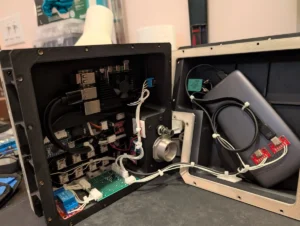
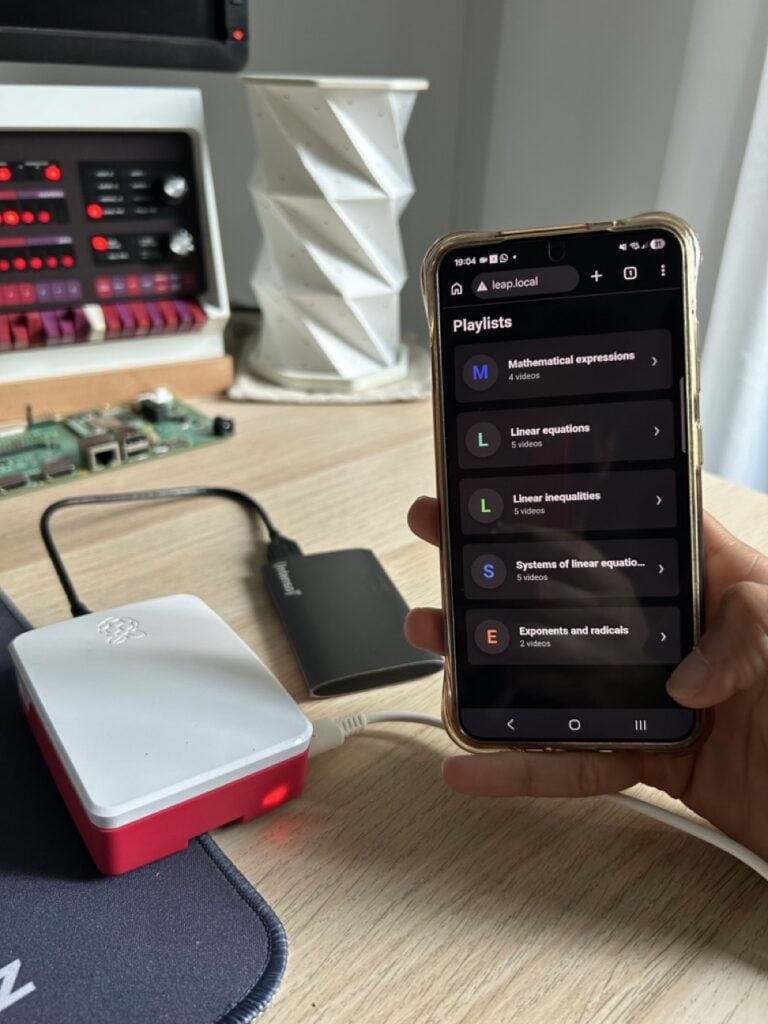
To address this, the team at Technology for Equity (T4EQ), in partnership with the non-profit AID India, has developed LEAP (Low-bandwidth Educational Access Platform). The core of this innovation is the "LEAP Node," a localized computing hub that transforms a single classroom into a high-tech learning environment without requiring a persistent internet connection.
The Core Components
The LEAP system is built on three pillars of accessible hardware:
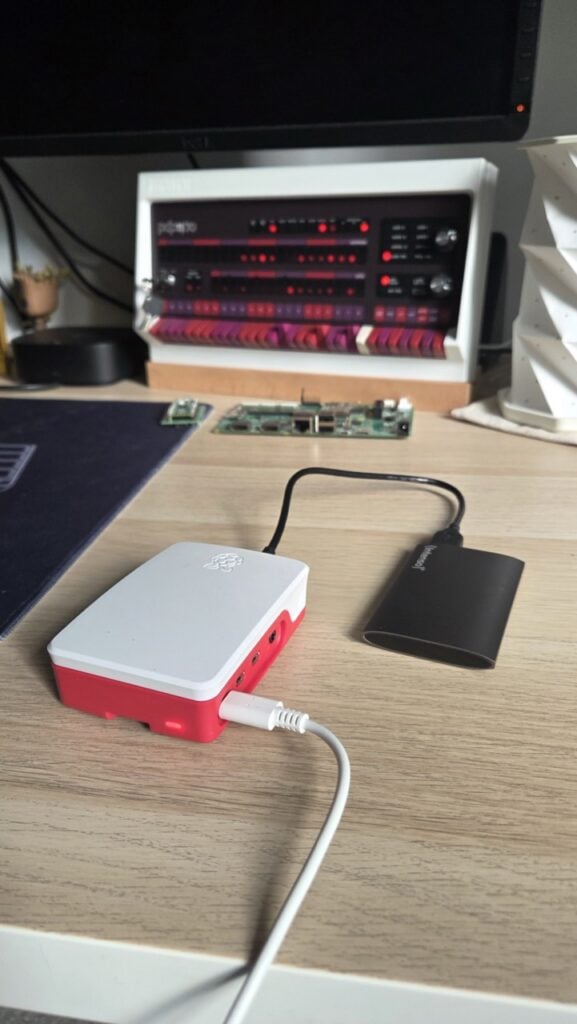
- Raspberry Pi 4 (1GB Model): Chosen for its low power consumption, cost-effectiveness, and robust processing capabilities.
- High-Speed USB Storage: Acts as the local repository for gigabytes of educational video content and interactive modules.
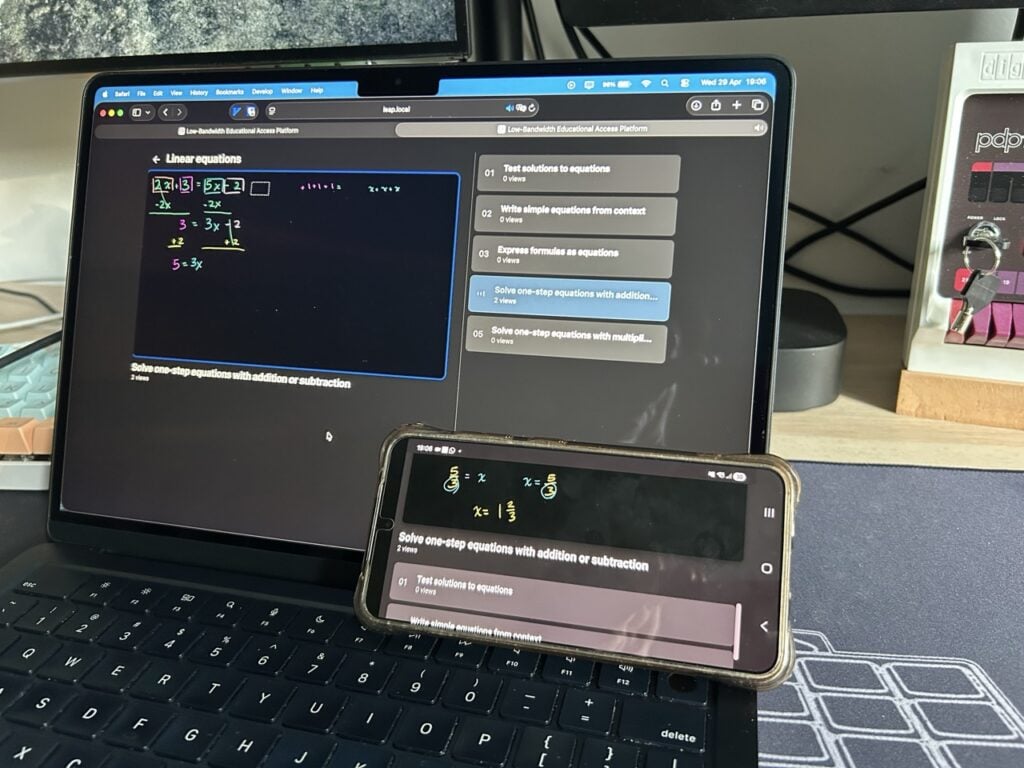
- Standard Wi-Fi Router: Creates a Local Area Network (LAN) that allows up to 40 "thin client" devices (tablets or mobile phones) to stream content simultaneously from the Pi.
By caching content locally, the LEAP Node removes the "buffering barrier." Once the educational materials are stored on the node, the bandwidth requirement for the students drops to zero.
Chronology: From Concept to Classroom Deployment
The development of LEAP followed a rigorous path of identifying systemic failures in existing "offline" educational models and engineering a more dynamic solution.
Identifying the Bottleneck
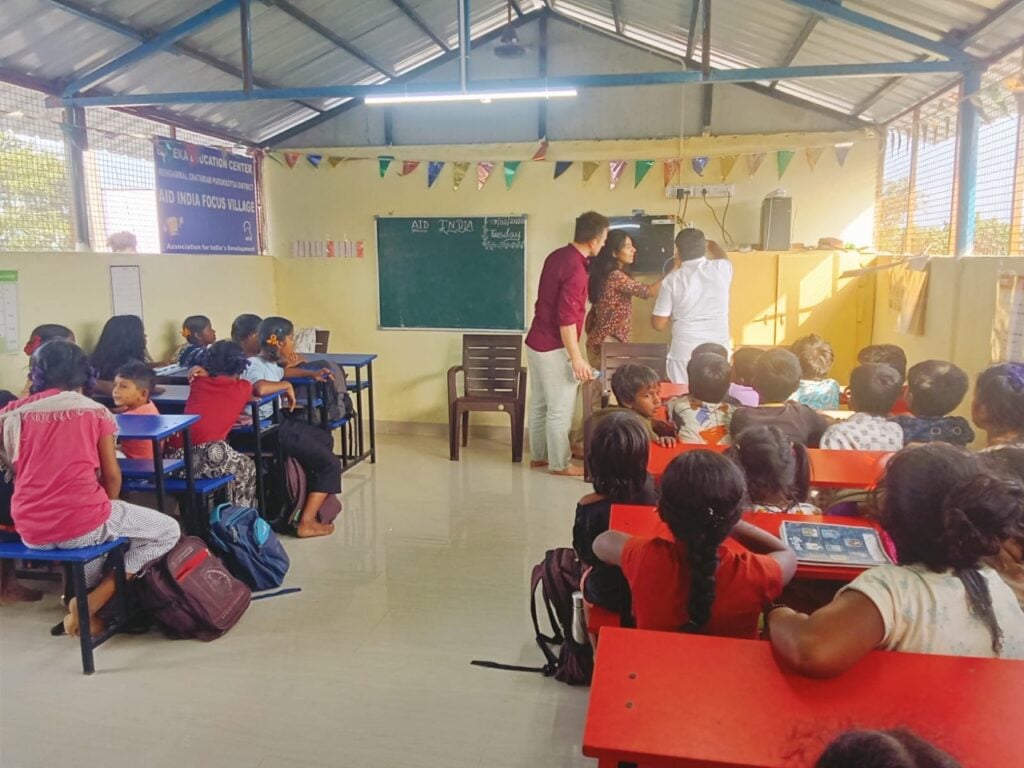
The project began with a directive from AID India, which manages numerous village education centers. Each center typically hosts approximately 40 children. Traditional methods of providing digital content involved pre-loading SD cards or tablets. However, this method proved inflexible; as curricula changed or new videos were produced, updating hundreds of individual devices became a logistical nightmare.
The Iterative Design Phase
Dr. Preethi Padmanabhan and the T4EQ team recognized that the solution needed to be centralized yet distributed. In mid-development, the team shifted toward a "server-client" architecture. This led to the creation of the LEAP Node—a device that could "smart-sync" when a sliver of internet became available, or accept manual updates via physical media.
Current Status: Field Testing in Tamil Nadu
As of late 2024, LEAP has moved from the laboratory to the field. The system is currently in its early deployment phase within schools and education centers in Tamil Nadu, India. The team is actively monitoring user metrics to refine the interface and ensure the hardware can withstand the environmental rigors of rural deployment, such as intermittent power and high dust levels.
Supporting Data: The Technical Logic of LEAP
The effectiveness of LEAP lies in its sophisticated software layer, which manages data in environments where connectivity is either "low-bandwidth" or "zero-bandwidth."
The "Smart-Sync" Mechanism
For locations with intermittent or slow internet (low-bandwidth), LEAP utilizes an Amazon S3 (Simple Storage Service) repository.
- Manifest Files: The system uses "manifest files"—lightweight text documents that list all available content, divided into sections and titles.
- Delta Updates: Instead of checking every file, the LEAP Node periodically pings the S3 server to check for changes in the manifest. If a new video is added, the Node begins a background download.
- Resilience: The software includes "smart logic" for interrupted downloads. If the connection drops during a 500MB video transfer, the Node remembers its progress and resumes the moment connectivity returns, preventing data waste.
Hardware Performance Specs
The choice of the Raspberry Pi 4 1GB was a strategic decision based on data-throughput requirements.
- Gigabit Ethernet: Necessary for rapid data transfer between the storage and the router.
- USB 3.0 Support: Ensures that the "read" speeds from the external drive are fast enough to serve 40 simultaneous video streams without lag.
- Concurrency: Testing confirmed that the Pi 4 could successfully handle 40 individual browser-based "thin clients" accessing different video files at the same time, a feat previously difficult for lower-powered microcontrollers.
The "Sneakernet" Alternative
In "zero-bandwidth" zones, where there is no cellular or satellite data, LEAP employs a "Physical Update" protocol. A teacher or administrator can carry a USB drive containing the latest manifest and video files to the school. Upon plugging the drive into the Raspberry Pi, the LEAP Node automatically ingests the new data, updating its local library in minutes.
Official Responses: Insights from the Innovators
The leadership behind LEAP emphasizes that the project is as much about social equity as it is about engineering.
Dr. Preethi Padmanabhan, T4EQ Lead Developer:
"In order to serve all 40 clients in a village, a computing node local to the village would host and cache the video content. We called this device the LEAP Node. This ensures that, once the content is present in the LEAP Node, there is no further dependency on the network connectivity. Our goal was to eliminate the frustration of a spinning loading icon, which often kills a child’s curiosity."
The T4EQ Engineering Team:
"We selected Raspberry Pi because it serves as an ideal, low-cost, single-board computer to host our custom application. It allows us to cache and serve educational content locally in classrooms without requiring an active internet connection. The price point is critical; for this to be a global solution, the hardware must be affordable for NGOs and local governments."
AID India Spokespersons:
AID India has highlighted the importance of the "curated" nature of the platform. By using the S3 manifest system, they can tailor content to specific villages. "Because different centres might need different content, based on the background and age of the kids attending the classes, the LEAP Node can be configured to track different manifest files," the team noted. This level of customization ensures that a primary school in one district and a vocational center in another receive the exact resources they need.
Implications: The Future of Offline-First Technology
The success of the LEAP project carries significant implications for the future of global education and the "Offline-First" software movement.
1. Democratization of High-Quality Pedagogy
For decades, rural students have been limited to static textbooks while urban peers utilized interactive simulations and video lectures. LEAP levels this playing field. By making video streaming possible in the absence of the internet, the "quality gap" in education begins to narrow.
2. The Open-Source Multiplier Effect
By hosting the LEAP code on GitHub, T4EQ has invited a global community of developers to improve the platform. This open-source approach means that an NGO in Sub-Saharan Africa or a remote community in the Andes could "fork" the project, adapt it to their local language and curriculum, and deploy it using locally sourced Raspberry Pi units.
3. Scalability and the "Thin Client" Revolution
The LEAP model proves that you don’t need expensive laptops for every student. Since the LEAP Node does the heavy lifting of content management, the student devices (thin clients) can be older, refurbished smartphones or low-cost tablets. This significantly lowers the "per-student" cost of digital literacy programs.
4. Beyond Education
The architecture of the LEAP Node—local caching, manifest-based syncing, and resilient downloads—has applications beyond the classroom. Similar systems could be used to distribute vital healthcare information, agricultural tutorials, or emergency alerts in disaster-prone areas where communication infrastructure has been compromised.
Conclusion
As LEAP moves from its pilot phase in Tamil Nadu to a broader rollout, it stands as a testament to the power of "appropriate technology." It does not wait for the world to be fully wired; instead, it creates a "local internet" where it is needed most. Through the clever marriage of Raspberry Pi hardware and resilient software design, T4EQ and AID India are ensuring that for the next generation of learners, the lack of a signal no longer means a lack of opportunity.
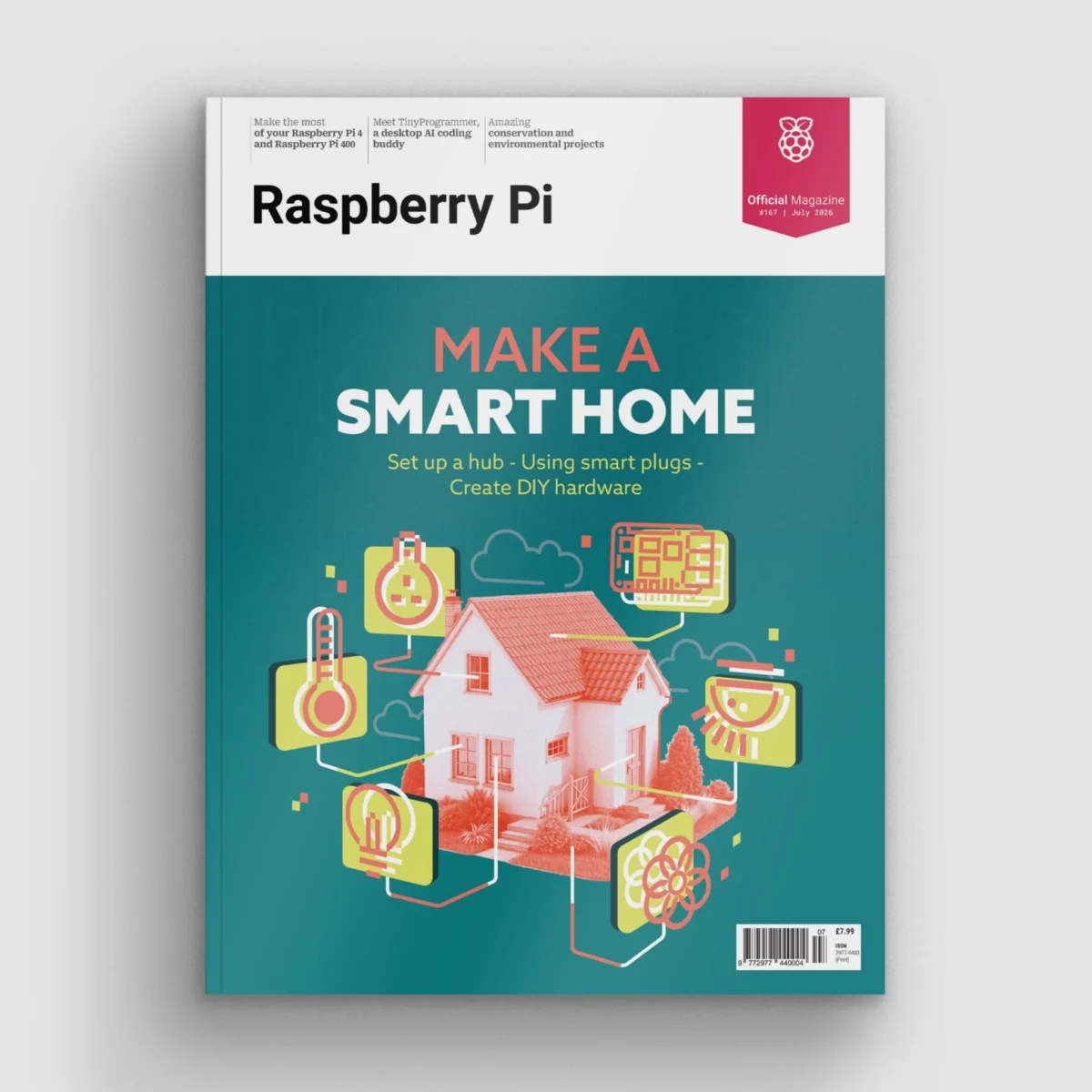
For more information on LEAP or to contribute to the project, the source code is available via the T4EQ repository on GitHub. This project was originally featured in Raspberry Pi Official Magazine, Issue 167.