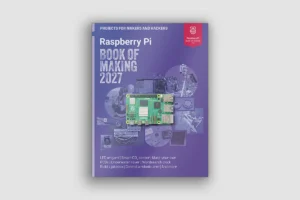
Bridging the Gap: Raspberry Pi Press Unveils Comprehensive Advanced Python Project Guide for Makers
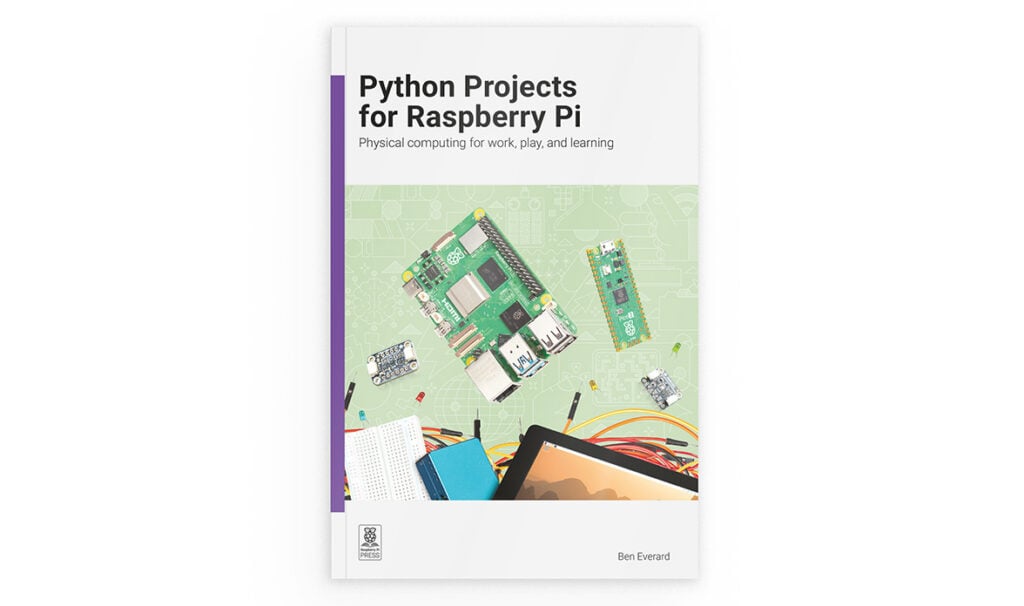
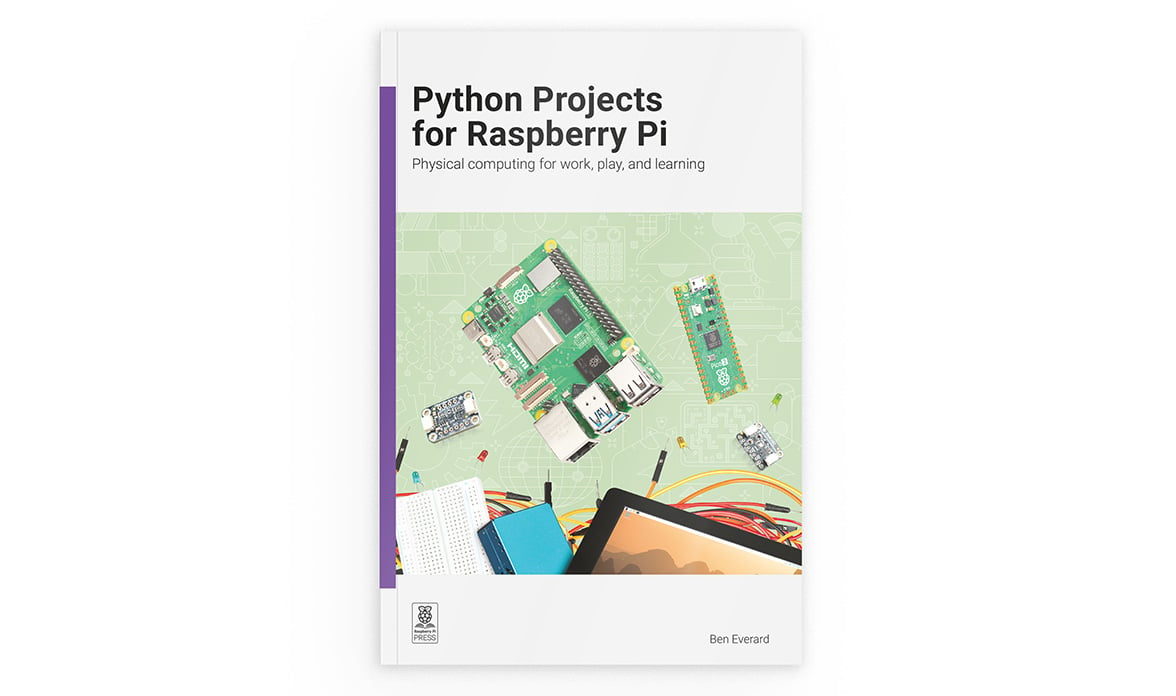
In the rapidly evolving landscape of hobbyist electronics and single-board computing, the transition from "novice" to "intermediate" has often been a fragmented journey. While the Raspberry Pi Foundation has long excelled at welcoming newcomers, the path toward mastering complex physical computing has lacked a definitive roadmap. This week, Raspberry Pi Press addressed this educational lacuna with the release of Python Projects for Raspberry Pi by Ben Everard.
This new volume serves as a critical pedagogical bridge, moving beyond basic syntax and simple LED blinking to explore the sophisticated capabilities of modern silicon, including the Raspberry Pi 5 and the recently launched Pico 2. By integrating advanced communication protocols, custom co-processing via Programmable I/O (PIO), and Edge AI, the book signals a new era for the maker community—one where the line between hobbyist experimentation and professional-grade engineering continues to blur.
Main Facts: A New Curriculum for the Modern Maker
The release of Python Projects for Raspberry Pi is more than a simple product launch; it is the completion of a structured educational trilogy. For years, the Official Raspberry Pi Beginner’s Guide and Get Started with MicroPython on Raspberry Pi Pico have served as the entry points for millions of users worldwide. However, as the hardware has grown more powerful, the demand for high-level project guidance has increased.
The new book, authored by Ben Everard—a veteran voice in the maker community and a key figure at HackSpace magazine—is designed specifically for users who have mastered the basics and are asking the perennial question: "What next?"
Technical Scope and Hardware Integration
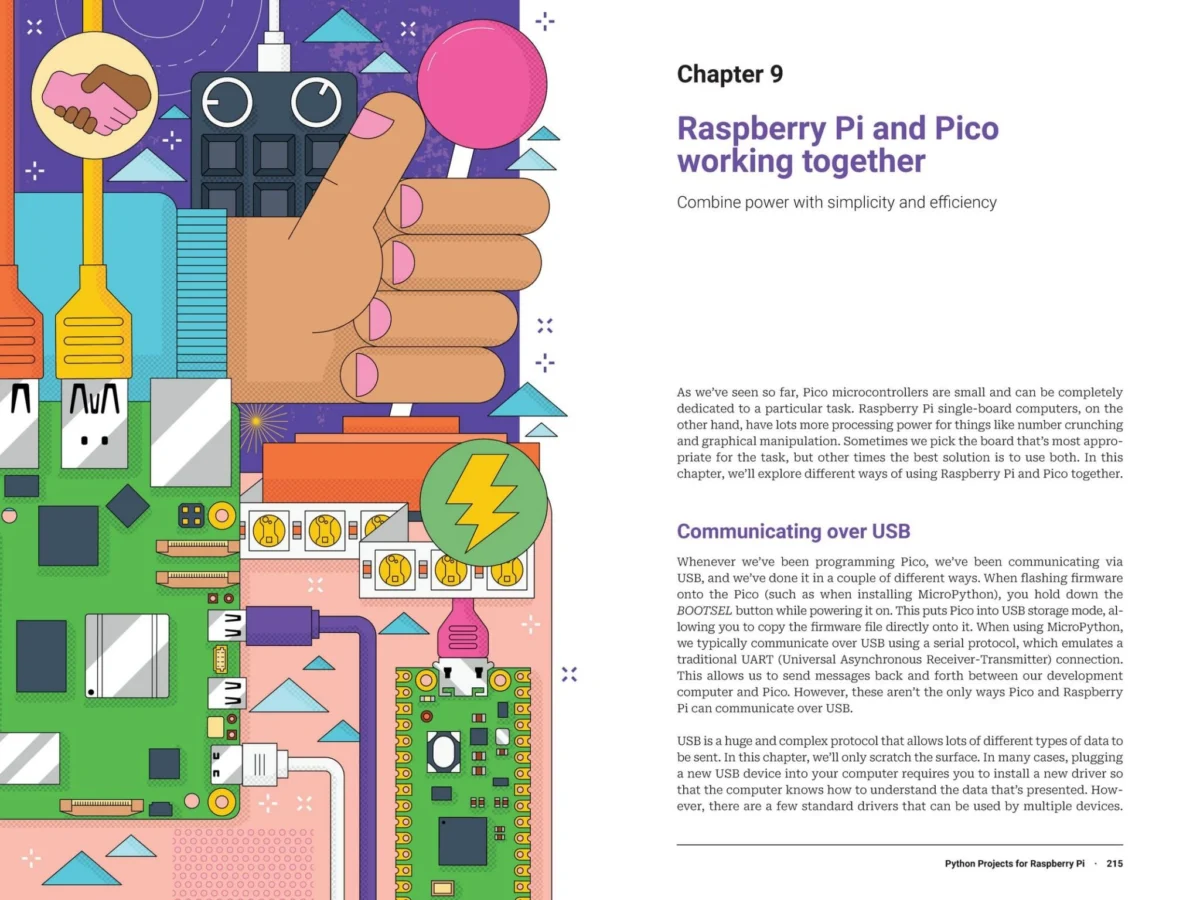
The book provides a comprehensive deep dive into both the "Big Pi" (Single Board Computers like the Raspberry Pi 5) and the "Small Pi" (Microcontrollers like the Pico and Pico 2). Key technical highlights include:
- Advanced Hardware Protocols: Moving beyond simple GPIO toggling to master I2C, SPI, and UART communication for a vast array of professional sensors and displays.
- Programmable I/O (PIO): Over 40 pages dedicated to the RP2040 and RP2350’s unique PIO blocks, which allow for the creation of custom hardware interfaces.
- Machine Learning and AI: Practical implementations of gesture recognition and the execution of Large Language Models (LLMs) on local hardware without the need for external cloud accelerators.
- Cloud and Connectivity: Integration with web services, Google Sheets, and MQTT for Internet of Things (IoT) applications.
Currently, the book is available at an introductory price of £9.99 through the official Raspberry Pi store, with wider availability on platforms such as Amazon in the United States and the United Kingdom.
Chronology: The Evolution of Raspberry Pi Education
To understand the significance of this release, one must look at the timeline of Raspberry Pi’s educational strategy over the last decade.
The Foundation Era (2012–2018)
In the early years, the focus was almost entirely on accessibility. The original Raspberry Pi was a tool for schools, and the documentation reflected that. The Official Beginner’s Guide became the gold standard for teaching Linux basics and introductory Python. During this period, the "maker" movement was largely separate from the "educational" movement.
The Silicon Revolution (2021–2023)
The launch of the Raspberry Pi Pico in 2021 changed the trajectory of the organization. By designing its own silicon (the RP2040), Raspberry Pi entered the microcontroller market. This necessitated a new branch of education: MicroPython. The book Get Started with MicroPython on Raspberry Pi Pico was released to facilitate this shift, focusing on low-level hardware interaction.
The Performance Leap (2023–2024)
With the release of the Raspberry Pi 5 in late 2023 and the Pico 2 (featuring the RP2350) in 2024, the hardware reached a level of sophistication that traditional "beginner" tutorials could no longer fully exploit. Features like the RP1 I/O controller on the Pi 5 and the enhanced PIO capabilities of the RP2350 required a more technical, project-based approach.
The Present: Closing the Loop
The release of Python Projects for Raspberry Pi in late 2024 represents the final piece of the puzzle. It synthesizes a decade of SBC (Single Board Computer) evolution with three years of microcontroller innovation, providing a unified curriculum that treats the Pi 5 and the Pico 2 as a single, integrated ecosystem.
Supporting Data: Technical Deep Dives and Capabilities
The strength of Ben Everard’s new work lies in its technical density. It is not merely a collection of recipes but a manual for understanding the underlying architecture of modern Raspberry Pi silicon.
The Power of PIO (Programmable Input/Output)
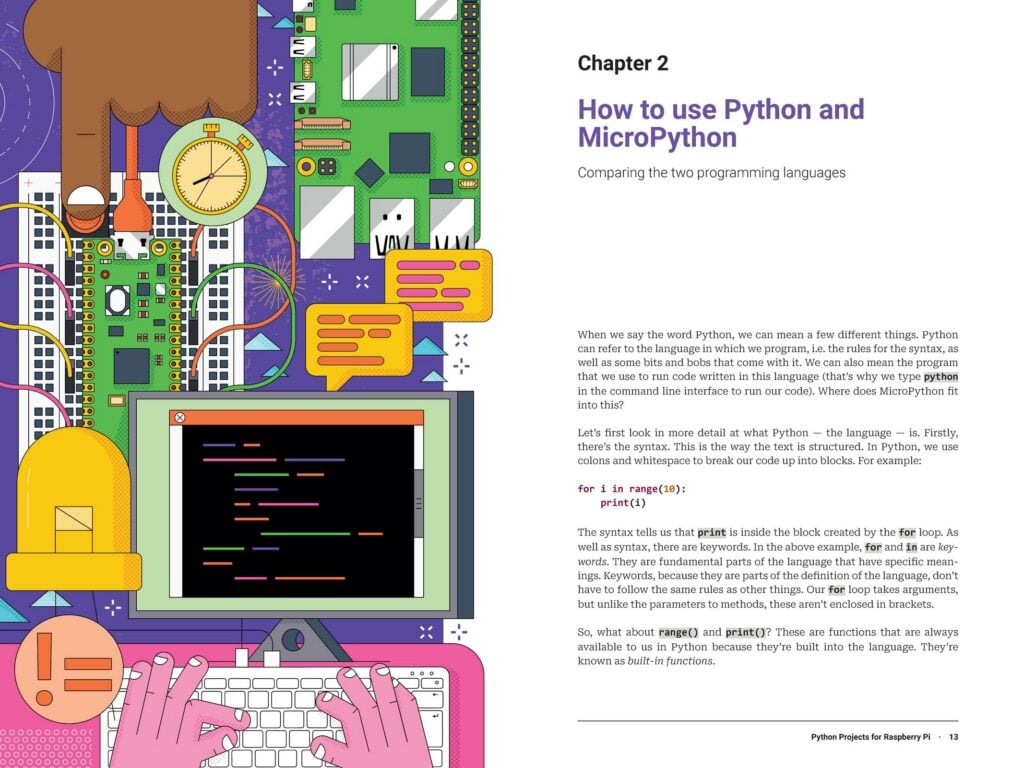
One of the most significant sections of the book involves Programmable I/O. Unlike traditional microcontrollers that rely on fixed hardware peripherals (like a set number of SPI ports), Raspberry Pi silicon allows the user to "program" the I/O pins to behave like custom hardware.
- RP2040/RP2350 Utility: The book demonstrates how to use PIO to drive NeoPixel LED strips and rotary encoders with cycle-accurate timing that doesn’t burden the main CPU.
- C-Python Integration: It teaches users how to extend Python’s ease of use with the raw speed of C, a skill essential for high-performance physical computing.
Edge AI and Machine Learning
Perhaps the most forward-looking aspect of the book is its treatment of Artificial Intelligence. While many AI tutorials rely on expensive GPUs or cloud APIs, Everard focuses on "Edge AI"—running models locally on low-cost hardware.
- Gesture Recognition: Using accelerometer data to train a neural network, the book guides users through creating a "magic wand" that recognizes specific physical movements.
- Local LLMs: In a remarkable feat for a $60 computer, the book details how to run a simple Large Language Model on a Raspberry Pi 5. This highlights the massive jump in processing power provided by the Broadcom BCM2712 chip, enabling natural language processing without a dedicated AI accelerator.
Official Philosophy: Learning Through "Serious Play"
The Raspberry Pi Foundation and Raspberry Pi Ltd. have consistently maintained a philosophy that education should be project-based and engaging. Ben Everard’s approach in this book exemplifies this "serious play" methodology.
In official communications regarding the book’s release, the focus remains on the "What Next?" factor. The Foundation recognizes that many hobbyists stall after learning the basics because the jump to "professional" documentation (datasheets and register maps) is too steep.
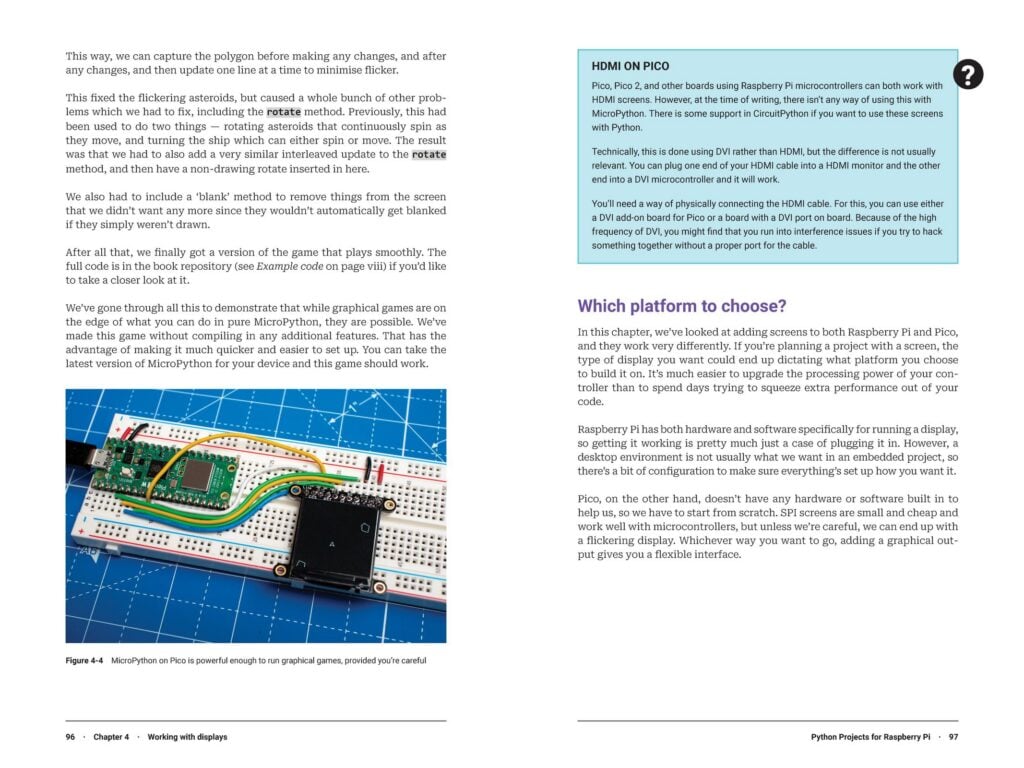
"This is not some dry reference manual," the organization stated. Instead, the book uses "whimsical" projects to teach "practical" skills. For example, a project to build a handheld game console is used as a vehicle to teach SPI display communication and button debouncing. A "sparkling magic wand" project is the Trojan horse for teaching complex machine learning inference. This pedagogical strategy ensures that the learner remains motivated by the end result while internalizing complex engineering principles.
Implications: The Democratization of Advanced Engineering
The release of Python Projects for Raspberry Pi has broader implications for the tech industry and the global maker community.
Lowering the Barrier to AI Literacy
By providing a clear, step-by-step guide to running LLMs and gesture recognition on sub-$100 hardware, Raspberry Pi is effectively democratizing AI. It moves AI out of the realm of "Big Tech" data centers and into the hands of students and independent developers. This could lead to a surge in localized, privacy-focused AI applications.
Professional Skill Development
The skills taught in this book—managing I2C buses, writing PIO state machines, and interfacing with MQTT servers—are the building blocks of modern industrial IoT. As the global economy shifts toward "Industry 4.0," the hobbyists of today who use this book are developing the professional competencies required for the workforce of tomorrow.
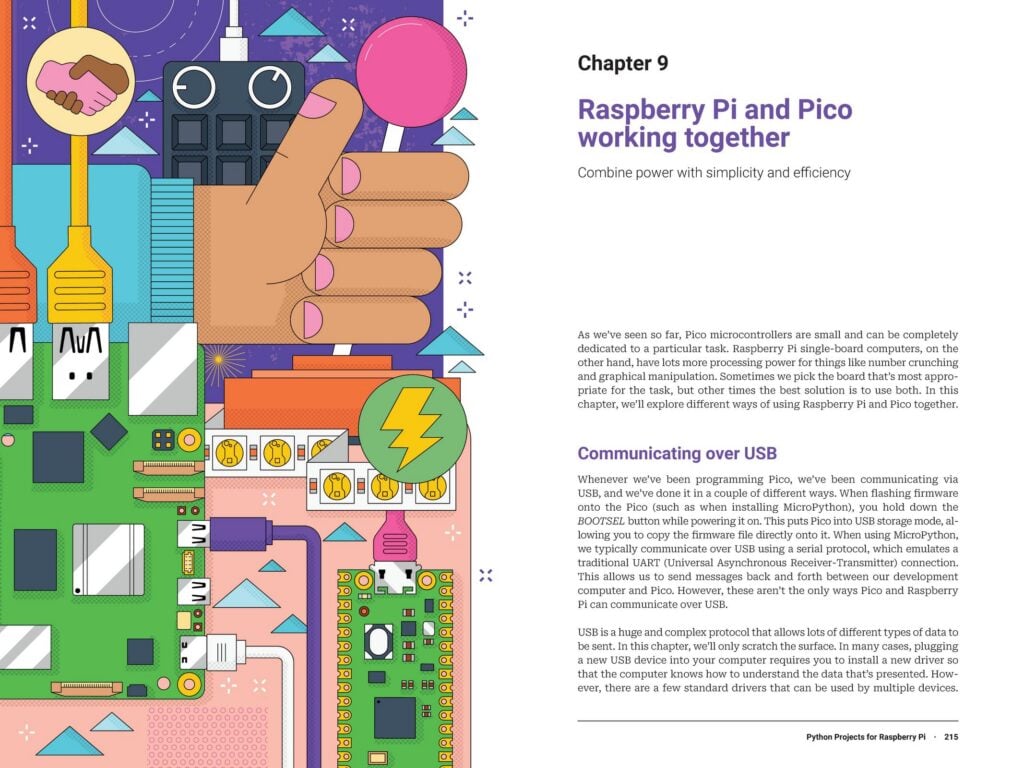
Strengthening the Ecosystem
By providing a clear "next step" in their educational literature, Raspberry Pi ensures the longevity of its hardware ecosystem. Users are less likely to migrate to other platforms if they have a clear path to mastery within the Pi environment. This release solidifies the Raspberry Pi 5 and Pico 2 as not just toys or educational tools, but as viable platforms for sophisticated prototype development.
In conclusion, Python Projects for Raspberry Pi represents a milestone for Raspberry Pi Press. It successfully captures the current state of the art in hobbyist computing, offering a rigorous yet accessible path for the next generation of engineers to explore the limits of what these small but mighty boards can achieve. Whether it is through building a networked light controller or deploying a local AI, the book ensures that for the Raspberry Pi community, the question of "What next?" finally has a definitive, 42-page-deep answer.