Empowering the Indie Ecosystem: itch.io Announces Creator Day for November 24th
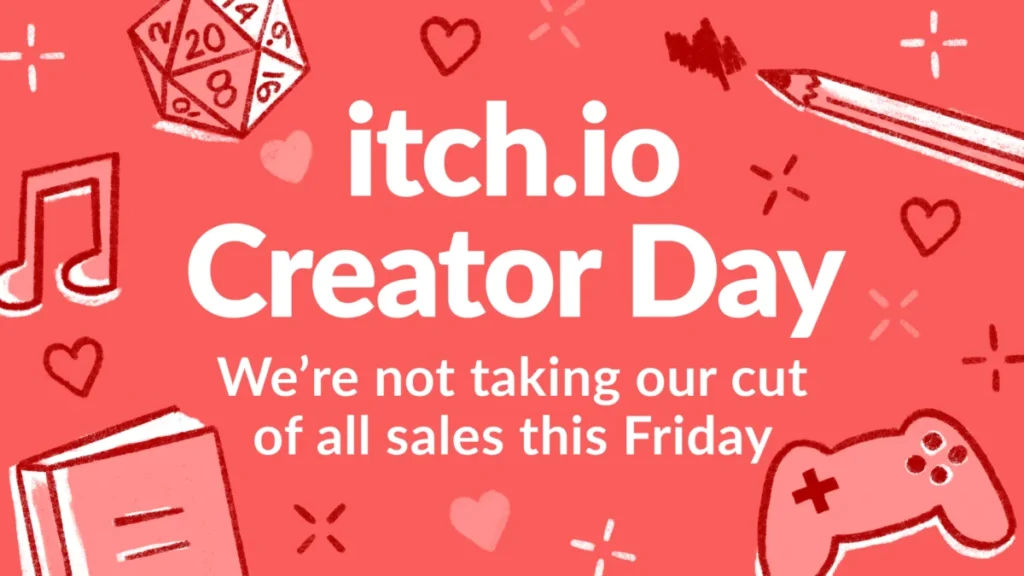
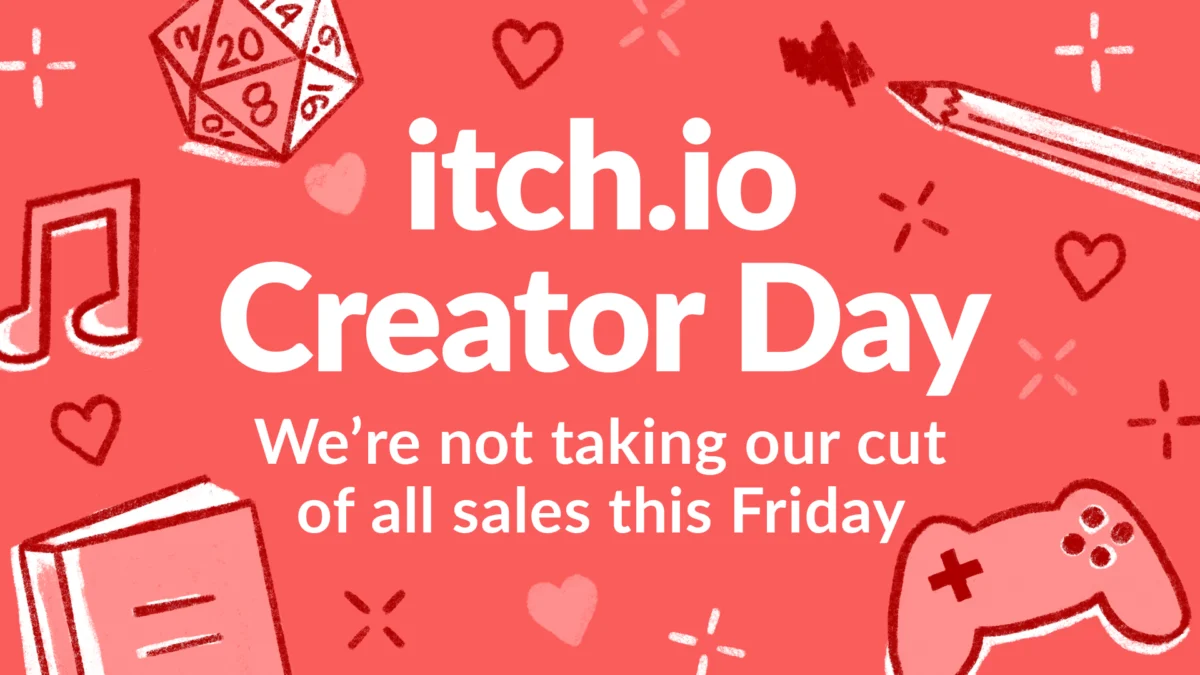
The independent gaming landscape is set to witness a significant shift in financial dynamics this coming Friday, November 24th, as itch.io—the premier destination for indie game distribution—hosts its latest "Creator Day." In an industry often dominated by massive storefront fees and rigid platform policies, itch.io’s recurring initiative stands out as a beacon of developer-centric support. By waiving its platform revenue share for a full 24-hour cycle, the company is positioning this Black Friday as an opportunity for consumers to directly bolster the livelihood of independent creators.
Main Facts: The Anatomy of Creator Day
At the core of the itch.io Creator Day is a simple but impactful financial promise: for the duration of Friday, November 24th, the platform will take zero percent of any sales processed through its storefront.
Typically, itch.io operates on a flexible revenue-sharing model that allows developers to decide how much of their earnings the platform receives. However, on Creator Day, the platform effectively removes itself from the transaction entirely. This means that every cent spent on a purchase—whether it be a sprawling indie RPG, a niche tabletop rulebook, a collection of pixel art assets, or an experimental digital zine—goes directly into the pockets of the creators.
The event is strictly time-bound, operating from 12:00 AM to 11:59 PM (Pacific Time) on Friday the 24th. While the "Creator Day" revenue waiver is limited to those 24 hours, the platform has extended the broader promotional period. Discounts applied to games and assets by developers will remain active throughout the weekend, concluding at midnight on Tuesday, November 28th. This provides a four-day window for consumers to explore the vast, eclectic catalog of itch.io while ensuring the maximum possible financial impact occurs during the peak of the Black Friday shopping season.
Chronology: A History of Altruism in Digital Distribution
To understand the importance of this event, one must look at the evolution of itch.io’s relationship with its community. Founded in 2013 by Leaf Corcoran, the platform was built on the ethos of "openness." Unlike the walled gardens of major console marketplaces or the stringent curation policies of larger PC storefronts, itch.io was designed to be accessible to anyone with a project, regardless of budget or technical polish.
The "Creator Day" concept emerged as a direct response to the economic volatility faced by indie developers, particularly during the COVID-19 pandemic. In 2020, as the world moved online, itch.io began experimenting with more aggressive support measures. The most notable precursor to the current Creator Day was the "Bundle for Racial Justice and Equality," which raised over $8 million for the NAACP Legal Defense and Educational Fund and the Community Bail Fund.
Since those early experiments, itch.io has formalized the Creator Day into a recurring seasonal fixture. By aligning these days with high-traffic shopping dates like Black Friday, the platform leverages the inherent consumer impulse to "buy now" while redirecting that capital away from corporate overhead and toward the individual artists, programmers, and writers who define the indie medium.
Supporting Data: The Economic Impact of the Indie Sector
The indie game industry is characterized by high volume and low individual budget, yet it represents the heartbeat of gaming innovation. Data from the itch.io ecosystem suggests that the platform currently hosts hundreds of thousands of individual projects. Unlike AAA titles, which often require teams of hundreds, many of the projects on itch.io are the result of "solo dev" efforts or small, tight-knit collaborative groups.
For these creators, the difference between a 30% platform cut and a 0% platform cut is not just a rounding error—it is the difference between being able to afford a new piece of hardware, paying for server costs, or even covering the rent for another month.
Economic analysts often point to the "Long Tail" theory regarding digital storefronts. While a handful of titles achieve "viral" success, the vast majority of indie revenue is generated by a massive collection of smaller, highly dedicated fanbases. By incentivizing sales during a high-traffic window like Black Friday, itch.io is essentially subsidizing the "Long Tail," ensuring that even niche developers—those creating visual novels, experimental horror, or niche tabletop systems—receive a significant, lump-sum boost to their annual revenue.
Official Perspectives: The Developer-Platform Dynamic
The reception to Creator Day has been overwhelmingly positive among the developer community. When itch.io announced the upcoming event, the discourse on social media platforms like X (formerly Twitter) and Mastodon reflected a deep appreciation for the gesture.
Developers often cite "discoverability" as their primary challenge. In a marketplace flooded with thousands of new releases, getting a game in front of an audience is difficult. By promoting Creator Day, itch.io provides a centralized marketing hook that encourages players to return to the site.
"It’s not just about the money," one prominent indie developer noted in a recent thread. "It’s about the signal. When a platform says, ‘We aren’t taking a cut today,’ they are signaling that they value the creator more than the transaction. That matters to us."
The platform itself has maintained a modest, low-key approach to these announcements. Rather than launching massive, high-budget ad campaigns, itch.io communicates these events through its blog and social channels, relying on the organic enthusiasm of the community to spread the word. This "grassroots" marketing strategy further aligns with the platform’s identity as a hub for non-corporate, independent gaming.
Implications: The Future of Digital Marketplaces
The implications of itch.io’s Creator Day extend far beyond the immediate financial benefit to developers. It serves as a stark contrast to the standard "30% cut" that has become the industry benchmark for digital storefronts.
In recent years, the standard platform fee has become a point of contention in legal battles, most notably the Epic Games v. Apple litigation. These cases have brought the ethics of platform fees to the forefront of the public consciousness. By demonstrating that a successful, sustainable business can function while periodically waiving its fees, itch.io is putting pressure on the broader industry to justify the high costs imposed on creators.
Furthermore, Creator Day fosters a sense of community ownership. Users who purchase games on Creator Day often feel a deeper connection to the project, knowing that their purchase is a direct contribution to the developer’s survival. This creates a feedback loop: players are more likely to support indie devs, devs are more likely to continue creating, and the ecosystem as a whole becomes more resilient.
Looking forward, the success of these events raises a pertinent question: Could the "Creator Day" model be adopted by larger platforms? While it is unlikely that major corporate entities would voluntarily waive revenue, the success of itch.io’s model provides empirical evidence that developers and consumers alike favor a more equitable distribution of funds.
Conclusion: How to Participate
As November 24th approaches, the call to action for the gaming community is clear. Whether you are looking for a hidden gem in the world of indie horror, a deep-dive tabletop campaign, or a set of assets for your own creative journey, itch.io provides the platform to make those purchases meaningful.
The strategy for consumers is straightforward:
- Curate your wishlist early: Browse the site in the days leading up to Friday to identify the titles you want to support.
- Prioritize the 24th: While the sales last through the weekend, the 0% platform fee is exclusive to the 24 hours of Friday, November 24th.
- Engage with creators: Beyond just buying, take the time to leave a comment or rate the games you purchase. In the indie world, feedback is often as valuable as the transaction itself.
By choosing to spend your gaming budget on itch.io this Black Friday, you are doing more than just buying a game; you are participating in a movement that prioritizes the health of the indie ecosystem. As the industry continues to grapple with consolidation and corporate homogenization, platforms like itch.io—and initiatives like Creator Day—serve as essential reminders that the future of gaming lies in the hands of the individual creator.