Genomic Alarm: Is the Global Fight Against Schistosomiasis Facing a Resistance Crisis?
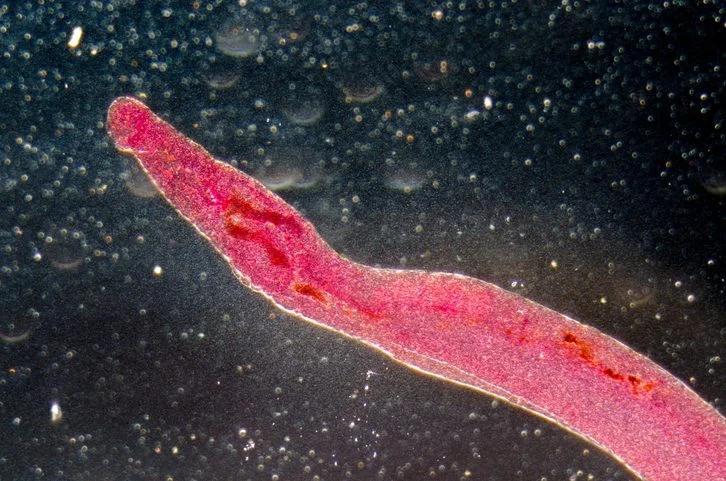
For over two decades, the global health community has operated under a singular, powerful premise: mass drug administration (MDA) with praziquantel is the silver bullet for eradicating schistosomiasis. Yet, recent findings published in Science Advances suggest that the parasites responsible for this debilitating disease are beginning to evolve, potentially blunting our most effective weapon.
The study, titled "Extensive parasite transmission and variation in a functional receptor associated with drug resistance in endemic Schistosoma mansoni," provides a chilling look at the genetic landscape of a parasite that affects more than 250 million people worldwide. By mapping the genomes of 570 Schistosoma mansoni specimens, researchers have identified subtle, concerning variations that indicate the parasite is adapting to the very drug intended to wipe it out.
The Core Findings: A Shift in the Parasitic Landscape
Schistosomiasis, a neglected tropical disease caused by parasitic blood flukes, thrives in sub-Saharan Africa, where 90% of all infections occur. The current global strategy relies almost exclusively on praziquantel, a safe and inexpensive medication. However, the international research team—led by the Wellcome Sanger Institute, the Royal Veterinary College, and the Medical College of Wisconsin—has uncovered evidence that this reliance may be fostering a selective pressure that the parasite is starting to overcome.
The Mechanism of Resistance: The Sm.TRPMpzQ Receptor
The crux of the research lies in the identification of Sm.TRPMpzQ, a transient receptor potential (TRP) melastatin ion channel. This receptor is the molecular "lock" that praziquantel targets to paralyze and kill the parasite.
In their analysis, scientists identified four naturally occurring genetic variants within this receptor. These variants are not merely random mutations; they are associated with a demonstrably reduced sensitivity to praziquantel. When these variants are present, the drug’s efficacy is diminished, allowing the parasite to survive treatment cycles that would typically prove fatal.
Genomic Surveillance as a Necessity
The study utilized whole-genome sequencing (WGS) to provide a high-resolution view of how S. mansoni populations are structured across Africa and the Caribbean. This is the largest genomic dataset of its kind ever assembled for this parasite. The data reveals two critical factors:
- Extensive Transmission: The parasites show high levels of long-distance gene flow, meaning resistance-linked variants could spread rapidly across geographical boundaries.
- Genetic Diversity: The sheer scale of variation within the parasite population suggests that the parasite has a robust "genetic toolkit" to draw upon as it faces the environmental pressure of mass drug administration.
Chronology of a Mounting Threat
To understand the gravity of these findings, one must view them through the lens of the last twenty years of public health intervention.
- The 2000s – The Era of Mass Distribution: As part of global efforts to reach the UN Millennium Development Goals and later the Sustainable Development Goals, NGOs and governments scaled up MDA campaigns, distributing billions of doses of praziquantel to school-aged children and high-risk populations.
- The 2010s – The First Whispers of Failure: During the mid-2010s, field reports began to emerge from areas like Senegal and Kenya, where researchers noted that despite repeated, high-coverage treatments, the prevalence of schistosomiasis in local populations remained stubbornly high. While these reports were initially attributed to reinfection or poor drug compliance, the genomic data now suggests a biological cause.
- 2023–2025 – The Genomic Pivot: Researchers shifted their focus from epidemiological mapping to deep-tissue genomics. By collecting parasite samples from patients both before and after they underwent praziquantel treatment, the team could directly observe the "survival of the fittest."
- 2026 – The Science Advances Publication: The definitive link between Sm.TRPMpzQ variants and treatment failure was established, moving the conversation from anecdotal evidence to concrete molecular reality.
Supporting Data: By the Numbers
The research team’s methodology was rigorous, designed to create a baseline for future surveillance. The data breakdown includes:
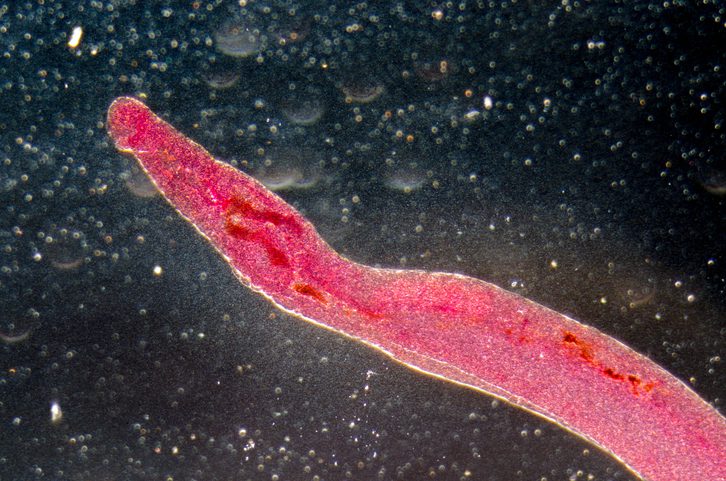
- Sample Size: 570 individual Schistosoma mansoni genomes were sequenced and analyzed.
- Geographic Reach: Samples were collected from diverse endemic regions, including multiple nations across sub-Saharan Africa and pockets of the Caribbean.
- The "Post-Treatment" Evidence: The study explicitly tracked "infrapopulations" (the total number of parasites within a single host). In multiple instances, these populations showed a higher prevalence of the identified resistant variants after the host had received standard-of-care praziquantel treatment, confirming that the drug was acting as a selective filter.
- Targeted Mutation Count: Four specific alleles were identified within the Sm.TRPMpzQ ion channel that correlated with reduced sensitivity, providing a clear marker for future diagnostic testing.
Official Responses and Expert Perspective
The scientific community has reacted to these findings with a mix of urgency and calls for strategic reform.
Dr. Stephen Doyle: From Reaction to Proactive Monitoring
Dr. Stephen Doyle, co-senior author and group leader at the Wellcome Sanger Institute, views the study as a turning point in how we approach infectious disease control. "Whole-genome sequencing gives us an unprecedented window into how schistosome populations are structured," Dr. Doyle stated. He emphasized that the era of "blind" drug administration must end. "By characterizing variation in the drug’s molecular target at scale, we can move from reactive surveillance—waiting for the drugs to stop working—to proactive monitoring."
Professor Joanne Webster: The Danger of Monotherapy
Professor Joanne Webster, director of the Global Centre for Neglected Tropical Disease Research at the Royal Veterinary College, provided a sobering assessment of the current state of global health policy. "While praziquantel remains highly effective in the vast majority of cases, our findings provide a sobering warning about the systemic risk of relying on a single drug for disease control," she said. Her comments underscore the need for a diversification of treatment protocols and a broader strategy that includes environmental management and sanitation.
Implications: The Road to 2030 and Beyond
The 2030 target for the elimination of schistosomiasis as a public health problem is now less than four years away. The emergence of potential drug resistance threatens to derail decades of progress, turning a manageable disease into an intractable one.
The Shift in Global Health Policy
The authors of the study argue that genomic surveillance must move from a specialized research tool to a routine component of public health strategy. Just as we monitor the genomic evolution of influenza or SARS-CoV-2, health ministries in endemic regions will need the capacity to track the evolution of S. mansoni.
Challenges in Low-Resource Settings
The primary challenge, however, is implementation. Many of the regions most severely impacted by schistosomiasis lack the high-throughput sequencing infrastructure required for real-time genomic surveillance. Bridging this gap will require:
- Investment in Point-of-Care Diagnostics: Developing rapid tests that can detect the presence of the Sm.TRPMpzQ variants in the field without needing full-genome sequencing.
- Combination Therapies: Exploring the use of praziquantel in combination with other existing or novel anthelmintic agents to prevent the parasite from developing resistance to any single mechanism of action.
- Integrated Control: Returning to the "gold standard" of disease control—combining drug treatment with clean water, improved sanitation, and hygiene (WASH) infrastructure to break the transmission cycle entirely, rather than relying on drugs to clean up after the fact.
A Call to Action
The study serves as a "canary in the coal mine." While the findings do not suggest that praziquantel has become useless, they serve as a definitive notice that the parasite is not static. If the global health community ignores these genetic markers, it risks repeating the history of malaria and HIV, where drug resistance eventually rendered first-line treatments obsolete, leading to a resurgence of the diseases.
The path forward requires a shift in mindset: from seeing schistosomiasis as a problem to be solved with a simple pill, to viewing it as a dynamic, evolving biological challenge that requires a sophisticated, data-driven, and multifaceted response. The genomic data has provided the roadmap; the question remains whether the global health community has the political and financial will to follow it.