Browser Gaming Renaissance: A Curated Look at the Best Instant-Play Titles for Your Weekend
In an era defined by massive file sizes, persistent internet connectivity requirements, and the often-arduous process of patching AAA titles, the humble browser game has experienced a quiet, yet profound, resurgence. For many players, the friction of downloading a 100GB title is simply too much to ask for a lazy weekend of gaming. Recognizing this shift in player behavior, itch.io has spotlighted a collection of high-quality, browser-based experiences that require nothing more than a single click to enjoy.
This curated selection ranges from emotionally resonant visual novels to complex, physics-based puzzle platformers, proving that technical limitations are no barrier to compelling game design. As the barrier to entry drops, the creativity of independent developers continues to soar, fueled by the rapid-fire experimentation of game jams and the accessibility of web-native development engines.
The Evolution of the Web-Based Experience
Historically, browser gaming was synonymous with simple Flash titles or rudimentary arcade clones. Today, the landscape has fundamentally shifted. Thanks to advancements in WebGL, WebAssembly, and robust engines like Defold and Godot, developers are delivering experiences that rival standalone indie titles in both fidelity and depth.
The current trend toward "browser-first" development is largely driven by the philosophy of frictionless engagement. By eliminating the "installation tax," developers ensure that players spend their time interacting with mechanics rather than navigating system requirements or storage management. This shift is not merely about convenience; it is about preservation and reach. Browser games act as a democratic gateway to the medium, allowing creators from across the globe to share their visions without the overhead of platform-specific SDKs or storefront gatekeeping.

A Chronology of Recent Innovation: The Jam Culture
A significant portion of the recent wave of browser gaming excellence can be traced back to the game jam ecosystem. Events like Ludum Dare (LD) and various specialized jams (such as the Made With Defold Jam) have become the incubators for these rapid-fire releases.
- The Ludum Dare 56 Impact: This recent iteration of the industry-standard game jam served as the catalyst for several of the titles featured here. By imposing strict time constraints—often as little as 48 hours—Ludum Dare forces developers to distill their ideas into their most potent, addictive forms.
- The Shift to Genre Hybrids: The chronological progression of these games shows a marked departure from genre purity. We are seeing "Idle" mechanics bleeding into post-apocalyptic management sims, and traditional platformers being disrupted by unconventional control schemes.
- The Retro Resurgence: Parallel to this, we see a fascination with the "aesthetic of limitation." By mimicking the constraints of the Game Boy or early pixel-art eras, developers are using nostalgia as a tool to focus on atmosphere rather than visual spectacle.
The Lineup: A Deep Dive into Selected Titles
The current collection of web-based games offers a diverse array of playstyles. Below is an analysis of the most notable titles currently drawing attention on the platform.
Sci-Fi and Atmospheric Storytelling
- Dead Names: A poignant sci-fi visual novel that utilizes the aesthetic limitations of a Game Boy ROM to heighten its emotional impact. By focusing on themes of "letting go" and LGBTQIA identity, Dead Names proves that the medium is perfectly suited for intimate, character-driven storytelling. Its atmospheric pixel art serves as a masterclass in "less is more."
Precision and Fast-Paced Action
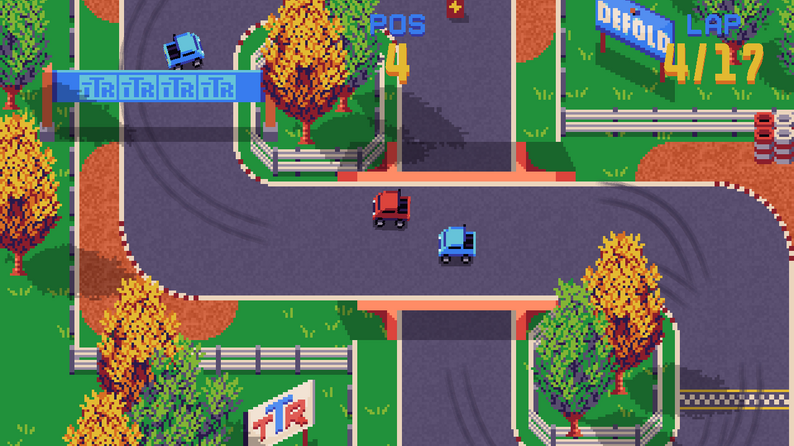
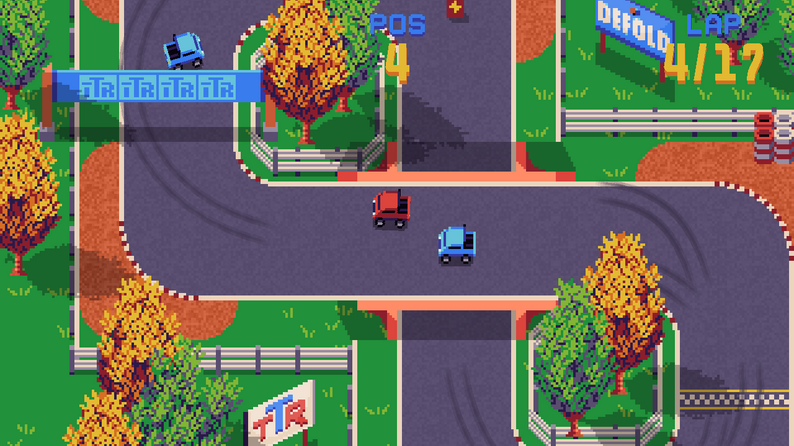
- Tiny Truck Racing: Born from the Made With Defold Jam 2024, this title emphasizes pure, unadulterated gameplay. With its three distinct modes—Single Race, Tournament, and Time Trial—it provides a classic arcade loop. The inclusion of nitro mechanics adds a layer of depth to the track-navigation, appealing to those who prefer reflexes over narrative.
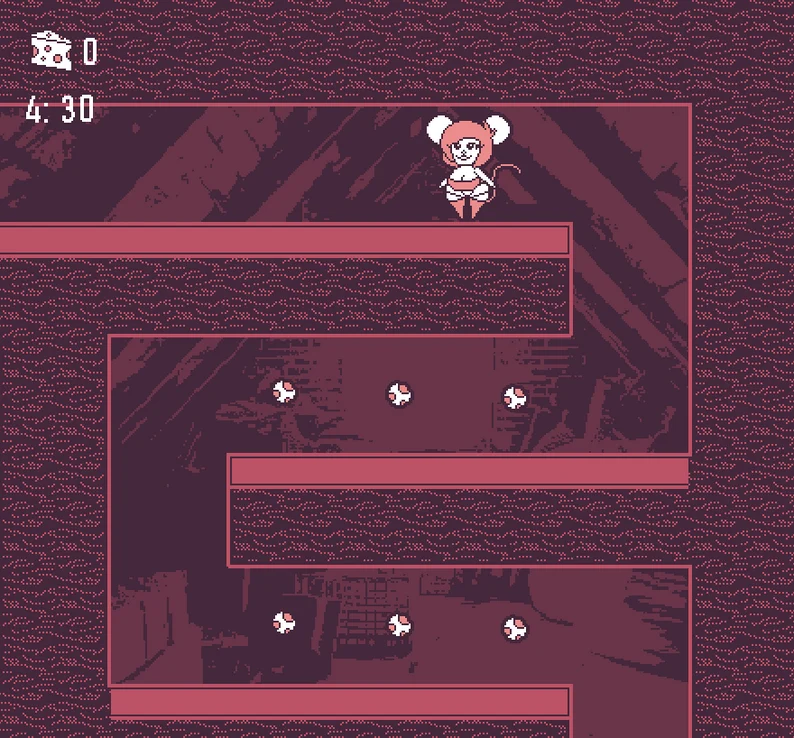
- Mouse Mouse: Perhaps the most experimental of the current batch, this platformer demands that players control the avatar with the physical mouse itself. It is a brilliant subversion of muscle memory, forcing players to relearn how to jump and climb in a 48-hour development window.
Strategic Management and Idle Mechanics
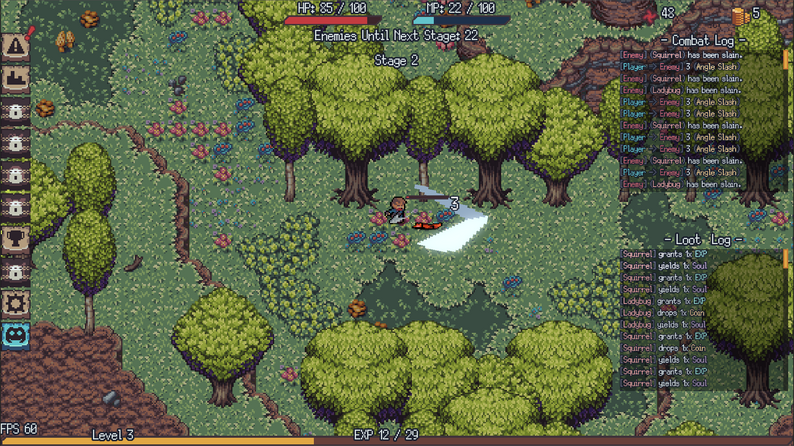
- Nomad Idle: Representing the "set it and forget it" school of design, Nomad Idle has recently seen major updates that refine its auto-battler loops. It is the perfect companion for a multitasking weekend, rewarding the player for tactical choices in skill selection and equipment crafting without demanding constant input.
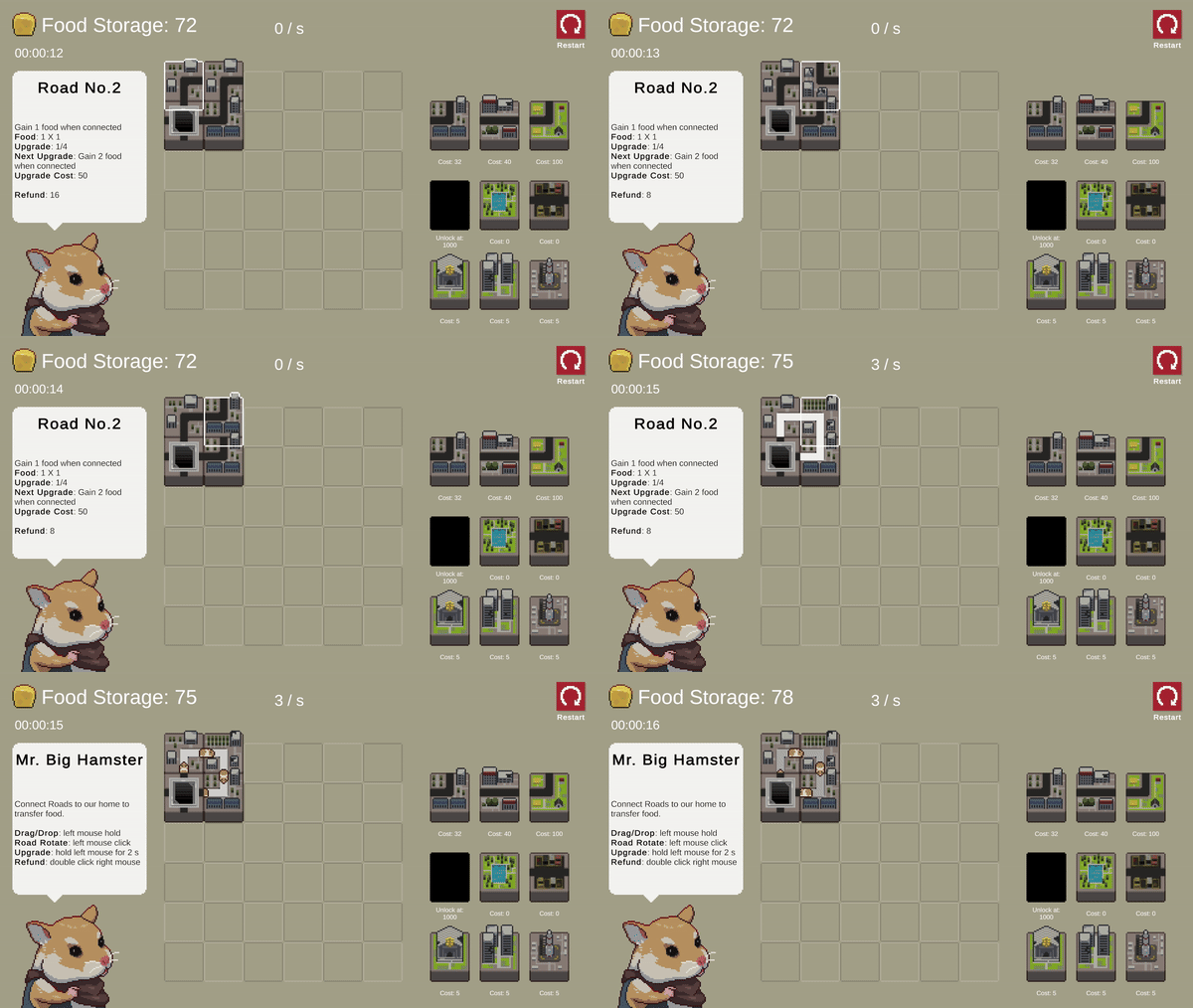
- Hamster Shelter: Another product of the Ludum Dare 56 jam, this game combines the grit of a post-apocalyptic survival theme with the soothing, low-stress gameplay of a resource manager. Its ability to run effectively in the background while the player manages hamster-driven logistics creates a unique, relaxing rhythm.
Horror and The Uncanny
- Laura’s Room: A psychological horror experience that leans heavily into the claustrophobia of the "rainy road" trope. By utilizing the Game Boy aesthetic, it turns the low resolution of the screen into a source of dread, obscuring the "something" that the protagonist is running from.
- Play With Me: This game treats the virtual pet genre with a subversive, spooky lens. By forcing the player to interact with three distinct creatures within a haunted toy, it bridges the gap between the caretaking mechanics of a Tamagotchi and the psychological tension of a horror game.
Physics-Based Innovation
- Jelly Gang: A standout puzzle-platformer that introduces a spatial constraint: the player only controls the characters within a specific "focus region" around the cursor. This requires players to manage a group of 30 characters as a single, squishy, physics-based unit, adding a layer of spatial strategy rarely seen in platforming.
Official Perspectives and Community Discourse
The vitality of this ecosystem is not accidental; it is the result of a symbiotic relationship between platform hosts and developers. In a recent community interaction on the itch.io forums, developers reached out to the platform’s editorial team to understand the criteria for "featured" status.
The response from the platform’s leadership was revealing: "There’s just a lot of interesting games from LD [Ludum Dare]!" This highlights a fundamental truth about the current browser gaming landscape—the sheer volume of high-quality content produced in these short bursts is so high that curation is not just a service, but a necessity.
The community reaction has been largely positive, with developers expressing gratitude for the spotlight. As noted by one participant, "Glad this blog is getting updated again," signaling that players are eager for human-curated lists in an era dominated by algorithmic recommendations.
The Implications: Why Browser Gaming Matters
The rise of these titles carries significant implications for the future of game development.

- Accessibility as Equity: By removing the barrier of hardware requirements, these games are accessible to anyone with a modern web browser, regardless of their financial status or hardware capability.
- Rapid Iteration: The success of these games proves that a 48-hour development window is sufficient to create a "complete" experience. This is a powerful model for aspiring developers who want to build a portfolio without committing years to a single project.
- The End of the "Full Install" Era? While AAA games will always require local installation for graphical fidelity, the "browser-first" approach is clearly capturing the market for snackable, high-quality entertainment. It suggests a future where the browser is a primary gaming platform rather than a secondary one.
Conclusion: What’s Next?
As we look toward the next cycle of game jams, it is clear that the browser gaming scene is not slowing down. Whether you are looking for the strategic depth of Nomad Idle, the frantic fun of Tiny Truck Racing, or the emotional weight of Dead Names, the web is proving to be a fertile ground for innovation.
For those looking to keep their pulse on the industry, the "New & Popular Browser Games" feed on itch.io remains the most reliable source for the next big discovery. As one developer put it, "I have no other choice but to get into the editor’s heart with our next jam." It is this competitive, creative hunger that ensures the browser gaming ecosystem will remain vibrant, fresh, and perfectly suited for your next lazy weekend.
What will you be playing this weekend? The browser is open, and the games are just a click away.