The Pixelated Portal: Deconstructing itch.io’s "Ameyega Mode" April Fools’ Phenomenon
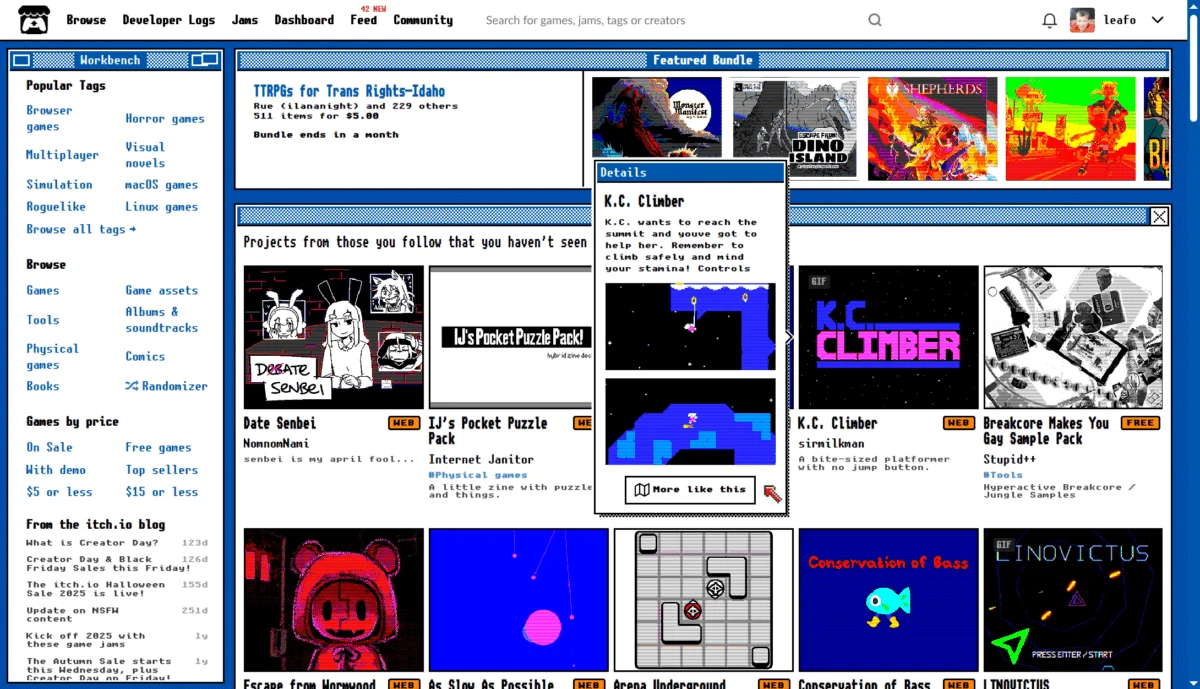
In the digital landscape of independent game distribution, itch.io has long established itself as a bastion of creative freedom and community-driven design. However, this past April 1st, the platform temporarily abandoned its sleek, modern interface for something decidedly more retro. The introduction of "Ameyega Mode"—a radical, ASCII-inspired aesthetic overhaul—sparked a firestorm of community engagement, technical debate, and a renewed conversation regarding the accessibility of web design. While the prank has officially concluded, its ripple effects remain a subject of interest for both users and platform developers.
The Genesis of Ameyega Mode
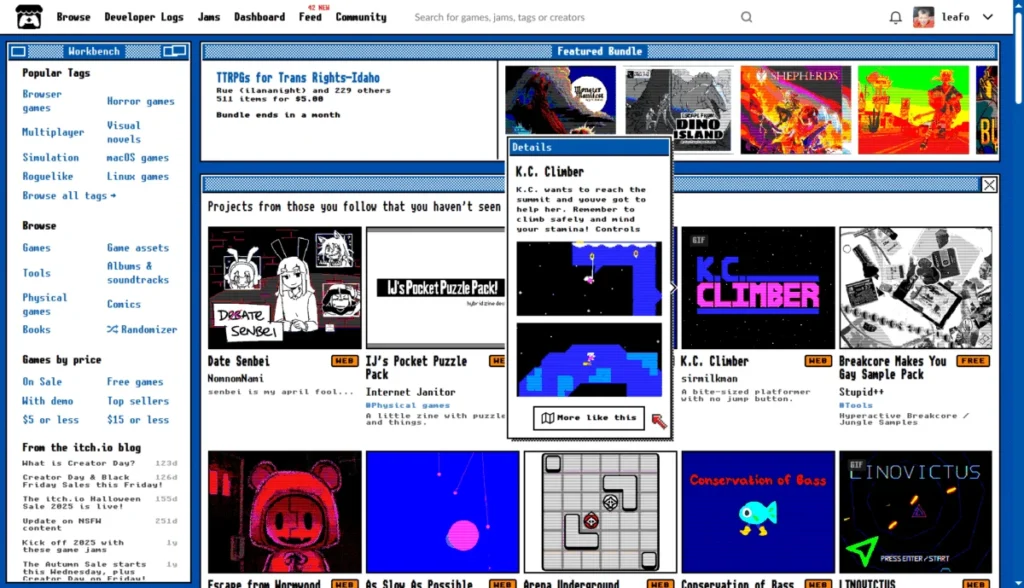
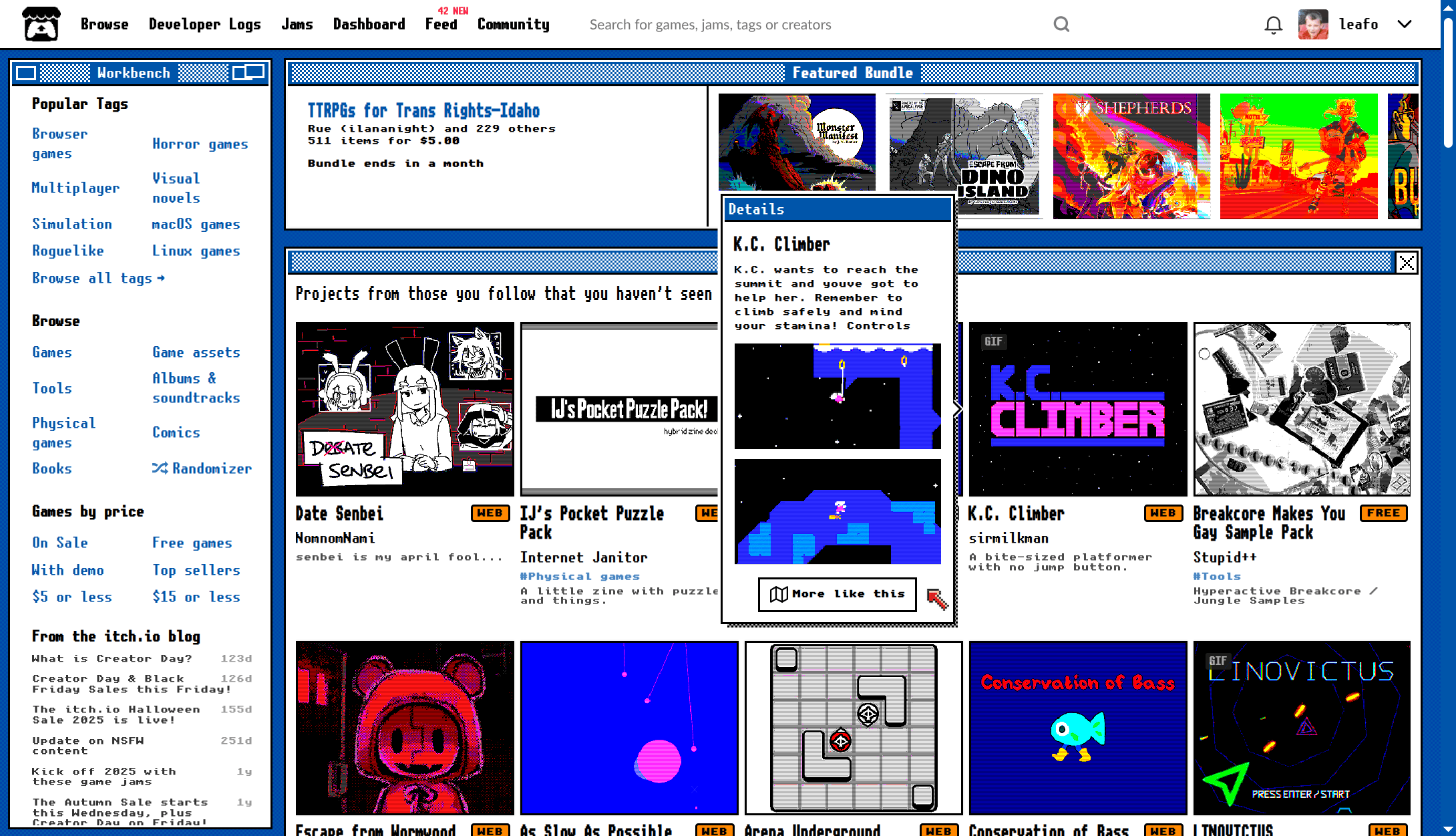
On the morning of April 1st, visitors to the itch.io homepage were greeted by a jarring transformation. The site’s familiar, content-rich layout was replaced by a stark, monochrome, pixel-art interface. Utilizing the Unscii font—a specialized set of bitmap fonts designed for high-density terminal emulation—the platform essentially turned its homepage into a digital artifact reminiscent of the early 1980s computing era.
The update, dubbed "Ameyega Mode" by the itch.io development team, was intended as a lighthearted nod to the "retro-computing" aesthetic that resonates deeply with many of the platform’s indie game developers. By shifting the entire visual identity of the landing page to a terminal-like environment, the team sought to create a "jump scare" of nostalgia. As the developers noted in their official post, the feature was released slightly behind schedule, leading to the decision to keep the mode active for a longer period than a traditional twenty-four-hour prank might warrant.
A Chronology of the Transformation
The lifecycle of Ameyega Mode can be categorized into three distinct phases: the surprise, the friction, and the legacy.
- Phase 1: The Rollout (April 1st). The homepage transitioned to the ASCII theme without prior warning. For many, the initial reaction was one of amusement. The novelty of seeing a modern distribution giant stripped down to its bare, blocky essentials was, for a subset of the audience, an impressive technical feat.
- Phase 2: The Period of Friction (April 1st–April 4th). As the joke persisted, the community’s reaction shifted from amusement to frustration. Technical issues began to surface, particularly regarding the site’s "Dark Mode" compatibility. Users reported that the overlay for Ameyega Mode was not properly respecting user-defined accessibility settings, leading to readability issues.
- Phase 3: The Deactivation (April 5th and beyond). The team eventually rolled back the aesthetic, though they left a permanent easter egg for logged-in users who wish to toggle the view. The site returned to its standard responsive design, though lingering bugs regarding theme toggling were reported by the community in the days following the event.
Supporting Data: Community Sentiment and Technical Feedback
The reaction to Ameyega Mode was decidedly polarized. By analyzing the comment threads associated with the announcement, it becomes clear that the divide was rooted in the tension between "platform identity" and "user accessibility."
The Pro-Nostalgia Camp
Many users praised the creativity of the design. Comments highlighted that the ASCII aesthetic was "charming" and "refreshing," suggesting that the platform should consider implementing such themes as permanent, optional user-interface skins. For these users, the value of the prank lay in the platform’s willingness to experiment with its own brand identity, proving that a major tech site doesn’t always need to take itself so seriously.
The Accessibility and Usability Camp
A significant portion of the user base found the change detrimental to their daily workflow. Because itch.io serves as both a storefront and a community hub, many users rely on the site for professional purposes. The removal of standard readability features—most notably the disruption of Dark Mode—caused physical discomfort for some. One user specifically noted, "I’m disabled and I can’t watch this," underscoring the necessity of maintaining standard interface protocols, even when executing a creative prank.
Technical Challenges
The integration of the Unscii font and the underlying CSS changes required to force the ASCII look created "spillover" effects. Several users noted that once the site returned to normal, their browser’s "Dark Mode" setting remained broken on the landing page for several hours. This suggests that the "Ameyega" patch touched deeper layers of the site’s CSS, highlighting the complexity of applying global theme overrides to a modern, responsive web application.
Official Responses and Platform Accountability
The itch.io team remained relatively low-key throughout the event, offering brief updates rather than extensive justifications. Their primary stance was one of playfulness, characterized by their admission that the prank was extended simply because they were "late" in getting it out.
However, the team’s response to technical feedback was notable. When users reported that the front page was failing to render in Dark Mode even after the event, the development team acted relatively quickly. Within hours of the reports surfacing, the site was patched to restore standard functionality. This reactive approach suggests that while the platform is willing to take risks with its aesthetic, it maintains a core commitment to technical maintenance and user feedback.
Implications for Web Design and Platform Culture
The Ameyega Mode experiment offers several key takeaways for the tech industry, specifically regarding the "April Fools’ Prank" as a marketing tool.
The Dangers of Forcing Design Overlays
For major platforms, the homepage is not just a landing page; it is a utility. When a company forces a drastic aesthetic change, they disrupt the muscle memory of their users. The itch.io experience serves as a cautionary tale: while creative branding can drive engagement, it should ideally be opt-in. By forcing the ASCII theme, the platform inadvertently created a barrier to entry for its own services.
The Value of Nostalgia in Modern Tech
Conversely, the positive feedback regarding the aesthetics of the Unscii font demonstrates that there is a hunger for "minimalist" and "retro" UI options. The fact that users asked for the mode to be kept permanently suggests that platforms could benefit from offering "legacy" or "themed" UI options in their settings menus. Allowing users to choose their aesthetic—rather than forcing it upon them—could satisfy the creative desires of the development team while respecting the comfort of the user base.
Community Trust and Platform Governance
The comments section of the announcement also served as a lightning rod for broader concerns. Users took the opportunity to voice frustration over unrelated issues, such as the inability to post on game pages. This highlights a critical reality for platform managers: when you draw attention to yourself via a high-visibility event (like an April Fools’ prank), you also invite scrutiny on your site’s shortcomings. The "Ameyega" event became a focal point for all existing grievances, turning a lighthearted joke into a venting session for users who felt ignored.
Conclusion
Ameyega Mode will be remembered as a bold, if divisive, moment in the history of itch.io. It succeeded in its primary goal of sparking conversation and highlighting the platform’s unique culture, which values the "indie" spirit above sterile corporate uniformity. However, the ensuing technical headaches and accessibility concerns provide a valuable lesson for the developers: in the digital age, a platform’s duty to its users’ accessibility and utility must always outweigh the impulse to surprise.
Moving forward, the decision to leave the mode as an optional, link-based easter egg is a compromise that satisfies both the creative team and the purists. It preserves the memory of the event without compromising the daily experience of the site’s vast user base. As itch.io continues to grow, it will likely continue to walk this tightrope—balancing the chaotic, creative, and often nostalgic heart of indie gaming with the rigid, professional requirements of a global software marketplace. The pixelated portal of Ameyega Mode was a testament to that balance, reminding us that even in the world of code, there is always room for a little bit of play.