Breakthrough in Oncology: Experimental Vaccine Shows Promise in Intercepting Pancreatic Cancer
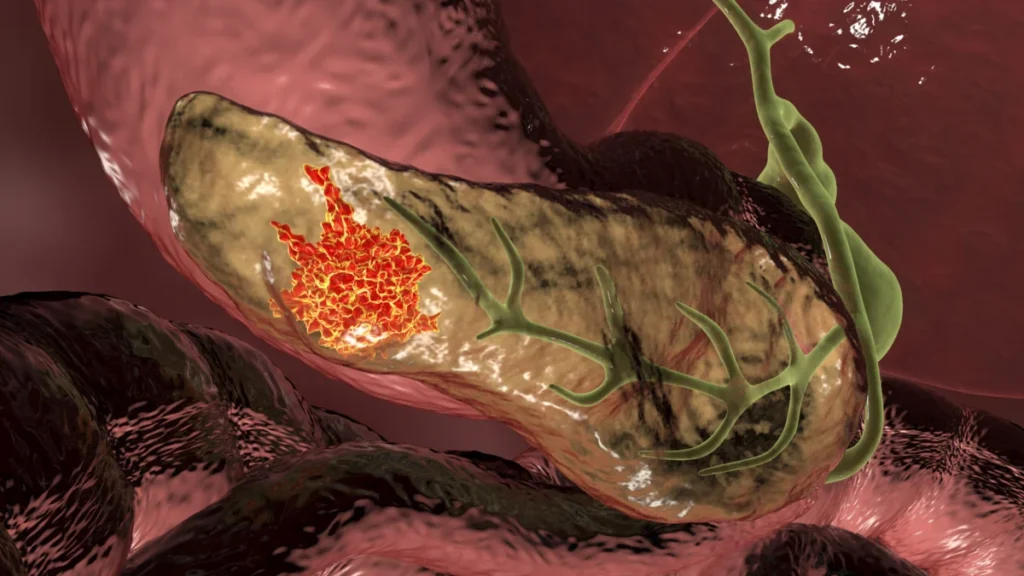
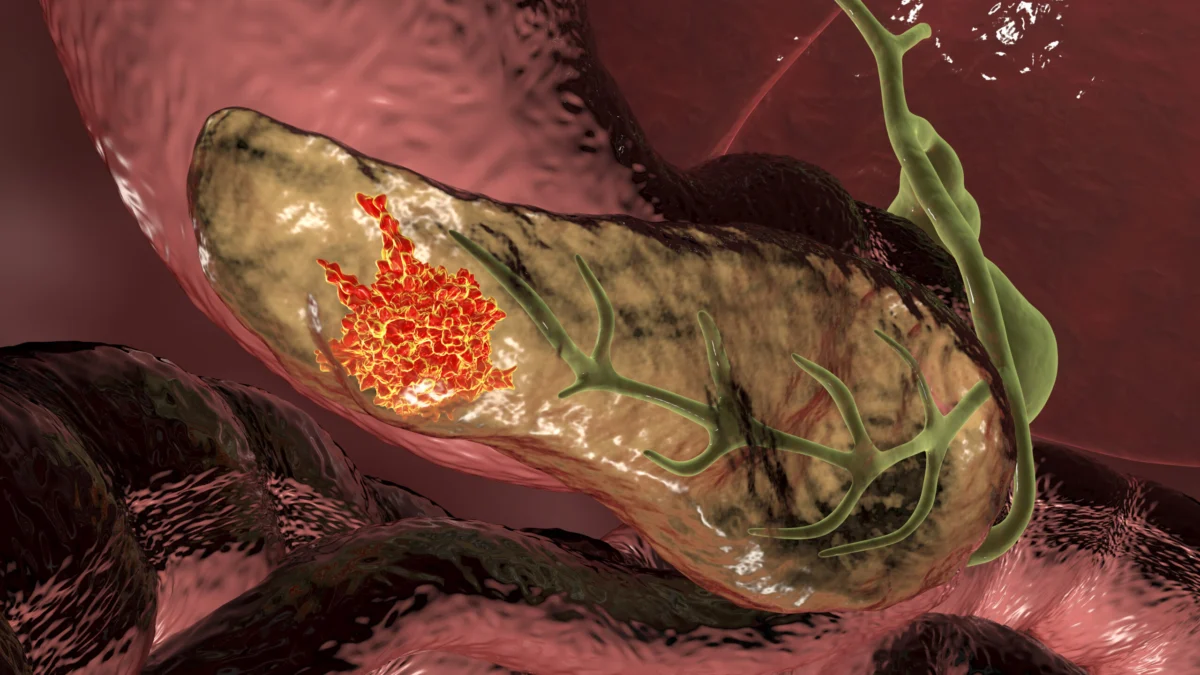
In a landmark development for oncology, researchers at the Sidney Kimmel Comprehensive Cancer Center at Johns Hopkins University have unveiled the results of a pioneering Phase I clinical trial that offers a new frontier in the battle against pancreatic ductal adenocarcinoma (PDAC). The study, published in the journal Cancer Discovery, details the first-in-human testing of a therapeutic vaccine designed to "intercept" pancreatic cancer in individuals at high risk for the disease.
The findings indicate that the experimental vaccine, known as mKRAS-VAX, is not only safe but also highly effective at inducing a durable, targeted immune response. By focusing on the KRAS gene mutations—the primary oncogenic drivers in over 90% of pancreatic cancer cases—the vaccine successfully stimulated specific T-cell responses in 90% of the study participants. This breakthrough provides a critical proof-of-concept for the paradigm shift from treating advanced-stage cancer to preventing it entirely in high-risk populations.
The Landscape of PDAC: A Silent and Aggressive Adversary
Pancreatic ductal adenocarcinoma is widely regarded as one of the most lethal malignancies in modern medicine. Its notoriety stems from a "silent" progression; the disease often develops without symptoms until it has reached an advanced stage, at which point surgical options are limited and the five-year survival rate is alarmingly low.
Approximately 10% of PDAC cases are linked to hereditary factors, where pathogenic mutations are passed through generations. Even for those with a known genetic predisposition or those identified with precancerous lesions—such as pancreatic intraepithelial neoplasia (PanIN) or intrapapillary mucinous neoplasms (IPMN)—the current standard of care is limited to rigorous, often anxiety-inducing surveillance.
"Individuals at high risk due to hereditary predisposition or to the presence of a concerning pancreatic lesion detected on imaging usually undergo surveillance to monitor for changes over time," explains Neeha Zaidi, MD, associate professor of oncology at Johns Hopkins. "If there is a high enough concern for transformation to cancer or if early cancer is detected, the current standard of care is surgical resection. However, the chances of recurrence are up to 80%, and many precursor lesions to pancreatic cancer are microscopic and thus undetectable by imaging."
This gap between detection and prevention is where the Johns Hopkins team sought to intervene, aiming to develop a noninvasive, systemic approach to halt the evolution of these precursor lesions into full-blown, metastatic cancer.
Chronology of the mKRAS-VAX Development
The path to this clinical trial was rooted in years of rigorous preclinical investigation. The development of mKRAS-VAX represents a systematic effort to solve the "mutant KRAS" problem that has long plagued pancreatic cancer researchers.
Preclinical Foundations
The researchers identified the KRAS gene as the primary target due to its ubiquity in PDAC. By engineering an "off-the-shelf" synthetic long peptide vaccine, they targeted the six most common KRAS mutations found in pancreatic cancer. Before entering human trials, the vaccine was subjected to extensive testing in genetically engineered mouse models. These models, designed to mimic human pancreatic cancer development, showed that the vaccine could effectively prevent the progression of early precancerous lesions into aggressive tumors.
The Phase I Clinical Trial
With evidence from the animal models, the research team transitioned to a Phase I trial involving 20 participants. Each individual was categorized as "high risk," either due to hereditary genetic factors or radiographic evidence of small pancreatic cysts.
- Vaccination Protocol: The trial utilized a prime-boost strategy. Participants received three priming doses (at weeks one, three, and five) followed by a final booster dose at week 13.
- Immune Monitoring: Blood samples were collected at various intervals to monitor the T-cell response, with participants offered annual follow-up visits for long-term surveillance.
- Safety and Efficacy Assessment: The primary goal was to ensure the vaccine was well-tolerated while measuring the induction of mutant-KRAS-specific effector and central memory T-cells.
Supporting Data: Immune Response and Clinical Outcomes
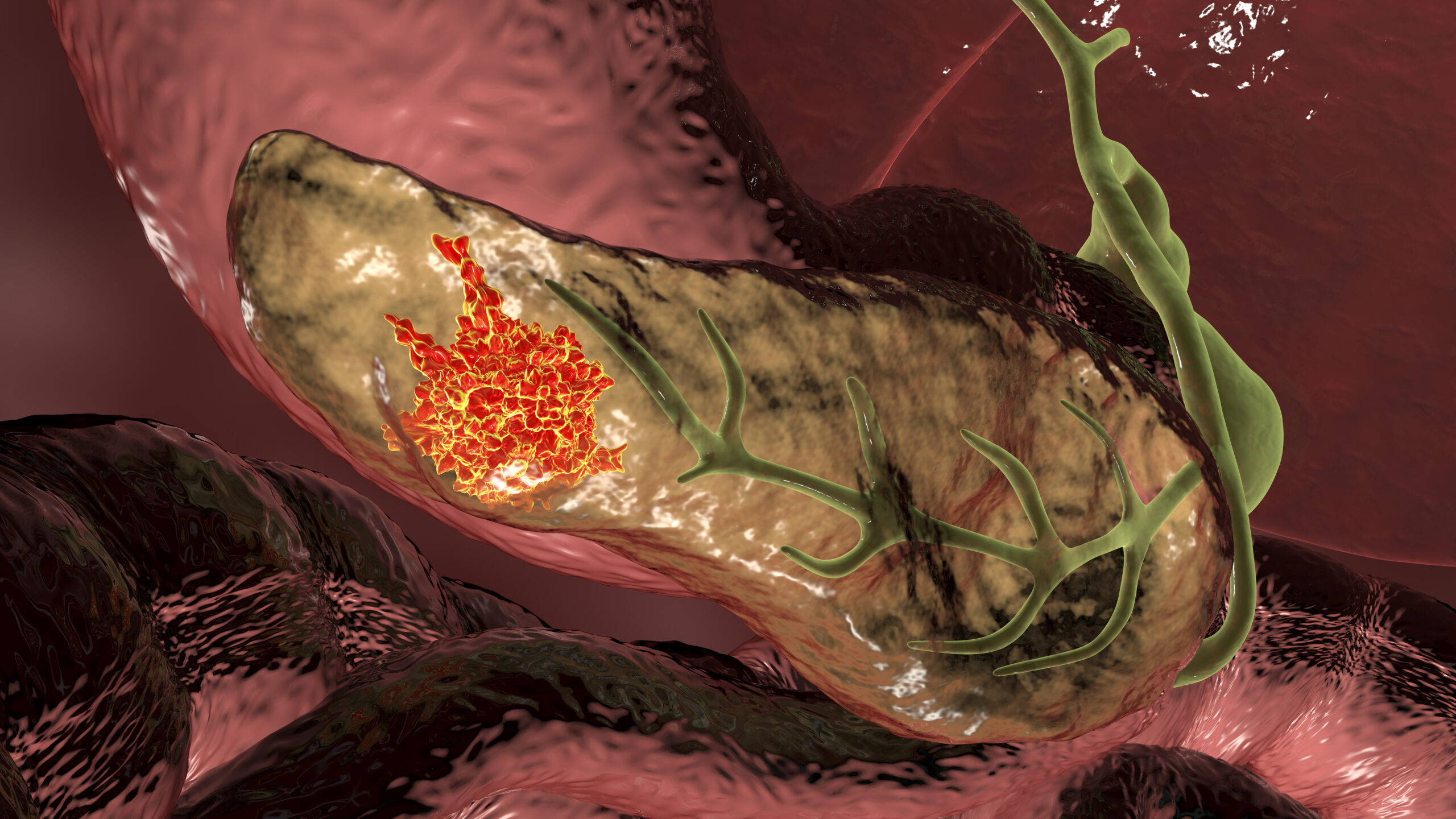
The data yielded by the Phase I trial is being described by many in the medical community as "highly encouraging." The immune response observed in the cohort was robust, with 90% of participants showing a clear, detectable response to the targeted mutations.
Durability of Immunity
One of the most significant metrics in vaccine development is the duration of protection. The study found that the KRAS-specific T-cell responses remained detectable in the blood for up to two years following the initial vaccination. This durability is essential for cancer interception, as the risk of developing pancreatic cancer in this high-risk population is a chronic, lifelong concern.
Clinical Observations
While the trial was not specifically designed as an efficacy study, the clinical observations were noteworthy. After a median follow-up period of 16.5 months, none of the 20 vaccinated participants had developed pancreatic cancer. Furthermore, the researchers observed a striking difference in the status of precancerous cysts. Among the vaccinated group, 37.5% experienced a reduction or resolution of their cysts, compared to only 6.8% in an unvaccinated cohort with similar baseline characteristics.
Official Perspectives: The Experts Speak
The leadership team behind this study emphasizes that while the results are a major milestone, they are a beginning rather than an end.
"Prevention and interception save lives and reduce the morbidity associated with cancer development and progression," states Elizabeth Jaffee, MD, FAACR, deputy director of the Sidney Kimmel Comprehensive Cancer Center. "This is especially important for cancers whose early-onset frequency is increasing and for which we do not have effective methods for early detection."
Michael G. Goggins, MD, a professor of pathology, medicine, and oncology, provided a tempered, scientific view of the data. While he noted the regression of cysts in the vaccinated cohort, he stressed the necessity of caution. "We observed evidence of stability or regression of the pancreatic cysts in association with the induction and durability of KRAS-specific T-cell responses," Goggins noted. "However, larger studies are needed to demonstrate that this effect was in fact due to the vaccine."
Implications for Future Oncology Research
The implications of the mKRAS-VAX study extend far beyond pancreatic cancer. If a vaccine can successfully intercept the progression of precursor lesions, it suggests a new roadmap for managing other high-risk cancer groups, such as those predisposed to ovarian or hereditary breast cancers.
The Path Forward
The researchers acknowledge the limitations of the current study, specifically its small sample size and its status as a non-randomized, non-efficacy-focused trial. The future of mKRAS-VAX will likely involve:
- Larger, Multicenter Trials: To definitively prove that the vaccine causes the regression of precancerous lesions rather than natural biological variance.
- Combination Therapies: Investigating whether the vaccine can be paired with other immunotherapies to enhance the immune system’s ability to clear precancerous cells.
- Refining Targets: Determining if the "off-the-shelf" peptide cocktail can be further personalized or expanded to cover a broader range of mutations.
- Optimal Timing: Identifying the "sweet spot" for vaccination—whether it should be administered as soon as a genetic risk is identified or held until a radiographic lesion appears.
A Call for Funding
As the medical community digests these findings, there is a renewed call for sustained research funding. Pancreatic cancer remains a formidable challenge, but the shift from "watch and wait" to "active interception" marks a historic change in the field.
"This research underscores the need for further funding to support the development of strategies that can intercept and prevent cancer development in high-risk individuals," Dr. Jaffee concluded. "More studies are needed to find the best vaccine approaches, the best targets, and the ideal timing for vaccination."
For patients and families burdened by the hereditary shadow of pancreatic cancer, this study offers the first glimmer of hope that the future of oncology may not just be about surviving a diagnosis, but about ensuring one never happens at all.