Kick-Off 2025: A Comprehensive Guide to the Season of Game Jams
As the industry turns the page to 2025, the independent development scene is experiencing a surge of creative energy. For game developers, hobbyists, and digital artists, the new year represents more than just a calendar reset; it is a prime opportunity to experiment with new mechanics, sharpen technical skills, and connect with a global community through the structured chaos of game jams.
Game jams have evolved from niche hackathons into the backbone of the indie gaming ecosystem. They provide the necessary constraints—time limits, specific themes, and technical requirements—that force developers to innovate under pressure. As we survey the landscape of January 2025, it is clear that the itch.io platform remains the epicenter of this activity, hosting a diverse array of competitions ranging from high-stakes tournaments to cozy, meditative design challenges.
The Main Facts: A New Year of Development
The current wave of game jams in early 2025 is defined by variety. Whether you are a solo developer looking to hone your C# skills or a multi-disciplinary team aiming to build a functional prototype for a portfolio, there is an event tailored to your specific goals.
The primary draw this month is the return of the Pirate Software – Game Jam 16, a hallmark event that commands significant attention due to its scale and professional requirements. Unlike more informal jams, this competition requires a formal Game Design Document (GDD) and a browser-compatible prototype, bridging the gap between casual prototyping and industry-standard development workflows.
Simultaneously, the platform is hosting specialized, niche-focused jams, such as the Horror Ham-Jam 2025 and the Cozy Winter Jam 2025, which allow creators to lean into atmospheric storytelling and aesthetic-driven design. These events prove that the "jam" format is as much about artistic expression as it is about technical prowess.
Chronology of Upcoming and Recent Events
To help developers navigate the busy schedule, we have categorized the current and concluding jams by their operational timelines.
The Upcoming Slate (Late January)
- Horror Ham-Jam 2025 (Jan 16 – Feb 2): This event focuses on spatial constraints. Participants are tasked with creating a horror-themed experience within a confined or restricted environment. The addition of a mandatory asset bundle adds a layer of technical challenge, requiring participants to integrate specific pre-made elements into their horror vision.
- Pirate Software – Game Jam 16 (Jan 17 – Jan 31): Perhaps the most anticipated event of the month, this bi-yearly competition allows teams of up to five. Judging is rigorous, spanning playability, theme implementation, and "cleverness," with a dedicated period for expert review leading into mid-February.
- Mini Jam 176: Foxes (Jan 17 – Jan 20): Designed for those who prefer intensity, this 72-hour sprint requires developers to incorporate a surprise limitation introduced at the kickoff. It is a masterclass in rapid prototyping.
- Road Trip Game Jam (Jan 23 – April 23): Standing in stark contrast to the short-form jams, this event offers a generous three-month window. It encourages developers to explore the "road trip" aesthetic, welcoming both digital games and analog/tabletop projects.
- Cozy Winter Jam 2025 (Jan 23 – Jan 26): A celebration of the season, this jam focuses on the "cozy" genre. The event is short, ranked, and community-focused, providing a low-pressure environment for creators to explore winter-inspired mechanics.
- ScoreSpace Jam #33 (Jan 24 – Jan 27): This is a performance-based challenge. Participants must build games that prioritize high-score systems. The top entries are destined for a streamer showcase, making it a high-visibility event for those interested in building arcade-style engagement.
Recently Concluded Events
- GDKO 2025 – Round 1: Often compared to the "Squid Game" of indie dev, this knockout tournament concluded its first round on January 14th with a staggering 215 submissions. It serves as a benchmark for how competitive the scene has become.
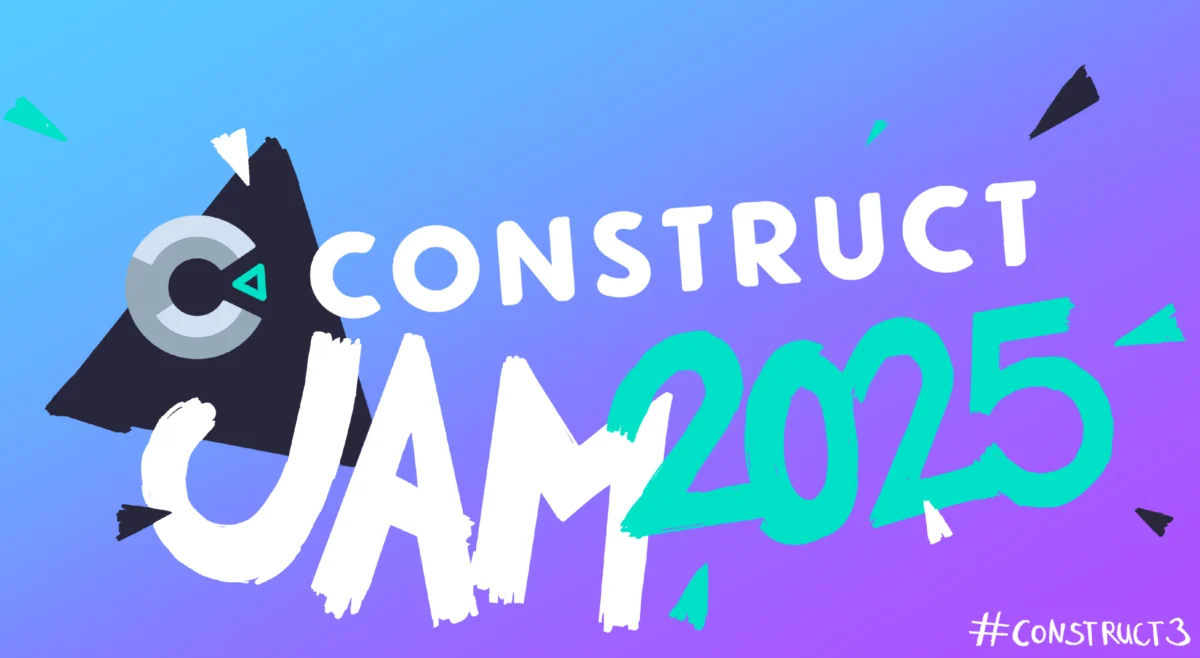
- CONSTRUCT JAM 2025: Focused specifically on the Construct engine, this jam concluded its voting period on January 20th. It highlighted the platform-specific creativity that occurs when developers are restricted to a single engine architecture.
Supporting Data and Technical Requirements
The complexity of modern game jams is reflected in the diverse technical requirements imposed on participants.
For the Pirate Software – Game Jam 16, the requirement for a Game Design Document (GDD) is a notable shift toward professionalism. In the industry, a GDD serves as the "source of truth" for a project; requiring it in a jam forces participants to consider the scope and feasibility of their ideas before writing a single line of code. This reduces the "feature creep" that often plagues amateur projects.

Furthermore, the integration of leaderboards in ScoreSpace Jam #33 demonstrates a shift toward data-driven design. Participants must not only develop a game but also implement a functional leaderboard API or manual tracking system that allows for verifiable, competitive play. This adds a layer of backend engineering that is rarely seen in standard 48-hour jams.
Official Responses and Industry Sentiment
The itch.io platform remains the primary host for these events, though it is not without its critics. While the platform provides essential infrastructure for discovery, recent discourse within the itch.io community reveals a growing tension between creators and platform management.
In the comments sections of official blog posts, users have raised concerns regarding site-wide content changes and the perceived lack of transparency from the platform’s leadership. Specifically, creators have noted the frequent disabling of comment sections on certain policy-related updates, leading to a vocal segment of the user base calling for greater accountability. Despite these administrative grievances, the community’s enthusiasm for the jams themselves remains undiminished. The proliferation of user-generated comments—ranging from requests to check out specific submissions to debates over the use of AI in thumbnails—indicates that the platform serves as a vibrant, if sometimes contentious, town square for the industry.
Implications for the Future of Indie Dev
The 2025 game jam calendar suggests several long-term trends for the independent game development sector:
- Specialization: We are seeing a move away from generic "anything goes" themes toward hyper-specific constraints (e.g., "Road Trip," "Foxes," "Confined Horror"). This forces creators to find unique angles within narrow creative boundaries.
- Tournament-Style Development: The success of events like the GDKO tournament implies that developers are increasingly drawn to "survival" formats. These tournaments create a narrative arc, turning the development cycle into a spectator sport that generates buzz across social media and streaming platforms.
- The Rise of Hybrid Jams: The inclusion of analog/tabletop games in events like the Road Trip Game Jam signals a broader definition of what "game development" means in 2025. The digital and physical realms of game design are increasingly overlapping.
- Community-Driven Curation: With hundreds of submissions per jam, the role of the streamer and the community voter has become vital. The success of a game is no longer determined solely by its code, but by its "streamability" and the ability of the developer to market their project within the short span of the jam’s voting period.
Conclusion
For those looking to kick off 2025 with a creative project, the options are as varied as they are challenging. Whether you choose to participate in a high-intensity 72-hour sprint or a leisurely three-month development marathon, the value of the game jam remains consistent: it is the fastest way to learn, fail, and improve.
As we look toward the remainder of the year, these jams serve as a barometer for the health of the indie scene. Despite the platform-level frictions mentioned by some in the community, the sheer volume of high-quality submissions—as evidenced by the GDKO 2025 figures—proves that the desire to create, share, and compete is stronger than ever. Developers are encouraged to browse the full itch.io jams page and consider hosting their own events to foster the next generation of creative breakthroughs. In an industry defined by rapid change, the ability to build something from nothing in a matter of days remains the ultimate superpower.