Oppo Watch X3 Review: A Battery-First Powerhouse That Challenges the Wear OS Status Quo
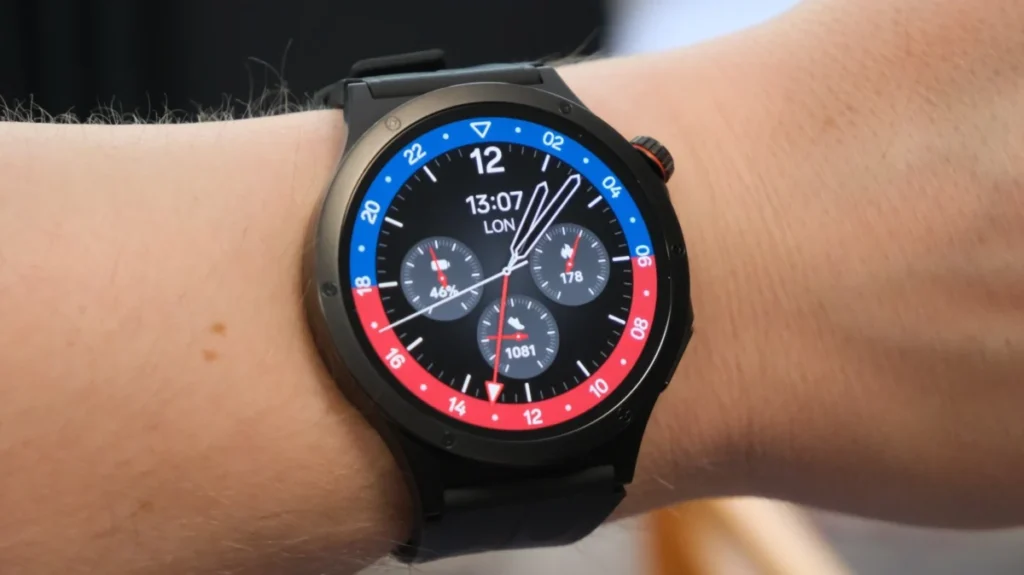
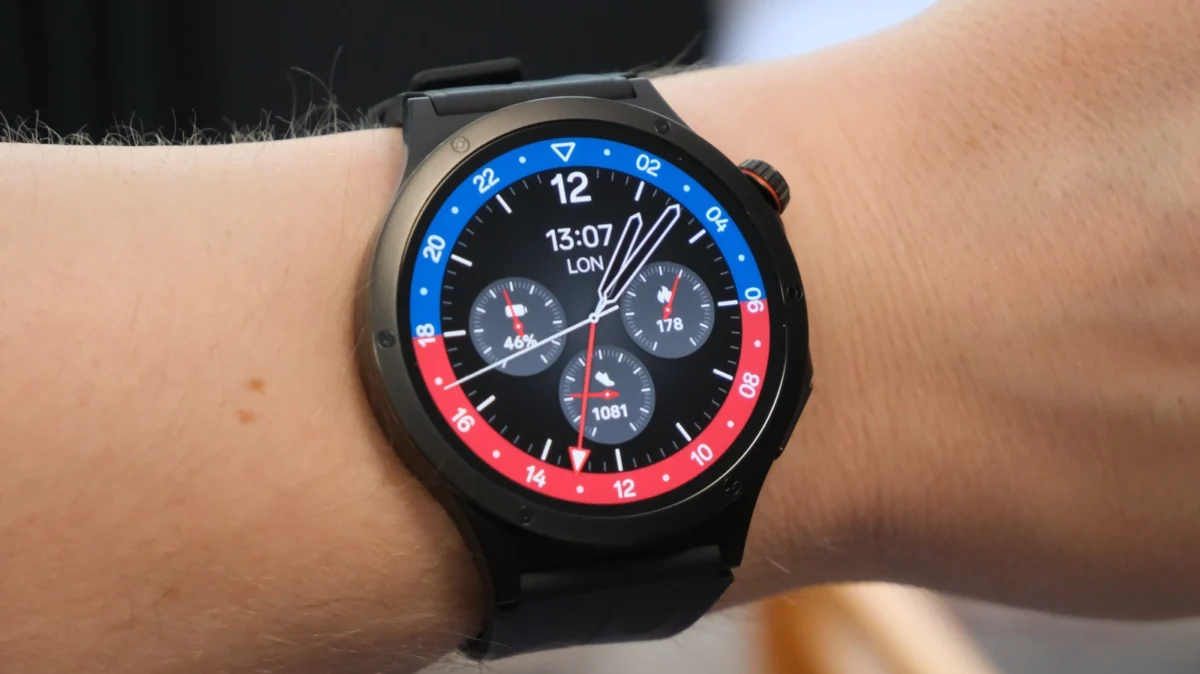
In an industry where smartwatch manufacturers frequently sacrifice longevity at the altar of thin bezels and "vibes," Oppo has taken a decidedly different approach. The new Oppo Watch X3 arrives not just as a competitor to the heavyweights of the wearable space, but as a direct challenge to the notion that a high-performance smartwatch must be tethered to a charger every 24 hours. While it shares more than a passing resemblance to its corporate cousin, the OnePlus Watch 3, the X3 distinguishes itself as one of the most robust, long-lasting, and versatile Wear OS 6 devices currently on the market.
The Core Proposition: Battery Life as a Feature
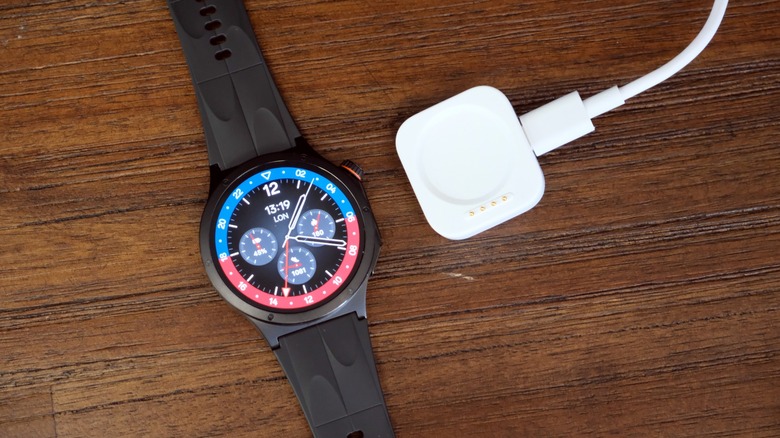
The primary selling point of the Oppo Watch X3 is its sheer endurance. Equipped with a massive 646mAh battery—incorporating 10 percent silicon content for increased density—the X3 dwarfs the power cells found in the Samsung Galaxy Watch 8 and the Google Pixel Watch series.
In real-world testing, this engineering decision pays off in spades. With the Always-On Display (AOD) active from 8:00 AM to 9:00 PM, the watch comfortably delivers three days of intensive use. For users who prefer a "lift-to-wake" configuration, that endurance stretches to an impressive five days. This longevity fundamentally changes the user experience; for the first time in years, the "battery anxiety" that plagues Wear OS users is effectively neutralized.
Hardware and Design: A Titanium-Clad Utility
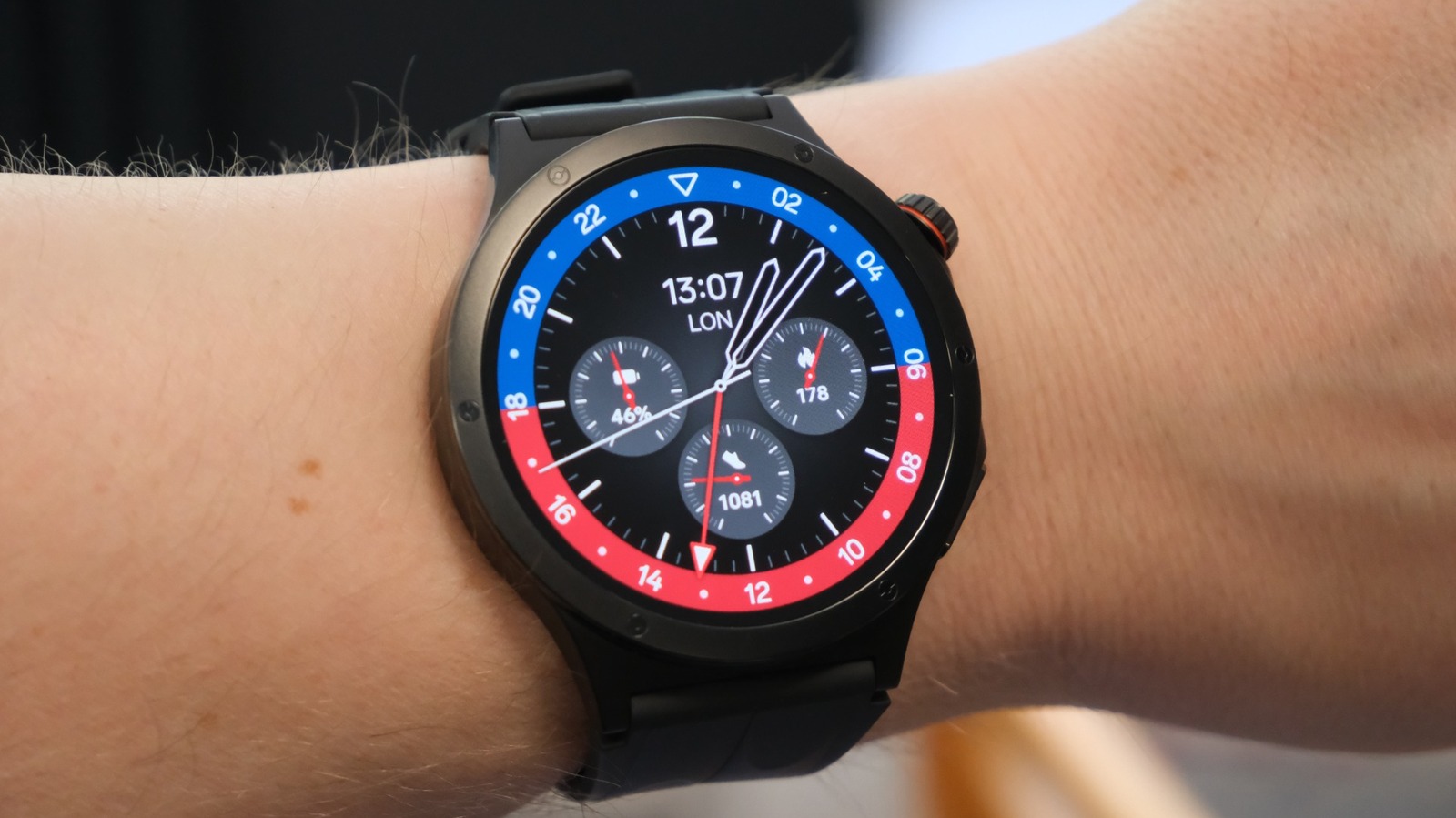
The Oppo Watch X3 features a 47mm titanium case, a choice that signals its intent as a durable, premium piece of hardware. The aesthetic leans toward the functional, bridging the gap between a rugged, outdoor-focused Garmin device and the more refined, software-heavy world of modern smartwatches.
Technical Specifications at a Glance
- Display: 1.5-inch 466 x 466 LTPO AMOLED
- Processor: Dual-chip setup (Snapdragon W5 + BES2800BP)
- Memory: 2GB RAM
- Storage: 32GB internal
- Build: Titanium casing with faux-rivet bezel styling
The design choices—specifically the right-shoulder-mounted crown and the lower-positioned action button—provide a tactile, satisfying interface. While the "faux-rivet" bezel styling might feel slightly aggressive to those accustomed to the minimalist look of an Apple Watch, it serves a purpose: it provides a rugged, industrial aesthetic that feels capable of handling physical stress.
Chronology of the User Experience
Living with the X3 for two weeks reveals a device that is as resilient as it is functional. Throughout a period of intentional "neglectful" use—exposing the watch to grit, soil, and hard surfaces during manual labor—the titanium casing and the display crystal remained entirely unscathed.
However, the user experience is not without its idiosyncratic "growing pains."
- Initial Setup: The watch proved to be a highly responsive piece of hardware. Transitions between apps are fluid, and the dual-processor architecture handles multitasking without the stuttering often seen on older Wear OS iterations.
- Sleep Tracking: Early on, a lack of manual sleep-mode activation led to the watch vibrating at 5:00 AM. It serves as a reminder that despite the sophisticated AI integrations, the watch still requires user configuration to fully integrate into a daily routine.
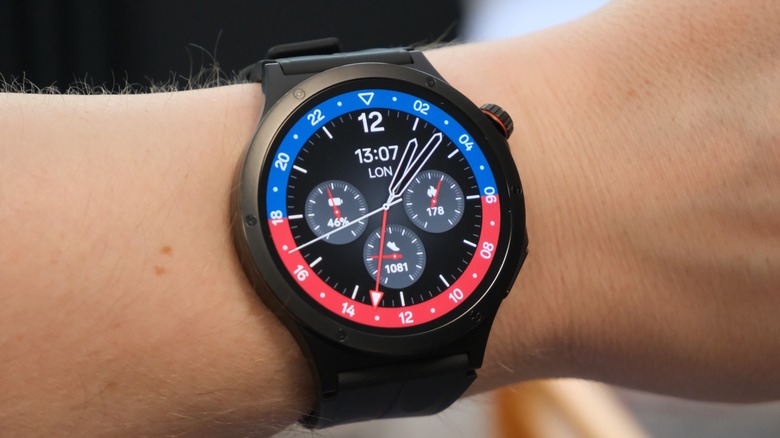
- Software Quirks: The watch faces occasionally cycled without user input, and the customization options for data-heavy faces like "Twin Time" felt surprisingly limited. Users cannot map specific data points to the subdials, which limits the utility of the display.
Supporting Data: The Wear OS Ecosystem and AI Integration
The X3 runs on Wear OS 6, a platform that is maturing rapidly but still suffers from design choices that favor "feature-stacking" over intuitive navigation.
The App Menu Dilemma
One of the most significant criticisms of the current Wear OS interface is the "constellation" of shortcuts. Rather than nesting tools like the stopwatch, alarm, and timer within a single, coherent utility pane, the system scatters them. This creates a usability barrier where simple tasks require hunting through an app grid that feels needlessly cluttered.
AI and Connectivity
Long-pressing the digital crown engages Google’s Gemini AI. The implementation is clever, particularly with the inclusion of built-in Wi-Fi. During testing, the watch successfully maintained access to Gemini for voice-prompted tasks—such as setting kitchen timers—even when the paired smartphone was charging in a distant room. The only significant hardware drawback here is the built-in speaker; while functional, it is prone to clipping and distortion when pushed to higher volume levels.
The "TikTok" Factor
Oppo has included a niche but functional feature: remote control for short-form video apps. By selecting a specific app, the watch face transforms into a four-way control pad for TikTok and YouTube Shorts. While the utility of scrolling social media from your wrist is debatable, the technical execution is flawless.
Fitness Tracking: A Tale of Two Sensors
The fitness tracking suite on the X3 is, at best, inconsistent. During controlled activities like walking, the watch is near-perfect, utilizing an aggressive auto-detection algorithm that retroactively accounts for the start of a workout.
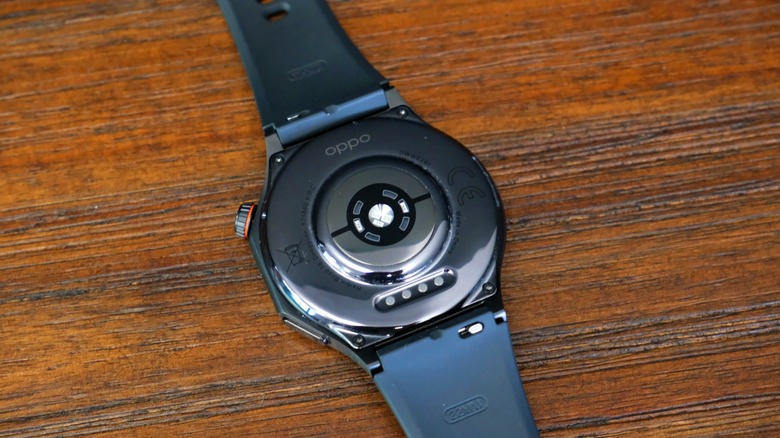
Conversely, the device struggles with non-standard exertion. During eight hours of manual labor involving heavy lifting and digging, the watch failed to register a workout, despite the heart rate monitor confirming a significantly elevated metabolic rate. Furthermore, when compared to specialized health wearables like Oura or Ultrahuman rings, the X3’s sleep and heart rate data appeared skewed, suggesting that the watch’s algorithms may be less precise than the hardware suggests.
Official Responses and Market Implications
The relationship between Oppo and OnePlus remains a point of intense speculation. With rumors suggesting that the OnePlus brand may be sunsetting in Western markets, the Watch X3 appears to be the logical successor to the OnePlus Watch 3.
For the average consumer, the primary "implication" is one of availability. The Watch X3 is not currently enjoying a wide, official retail presence in the United States. Prospective buyers are forced to rely on third-party importers. This creates a significant barrier to entry:
- Warranty and Support: Users outside of official sales regions may find it difficult to secure repairs or technical support.
- Market Competition: By creating a device that beats Google and Samsung on battery life and build quality, Oppo has effectively put the rest of the industry on notice. If they can streamline the software interface and improve the health tracking algorithms, the "Oppo way" of building smartwatches could set the new industry standard.
Conclusion
The Oppo Watch X3 is a triumph of hardware over software. It is a device built for people who want a watch that lasts, a watch that looks like a serious tool, and a watch that refuses to be a burden on their daily schedule.
While the software requires a more polished approach to data presentation and the fitness tracking needs a more nuanced algorithm for non-standard movement, these are fixable hurdles. For the user willing to navigate the complexities of importing the device, the X3 offers a level of performance that makes the current generation of mainstream Wear OS devices feel, by comparison, somewhat unfinished. If you can move past the niche availability, you are looking at one of the most capable, long-lived wearables on the market today.