Samsung Signals a Paradigm Shift: Teasing a Radical New Form Factor for Future Foldables
As the technology industry prepares for the next iteration of Samsung’s highly anticipated Unpacked event, the South Korean tech giant has begun to pull back the curtain on a design evolution that could fundamentally alter the foldable smartphone landscape. Eschewing the narrow, elongated silhouettes that have defined the Galaxy Z Fold series for years, recent cryptic teasers suggest that Samsung is pivoting toward a "boxy" design philosophy.
This move represents more than a mere aesthetic choice; it signals a strategic attempt to solve one of the most enduring criticisms of foldable technology: the awkward aspect ratio of the primary display. By embracing a wider, more horizontal footprint, Samsung is positioning its next generation of devices to bridge the gap between pocketable smartphone and immersive, cinematic tablet.
Main Facts: A Shift Toward the "Widescreen" Foldable
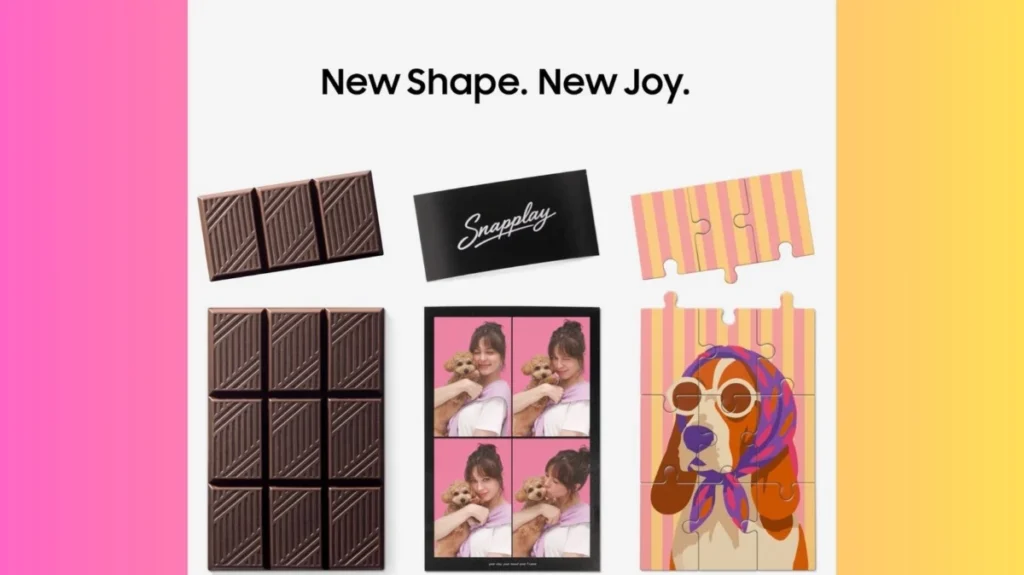
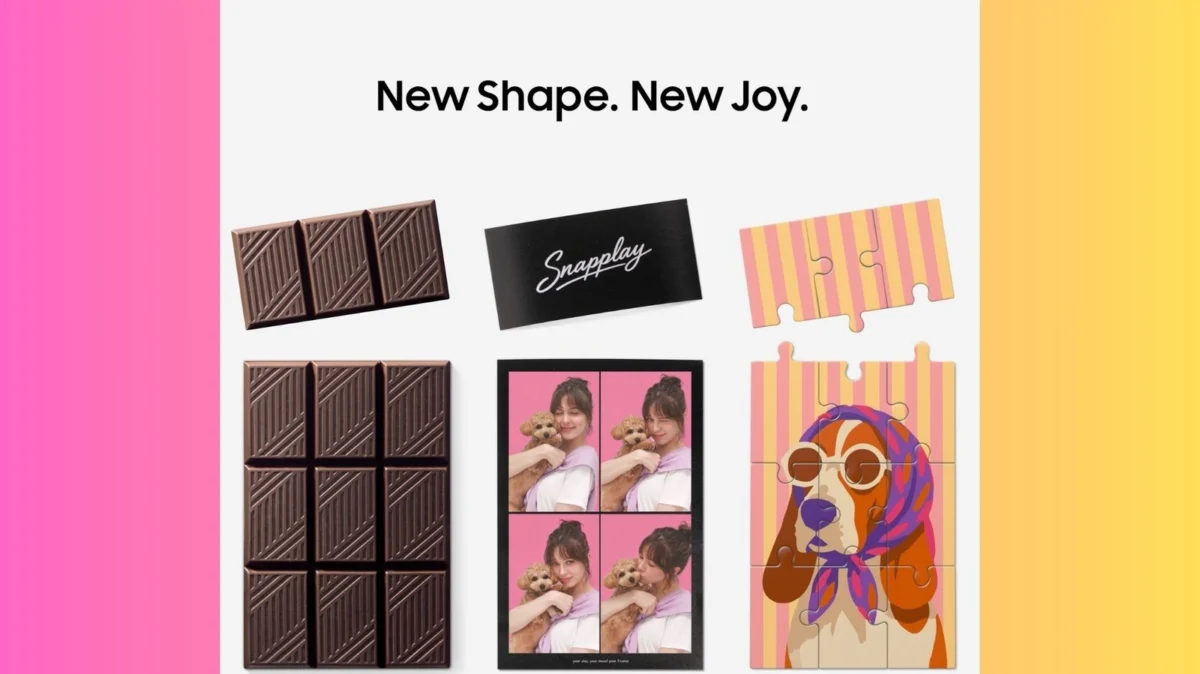
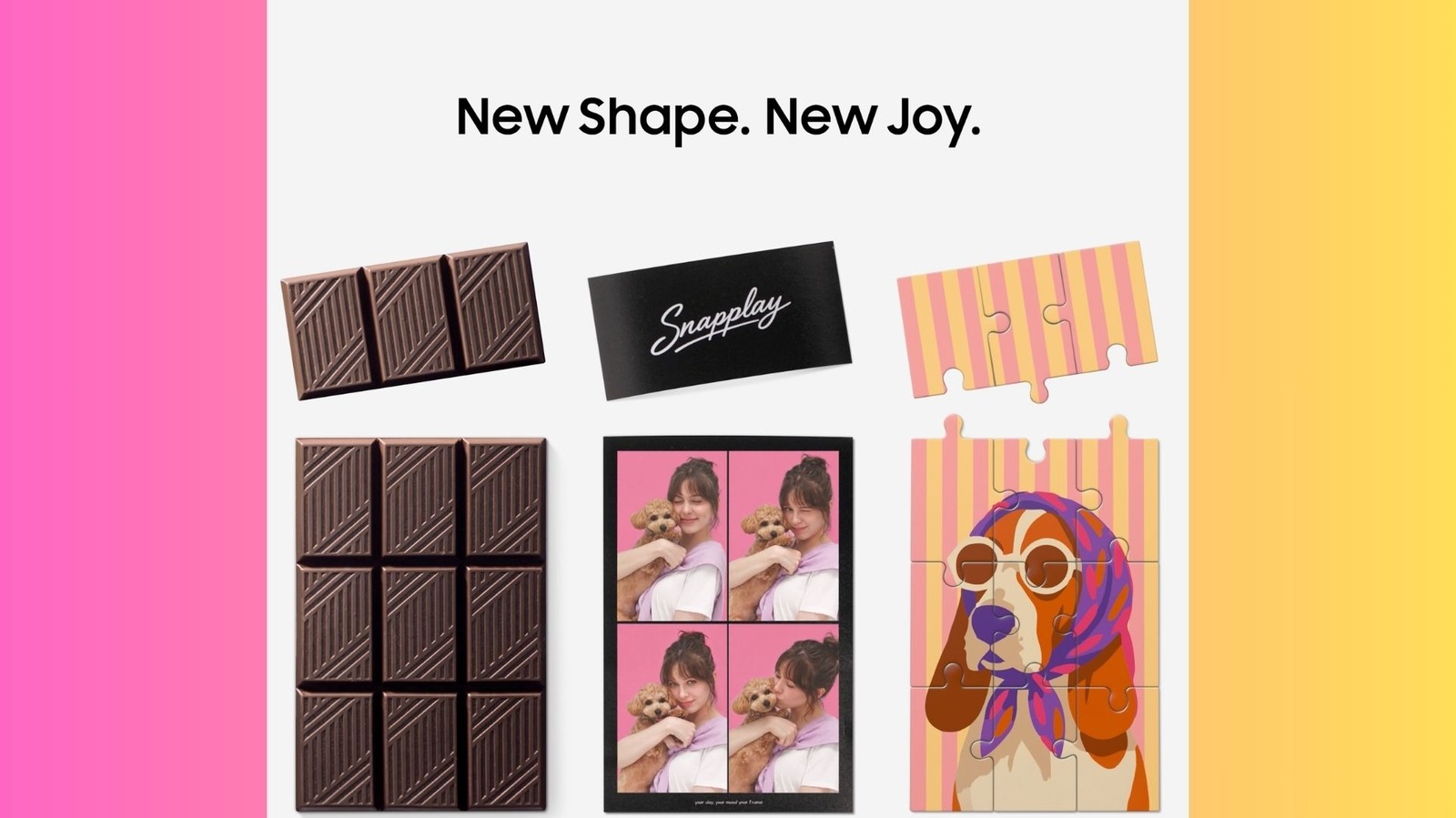
The rumors that have circulated through the tech community for months appear to have found their confirmation in a series of social media clips released by Samsung. Rather than showcasing a hardware render, these teasers utilize metaphorical imagery—including a segmented chocolate bar and a fragmented jigsaw puzzle—to illustrate a departure from the "tall and thin" architecture of current foldable devices.
The Technical Pivot
The core of this design change lies in the folded aspect ratio. Current market leaders in the foldable space typically mimic the width of a standard slab smartphone, resulting in a device that feels cramped for typing and suboptimal for media consumption when unfolded. By adopting a "shorter and stockier" closed profile, Samsung is reportedly aiming to achieve a more natural, widescreen orientation when the device is fully opened.
This shift addresses a primary pain point: the "blocky" tablet feel that often plagues wide-open foldables. With a more balanced aspect ratio, the inner screen could potentially offer a better viewing experience for movies and productivity apps, moving away from the square-ish canvases that often lead to excessive "letterboxing" during video playback.
A Chronology of the Foldable Evolution
To understand the magnitude of this shift, one must look at the trajectory of Samsung’s foldable journey since the debut of the original Galaxy Fold in 2019.
2019–2021: The Formative Years
The original Galaxy Fold was an experiment in durability and utility, featuring a narrow outer display that many users found difficult to navigate. The subsequent Z Fold 2 and Z Fold 3 refined the hinge mechanics and water resistance, but the narrow-width design remained a staple, largely due to the physical constraints of folding a display without creating an unwieldy, overly thick device.
2022–2023: Refining the Verticality
During this period, Samsung doubled down on its commitment to the "Candy Bar" aesthetic. While competitors like Google (with the Pixel Fold) and various Chinese manufacturers began experimenting with wider, more passport-like form factors, Samsung remained loyal to its tall, narrow aspect ratio. This design choice was often defended by the company as being more ergonomic for one-handed operation.
2024: The Era of Experimentation
The 2024 cycle marked a turning point. The release of the Galaxy Z TriFold—an ambitious, multi-hinged device—demonstrated that Samsung was willing to move beyond the traditional dual-panel format. While the TriFold was a niche release in specific markets, it served as a proof-of-concept for the company’s internal R&D teams.
2025: The "Boxy" Revolution
Now, entering the next Unpacked cycle, the narrative has shifted. Samsung is moving away from the "tall and thin" orthodoxy, signaling a design philosophy that prioritizes screen real estate efficiency over the traditional "phone-first" dimensions.
Supporting Data: Why Aspect Ratio Matters
The consumer response to foldable devices has always been split by the "Outer Screen Dilemma." Data collected by industry analysts indicates that the primary reason users return to slab phones after trying a foldable is the narrow outer screen.
- Typing Accuracy: Narrow screens lead to a higher rate of typos for the average user, as the virtual keyboard is compressed.
- Media Consumption: A wider inner display, enabled by a wider outer body, significantly increases the "active area" for video content. Current Z Fold devices often lose 30-40% of their screen space to black bars when playing standard 16:9 content.
- Multitasking: A wider canvas allows for a more natural side-by-side app layout. Instead of two tall, thin windows, a "boxy" foldable can support two near-square windows, which are better suited for reading documents, editing photos, and multitasking.
Furthermore, supply chain reports suggest that the display industry has finally matured enough to produce durable, wider flexible OLED panels that do not suffer from the "crease fatigue" that plagued earlier iterations. Samsung’s pivot suggests that they have mastered the structural integrity required to support a wider hinge without sacrificing the device’s longevity.
Official Responses and Corporate Strategy
While Samsung has not yet provided a formal press release detailing the specifications of the upcoming device, the company’s social media presence has been uncharacteristically transparent. By engaging in "tease-marketing," Samsung is attempting to manage consumer expectations and generate early hype in a market that has seen a slight stagnation in foldable adoption.
Industry insiders suggest that this move is a direct response to intensifying competition. With the entrance of players like Honor, OnePlus, and Google into the high-end foldable market, Samsung’s "default" status is being challenged. By shifting the form factor, Samsung is essentially resetting the "standard" for what a foldable should look like, forcing competitors to play catch-up with their hardware manufacturing processes.
"The goal," says one industry analyst, "is to make the foldable feel less like a specialized tool for enthusiasts and more like a high-performance, everyday driver that doesn’t compromise on display comfort."
Implications: The Future of the Mobile Landscape
The shift to a wider, boxier form factor has massive implications for both software developers and hardware manufacturers.
Impact on the Android Ecosystem
For software developers, a change in aspect ratio is not a trivial matter. Android apps have historically struggled with the dynamic resizing required by foldables. If Samsung moves to a wider standard, the "Samsung-standard" aspect ratio will become the new target for developers optimizing their apps for large screens. This could lead to a massive improvement in app compatibility across the entire Android foldable ecosystem.
Impact on Hardware Accessories
A move away from the tall-and-thin design renders a generation of cases, mounts, and docks obsolete. This creates a lucrative opportunity for the accessory market but may cause some friction for early adopters who expect their existing hardware to be forward-compatible.
Will This Replace the Slab?
The ultimate question remains: will this new form factor finally bridge the gap to the mainstream? If Samsung can successfully market the "widescreen experience" without making the device feel like a bulky brick in the pocket, they may well convince the remaining 90% of smartphone users who have stayed on slab devices.
The transition to a boxier format represents a maturing of the technology. It acknowledges that the "foldable" is no longer just a smartphone that bends, but a new category of computing device that demands its own ergonomic standards.
Conclusion: A Turning Point for Unpacked
As we look toward the next Unpacked event, the air of anticipation is palpable. Samsung’s teasers are a calculated effort to steer the conversation toward innovation rather than iteration. By moving toward a wider, more versatile form factor, the company is proving that it is not content to sit on its laurels.
Whether this move will be remembered as a bold, necessary evolution or a temporary dalliance with design trends remains to be seen. However, one thing is certain: the era of the "tall and thin" foldable is drawing to a close. If the rumors hold true, the next generation of Samsung devices will be shorter, wider, and—if the marketing holds up—much better equipped to handle the demands of the modern mobile user. We will be watching closely as the official reveal approaches, ready to see if the reality of the hardware can match the promise of the puzzle pieces.