Small Scale, Massive Creativity: A Retrospective on Ludum Dare 56
The global game development community recently concluded one of its most anticipated recurring events: Ludum Dare 56. Between October 4th and October 7th, 2024, thousands of independent developers, hobbyists, and industry professionals converged online to participate in a 48-to-72-hour game jam. This edition centered on the theme "Tiny Creatures," a prompt that sparked an impressive array of interpretations ranging from the whimsical to the existential.
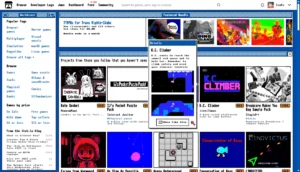
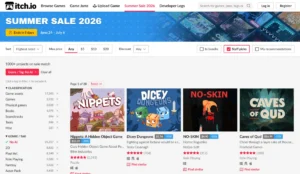
With over 800 submissions tagged specifically for Ludum Dare 56 on the itch.io platform, the sheer volume of output serves as a testament to the enduring vitality of the indie development scene. Following a previous highlight reel, we take a deeper look at the standout titles that pushed the boundaries of the "Tiny Creatures" theme, examining the technical ingenuity required to produce polished, playable experiences under extreme time constraints.

The Chronology of a Jam: 72 Hours of Development
Ludum Dare operates on a strict, high-pressure timeline. The event begins with a theme selection process, where the community votes on thousands of suggestions. Once "Tiny Creatures" was locked in, the clock began to tick.
- The Planning Phase: Developers typically dedicate the first few hours to brainstorming, asset scoping, and selecting engine constraints (such as Godot, Unity, or custom web-based frameworks).
- The Production Sprint: The middle period is marked by intense coding and asset creation. For many, this means "crunching," though the spirit of Ludum Dare emphasizes learning and experimentation over perfection.
- The Final Polish: As the deadline approaches, developers shift focus from feature implementation to bug fixing and build distribution. The final hours are often a scramble to ensure that web-based builds function correctly across different browsers.
This cycle, while exhausting, acts as a crucible. It forces developers to strip away unnecessary complexity and focus on the "core loop"—the primary mechanical interaction that makes a game fun.

The Standout Titles: A Curated Selection
The creativity on display during LD56 was profound. Here are the projects that stood out for their innovation and adherence to the jam’s prompt.
1. Creature Packets
Creature Packets takes an aesthetic leap back to the mid-90s, utilizing a distinct PS1-era visual style to deliver a unique cooking simulation. Players are tasked with "microwaving" life into tiny, freeze-dried creatures found in packets. The inclusion of a blending mechanic—which allows players to combine substance packages to discover new species—adds a layer of discovery that is surprisingly deep for a 48-hour project.

2. Build The Sun
In the god-game genre, Build The Sun offers a compelling narrative of growth. Starting as a solitary, flickering flame, the player must explore and settle a small world to feed their fire. As resources are gathered, the fire expands until it eventually becomes the star of the system. Its pixel-art aesthetic manages to capture the scale of a planetary evolution, effectively translating the "tiny" theme into a grand, cosmic scope.
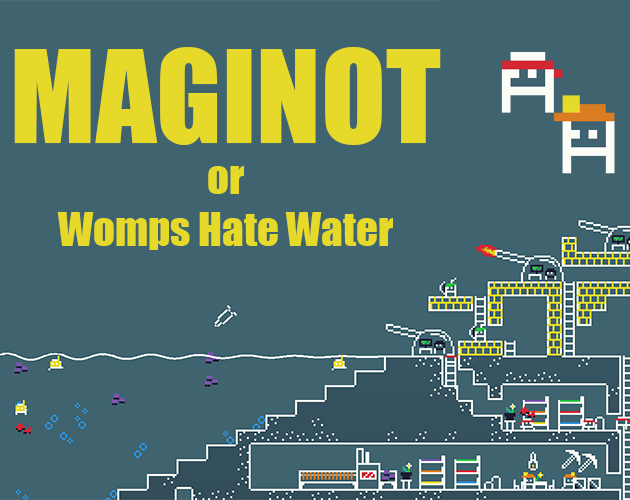
3. Maginot
An incremental game at heart, Maginot challenges players to construct a colony beneath the waves. By digging for minerals and attracting "Womps," players build an infrastructure designed for a singular, ambitious goal: the total destruction of the sea. Its browser-based accessibility makes it one of the most approachable, yet addictive, titles from the event.
4. Vox Regis
Vox Regis is perhaps the most mechanically daring entry of the bunch. It is a medieval strategy game that utilizes voice control as its primary input. As the King, the player must use their own voice to manipulate factions and keep rebellious groups from growing too large. It is a brilliant marriage of theme and control, forcing the player to physically exert authority to keep their "tiny" subjects in line.
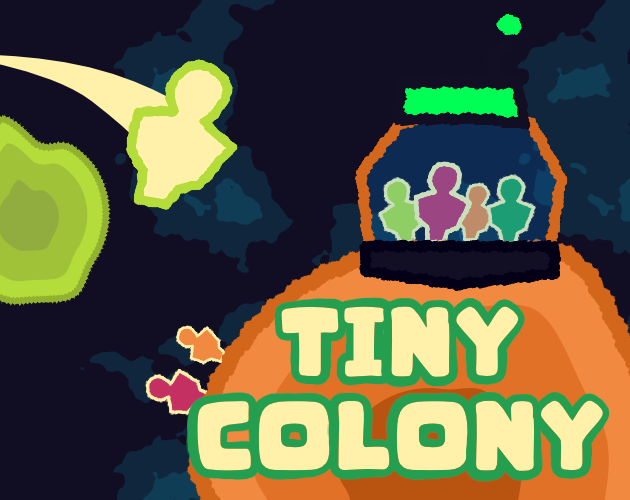
5. Tiny Colony
Utilizing the physics of gravity, Tiny Colony tasks players with slingshotting creatures across space to colonize new planets. The gameplay is a high-stakes balancing act of trajectory calculation and obstacle avoidance. The game’s success lies in its tight physics implementation, which makes the "slingshot" mechanic feel both intuitive and challenging.
Technical Insights and Supporting Data
The success of Ludum Dare 56 can be measured not just in the quality of the games, but in the diversity of the platforms supported. Analysis of the submissions shows a significant shift toward browser-based gaming.
- Accessibility: Over 60% of the featured games were playable directly in the browser. This eliminates the "friction of entry," allowing players to jump from one title to the next without the need for lengthy downloads or installation processes.
- Engine Distribution: While Godot and Unity remain the industry standards for game jams, a growing number of developers are utilizing lightweight, web-native engines, reflecting a broader trend in the industry toward platform-agnostic development.
- Community Engagement: The itch.io platform’s tag system has facilitated a more transparent feedback loop. By allowing participants to rate games on criteria like "Innovation," "Fun," and "Theme," the platform provides developers with immediate, actionable data regarding their project’s reception.
Official Responses and Developer Perspectives
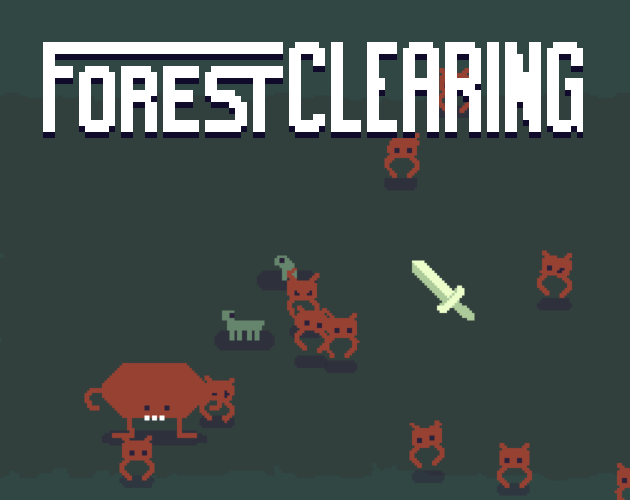
The consensus among participants this year was that the "Tiny Creatures" theme was one of the most versatile in recent memory. In community forums, developers noted that the theme allowed for both "cute" interpretations—such as the creature-rearing mechanics in Creature Packets—and darker, more dystopian takes, such as the survival-horror elements found in FOREST CLEARING.
"The theme wasn’t just about size," noted one developer in the post-jam discussions. "It was about the relationship between the tiny and the massive. Whether it was the sea in Maginot or the Sun in Build The Sun, the prompt forced us to think about scale in a way that defined the entire game’s architecture."
Implications for the Future of Indie Development
The implications of Ludum Dare 56 for the wider gaming industry are clear: constraints breed innovation. When developers are forced to limit their scope to a 72-hour window, the resulting games often contain a singular, refined mechanic that is more engaging than many triple-A titles that suffer from "feature creep."
Furthermore, the rise of browser-first development signifies a shift in how indie games will be consumed in the coming years. By lowering the barrier to entry, these developers are reaching a wider audience than ever before. Many of these projects—often dismissed as mere "experiments"—have the potential to be expanded into full-fledged commercial products, as seen with previous Ludum Dare hits that have gone on to find success on Steam and consoles.
Final Thoughts: The Road Ahead
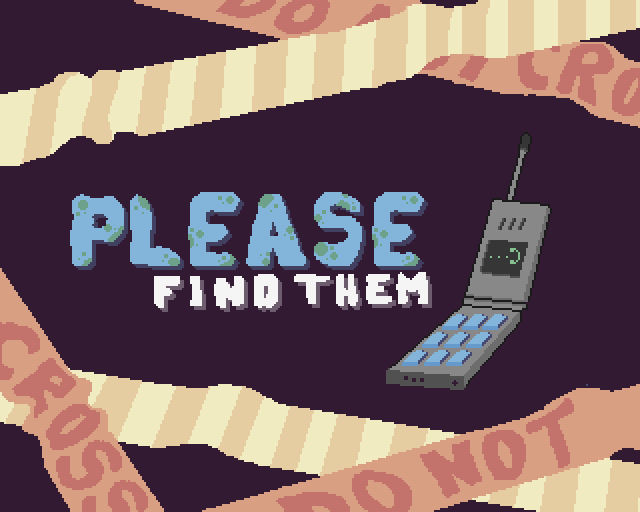
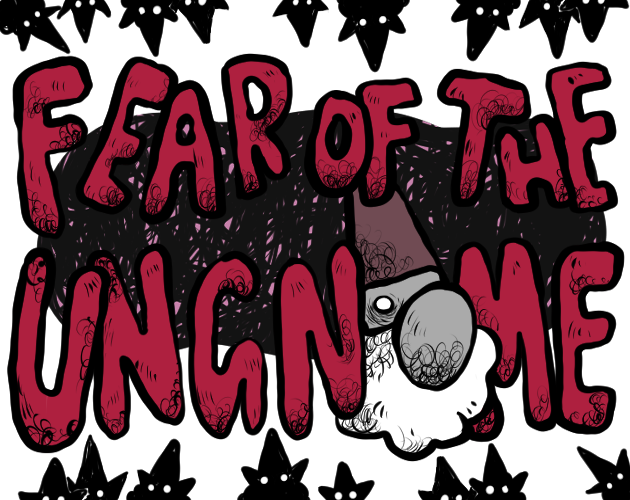
As the dust settles on Ludum Dare 56, the legacy of the event remains in the hundreds of playable experiences now hosted on itch.io. Whether you are a fan of hidden object games like Please Find Them, or prefer the procedural puzzles of Fear of the Ungnome, there is a wealth of content to explore.
The success of these developers highlights a crucial truth about the state of the gaming industry: innovation is not the sole domain of massive studios with hundred-million-dollar budgets. It thrives in the quiet, frantic, and incredibly creative hours spent by developers working alone or in small teams, driven by nothing more than a theme and a deadline.
The community is already looking ahead to the next jam, but for now, we encourage readers to dive into the Ludum Dare 56 library. The sheer variety of "Tiny Creatures" on display is a testament to the boundless imagination of the indie development community. We invite you to play, rate, and provide feedback to these creators, as their work represents the future of interactive entertainment.
Which of these Ludum Dare 56 titles did you enjoy the most? Have you discovered a hidden gem that we missed? Join the conversation in the comments section below and share your thoughts on the best games from this year’s competition.