Tesla’s Latest Venture: Marketing to the Next Generation via the $225 Balance Bike
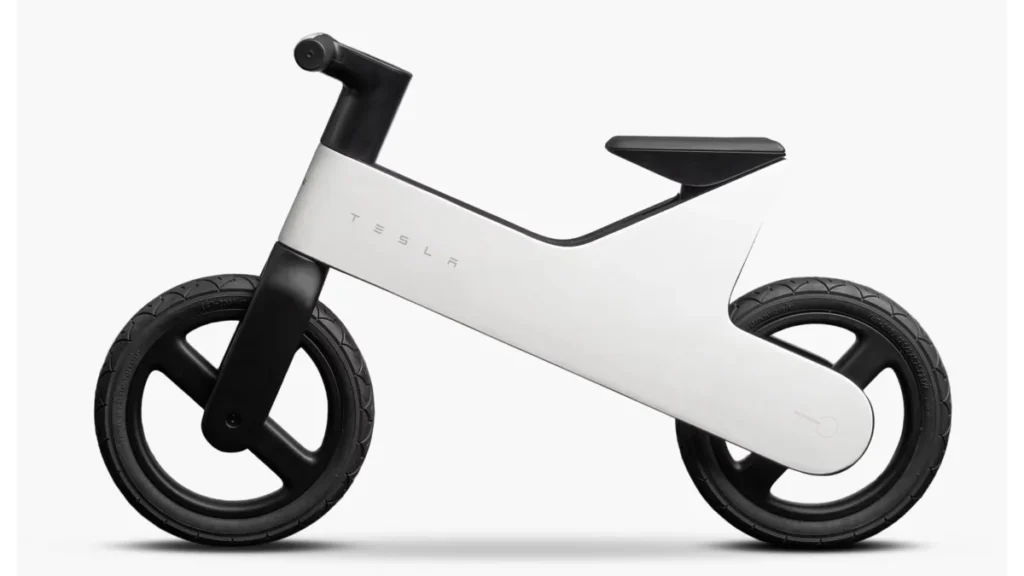
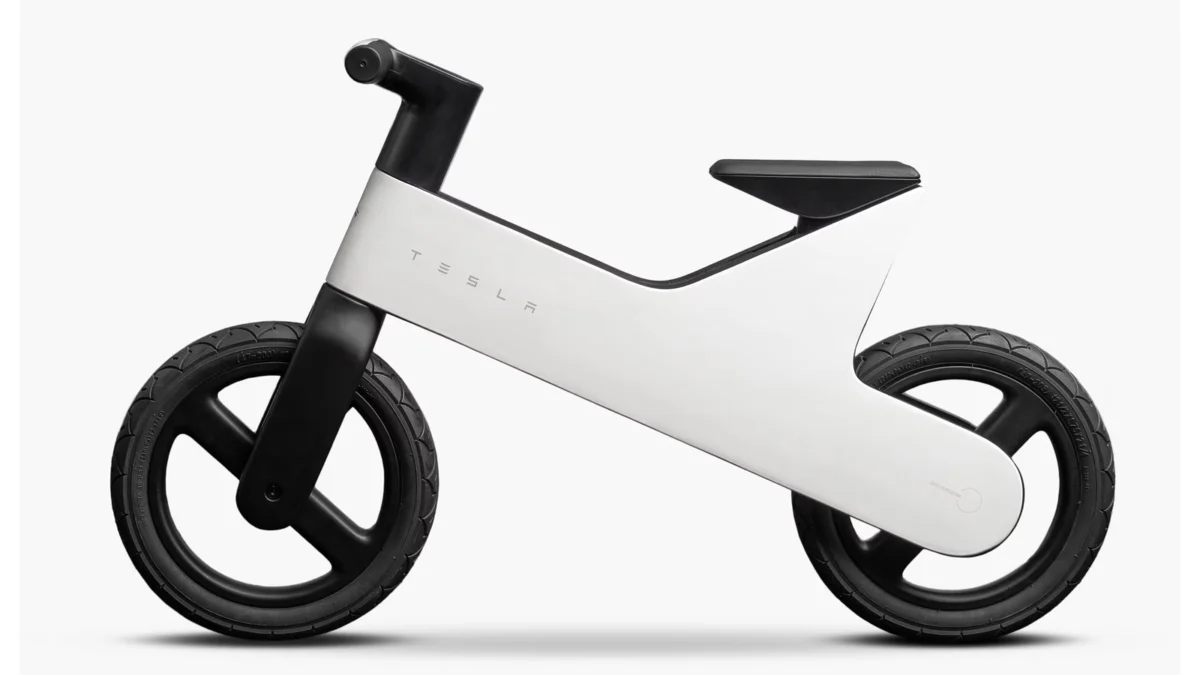
In a move that underscores the company’s aggressive brand-building strategy, Tesla has ventured further into the lifestyle and juvenile market with the release of its "Balance Bike for Kids." Priced at $225, the non-motorized, pedal-less bicycle is designed specifically for children aged two to five, marking yet another attempt by the Austin-based electric vehicle giant to secure brand loyalty long before a consumer reaches driving age.
While the product is essentially a high-end training tool for toddlers, its arrival has sparked significant discussion regarding the "Tesla ecosystem" and the company’s propensity to pivot from high-tech automotive engineering to premium consumer goods.
Main Facts: The Anatomy of the Balance Bike
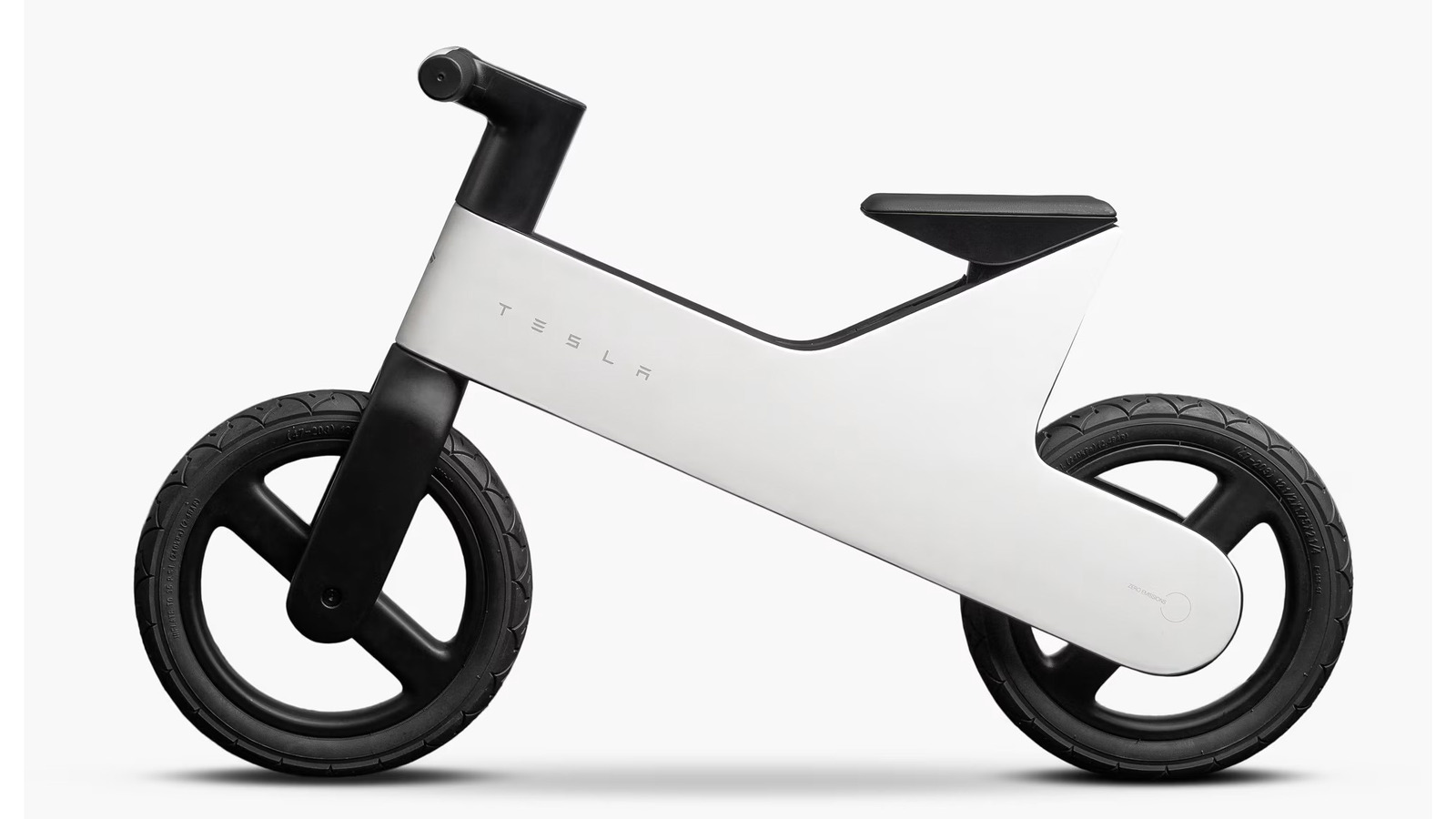
The Tesla Balance Bike is a minimalist, lightweight piece of equipment. Constructed with a magnesium alloy frame, it features a sleek white finish and is adorned with the prominent "Tesla" word mark on the frame and the iconic "T" logo on the headtube.
Specifications at a Glance:
- Target Demographic: Children aged 2–5 years.
- Weight Capacity: Designed for children under 77 pounds.
- Ergonomics: Features a five-way adjustable seat to accommodate growing riders.
- Leg Inseam Requirements: Optimized for children with legs less than 13 inches long.
- Propulsion: Manual, foot-powered (often referred to as Flintstones-style).
- Price: $225 MSRP.
Unlike many competitors in the balance bike market, the Tesla model is notably devoid of advanced features like hand brakes or pneumatic tires that might be expected at such a premium price point. Critics have been quick to point out that while the aesthetic is undeniably "Tesla," the functionality remains basic. Despite this, the initial batch of inventory was met with immediate demand, resulting in a rapid "sold out" status on the official Tesla shop website shortly after launch.
Chronology: A History of Tesla’s Juvenile Ambitions
Tesla’s foray into the world of children’s products is not a sudden pivot but rather a continuation of a long-standing brand expansion strategy. The company has consistently sought to align its high-end automotive reputation with lifestyle products that appeal to the "Tesla household."
2018–2020: The Radio Flyer Collaboration
Tesla’s first major success in the youth market came through a partnership with Radio Flyer. The "Tesla Model S for Kids" was a battery-powered ride-on toy that offered customizable features, including different paint colors and long-range batteries. This set the precedent for Tesla-branded products that mimic the look and feel of their adult-sized counterparts.
2021: The Cyberquad for Kids
Perhaps the most ambitious—and controversial—product in this category was the $1,900 Cyberquad for Kids. Modeled after the angular, futuristic design of the Cybertruck, it was marketed as a high-end off-road toy. However, its success was short-lived. In late 2022, the U.S. Consumer Product Safety Commission (CPSC) oversaw a recall of the product, citing that it violated federal safety standards for youth ATVs, specifically regarding speed and suspension requirements.
2023–2024: The Lifestyle Pivot
Following the Cyberquad recall, Tesla shifted its focus toward simpler, non-motorized lifestyle items. This includes various apparel, home charging accessories, and now the Balance Bike. This shift suggests a desire to maintain the brand’s "cool factor" without the regulatory headaches associated with motorized children’s vehicles.
Supporting Data: Pricing and Market Position
When analyzing the $225 price point, it becomes clear that Tesla is operating at the very top tier of the balance bike market.
The Competitive Landscape
- Entry-Level (Under $100): Brands like Strider and various generic retailers offer highly functional, durable balance bikes that prioritize safety and ergonomics over branding.
- Mid-Range ($100–$180): Brands like Retrospec or specialized cycling manufacturers provide features like air-filled tires, better bearings, and often, hand-operated rear brakes to help children learn to stop safely.
- Premium ($200+): The Tesla Balance Bike sits in the same price bracket as the Woom 1, which is widely considered the gold standard for children’s cycling. However, the Woom 1 includes features such as a rear V-brake, a steering limiter (to prevent jackknifing), and a significantly lighter overall weight profile.
The data indicates that consumers are paying a "brand premium" for the Tesla bike. While the engineering is sufficient, the value proposition is rooted in status signaling rather than technical superiority. The high demand, despite the lack of features found in similarly priced competitors, demonstrates the strength of Tesla’s brand equity.
Official Responses and Public Sentiment
Tesla has remained characteristically silent regarding the specific strategy behind the balance bike, opting to let the product’s design and the brand’s existing momentum speak for itself. However, the online discourse surrounding the product has been polarized.
The Fan Perspective
Loyal Tesla owners and "Stans" have largely embraced the product. For these consumers, the bike is an extension of their lifestyle. The ability to match their toddler’s bike to the Model Y or Model 3 in their driveway is a significant driver of purchase. Social media threads on platforms like Reddit and X (formerly Twitter) indicate that many parents viewed the bike as a "must-have" accessory, regardless of the price.
The Skeptical Perspective
Industry analysts and parenting groups have raised eyebrows at the price-to-feature ratio. Concerns have been voiced regarding the lack of a braking system, which is a standard safety feature for many children’s bikes. Furthermore, the irony of the release has not been lost on critics, who frequently point to the company’s well-documented struggles with "Full Self-Driving" (FSD) and its occasional inability to detect small pedestrians, leading to a wave of satirical commentary regarding the "irony of Tesla selling toys for the very children its cars sometimes fail to recognize."
Implications: Building Brand Loyalty from Infancy
The launch of the balance bike is a textbook example of "cradle-to-grave" marketing. By entering the life of a consumer at the age of two, Tesla is planting the seeds of brand affinity.
1. The "Halo Effect"
Tesla’s marketing does not rely on traditional advertising; it relies on the halo effect. By producing high-quality lifestyle goods, the company reinforces its status as a premium technology firm. When a child learns to balance on a Tesla-branded bike, they are being socialized into the Tesla ecosystem.
2. Diversification and Revenue Streams
While $225 per unit is a drop in the bucket compared to the margins on a Model S or Model X, the aggregate revenue from lifestyle merchandise—which includes everything from $50 "Cyberwhistles" to $225 bikes—builds a consistent revenue stream that is less sensitive to the cyclical nature of the automotive industry.
3. Future-Proofing the Brand
The automotive industry is notoriously difficult to navigate regarding brand loyalty. Consumers often switch between legacy manufacturers based on price or necessity. By creating a lifestyle brand, Tesla is attempting to transcend the car market. They aren’t just selling a vehicle; they are selling a world-view that includes how you drive, how you power your home, and now, how your child learns to ride a bike.
The Road Ahead
Whether Tesla will eventually introduce a full-sized, pedal-assisted e-bike—a product that many enthusiasts have explicitly requested via surveys and social media—remains to be seen. Given the popularity of the balance bike, it is highly probable that the company will continue to expand its "lifestyle" catalog.
The balance bike serves as a small but significant indicator of where Tesla is headed: a company that intends to be present in every facet of its customers’ lives. For the 2-year-old child pushing themselves along the sidewalk on a magnesium-framed Tesla, the path to their first electric car might have already been paved. As the company continues to refine its image, one thing is certain: they understand that the most effective way to secure a future buyer is to start the conversation before they can even speak.