The Bedrock of Modern Software: A Comprehensive Guide to Database Testing
In the modern digital ecosystem, the complexity of user-facing applications—ranging from sleek mobile interfaces to expansive enterprise-level platforms—has reached unprecedented levels. While developers and designers often focus on the aesthetic and functional aspects of the front end, the true engine of any software application resides in the backend: the database.
As applications become more intricate, the necessity for robust, secure, and high-performance database management has shifted from a "best practice" to an absolute technical mandate. Database (DB) testing is the critical process of validating the integrity, security, and performance of the data layer, ensuring that the foundation of the software remains unshakable under the weight of high-frequency transactions and complex data architectures.
The Evolution of Data Infrastructure
Whether an application serves the healthcare, finance, retail, or even aerospace industries, the database is the silent, omnipresent architect of its functionality. In the early days of computing, data management was straightforward. Today, however, we are in the era of Big Data, where volumes, velocity, and variety far exceed the capabilities of traditional legacy systems.

As organizations transition to complex environments like cloud-native architectures and distributed systems, the risk of data corruption, unauthorized access, and performance bottlenecks increases. Consequently, the role of the database tester has evolved from a simple verification task to a sophisticated technical discipline that requires a deep understanding of SQL, schema architecture, and transactional logic.
The Pillars of Database Testing: Key Validation Areas
To ensure a database is production-ready, testers must focus on four primary pillars of validation. Each of these components serves as a safeguard for the overall health of the application.
1. Data Mapping
Data mapping is the process of ensuring that information flows accurately between the User Interface (UI) and the backend database. A discrepancy here—where a field in the application displays incorrect data or fails to save to the correct column—can lead to severe user frustration and data loss. Testers must verify that every UI field has a corresponding, correctly mapped database field and that the data types and lengths match the design specifications.

2. ACID Properties Validation
The acronym ACID (Atomicity, Consistency, Isolation, and Durability) represents the gold standard for reliable database transactions.
- Atomicity: Ensures that a series of database operations either succeed as a whole or fail completely, preventing partial updates.
- Consistency: Guarantees that a transaction brings the database from one valid state to another, maintaining all predefined rules.
- Isolation: Ensures that concurrent transactions do not interfere with each other, preventing data corruption during simultaneous access.
- Durability: Confirms that once a transaction is committed, it remains permanent, even in the event of a system crash or power failure.
3. Data Integrity
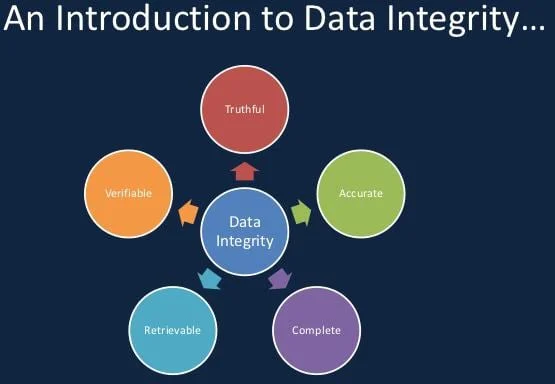
Data integrity is the bedrock of consistency across the entire application. It ensures that the most recent, updated values are reflected across all screens and modules. If a user updates their profile information, that change must propagate immediately to the billing, support, and administrative dashboards. Any delay or failure in this propagation indicates a breach of data integrity, usually stemming from poor CRUD (Create, Retrieve, Update, Delete) implementation.
4. Business Rule Conformity
Modern databases are rarely just storage bins; they are active components that enforce business logic. Through the use of relational constraints, triggers, and stored procedures, developers embed critical business rules directly into the DB layer. Testers must ensure that these complex objects correctly enforce constraints, such as preventing a user from entering a negative value in a bank balance field or ensuring that a new student is automatically enrolled in mandatory courses upon registration.

Chronology of the Database Testing Process
Testing a database is a systematic, step-by-step lifecycle that mirrors standard software testing methodologies but with a specialized focus on backend performance.
- Preparation of the Environment: This involves setting up the test database, ensuring data parity with production environments, and securing the necessary access permissions.
- Test Execution: Using SQL queries or automation tools, testers perform operations against the database. The most frequent command is the
SELECTstatement, used to verify that the state of the database matches the expected output after a front-end action. - Result Verification: The tester compares the output from the database against the expected results defined in the Software Requirements Specification (SRS).
- Reporting: Findings, including performance logs, data anomalies, or security vulnerabilities, are documented and escalated to stakeholders for remediation.
Supporting Data and Technical Implementation
The efficacy of database testing often relies on the proficiency of the tester in manipulating data through SQL. Beyond basic selection, testers must master:
- Data Definition Language (DDL): Managing the structure of the database using
CREATE,ALTER, andDROP. - Data Manipulation Language (DML): Handling the records themselves via
INSERT,UPDATE, andDELETE. - Data Control Language (DCL): Managing security and access levels using
GRANTandREVOKEcommands.
Practical Tips for Effective Testing
- Mastering SQL: While automation tools are valuable, the ability to write custom SQL queries remains the most robust way to validate database behavior. It provides testers with granular control and the ability to verify complex data relationships that GUI-based tools might miss.
- Collaborative Validation: In cases of highly complex queries, it is often prudent to consult with database architects. However, testers must maintain a healthy skepticism; always verify the logic of the query provided, as even developer-written code can contain semantic errors.
- Leveraging Automation: For high-frequency, regression-heavy environments, manual testing is inefficient. Utilizing tools like SQL Query Analyzer or specialized DB automation suites allows for the validation of massive datasets in a fraction of the time.
Implications for Modern Software Development
The rising demand for database testing stems from a broader realization: the application is only as good as the data it serves. As businesses become increasingly data-driven, the cost of data loss, downtime, or security breaches is catastrophic.

Effective database testing mitigates the risk of:
- Systemic Failure: By validating ACID properties, testers prevent the cascading errors that occur when partial transactions are processed.
- Regulatory Non-Compliance: In industries like finance and healthcare, improper data handling can result in severe legal penalties. Rigorous testing ensures that sensitive data is managed according to global standards.
- User Experience Degradation: A database that cannot handle concurrent requests or that fails to reflect real-time updates results in a slow, unreliable interface, driving users away from the product.
Conclusion: The Future of Database Reliability
The myth that database testing is a redundant cost or a bottleneck in the development lifecycle is rapidly fading. In its place is a recognition that the database is the most critical asset of any digital business. As we move toward a future of distributed databases, serverless architectures, and AI-driven data processing, the requirement for testers to be technically proficient in database internals will only grow.
By focusing on the core principles of data mapping, transactional integrity, and rule enforcement, testers can ensure that they are not just "checking boxes," but actively safeguarding the technological backbone of the modern world. Whether you are working with MySQL, PostgreSQL, Oracle, or SQL Server, the commitment to rigorous testing is the differentiator between an application that survives and one that thrives.

Are you currently navigating the challenges of database testing in your organization? Share your experiences and insights in the comments section below to contribute to the ongoing discourse on software quality assurance.