The Connected Horizon: How the Internet of Things is Redefining the Social Media Landscape
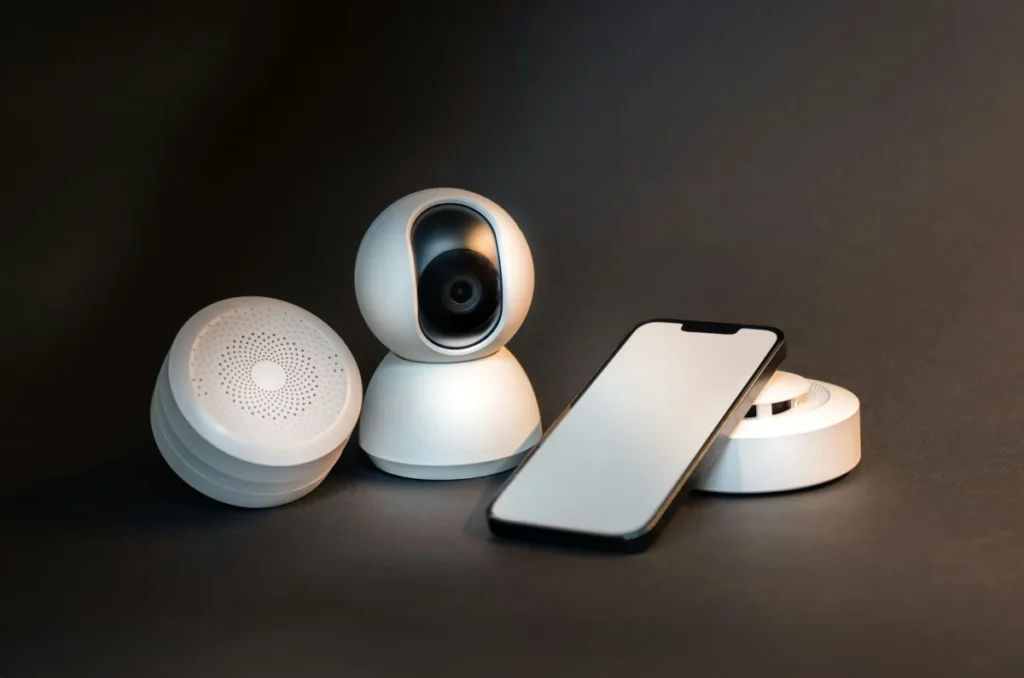
The evolution of social media has been characterized by a transition from static digital bulletin boards to dynamic, algorithm-driven ecosystems. For years, the user journey was defined by a deliberate, manual process: capturing a moment, crafting a caption, and awaiting the dopamine hit of engagement. Today, that model is undergoing a radical metamorphosis. Social platforms are no longer mere passive repositories for user-generated content; they are becoming sentient, personalized engines of interaction, fueled by an invisible, constant stream of data emanating from the objects that surround us.
As the Internet of Things (IoT) matures, the boundary between our physical environment and our digital social presence is beginning to dissolve. With projections from IoT Analytics suggesting that the number of connected devices worldwide will exceed 50 billion by 2035, we are approaching a saturation point where every facet of human activity—from the temperature of our homes to the nutritional content of our refrigerators—is being digitized and quantified.
The Convergence: Defining the IoT-Social Nexus
At its core, the Internet of Things is a sprawling, interconnected web of smart sensors and actuators. Whether it is a smart thermostat adjusting for energy efficiency, a fitness tracker monitoring cardiovascular health, or an automotive dashboard providing real-time diagnostic telemetry, these devices perform a silent, persistent service: the collection and analysis of data.
In the past, this data existed in silos, intended primarily for personal utility or corporate analytics. However, the next iteration of social media will break these silos. Imagine a kitchen ecosystem that recognizes when a staple, such as oat milk, is nearing depletion. Rather than simply adding it to a digital shopping list, the system could initiate a poll within a private "Cooking Fam" group on a social platform, soliciting real-time recommendations from peers. This represents a shift from "social media" as a platform for talking about our lives to social media as a platform that functions as our lives.
A Chronology of Integration: From Manual to Autonomous
The integration of IoT into the social sphere has not happened overnight. It has been a decade-long progression of gradual connectivity:
- 2010–2015 (The Era of Manual Sync): Early adopters began connecting basic wearables (like the first generation of Fitbits) to social networks. Users had to manually trigger the "Share to Facebook" button to announce their step count. The connection was optional, infrequent, and highly curated.
- 2016–2020 (The Proliferation of Smart Ecosystems): Companies like Samsung, with the SmartThings platform, began centralizing device management. During this period, the focus shifted to home automation. While social integration remained limited, the infrastructure for cross-device communication was solidified.
- 2021–2024 (The AI and Predictive Leap): The integration of Generative AI and advanced machine learning enabled devices to do more than just record data—they began to interpret it. The release of products like the Ray-Ban Meta smart glasses signaled a shift toward "wearable social," where the device acts as an extension of the user’s sensory perception.
- 2025 and Beyond (The Autonomous Social Era): We are entering a phase where IoT devices will act as autonomous agents. Your car, your house, and your watch will possess the agency to post, comment, and engage on your behalf, reducing the "friction" of social interaction to near zero.
Supporting Data: The Scale of the Digital Transformation
The rapid adoption of IoT is not speculative; it is reflected in robust market statistics. In 2024 alone, global shipments of smartwatches surpassed 156 million units, according to industry analysts at IDC. These devices are effectively personal data harvesters, tracking GPS, heart rate, sleep quality, and activity levels.
Furthermore, consumer behavior is shifting toward a reliance on social-driven search. Marketing research indicates that nearly 46% of Gen Z users now utilize social media platforms as their primary search engine, bypassing traditional browser-based Google queries. When this behavior is coupled with IoT, the potential for "Social SEO" is immense. A restaurant’s search ranking may soon depend not on a static website, but on its visibility to the AI-driven recommendation engines embedded in smart cars and home speakers.
Four Pillars of the IoT-Social Revolution
The merger of these technologies will fundamentally reshape the digital experience. Four specific shifts are currently underway:
1. Real-Time, Auto-Generated Content
The "friction" of social media—the effort required to post—will largely vanish. Your smartwatch could autonomously post your marathon finish time the moment your heart rate drops post-exercise. Your vehicle might update your followers with photos and location data during a scenic road trip. Content will become a continuous, automated stream of life-logging.
2. Hyper-Personalization and Predictive Feeds
Current algorithms show you what you’ve liked; future algorithms will show you what you are about to need. By synthesizing data from your sleep patterns, health metrics, and purchasing history, platforms will create feeds that anticipate your desires. While this offers unprecedented convenience, it also raises ethical questions regarding the psychological impact of such highly tailored digital environments.
3. The Rise of Social SEO and IoT Discovery
The era of typing "best pizza near me" into a search bar is waning. In the future, your smart speaker or dashboard will simply suggest the top-rated spot based on aggregate data from your social circle and local IoT sensors. This forces brands to optimize their presence not just for keywords, but for the "social reputation" that IoT devices prioritize.
4. Seamless Augmented Reality (AR) Experiences
IoT and AR are the "force multipliers" of the next digital decade. Smart glasses will allow users to overlay social data onto the physical world. Walking down a street, you could view virtual tags on buildings left by friends—reviews of a cafe, or "check-ins" from colleagues—all visible through your lenses in real time.
Implications: The Regulatory and Privacy Trade-Off
This level of connectivity introduces significant risks. The privacy implications are profound; if an IoT breach occurs, the compromised data is not limited to a password. It includes biometric data, location history, and behavioral patterns.
Regulatory bodies are currently playing catch-up. Existing lawsuits, such as those targeting Meta over the mental health impact of their platforms, underscore the tension between corporate profit and user well-being. As we delegate more of our "social voice" to IoT devices, the need for transparent data policies and granular user control becomes a matter of public safety rather than just consumer preference.
Official Responses and Ethical Considerations
Industry leaders are divided on the speed of this rollout. While tech giants advocate for a frictionless, "ambient" computing experience, digital privacy advocates argue that the trade-off—surrendering personal data for the sake of convenience—is inherently flawed.
PWC reports that while 51% of consumers value personalized experiences, there is a growing, vocal demographic concerned about the "surveillance-capitalism" model. The challenge for developers will be to create systems that offer the utility of IoT without the invasive, addictive patterns that have plagued previous generations of social media.
Conclusion: The Human Element
Will the Internet of Things eventually consume social media? While the landscape will undoubtedly become more automated, immersive, and predictive, the fundamental requirement for human connection remains unchanged. We do not engage with social media solely for information or efficiency; we engage for the validation and communion of other human beings.
IoT is a powerful set of tools—a digital infrastructure that can either enhance our connection to the world or insulate us within a bubble of algorithmic convenience. The ultimate trajectory of this technology will not be dictated by the devices themselves, but by the choices we make as users. We are the architects of this new digital reality, and we retain the responsibility to ensure that, in our quest for a more connected life, we do not lose the essence of what makes us human.