The Dark Proteins: How AI is Unlocking Antibiotics from the World of Prions
For decades, the word "prion" has been synonymous with dread in the medical community. Known primarily for their role in rare, fatal, and incurable neurodegenerative conditions—such as Creutzfeldt-Jakob disease and bovine spongiform encephalopathy (mad cow disease)—prions have long been viewed as the ultimate biological antagonists. They are proteins gone rogue, misfolding into toxic aggregates that systematically dismantle the architecture of the brain.
However, a groundbreaking study published in Nature Microbiology by researchers at the University of Pennsylvania is flipping this narrative on its head. By deploying advanced artificial intelligence, scientists have discovered that these "villains" of the proteome may actually harbor hidden, life-saving potential. According to the research, prion and prion-like proteins contain cryptic, embedded fragments capable of neutralizing dangerous bacteria, including multidrug-resistant pathogens.
The Paradigm Shift: From Pathogens to Protectors
The research, led by César de la Fuente, PhD, associate professor and director of the Machine Biology Group at the University of Pennsylvania, suggests that we have been looking at the biological world through a narrow lens. While prions are infamous for their aggregation and neurotoxic properties, the Penn team hypothesized that their primary amino acid sequences might contain "encrypted" antimicrobial peptides (AMPs).
"Prions have long been seen almost entirely through the lens of disease," de la Fuente noted. "Our work shows that when AI looks across biology at scale, even proteins with a dark reputation can contain useful molecular instructions. In this case, those instructions point to possible new antibiotics."
This discovery challenges the long-standing dogma that antimicrobial activity is reserved for specialized immune proteins. Instead, it posits that life—even in its most misunderstood forms—may have evolved to hide defensive weaponry within its own structural proteins.
Chronology of Discovery: The APEX 1.1 Search
The journey from a theoretical curiosity to a laboratory breakthrough was made possible by the integration of deep learning. The researchers did not manually screen the proteins; such a task would have been computationally impossible given the vastness of the biological data.
1. Data Mining and Identification
The team utilized APEX 1.1, a specialized deep learning platform designed for the discovery of antimicrobial peptides. The search was exhaustive: the AI scanned approximately 19.3 million fragments derived from 2,897 curated prion and prion-like proteins. This process was designed to identify patterns that align with the known physical and chemical signatures of antimicrobial peptides—namely, the ability to disrupt bacterial membranes.
2. The "Prionin" Classification
From these millions of fragments, the AI pinpointed 1,179 candidates that showed high potential for antimicrobial activity. The researchers coined the term "prionins" to describe these newly discovered peptides.
3. Experimental Validation
Predictions made by algorithms must survive the harsh reality of the petri dish. The team synthesized 75 of these predicted prionins and tested them against a battery of clinically relevant pathogens. The results were striking: 59 of the 75 synthesized peptides (nearly 80%) inhibited at least one bacterial pathogen. Furthermore, 42 of these showed potent activity at low concentrations, demonstrating that the AI’s predictive power was highly accurate.
4. In Vivo Efficacy
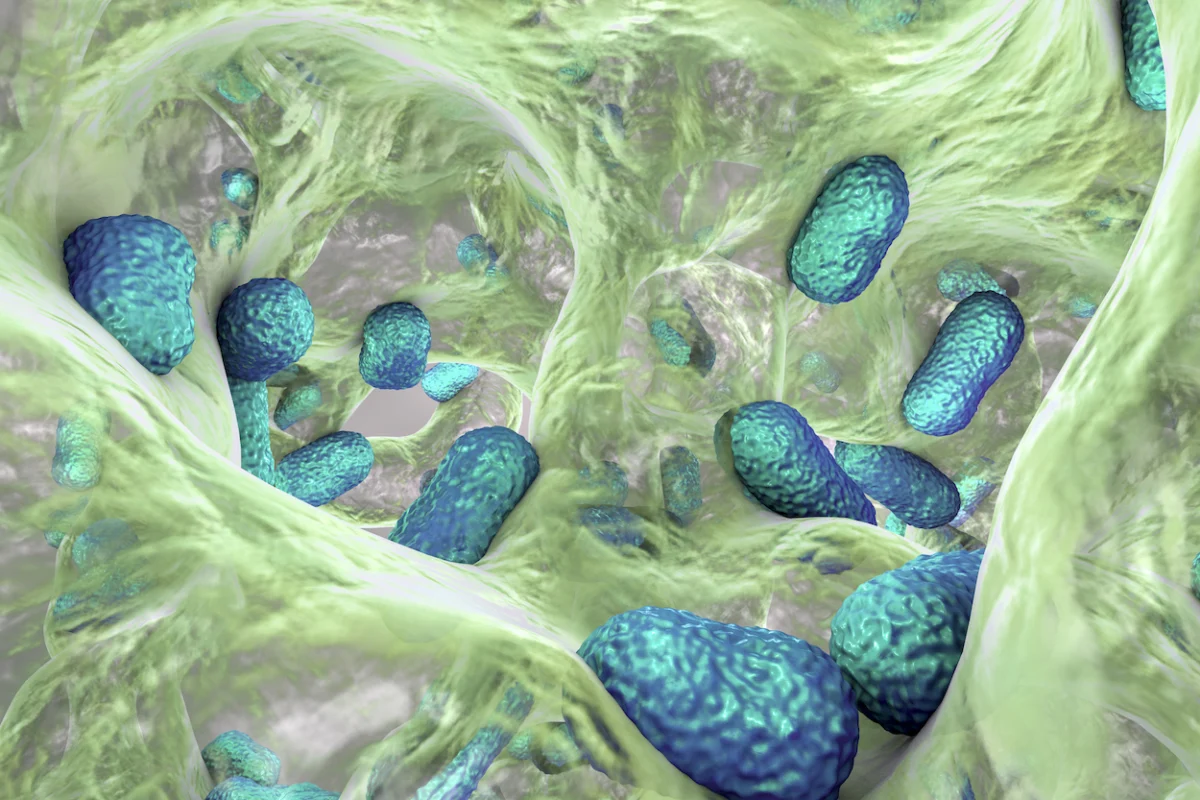
The final step in the research chronology involved moving beyond in vitro success. The researchers focused on Acinetobacter baumannii, a notoriously difficult-to-treat, multidrug-resistant bacterium. In a mouse model of skin infection, two of the most promising prionins were applied topically. The results mirrored the efficacy of the conventional antibiotic polymyxin B, with the added benefit that the treated mice showed no adverse weight loss or toxicity, indicating a favorable safety profile.
Supporting Data: Why Prionins Work
The efficacy of these molecules lies in their biophysical characteristics. Many of the active prionins operate by physically damaging the bacterial cell membrane—a mechanism that is notoriously difficult for bacteria to evolve resistance against, unlike traditional antibiotics that target specific metabolic pathways.

The data provided by the Penn team highlighted the selectivity of these candidates. When testing for cytotoxicity, 16 of the active peptides showed no measurable hemolysis (destruction of red blood cells) or harm to mammalian cells at the highest concentrations tested. This "therapeutic window"—the ability to kill bacteria without harming the host—is the "holy grail" of antibiotic development.
The study also provides a framework for how these proteins might function in nature. The authors noted that several amyloid-associated proteins, including amyloid-β, have previously shown evidence of host-protective activities. This suggests that the aggregation process, while harmful in the context of neurodegeneration, might actually be an exaggerated or misregulated version of an ancient, primordial immune defense system.
Official Responses and Scientific Significance
The scientific community has reacted with significant interest to the study, particularly regarding the methodology used. Marcelo D. T. Torres, PhD, co-first author of the study, emphasized the distinction between traditional screening and AI-driven discovery: "We went from millions of hidden protein fragments to synthesized molecules that killed bacteria in the lab, and then to candidates that worked in an animal infection model. That is the difference between an AI screen and a true discovery platform."
The implications for the field of "encrypted peptides" are vast. The de la Fuente lab has spent years systematically mining the biological world—from the genomes of extinct organisms to human venoms and the microbiome—to uncover these hidden, functional sequences. By adding prions to this list, they have demonstrated that no corner of the proteome is off-limits for potential pharmaceutical discovery.
However, the researchers remain cautious. They emphasize that this study is an early-stage discovery, not an immediate clinical solution. The findings do not invalidate the known dangers of prion diseases; rather, they suggest that we have been overlooking the functional diversity of these proteins.
Implications for the Future of Medicine
The implications of this research are twofold: they offer a new frontier for antibiotic development and a new way to understand the evolution of the immune system.
A New Reservoir for Antibiotics
As the world faces an escalating crisis of antibiotic resistance, the pipeline for new drugs has slowed to a trickle. By looking at "unconventional" protein classes, the Penn study provides a roadmap for finding new leads. If proteins as "dangerous" as prions can hold the key to killing bacteria, it raises the question: what other, seemingly inert or toxic proteins, are hiding therapeutic molecules within their sequences?
Re-evaluating Neurodegeneration
The link between neurodegeneration and innate immunity is a burgeoning field of study. If these prionins are indeed released during infection or inflammation, could the process of prion aggregation be a byproduct of a desperate, localized immune response gone wrong? This study provides a foundational hypothesis for future research into whether amyloid-associated proteins serve a dual, and perhaps protective, purpose in the human body.
"For a long time, drug discovery has been limited not only by what we can test, but by where we choose to look," de la Fuente concluded. "AI is changing that. It gives us a way to search the hidden layers of biology and ask whether molecules associated with one story—in this case, disease—may also carry another story with therapeutic potential."
By bridging the gap between computational biology and clinical medicine, the researchers at the University of Pennsylvania have not only illuminated a potential path toward new antibiotics but have also fundamentally altered our perception of one of biology’s most feared protein families. The "dark" proteins, it seems, may have been carrying the cure all along.