The FOSS Weekly Digest: Navigating the Intersection of Local AI, Linux Innovation, and Open-Source Security
The landscape of open-source technology is undergoing a rapid, multifaceted transformation. As we move through the middle of 2026, the community finds itself at a crossroads: how to embrace the revolutionary potential of Artificial Intelligence while maintaining the fundamental tenets of privacy, local control, and software sovereignty that define the Free and Open Source Software (FOSS) movement.
This week’s edition of FOSS Weekly explores this tension, spotlighting everything from the rise of local AI models to significant breakthroughs in Linux kernel development, hardware engineering, and the ongoing quest for a "de-Googled" mobile ecosystem.

The AI Dilemma: Embracing Local Sovereignty
The conversation surrounding AI has shifted from "if" to "how." Recent feedback from our readers suggests a growing consensus: ignoring the AI paradigm is no longer a viable strategy for tech enthusiasts. However, the community remains deeply skeptical of cloud-reliant, black-box models that harvest user data.
The Rise of Local AI
The solution gaining the most traction is "Local AI"—the practice of running open-source models directly on your hardware. By keeping data offline, users gain the benefits of advanced machine learning without compromising their privacy or security. Because not every Linux user wants to integrate AI into their workflow, we are launching a dedicated newsletter, "Local AI Weekly." This resource will cater specifically to those interested in self-hosting models and exploring the technical frontiers of offline intelligence, ensuring that the flagship FOSS Weekly remains focused on the Linux and open-source news you know and love.

Chronology of Innovation: Recent Industry Developments
The past week has been a whirlwind of activity across the FOSS ecosystem, characterized by a mix of nostalgic programming projects and cutting-edge infrastructure security.
A Journey Back to Assembly
David Plummer, the legendary former Microsoft engineer behind the original Windows Task Manager, has made waves with the release of TinyRetroPad. Frustrated by the bloatware that modern Notepad has become, Plummer returned to the roots of computing, building a fully functional, feature-complete clone of the classic editor using only x86 assembly. Remarkably, the entire utility weighs in at just 2.5KB, a testament to the efficiency of low-level programming in an era of multi-gigabyte software installs.

Proton Lumo 2.0 and Ubuntu 26.10
Proton’s Lumo 2.0 has officially addressed the "half-baked" critiques of its predecessor. The update introduces a robust memory management system and a functional web search engine that cites its sources rather than relying on stale training data. Perhaps most significantly, it introduces native image generation, signaling a shift toward more complex local tasks.
Meanwhile, Canonical has released the second snapshot of Ubuntu 26.10. While end-users might find it premature to upgrade—as major features like GNOME 51 and native voice typing are still in the development pipeline—the underlying backend improvements to image delivery represent a critical step forward for the distribution’s agility.
Wine 11.12: Quality of Life Fixes
The Wine project continues its mission to make Windows applications feel at home on Linux. The 11.12 release is primarily a maintenance update, yet it resolves two persistent frustrations for gamers. Issues regarding stuck inputs in Need for Speed: Most Wanted and controller-related audio/input conflicts in Super Hexagon have been rectified, proving that even "housekeeping" updates are vital for the gaming experience on Linux.
Supporting Data: Infrastructure and Security
The Linux Foundation has officially acknowledged that as AI tools proliferate, so do the attack vectors targeting open-source supply chains.

Defending Against AI-Enabled Threats
The foundation has launched Akrites, a dedicated body tasked with defending critical open-source software against AI-augmented cyber threats. With founding members including heavyweights like AWS, Google, Microsoft, NVIDIA, and Anthropic, Akrites aims to formalize vulnerability handling in an age where automated exploit generation is becoming a reality.
The Agent Name Service (ANS)
Beyond defense, the foundation is establishing identity standards for the AI era. The proposed Agent Name Service will serve as an open, DNS-based standard for verifying the identity of AI agents. Each agent will receive a versioned name and a cryptographic certificate tied to domain verification. Crucially, all registrations will be logged in a tamper-evident, publicly auditable record, providing a transparent layer of accountability that is currently absent from the AI industry.
Official Responses and Industry Outlook
ONLYOFFICE: 16 Years of Compatibility
It is a milestone week for ONLYOFFICE, which is celebrating its 16th anniversary. Often overlooked in the shadow of giants, the suite has become the gold standard for users who require seamless compatibility with Microsoft’s proprietary .docx and .xlsx formats. Its rise to prominence is a success story for open-source office software, proving that providing a bridge to legacy enterprise formats is the most effective way to drive mass adoption of FOSS.
The "De-Googled" Android Challenge
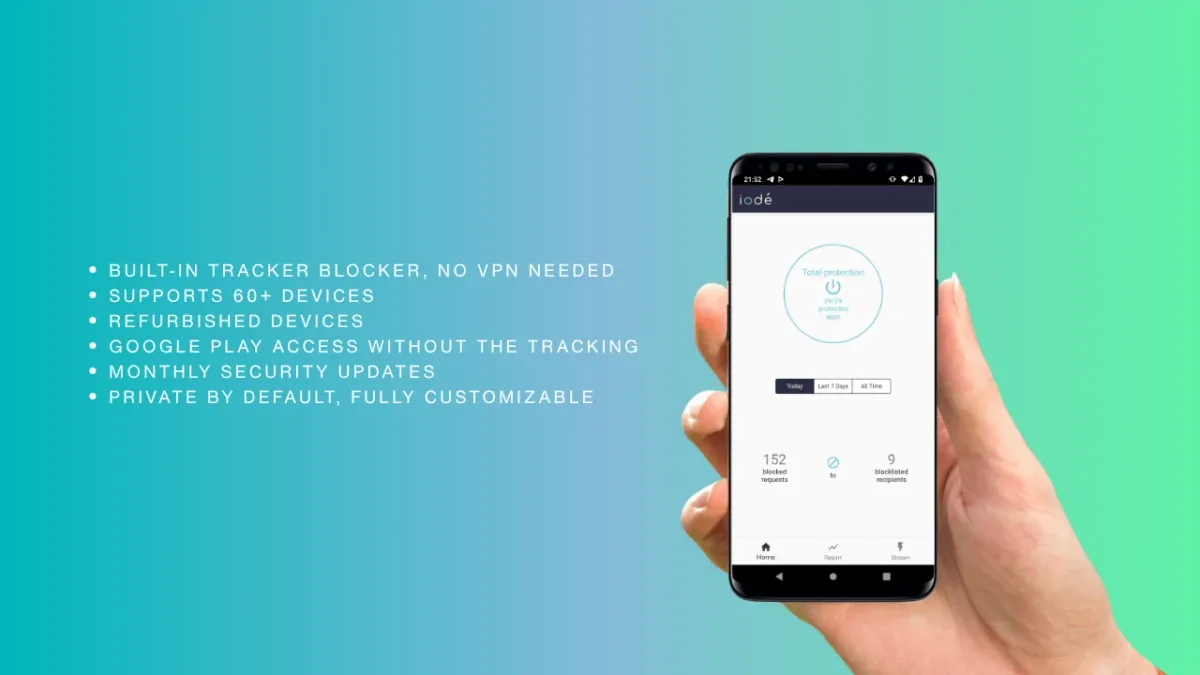
We recently sat down with Brian Russell of iodé to discuss the realities of running a de-Googled mobile operating system. The conversation highlighted the massive hurdles involved—particularly regarding banking apps and the complexities of bootloader security. Russell’s insights paint a picture of a project that is not merely building a custom ROM, but a complete privacy-preserving ecosystem that makes "owning your own data" viable for the average consumer.

Implications: The Hardware and Physics Frontier
The hardware world is witnessing a push toward both the extreme high end and the deeply educational.
The $11,944 Laptop
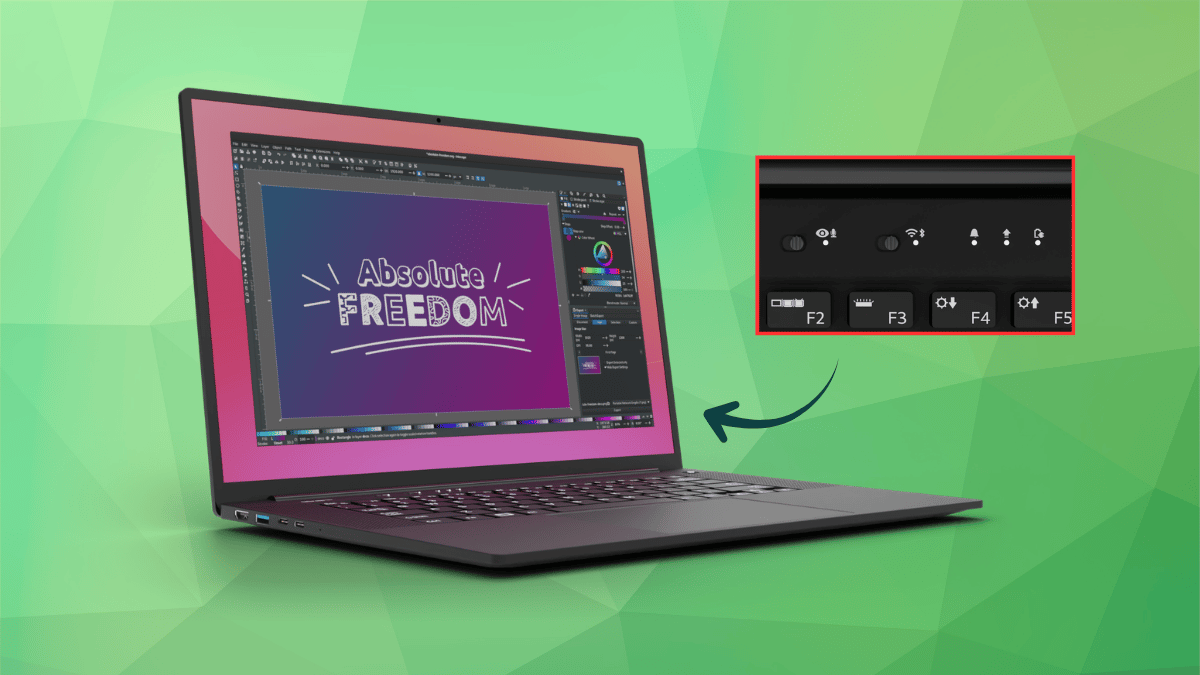
Purism has unveiled the Librem 16, a laptop that embodies the company’s commitment to Linux-native hardware. While the base configuration sits at a professional $2,899, the "maxed out" configuration reaches a staggering $11,944. This price point reflects the cost of custom components and a secure-by-design philosophy, sparking a broader debate about the price of hardware transparency in a market dominated by mass-produced, closed-source alternatives.

Physics and Simulation
On the educational front, KDE Step continues to serve as an invaluable tool for students and teachers alike. By turning abstract physics concepts—such as harmonic motion and orbital mechanics—into visual, interactive simulations, the project exemplifies the power of FOSS to democratize high-level academic tools.
IBM’s Sub-1nm Breakthrough
Looking at the long-term future, IBM has announced the world’s first sub-1nm chip. Utilizing a "nanostack" design, these chips pack 100 billion transistors into the size of a fingernail. With a 70% increase in efficiency over previous 2nm nodes, this innovation suggests that we are nowhere near the end of Moore’s Law, provided the industry can continue to refine the manufacturing of angstrom-scale architecture.
Community Tips and FOSSverse Highlights
For those looking to optimize their daily workflow, we have compiled several key insights:
- Terminal Mastery: If you are new to the Linux terminal, our 10-chapter course is the perfect starting point for learning core file operations.
- System Customization: We have published a new guide on customizing the KDE System Monitor. You can now build your own monitoring dashboards from scratch, organizing charts by row, column, and section.
- Typography: Your terminal shouldn’t look like it’s stuck in 1995. Check out our list of 10 fonts that prioritize readability and aesthetics in command-line environments.
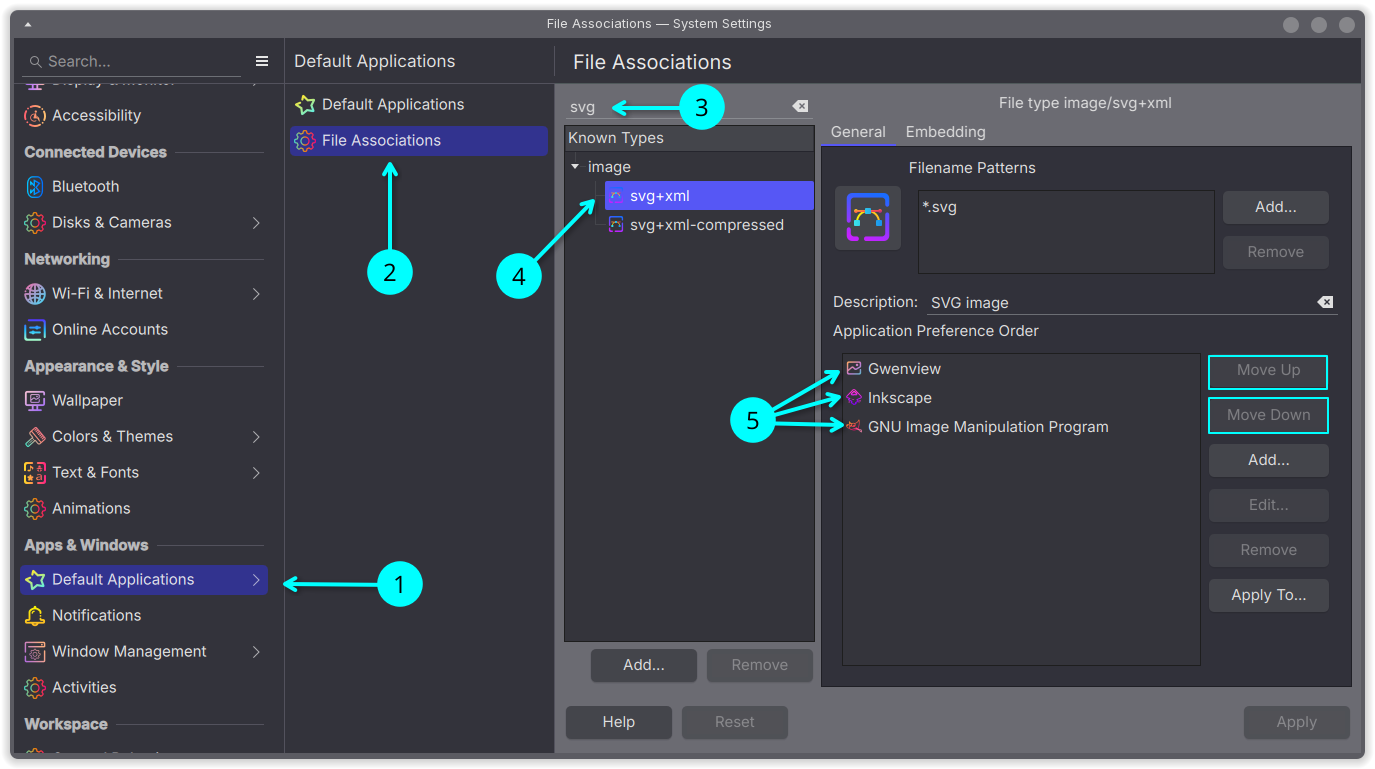
- The Power of File Associations: In KDE Plasma, you can now set custom "launch orders" for file types. By configuring file associations, you can use a simple
double-left-clickfor your primary app, amiddle-clickfor a secondary app, and aShift+middle-clickfor a third, turning your Dolphin file manager into a productivity powerhouse.
Final Thoughts: The Future of the Newsletter
As we continue to grow, we are considering ways to make our content more accessible and tailored to your preferences. We are currently evaluating the demand for a text-only version of FOSS Weekly, stripped of heavy media for faster loading and a cleaner reading experience.

Furthermore, as we engage with the community, we invite you to participate in our ongoing discussions. Whether it is the recent debate regarding the security of the Arch User Repository (AUR) or the ethics of AI-integrated tooling, your voice is what makes the FOSS movement thrive.
Thank you for being a part of this journey. We remain committed to keeping you informed, empowered, and—above all—in control of your digital life.

If you value ad-free, high-quality Linux journalism, consider joining It’s FOSS Plus. Your support allows us to continue producing deep-dive tutorials, eBooks, and critical industry analysis without relying on intrusive tracking.