The Future of Android: Unlocking Innovation with Pixel 11, Wear OS 7, and Gemini Nano 4
The annual "Made by Google" event has long served as a North Star for the Android ecosystem, but this year’s announcements represent a tectonic shift in how developers interact with mobile hardware. With the unveiling of the Pixel 11 Pro Fold, the Pixel Watch 5, and the integration of Gemini Nano 4, Google is not just releasing new devices—they are providing a blueprint for the next generation of ambient, intelligent, and adaptive computing.
For the Android developer community, these releases translate into a massive commercial and technical opportunity. Data indicates that foldable device users are significantly more engaged, with spending power approximately 14x higher than those using standard, single-screen phones. As these premium devices become the standard for high-end Android experiences, developers are being urged to move beyond static design and embrace a future where software fluidly traverses screens, wrists, and AI-driven interfaces.

The Evolution of the Foldable Frontier: Adaptive Design at Scale
The flagship Pixel 11 Pro Fold marks a refinement in foldable engineering, offering a expansive inner display paired with a traditional, functional outer screen. However, hardware is only as good as the software that powers it. Google’s latest guidance emphasizes that developers must abandon "hardcoded" layout constraints in favor of fluid, responsive architectures.
The Technical Shift: Moving to Jetpack Compose
Google is championing a modern stack centered on Jetpack Compose. By leveraging APIs such as Navigation 3 and advanced layout primitives like Grid and FlexBox, developers can create interfaces that automatically wrap, span, and reflow based on available window space.

Furthermore, the introduction of the experimental MediaQuery API allows applications to react to environmental signals in real time. Whether a device is partially folded into "tabletop mode" or has a physical keyboard attached, the UI can now adapt instantly. This is bolstered by the Window Manager library’s Window Size Classes, which allow apps to treat the physical fold or hinge as a natural content separator rather than an obstacle to be avoided.
Real-World Success: The Case for Resilience
The benefits of this shift are not theoretical. Industry leaders like Notability and Flo Health have already begun reaping the rewards of these adaptive methodologies.

Ryan Shea, Android Engineering Manager at Notability, highlighted the importance of "native-feeling" experiences. By tracking window dimensions rather than device-specific screen sizes, Notability’s team ensured that their note-taking canvas remains perfectly scaled through every rotation, fold, and split-screen transition.
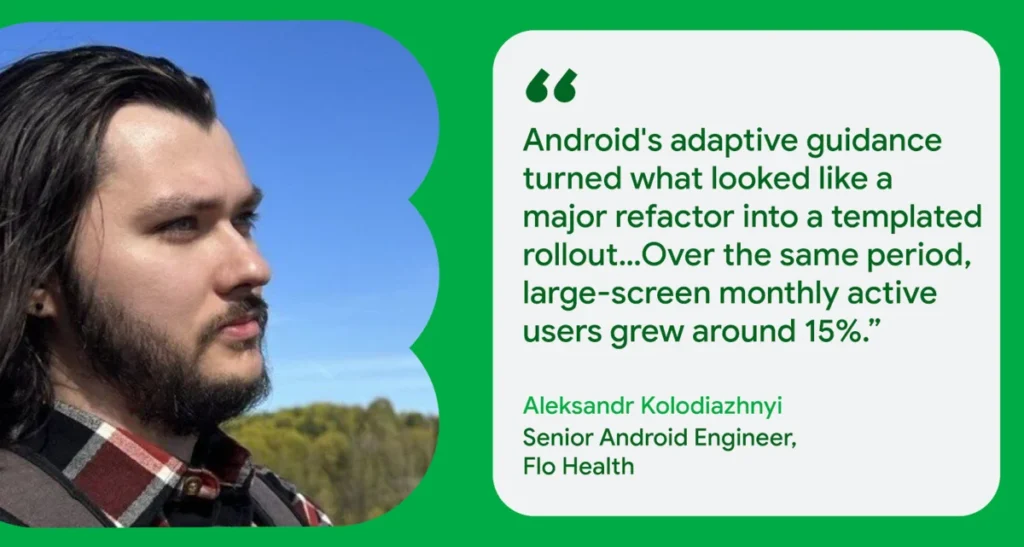
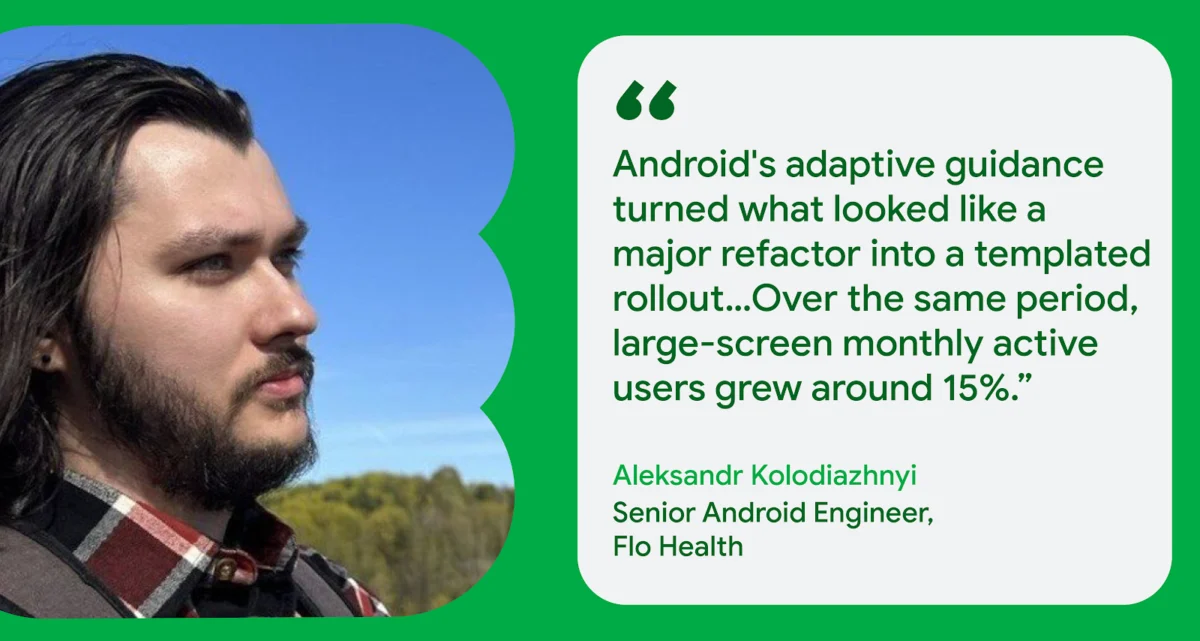
Similarly, Flo Health utilized Jetpack Compose state primitives and ViewModels to turn what was once a complex, multi-week refactor into a streamlined, templated rollout. Aleksandr Kolodiazhnyi, Senior Android Engineer at Flo Health, reported that this approach allowed their team to cut state-preservation code by approximately 30%, while simultaneously resolving long-standing lifecycle and analytics inconsistencies.

The Wrist Revolution: Wear OS 7 and Gesture-Driven Interaction
While the foldable market targets power users, the Pixel Watch 5 and Wear OS 7 aim to redefine the "glanceable" experience. With a 10% improvement in battery efficiency over the previous generation, the Pixel Watch 5 is positioned as an indispensable daily companion.
One-Handed Control
The most significant leap in Wear OS 7 is the new one-handed gesture framework. Recognizing that users often have their hands full, Google has enabled system-level interactions—such as double-pinching or wrist turns—to trigger app actions. Spotify has already integrated this, allowing users to control media playback without ever touching the watch face.

Live Updates and Widgets
The platform is also pushing "Live Updates," a feature that surfaces real-time information—such as delivery status from apps like Just Eat or sports scores—directly to the watch face. Coupled with the new Wear Widgets, powered by Jetpack Glance and RemoteCompose, developers can now build interfaces that are more expressive, consistent, and power-efficient than the older Tiles framework.
On-Device Intelligence: The Era of Gemini Nano 4
Perhaps the most disruptive element of the Pixel 11 series is the hardware-level integration of Gemini Nano 4. By running large language models (LLMs) directly on the device, Google is enabling a new class of AI applications that prioritize privacy, latency, and offline functionality.

The ML Kit GenAI Prompt API
The barrier to entry for AI integration has been lowered through the ML Kit GenAI Prompt API. Developers can now send natural language requests to Gemini Nano 4, which supports over 140 languages and features advanced "thinking modes" and structured output capabilities. Because the processing occurs on the device, developers can provide real-time, instantaneous feedback loops that were previously impossible when tethered to cloud-based APIs.
The Developer Ecosystem: Accelerating Workflow with AI Agents
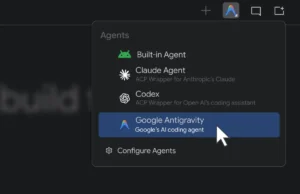
To help developers keep pace with these rapid advancements, Google has introduced "Android Skills"—a suite of AI-optimized instructions designed to be used by agents and development tools.

If a developer needs to implement CameraX display scaling for a foldable device, they can now use the CameraX skill to generate the necessary code structures, or use the Adaptive skill to set up dynamic Compose layouts. This agentic approach to software development is designed to reduce the "manual labor" of boilerplate code, allowing engineering teams to focus on core product innovation rather than configuration management.
Implications for the Future of Mobile
The "Made by Google 2026" announcements signal a definitive move toward a more fragmented, yet more capable, Android ecosystem. For the developer, the implications are three-fold:

- Form Factor Agnosticism: The days of designing for a single screen size are over. The new Android development standard requires apps to be "form-aware," meaning they must be able to thrive on a watch, a phone, and a tablet-sized foldable.
- Privacy-First AI: With Gemini Nano 4, the industry is moving toward local computation. Applications that leverage on-device AI will likely see higher user trust and engagement due to lower latency and superior data privacy.
- Efficiency Through Automation: The adoption of AI-driven coding agents and standardized Jetpack Compose libraries is no longer a luxury; it is a necessity for maintaining a competitive velocity.
Conclusion
The synergy between the Pixel 11 Pro Fold, Pixel Watch 5, and the intelligent core of Gemini Nano 4 provides a glimpse into the next decade of mobile computing. By providing developers with the tools to handle hardware diversity and complex AI workflows, Google is empowering the community to build experiences that feel less like software and more like an extension of the user’s intent.
Developers interested in leading this charge are encouraged to visit the official Android Developer portal to access the full suite of documentation, explore the Android Skills GitHub repository, and begin testing their applications on the new Wear OS 7 and Pixel emulators. The hardware has arrived; the task now is to ensure the software matches its ambition.