The Global Expansion of the Maker Movement: Raspberry Pi Announces 2026 Summer Event Schedule and UK Retail Tour
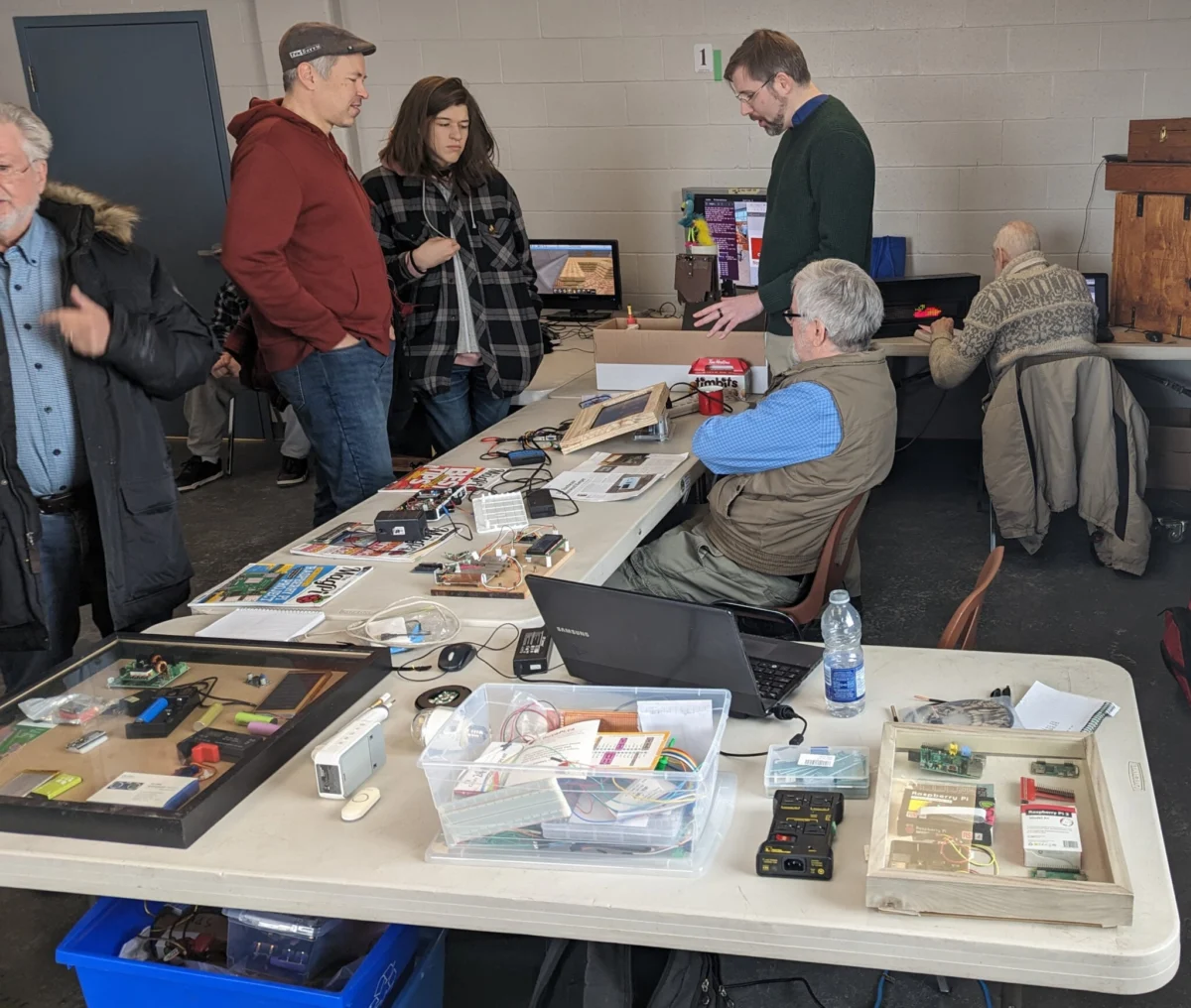
The Raspberry Pi Foundation and its sprawling global community have officially unveiled a comprehensive calendar of "Raspberry Jam" events and maker workshops scheduled for the summer of 2026. This announcement, which highlights the transition of the Raspberry Pi from a niche educational tool to a cornerstone of global industrial and hobbyist computing, includes a diverse array of gatherings spanning five continents. Furthermore, the organization has announced a strategic "Store on Tour" initiative, bringing the physical Raspberry Pi retail experience to major metropolitan hubs in the United Kingdom.
Main Facts: A Global Ecosystem in Motion
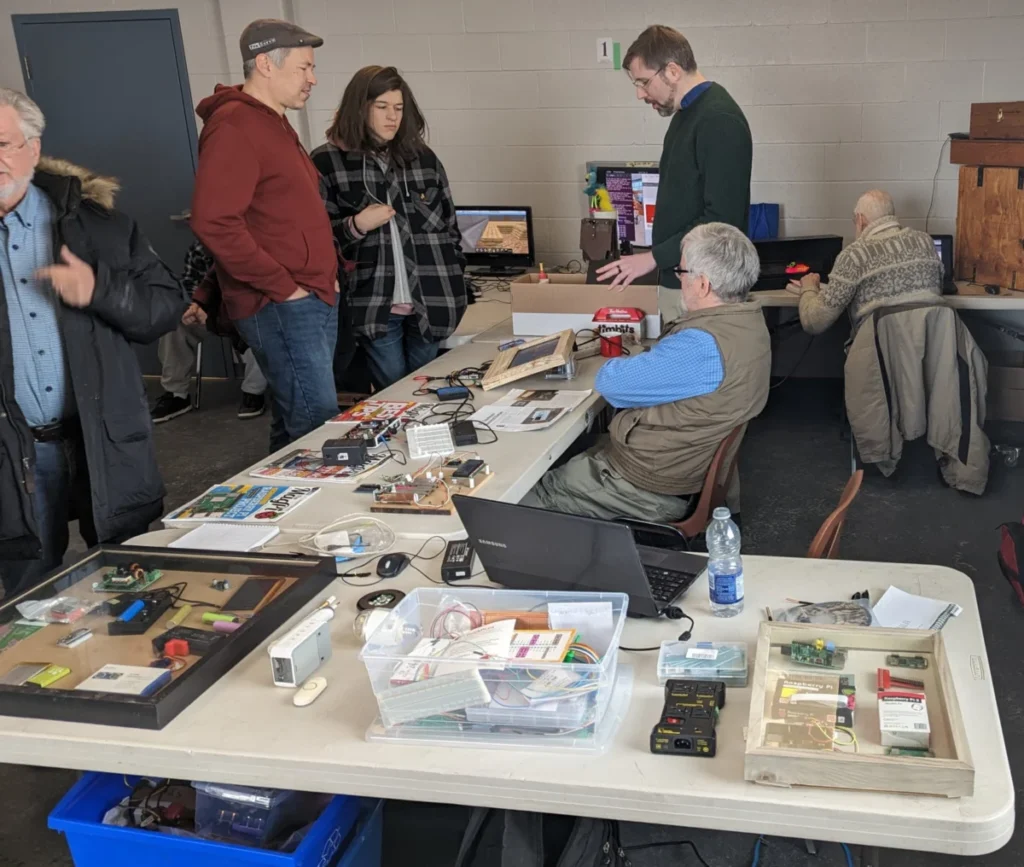
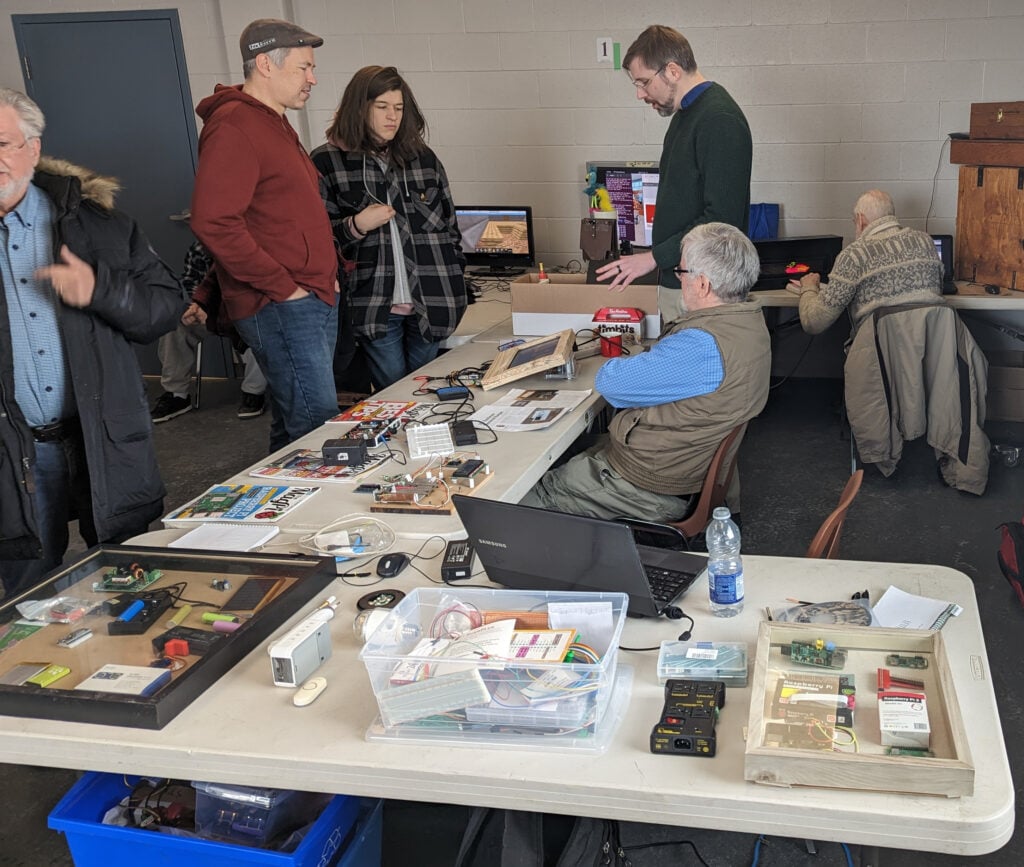
The core of the recent announcement centers on the democratization of technology through community-led events. What began over a decade ago as a modest gathering of four enthusiasts in a London pub has evolved into a sophisticated global network of "Raspberry Jams." These events serve as a bridge between the digital and physical worlds, offering a platform for individuals—ranging from "complete beginners" to "full-blown computer engineers"—to collaborate on projects involving coding, hardware engineering, and digital fabrication.
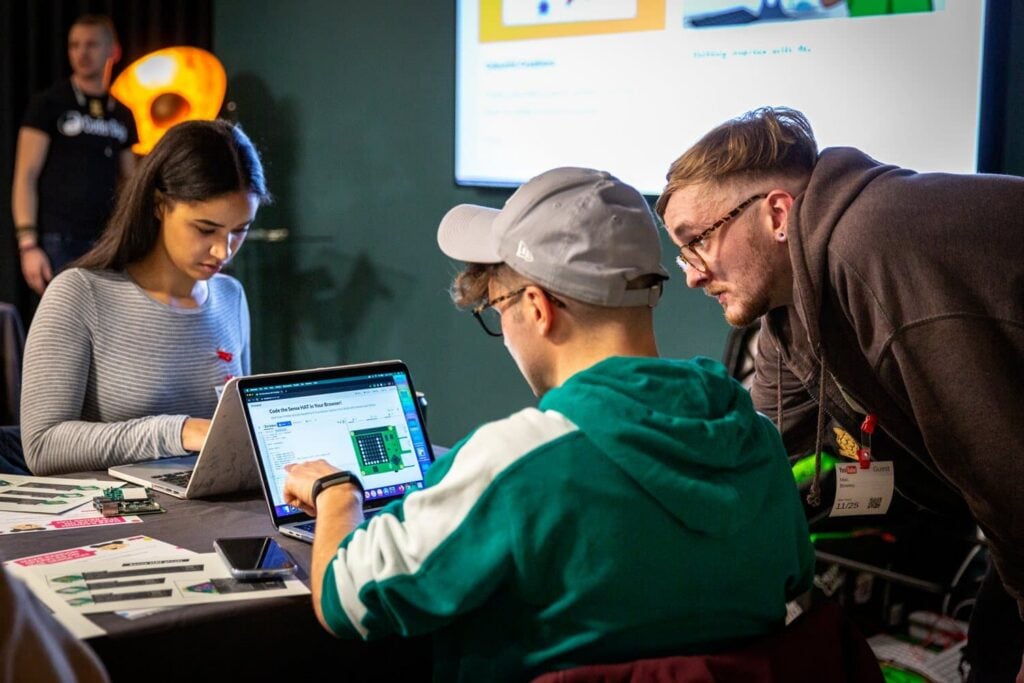
Key highlights of the 2026 summer initiative include:
- Global Reach: Events are confirmed in major international cities including Karachi, Bangalore, Paris, Abuja, and Riverside, California.
- Technological Shift: A significant portion of the upcoming schedule focuses on "Local AI," reflecting the hardware’s increased capability to handle edge computing and machine learning tasks.
- Hybrid Participation: Acknowledging the post-pandemic shift in professional networking, several flagship events will offer hybrid models, allowing for sofa-based participation alongside in-person collaboration.
- Retail Strategy: The Raspberry Pi Store, traditionally anchored in Cambridge, UK, will launch pop-up locations in Manchester and Bristol to facilitate direct consumer access to hardware and official literature.
Chronology of Summer 2026: A Season of Innovation
The upcoming months represent a dense schedule of technological exchange. The following timeline outlines the major milestones for the Raspberry Pi community throughout the summer of 2026.
June: The Focus on Intelligence and Automation
The season kicks off on June 23, 2026, with the June Hybrid Raspberry Pint. Based in London but accessible globally, this event maintains the tradition of informal tech talks that birthed the movement, updated for a modern, connected audience.
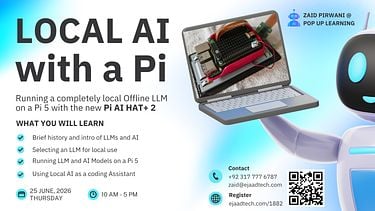
On June 25, the focus shifts to Southeast Asia with "Local AI with a Pi" in Karachi, Pakistan. This event is particularly significant as it highlights the growing trend of "Edge AI"—running complex artificial intelligence models locally on low-power hardware rather than relying on cloud-based servers.
The month concludes on June 27 with two geographically distinct but philosophically aligned events. In Abuja, Nigeria, the Pi Automation Studio will explore industrial applications of the microcomputer, while in Fernandez, Argentina, a traditional Raspberry Jam will foster local maker culture.
July: Buildathons and Regional Jams
July opens with a digital-first approach. The Raspberry Pi Jamwich on July 4 offers an online-only platform for global collaboration. This is followed immediately on July 5 by the Physical AI Buildathon in Bangalore, India—a city often cited as the "Silicon Valley of India." This event is expected to draw high-level engineering talent focused on integrating AI with physical robotics.
Concurrently, from July 5–7, the NextGen Raspberry Pi Workshop will provide an intensive online educational series aimed at the next generation of developers.
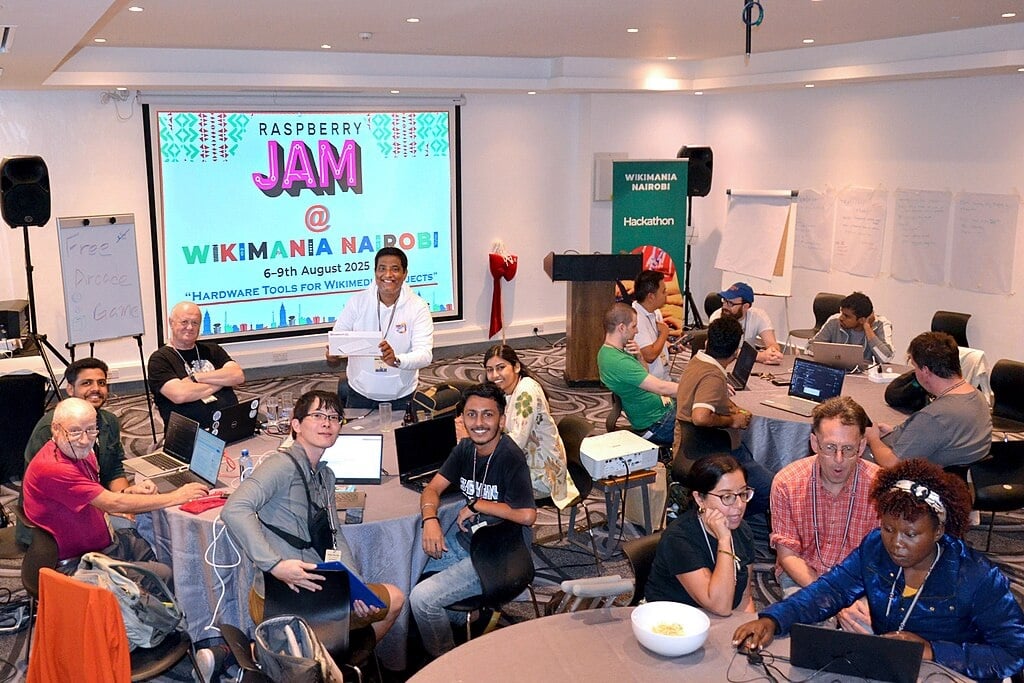
In the UK, the Cornwall Tech Jam on July 11 and the Southend Raspberry Jam Maker Meetup on July 16 continue the tradition of regional grassroots organizing. On the international stage, the Raspberry Jam at Wikimania Paris on July 22 represents a high-profile intersection between open-source hardware and the world’s largest open-source knowledge project.
August and September: Sustained Engagement
While June and July are peak months for one-off festivals, the late summer focuses on sustained community building. The Riverside Raspberry Pi Meetup in California has scheduled a series of recurring dates—July 13, August 10, and September 14—to ensure that the momentum of the summer carries into the autumn.
Supporting Data: The Evolution of the "Jam"
To understand the scale of these events, one must look at the diverse nature of the venues and the demographics they attract. Data from previous Raspberry Pi community cycles suggests that these events typically fall into three categories:
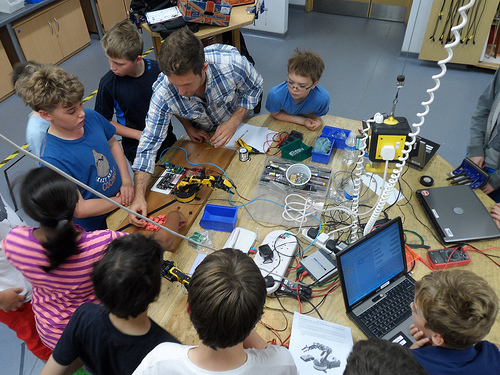
- The Maker Space Model: Often held in "FabLabs" or technical colleges, these events provide access to heavy equipment like 3D printers, laser cutters, and advanced soldering stations. The focus here is on "Physical Computing"—the intersection of software and tangible hardware.
- The Laid-Back Social: These mirror the original "pub meetups." Attendees bring homemade projects—ranging from retro-gaming consoles to automated garden irrigation systems—to share with peers in a low-pressure environment.
- The Educational Workshop: Specifically designed for "the Raspberry Pi-curious," these events are structured around curriculum-based learning, often supported by the Raspberry Pi Foundation’s extensive library of educational resources.
The 2026 calendar shows a marked increase in "Local AI" and "Automation" themes. This shift is supported by the release of more powerful hardware in recent years (such as the Raspberry Pi 5 and the Hailo-8 AI kits), which have expanded the device’s utility from a simple educational board to a viable tool for professional prototyping and industrial control.
Official Responses and Strategic Retail Expansion
While the community-led Jams form the backbone of the movement, the Raspberry Pi organization is taking a proactive role in expanding its physical footprint. A spokesperson for the community events team emphasized the importance of self-organization: "If you can’t see anything near you, why not club together with other like-minded nerds and start your own event? Whether it’s for five people or 500… we’ll add your event to our calendar so more people can find and join you."

The Retail "Tour"
Perhaps the most significant "official" development is the expansion of the Raspberry Pi Store. For years, the flagship store in Cambridge has been a pilgrimage site for tech enthusiasts. This summer, the organization is testing a "pop-up" retail model in two major UK shopping centers:
- Manchester Arndale (July 24–26): Strategically located opposite the LEGO store, this pop-up aims to capture a demographic interested in creative construction and STEM education.
- Bristol Cribbs Causeway (August 28–30): Located at The Mall, this site targets the southwest of England, providing a three-day window for enthusiasts to purchase hardware, books, and exclusive third-party peripherals without the need for shipping.
The organization has invited the public to suggest future locations for these pop-ups, suggesting that if the Manchester and Bristol trials are successful, a permanent or semi-permanent national retail presence could be on the horizon.
Implications: Democratizing the Future of Technology
The implications of this summer’s schedule extend far beyond simple hobbyist gatherings. The geographic diversity of the 2026 events—specifically the high-level workshops in Nigeria, Pakistan, and India—underscores the Raspberry Pi’s role in democratizing high-tech education in developing economies. In these regions, the low cost and high versatility of the Pi make it an essential tool for bridging the "digital divide."
The AI Frontier
The heavy emphasis on "Local AI" in the Karachi and Bangalore events signals a shift in the global tech narrative. As concerns over data privacy and cloud costs grow, the ability to run AI locally on $35–$80 hardware is a game-changer for startups and researchers. These community events act as a decentralized research and development network, where the next generation of edge computing applications is likely to be born.

The Return to Physicality
In an era dominated by digital interaction, the continued growth of in-person "Jams" and the expansion of physical retail stores highlight a human need for tangible collaboration. For the Raspberry Pi Foundation, these events are more than just social gatherings; they are a vital feedback loop. By interacting directly with "makers and tinkerers," the organization gains insights into how their hardware is being used in the real world—information that invariably feeds into the design of future products.
Conclusion
As the Raspberry Pi community prepares for the Summer of 2026, the movement appears stronger and more globalized than ever. From the high-tech corridors of Bangalore to the shopping malls of Manchester, the "Raspberry Jam" has evolved from a local tech meetup into a global phenomenon. By fostering an environment where a beginner’s curiosity is valued as much as an engineer’s expertise, the Raspberry Pi community continues to prove that the most powerful component of any computer is the person using it.