The Indie Gaming Renaissance: From High-Speed Trains to Corporate Worms
The landscape of independent gaming continues to evolve at a breakneck pace, offering a diverse array of experiences that challenge the conventions of AAA development. This week, we examine a fresh wave of indie titles that have hit the digital storefronts, alongside a preview of upcoming projects that promise to push the boundaries of narrative and mechanical design. From the adrenaline-fueled, skate-inspired mechanics of Denshattack! to the surreal corporate satire of Worming from Home, the independent sector remains the industry’s most fertile ground for creative experimentation.
Main Facts: A Diverse Market of Innovation
The current indie ecosystem is characterized by its refusal to stick to a single genre. This week’s arrivals highlight a significant trend toward "niche-plus" design—games that take a known concept and infuse it with unexpected mechanics or narrative depth.
Leading the charge is Denshattack!, a title that defies easy categorization. By blending the fluid, momentum-based gameplay of Tony Hawk’s Pro Skater and Jet Set Radio with the high-octane aesthetic of a dystopian Japanese train simulator, developers Undercoders have created something genuinely novel. The core loop—treating a train as a skateboard—challenges players to navigate tracks while executing complex tricks, transforming a mundane transit simulation into an arcade masterpiece.
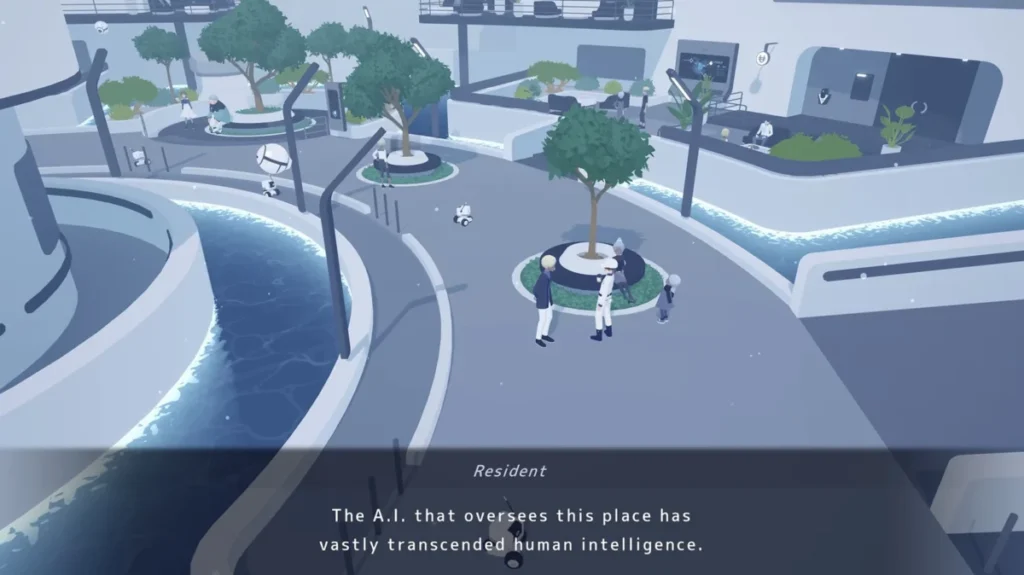
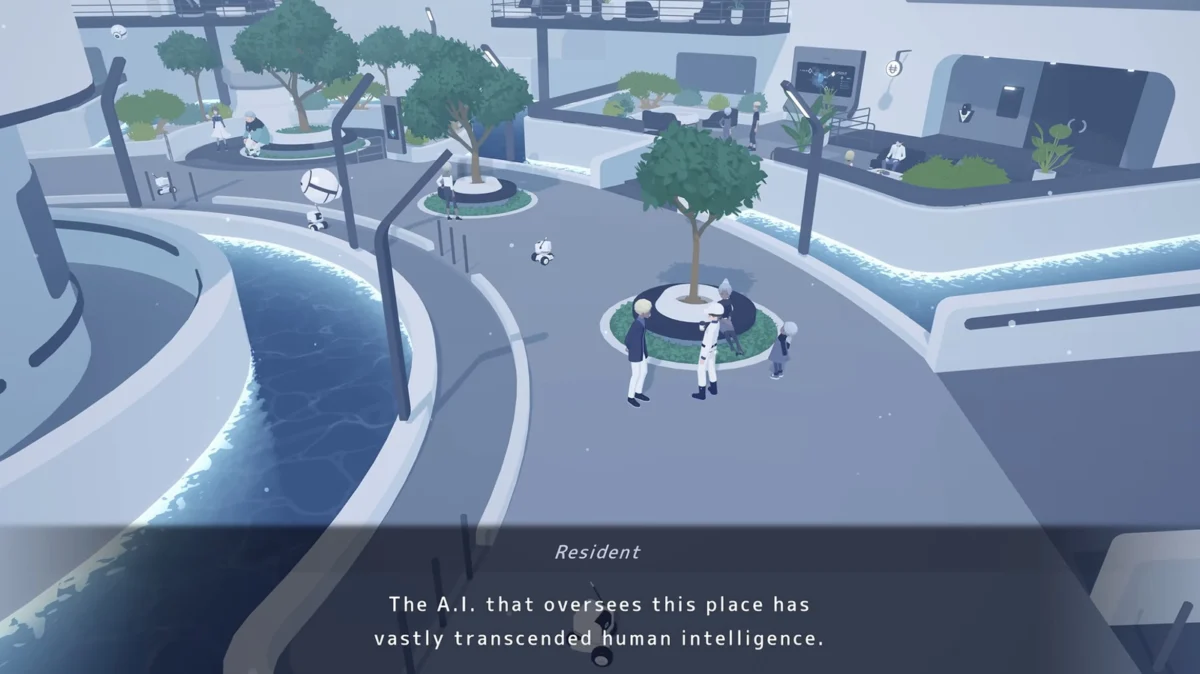
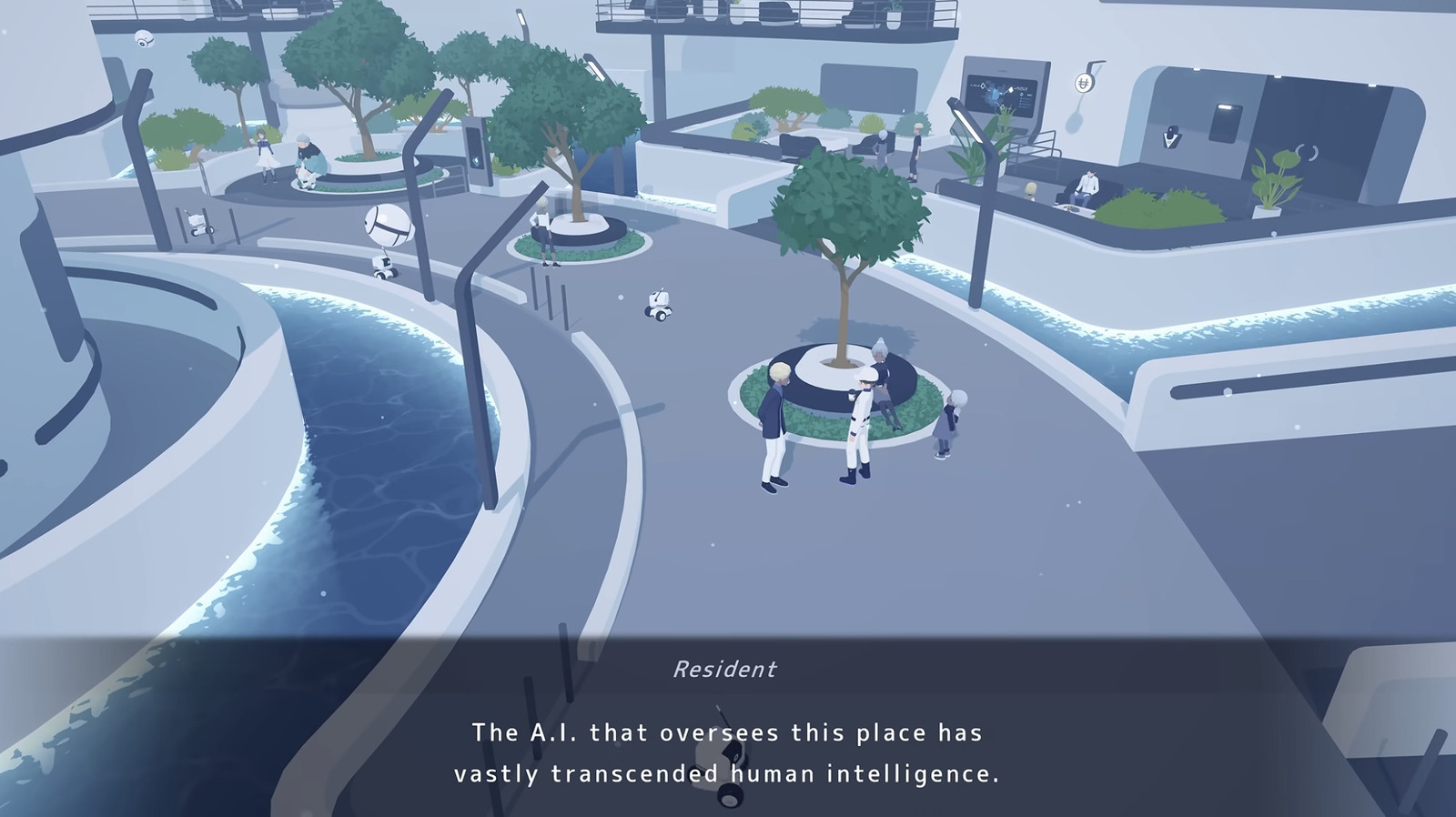
Conversely, titles like D-topia and Moss: The Forgotten Relic lean into established genres—puzzle-adventure and platforming, respectively—but elevate them through meticulous art direction and refined accessibility. D-topia, a project from Marumittu Games and Annapurna Interactive, offers a poignant, sanitized sci-fi world that serves as a backdrop for complex branching narratives. Meanwhile, the arrival of Moss: The Forgotten Relic on flatscreen consoles marks a critical shift for the VR-originating series, allowing a broader audience to engage with the story of Quill the mouse without the hardware barrier of virtual reality.
Chronological Release Breakdown
To help players navigate the deluge of new content, we have organized the current and upcoming releases by their entry into the market.
Recently Released Titles
- Denshattack!: Released this week, this high-speed action title is currently available on Steam, PS5, Switch 2, and Xbox Series X/S. It offers a unique hybrid of platforming and transit management.
- D-topia: Now available across all major platforms including PC, consoles, and the Switch family. The title features a 10 percent launch discount for early adopters.
- Moss: The Forgotten Relic: A comprehensive 2D conversion of the acclaimed VR series, available now for PC and consoles, incorporating both base games and the Twilight Garden expansion.
- Orpheus: To Hell and Back: A charming, music-centric puzzle game released on Steam that pays homage to the legacy of the original Game Boy, while providing a modern accessibility experience.
- Teeto: A 3D cooperative platformer featuring a unique "object-absorption" mechanic that allows players to take on the properties of the world around them.
- Grapple Bear: A precision platformer focusing on momentum and grappling-hook physics, currently available on Steam with competitive online leaderboards.
Upcoming Milestones
- July 29: Dispatch, the critically acclaimed superhero workplace comedy, launches on Xbox platforms.
- August 6: Capy Castaway, a narrative-driven co-op adventure about a capybara pup, hits Steam.
- September 1: Aerial_Knight’s MrFreezy, a dark, puzzle-oriented departure for the developer, arrives on Steam.
- September 4: Worming from Home, a satirical job simulator featuring a financial-analyst earthworm, releases on PC.
Supporting Data and Technical Context
The success of these titles is not merely a matter of creative vision; it is backed by robust technical deployment. Denshattack!, for instance, has achieved "Steam Deck Verified" status, ensuring that the demanding, high-speed nature of the game remains fluid on portable hardware.
The economic model for these games also shows a maturing market. Most titles are launching at the sub-$20 price point, often supplemented by 10 to 20 percent launch discounts. This aggressive pricing strategy, combined with inclusion in services like Game Pass Ultimate, suggests a strategy aimed at maximizing player acquisition in a crowded marketplace.
Furthermore, the data suggests that accessibility is no longer an afterthought. Moss: The Forgotten Relic has introduced a "skip combat" feature for its 2D iteration, acknowledging that the platforming and puzzle elements are the primary draw for many players. This shift toward modular difficulty reflects a broader industry trend toward making games more inclusive without compromising the integrity of the design.
Official Responses and Developer Perspectives
The developers behind these projects have been vocal about the inspirations and challenges behind their work.
In a recent communication, Neil Jones (Aerial_Knight) noted the thematic shift in his upcoming project, Aerial_Knight’s MrFreezy. "This game is definitely darker than my past games," Jones stated. "It’s still built around a really fun and satisfying gameplay loop first, just with creepy vibes layered on top." This transparency regarding the shift from his previous, more energetic titles is a hallmark of the indie scene, where developers often enjoy the creative freedom to pivot genres entirely between projects.
Similarly, the team behind Teeto (Eat Pant Games) shared a heartwarming anecdote regarding their development cycle. The studio, a family-run enterprise, saw two of its lead developers get engaged during the production process. The integration of their daughter’s voice acting into the final product emphasizes the personal, high-stakes nature of independent development—a stark contrast to the often anonymous, corporate-heavy development cycles of larger studios.
Implications for the Gaming Industry
The current wave of indie titles carries several implications for the future of the gaming industry at large:
- The Death of the "VR-Only" Ceiling: The success and transition of Moss: The Forgotten Relic into a 2D format signals that virtual reality games can find a second, potentially larger life on traditional screens. This de-risks the development of VR content by providing a secondary revenue stream.
- The Rise of "Short-Form" Premium Experiences: Titles like Worming from Home—which clocks in at roughly three hours—demonstrate that players are increasingly willing to pay for short, highly focused, and "complete" experiences. The market is moving away from the "hundreds of hours of gameplay" metric as the sole indicator of value.
- Cross-Platform Parity: The inclusion of "Switch 2" and high-end console versions for virtually all games listed here suggests that the indie sector is effectively utilizing the latest hardware. Even smaller teams are prioritizing optimization across the entire spectrum of current-gen platforms, ensuring their reach is not limited by hardware constraints.
- Narrative as a Core Mechanic: From D-topia’s branching logic to Grandma(88)’s distrust-based narrative system, games are increasingly treating story not as a reward for gameplay, but as the gameplay itself. The player’s choices—or in the case of Grandma(88), their willingness to challenge an NPC—are becoming the primary levers of engagement.
Conclusion
As we look toward the remainder of the year, the message from the independent sector is clear: innovation thrives in the margins. Whether it is through the literal high-speed physics of a train-skateboard hybrid or the satirical, career-focused life of a worm, these developers are finding ways to surprise, delight, and challenge their audiences.
The ability for these studios to sustain themselves through Steam Deck verification, Game Pass integration, and strategic pricing points indicates a healthy, sustainable ecosystem. While AAA titles may dominate the headlines, the heartbeat of the industry remains in the small, weird, and deeply personal projects that refuse to conform to the status quo. For players, this means an unprecedented variety of experiences waiting just a download away. Whether you are looking for a competitive platformer to climb the leaderboards or a quiet, narrative-rich adventure, the current indie release slate offers something for every type of gamer.