The Open Source Dilemma: Why the Music Industry is Targeting ‘yt-dlp’ for EU Blacklisting
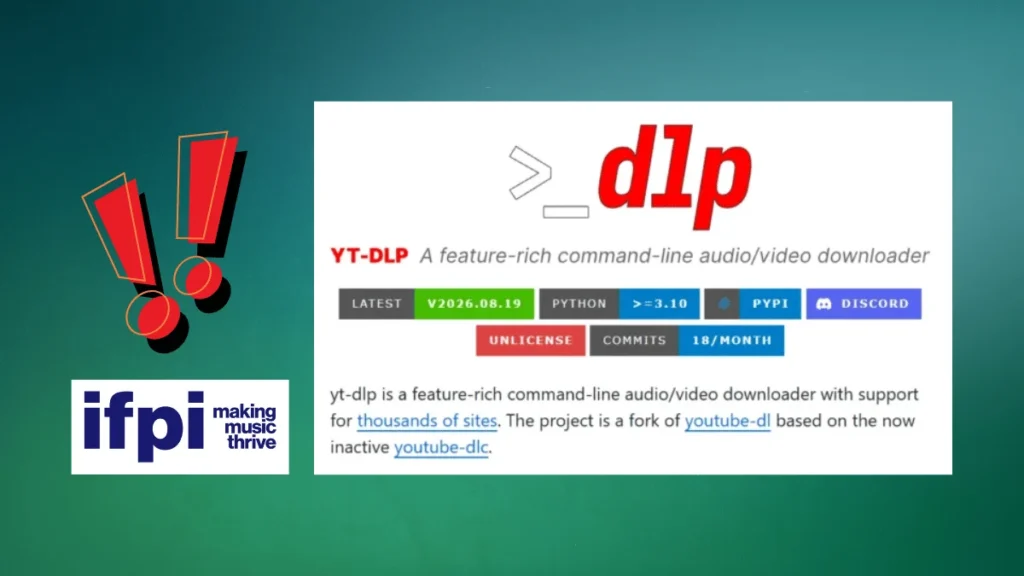
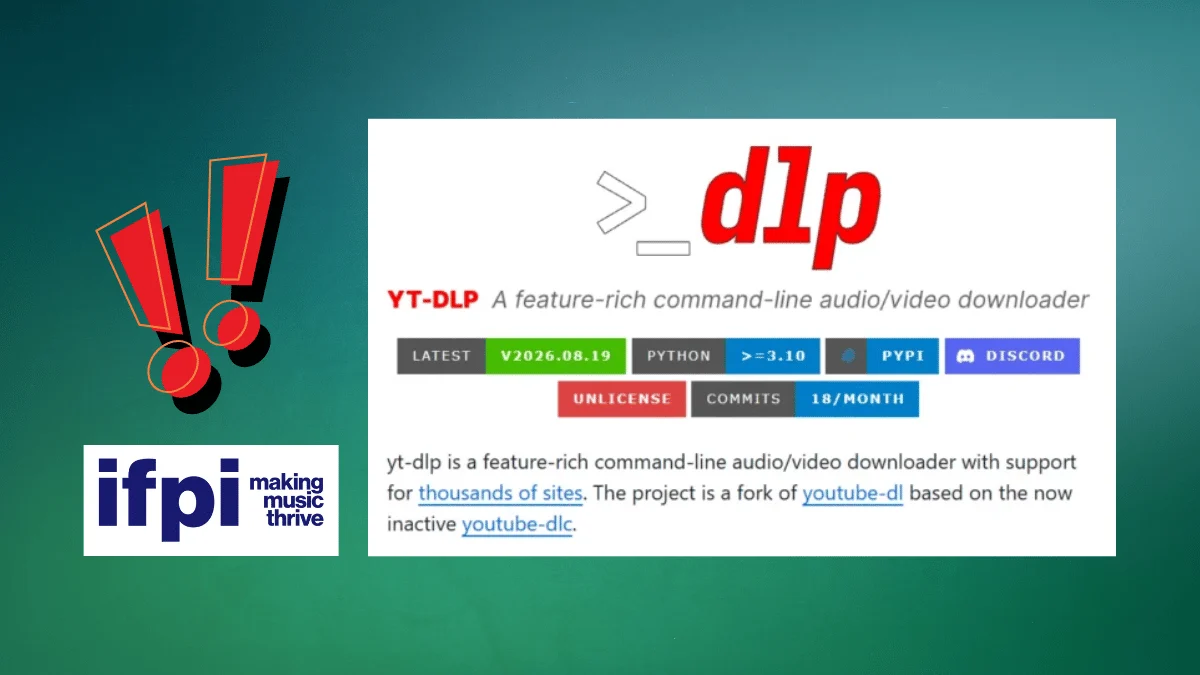
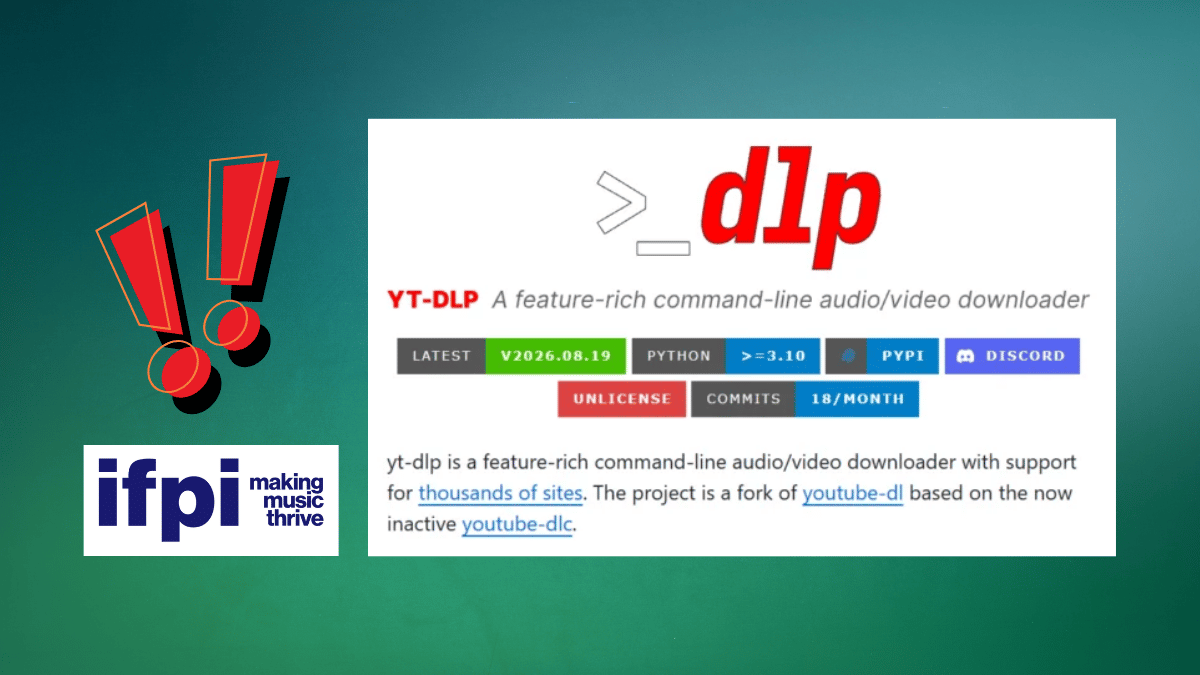
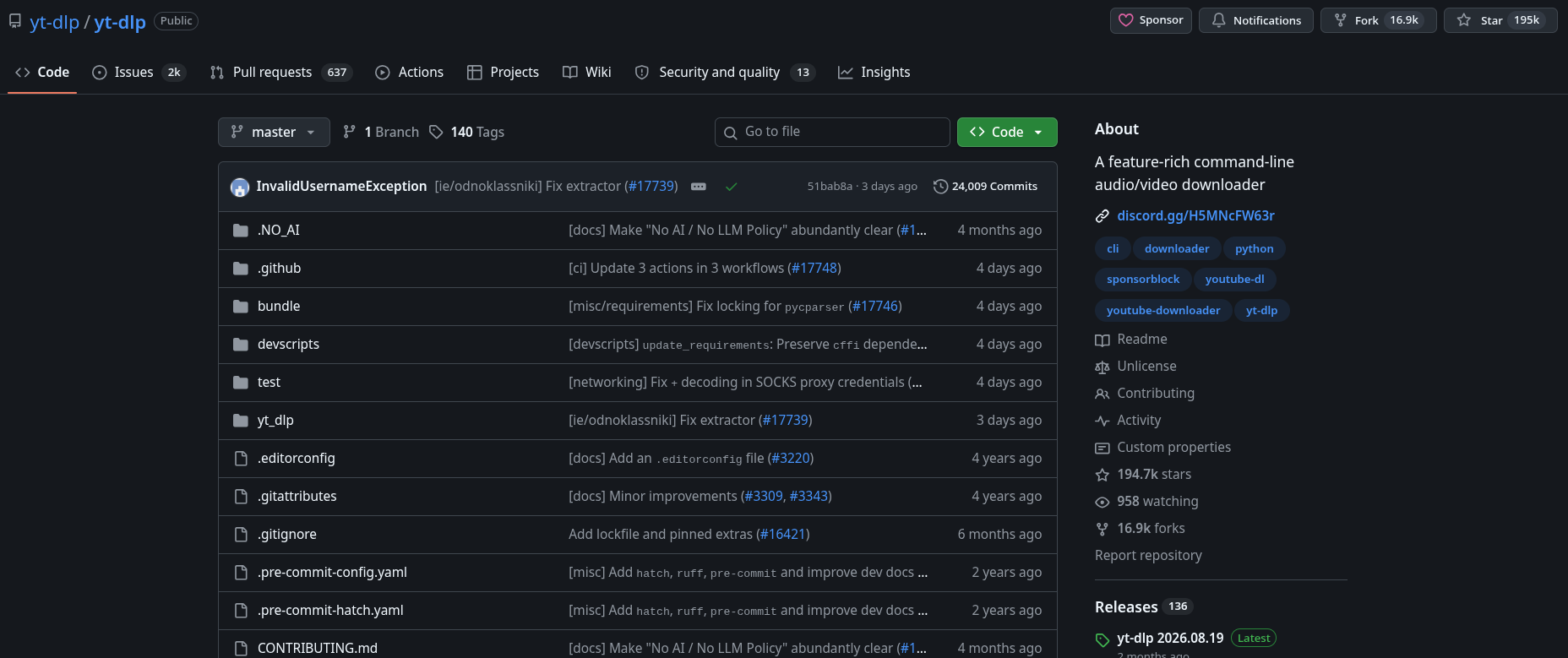
In the sprawling ecosystem of open-source software, few tools have achieved the ubiquity and utility of yt-dlp. With over 195,000 stars on GitHub and a massive, global community of contributors, it stands as a pillar of modern media management. However, its success has placed it directly in the crosshairs of the International Federation of the Phonographic Industry (IFPI). In a move that has sparked intense debate regarding the nature of software distribution versus copyright enforcement, the IFPI has formally requested that the European Commission include yt-dlp on its official Counterfeit and Piracy Watch List.
This development marks a significant escalation in the music industry’s long-standing battle against "stream-ripping." By targeting not just commercial websites, but a decentralized, community-maintained command-line utility, the IFPI is testing the boundaries of how international regulatory bodies interpret the liability of open-source developers.
The IFPI’s Campaign: A New Front in Copyright Enforcement
The IFPI, an influential organization representing roughly 8,000 music labels across 70 countries, wields considerable lobbying power. Its recent submission to the European Commission’s public consultation on the "Counterfeit and Piracy Watch List" serves as a strategic maneuver to pressure governments and service providers into cracking down on what the industry deems "problematic" software.
In its submission, the IFPI explicitly labels yt-dlp as a "major problem for the music industry." What is particularly striking—and perhaps unprecedented—is that the organization went beyond targeting the project as an abstract entity; it identified four of its primary maintainers by their specific GitHub handles. By naming pukkandan (the project’s founder), as well as core maintainers coletdjnz, bashonly, and Grub4K, the IFPI has shifted the focus from the code itself to the individuals who sustain it.
What is the Counterfeit and Piracy Watch List?
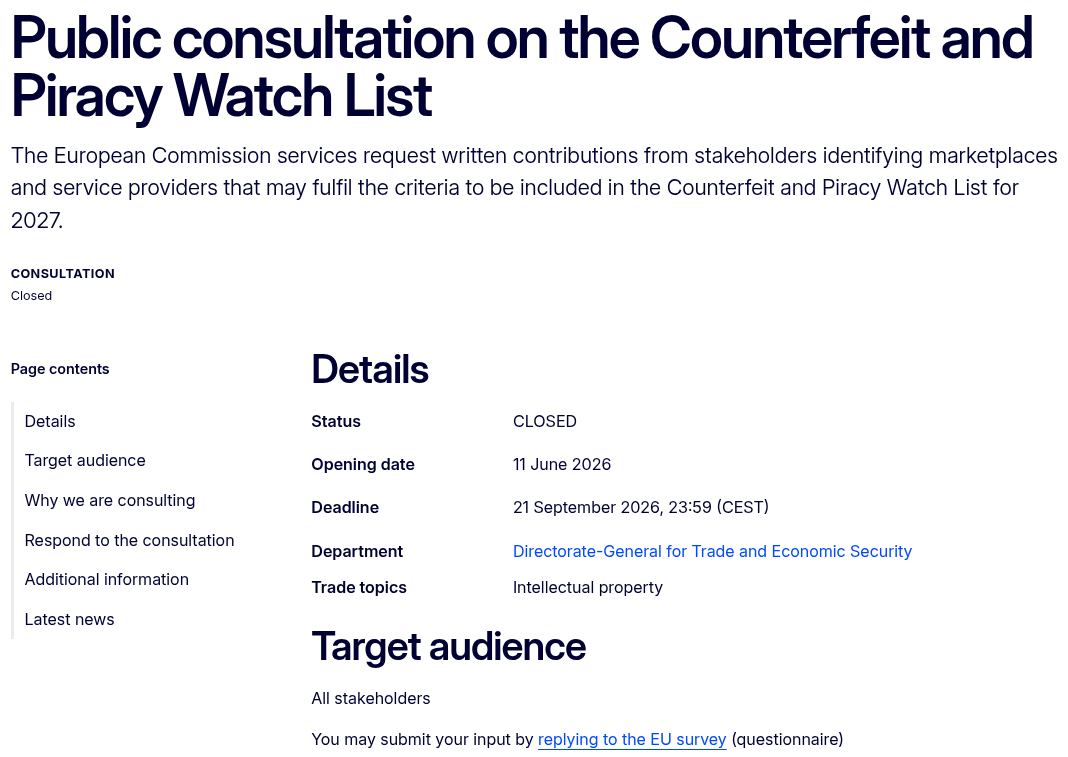
Operated by the European Commission’s Directorate-General for Trade and Economic Security, the Watch List is a comprehensive report identifying online and physical marketplaces that allegedly engage in or facilitate large-scale copyright infringement.
While the listing does not carry the weight of a criminal conviction or an immediate legal injunction, it functions as a potent "naming and shaming" mechanism. Its primary objective is to create political and diplomatic pressure on jurisdictions outside the European Union where these services are hosted or operated. The compilation of the 2027 edition is currently underway, with the final list expected in the second quarter of 2027. For the IFPI, successfully placing yt-dlp on this list would be a symbolic victory, signaling that the EU views the tool as a primary facilitator of digital piracy.
The Mechanics of the Conflict: Why ‘yt-dlp’?
To understand why a command-line tool is being grouped alongside commercial piracy sites like Y2mate and Savefrom, one must look at the IFPI’s definition of "stream ripping." The industry classifies any software that parses web page data to download media content as a direct threat to the revenue models of streaming platforms.
The IFPI describes yt-dlp as a tool that circumvents digital rights management (DRM) and platform-specific protections by interacting directly with playback endpoints. They argue that GitHub, by hosting the repository, source code, and pre-compiled binaries, acts as the primary distribution hub for a tool that systematically violates the terms of service of major media platforms.

However, the IFPI’s submission also reveals a deeper frustration: the decentralized, open-source nature of the project. They acknowledge that, unlike a commercial website, yt-dlp lacks a central domain to block, a payment processor to disconnect, or a single hosting provider to serve with a takedown request. Because the source code is distributed globally and can be compiled independently by anyone, the IFPI finds it "difficult to contain and/or remove."
Chronology of a Regulatory Struggle
The friction between the open-source community and the music industry is not new, but it has intensified over the last several years.
- 2024: A German court ruled that the host provider for
youtube-dl.orgcould be held liable for facilitating copyright circumvention. This established a precedent that, even if a tool is open source, the infrastructure supporting its distribution could be legally targeted. - 2025: The IFPI achieved a significant win in Vietnam, where 12 major stream-ripping websites—including Y2mate.com—were shut down. The success of this operation encouraged the industry to expand its scope toward more sophisticated, non-commercial tools.
- September 2026: The deadline for submissions to the European Commission’s 2027 Watch List concluded. The IFPI’s submission formally included
yt-dlpas a priority target, grouping it with platforms like X (formerly Twitter), Discord, and Telegram, which they claim facilitate copyright infringement at scale. - Q2 2027 (Expected): The European Commission will release the final Watch List, which will determine whether
yt-dlpreceives the formal designation of a piracy-facilitating service.
The Fundamental Misconception: Software vs. Platform
The central issue in this debate is the conflation of a general-purpose tool with a commercial service. yt-dlp is, by design, a command-line interface (CLI) application. It is used by archivists, educators, developers, and legitimate content creators to manage media files. Unlike the commercial ripping websites the IFPI targets, yt-dlp does not host advertisements, does not monetize user data, and is not a "service" in the traditional sense. It is a utility.
By characterizing yt-dlp as a piracy platform, the IFPI ignores the legal principle of "dual-use." Just as a web browser can be used to download copyrighted material, it is also essential for accessing the legitimate internet. yt-dlp provides similar utility for the command line. To label it a "piracy service" is to argue that the ability to download data is inherently illegal, regardless of the context or the user’s intent.
Implications for the Open Source Community
If the European Commission accepts the IFPI’s recommendation, the implications for the open-source community could be chilling.
1. The Threat of Developer Liability
Naming individual maintainers is an attempt to introduce personal risk into a collaborative, volunteer-led process. If developers fear that maintaining popular, high-utility code could land them on an international blacklist—or expose them to legal harassment—it may lead to a "chilling effect," where contributors withdraw from sensitive projects, ultimately weakening the open-source ecosystem.
2. Infrastructure as a Target
The IFPI’s strategy is clearly to pressure the platforms that host the code. While GitHub has historically resisted broad, preemptive takedowns of open-source tools, a formal inclusion on an EU Watch List creates significant political pressure. If GitHub is forced to restrict access to yt-dlp within the EU, it would set a precedent that could be applied to any software that can be used to bypass technical protections on digital content.
3. The Future of Digital Archiving
Tools like yt-dlp are vital for digital preservation. As platforms frequently change their formats, delete content, or pivot their business models, the ability to store local copies of media is essential for researchers and historians. The music industry’s attempt to paint these tools as inherently malicious risks destroying the tools that enable modern digital archiving.
Official Responses and the Road Ahead
As of this writing, the maintainers of yt-dlp have not issued a collective formal response, maintaining their focus on the continued development of the tool. The GitHub repository remains active, and the community continues to push updates to keep pace with the rapidly changing APIs of various streaming platforms.
Industry analysts suggest that the European Commission is unlikely to take immediate, drastic action against an open-source project, as doing so would invite severe criticism from privacy advocates, software developers, and legal experts who prioritize the freedom of information. However, the mere inclusion of the project on the Watch List would be a significant diplomatic signal. It would frame the development of media-parsing tools as an activity that requires stricter regulatory oversight, potentially leading to new, more restrictive legislation in the future.
Conclusion
The IFPI’s campaign against yt-dlp is more than just a dispute over copyright; it is a battle over the architecture of the internet. By attempting to label a neutral, community-driven tool as a criminal enterprise, the music industry is attempting to rewrite the rules of digital ownership.
As we approach the publication of the 2027 Counterfeit and Piracy Watch List, the software development community faces a pivotal moment. The outcome will not only determine the fate of yt-dlp but will also define whether the principles of open source—freedom of access, collaborative development, and transparency—can withstand the influence of traditional corporate copyright enforcement. For now, the global community of developers remains undeterred, viewing the tool not as a instrument of piracy, but as a necessary component of the modern, decentralized digital toolkit.