The Future of Quality: Analyzing the Explosive Growth of the Global Software Testing Market
For years, the software development community has been haunted by two persistent questions: "What is the long-term future of the software testing profession?" and "Is quality assurance a viable, future-proof career path?"
As we navigate an era defined by rapid digital transformation, these doubts have been decisively silenced. Software testers and quality analysts have moved from the periphery to the very heart of the product development lifecycle. Far from being a dying industry, software testing is currently experiencing an unprecedented boom, fueled by the necessity for flawless user experiences and the integration of cutting-edge technologies like Artificial Intelligence (AI) and Machine Learning (ML).
The Main Facts: A Market in Hyper-Growth
The global software testing market is no longer just a support function; it is a multi-billion-dollar industry essential to the survival of the modern enterprise. Recent projections from industry research giants paint a clear picture of this trajectory.
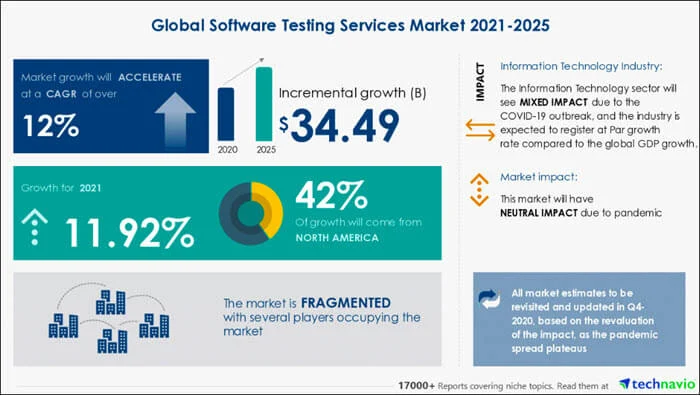
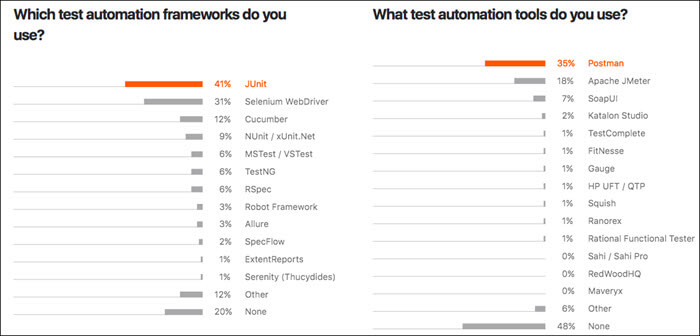
According to data provided by PR Newswire, the software testing services market is expected to expand by a staggering $90 billion between 2021 and 2030, maintaining a robust Compound Annual Growth Rate (CAGR) of 12.39%. This growth is underpinned by the increasing necessity for mobile application testing, cloud-based infrastructure, and the non-negotiable demand for cybersecurity.
Complementing this, Global Market Insights research notes that the sector surpassed the $40 billion threshold as early as 2020. With a steady CAGR of 7% projected through 2030, the consistency of this growth suggests that quality assurance is moving toward a permanent state of high-value investment. Businesses are no longer viewing testing as a "final check" before a release, but as a continuous, value-driven process.

A Chronology of Evolution: From Manual to Intelligent Automation
The evolution of software testing can be traced through the shift in how organizations perceive the role of the tester.
- The Early Era (Pre-2010): Testing was largely a manual, post-development phase. It was often siloed, with developers writing code and testers attempting to "break" it shortly before deployment.
- The Rise of Agile (2010–2018): As the Agile methodology became the industry standard, testing moved "left." Testers were embedded into Scrum teams, and the emphasis shifted toward early detection of bugs and continuous integration.
- The Automation and AI Frontier (2019–Present): We are currently in the age of "Intelligent Testing." Automation is no longer an optional luxury but a core requirement. Modern testers are expected to be proficient in scripting, framework design, and the implementation of AI-driven testing tools.
Tricentis, in its State of Open Source research, highlights that in over 80% of modern organizations, the responsibility for functional test automation now rests squarely on the shoulders of dedicated testers and QA engineers, rather than being offloaded to developers.
Supporting Data: What the Trends Tell Us
The data suggests that we are witnessing a fundamental shift in how software engineering budgets are allocated.
Automation and AI Integration
Forte Group research indicates that test automation is seeing "impulse growth." While 12% of QA practitioners report being fully automated, a significant 35% are currently in the transition phase. The integration of AI and ML is the primary driver here; these technologies allow testing teams to optimize their strategies, predict failure patterns, and execute test suites with unprecedented speed and accuracy.
Katalon’s market analysis suggests that AI’s presence in technology will continue to be omnipresent, with the AI-in-testing market expected to reach $200 billion by 2030. This isn’t just about speed; it’s about the seamless end-user experience that is critical for market competitiveness.
Popular Frameworks and Languages
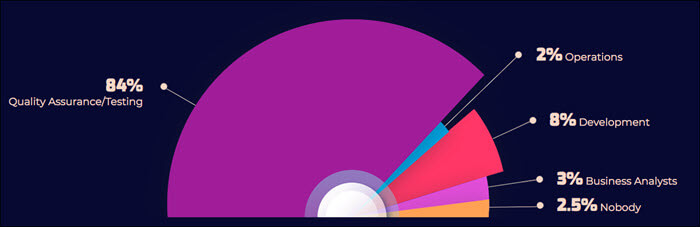
The tools of the trade have also solidified. Research from JetBrains confirms that:
- Frameworks: JUnit and Selenium WebDriver remain the industry gold standards for automation frameworks.
- API/Performance: Postman and Apache JMeter continue to dominate the landscape for API and performance testing.
- Language: Java remains the predominant programming language for test automation, though Python and JavaScript are rapidly gaining ground.
Official Responses and Industry Sentiment
The World Quality Report by Micro Focus serves as a bellwether for industry sentiment. The report explicitly states that 90% of businesses are currently experiencing growth in AI-driven initiatives. This institutional shift toward DevOps and continuous testing has made quality assurance budgets an "indivisible" part of the total software engineering investment.
Crucially, the report notes that 69% of businesses are currently meeting their primary quality goals. This high success rate is a direct result of the elevated status of QA professionals. As businesses realize that poor software quality leads to brand damage and loss of revenue, they are increasingly outsourcing to specialized testing companies, further fueling the market’s expansion.
The Human Element: The Future of the QA Job Market
Despite the rise of automation, the demand for human expertise has never been higher. According to the QA Lead, there is an average of 5.2 software testers per 100,000 people globally.
The Skills Gap
The modern tester is no longer just a manual click-tester. The most sought-after skills include:
- Communication (75% of respondents): The ability to bridge the gap between technical teams and business stakeholders.
- Scripting and Automation (63% of respondents): The technical capability to build, maintain, and scale automation frameworks.
Professional development is also becoming a requirement for career advancement. 44% of testers have completed formal certifications, while 56% rely on self-directed learning and industry literature. The message to aspiring professionals is clear: the market rewards those who commit to lifelong learning in scripting, security testing, and AI implementation.
Emerging Threats: The Rise of Cybersecurity Testing
A significant portion of the projected market growth is tied to the cybersecurity landscape. With 68% of large organizations reporting an increase in cybersecurity threats, the testing of security protocols has become a top priority.
Organizations are increasingly leveraging Robotic Process Automation (RPA) and AI to conduct automated security vulnerability scanning. As digital infrastructure becomes more complex, the global spending on cybersecurity testing is expected to reach $133.7 billion by 2022 and continue to rise, making security-focused QA a high-growth career path for years to come.
Implications for the Future: What This Means for You
The evidence is overwhelming: software testing is a pillar of the modern digital economy. For organizations, the implication is that quality can no longer be an afterthought; it must be built into the fabric of the product. For the individual, the path forward is equally clear.
Key Takeaways for Professionals:
- Embrace AI/ML: Familiarize yourself with how intelligent automation can optimize your workflow.
- Diversify Your Toolkit: While Selenium and Java are foundational, look into codeless testing, IoT-driven testing, and blockchain testing.
- Focus on Security: Cybersecurity is the next great frontier in QA. Understanding how to test for vulnerabilities will make you an indispensable asset.
- Bridge the Gap: Technical skills are essential, but the ability to articulate the value of quality to business stakeholders is what separates a tester from a QA strategist.
Conclusion
Software testing has evolved from a simple verification step into a comprehensive discipline that encompasses performance engineering, security, user experience, and intelligent automation. As we move toward 2030, the convergence of AI, DevOps, and high-stakes digital security ensures that the demand for skilled professionals will continue to climb.
The era of questioning the validity of a career in software testing is over. We are currently in a golden age of quality engineering, where those who master the tools and embrace the shift toward intelligent, continuous testing will find themselves at the forefront of the technological revolution. Whether it is through optimizing performance or safeguarding digital infrastructure, the software tester of tomorrow will be the architect of reliability in an increasingly complex world.