The Open Source Gamble: Evaluating Elon Musk’s Latest Promise to Liberate X’s Codebase
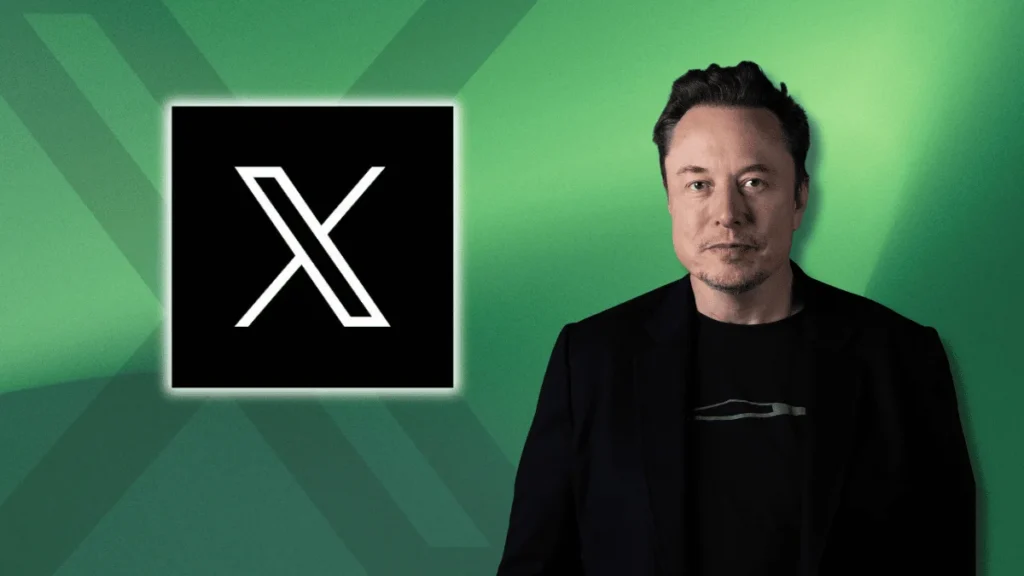
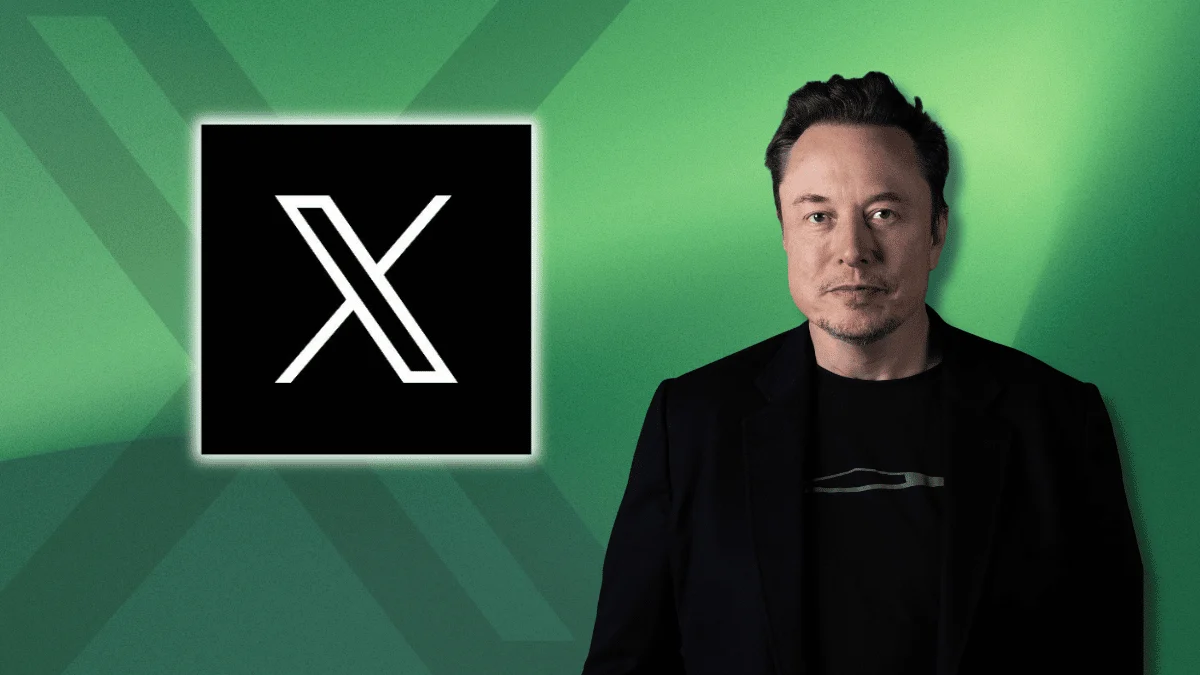
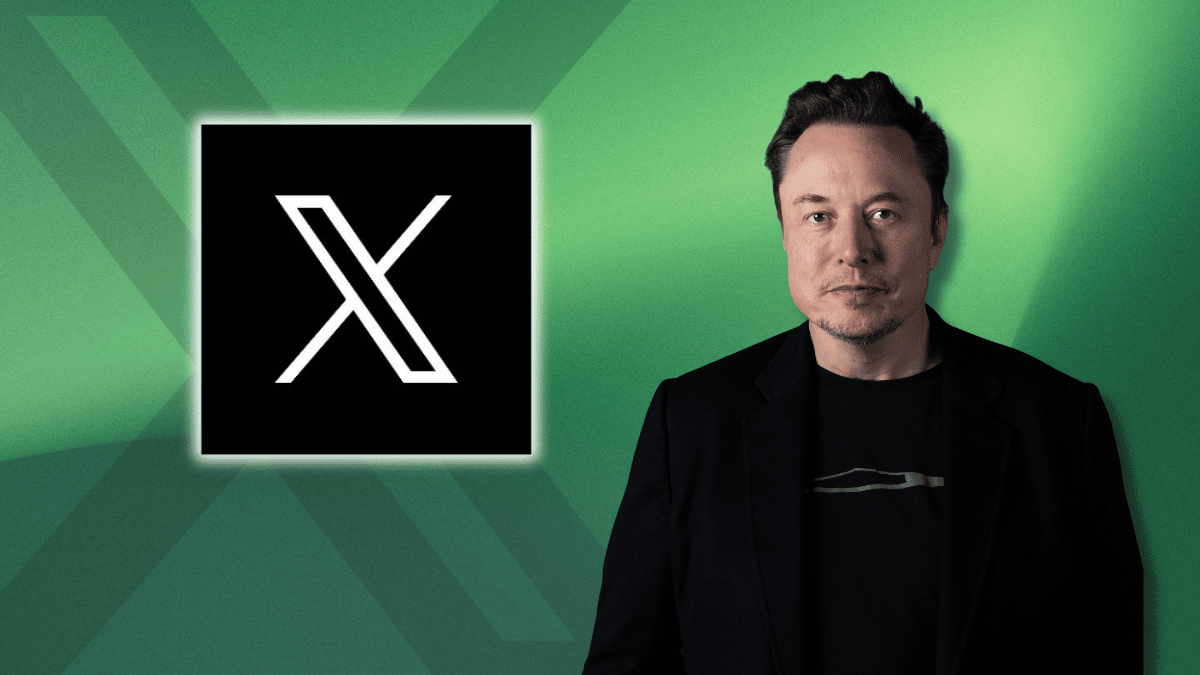
In a move that has sent ripples of both anticipation and skepticism through the tech community, Elon Musk has announced that the entire codebase of the social media platform X (formerly Twitter) will be transitioned to an open-source model. The announcement, delivered via X on July 15, 2026, promises a level of transparency rarely seen in the world of proprietary social media giants. However, as the platform prepares for this transition, industry experts and observers are left questioning whether this represents a genuine shift toward radical transparency or simply another chapter in a long, inconsistent history of open-source pledges.
The Core Proposal: Transparency Through Third-Party Validation
Musk’s latest declaration is not merely a promise to dump code onto a public repository. He has specifically outlined a rigorous framework for the release, emphasizing security and verifiability. According to the announcement, the codebase will be made public only after an internal review process aimed at identifying and patching critical security vulnerabilities.
Perhaps more significant than the code release itself is the proposal to invite third-party reviewers to audit the platform. The objective of this external oversight is to provide a "ground truth" verification: ensuring that the code published in the public repository is, in fact, the exact same code operating within X’s production environment.
This specific focus on "production-parity" addresses a common criticism of corporate "open source" initiatives. Frequently, companies release sanitized or stripped-down versions of their software, keeping the "secret sauce"—the proprietary logic that actually drives user engagement and algorithmic filtering—behind closed doors. By inviting external scrutiny, Musk claims he wants to eliminate the shadow of doubt that often accompanies these types of corporate announcements.
A Chronology of Promises and Mixed Results
To understand the weight of this latest announcement, one must examine the track record of Musk’s open-source initiatives since his acquisition of the platform. The path has been, at best, a complex tapestry of breakthrough releases and stalled momentum.
The Genesis: The 2023 Recommendation Algorithm
In March 2023, shortly after the platform’s acquisition, X took a historic step by publishing a significant portion of its recommendation algorithm on GitHub. For the open-source community, this was a watershed moment. It allowed researchers and enthusiasts to inspect how the "For You" feed prioritized content. However, as time progressed, the repository became stagnant. Updates to the production algorithm were not consistently mirrored in the public repository, leading to a disconnect between the "open" version and the actual user experience.
The xAI Chapter: Grok and Beyond
The focus then shifted to xAI, the artificial intelligence arm of Musk’s corporate portfolio. In March 2024, Musk declared that the company would open-source its flagship AI, Grok. True to his word, the company released the base model’s weights and architecture under the Apache 2.0 license just six days later.
This momentum continued into August 2025, when xAI released the weights for Grok 2.5 on Hugging Face. During that release, Musk set a clear expectation: he stated that Grok 3 would be open-sourced within six months. That timeline would have necessitated a release by February 2026. As of mid-2026, that deadline has long passed, with no sign of the promised weights or architecture, leaving the community to wonder if the project was shelved or indefinitely delayed.
Recent Successes: The "For You" Refresh and Grok Build
Despite the setbacks, the narrative is not entirely negative. In January 2026, the code behind the "For You" feed received a major update, landing in a new repository built on a transformer model. This repository actually received a substantial refresh in May 2026, suggesting that when the team is motivated to maintain transparency, they are capable of doing so.
Furthermore, on the same day as his latest announcement regarding X’s full codebase, the company released "Grok Build," a coding agent that provides users with access to Rust source code and a terminal interface. This release, also under the Apache 2.0 license, served as a timely reminder that Musk is still capable of delivering on his promises, even if the timeline is erratic.
The Skeptic’s Perspective: Why the Doubt?
The skepticism surrounding this latest announcement is not unfounded. Influential voices in the tech space, such as YouTuber and tech analyst JerryRigEverything, have pointedly questioned the frequency of these proclamations. When asked about the latest promise, his response was succinct: "Don’t you say this every few months? That tracks."
This cynicism reflects a growing "promise fatigue" among developers. For the open-source community, code is a tool, not a marketing tactic. When a company uses the language of open source to generate positive headlines but fails to maintain the project after the initial announcement, it damages the credibility of the entire movement. The primary concern is that the "security vulnerability review" phase could become a black hole—a perpetual state of delay where the code is never quite ready for public consumption.

Implications for the Tech Landscape
If X successfully delivers on this promise, the implications would be profound. A fully open-source social media platform of this scale would force competitors to justify their own closed-loop systems. It would provide unprecedented insight into how massive platforms handle content moderation, data privacy, and algorithmic bias.
The Security Dilemma
Critics of open-source social media often point to the "security through obscurity" model, arguing that exposing the codebase provides malicious actors with a roadmap to exploit the system. By explicitly mentioning a pre-release security review, X is attempting to preempt this argument. However, the true test will be the quality of the third-party reviewers. If these reviewers are hand-picked, the transparency will be questioned. If they are truly independent, the exercise could set a new industry standard for platform accountability.
Algorithmic Accountability
The most critical aspect of this potential release is the "For You" algorithm. In an era where AI-driven content curation is suspected of fueling polarization and misinformation, having the ability to verify the code that dictates what billions of people see every day is vital. If the public can verify the code, it creates a feedback loop where engineers can be held accountable for the impact of their curation logic.
The Road Ahead: What to Watch For
As the tech world watches, three key metrics will determine the success of this initiative:
- The Timeline of the Review: How long will the "security review" take? A delay of months would suggest that the project is being deprioritized, whereas a transparent, incremental release of modules could signal genuine intent.
- The Quality of the Third-Party Audit: Will the audit be published in full? Will the reviewers have the freedom to report discrepancies without legal repercussions? The transparency of the audit process is just as important as the transparency of the code itself.
- Consistency of Maintenance: Will the codebase be a "living" repository? If the code is published once and then ignored, it will serve as a museum piece rather than a functional, transparent system. The true value lies in the platform’s commitment to updating the public repository in real-time alongside production deployments.
Conclusion
Elon Musk’s announcement regarding X is a double-edged sword. It offers the tantalizing prospect of a truly transparent digital town square, yet it arrives burdened by a history of unfulfilled expectations. For the open-source community, the move represents a potential victory for the philosophy of public ownership of digital infrastructure.
Whether this becomes a landmark achievement in software transparency or another forgotten promise remains to be seen. For now, the world waits—not just for the code to be released, but for the platform to prove that it values the integrity of the open-source community as much as it values the buzz surrounding its announcements. If X can truly bridge the gap between production and public record, it may well force a fundamental shift in how the world’s largest tech companies interact with the public. Until then, the community remains in a state of cautious, watchful waiting.