The Open Source Weekly: From Brave’s Linux Exclusive to the Future of Kernel Livepatching
The landscape of open-source technology is shifting at a breakneck pace. From the democratization of high-end software tools to groundbreaking advancements in kernel maintenance and hardware versatility, the past week has been a whirlwind for the Linux community. This report provides a comprehensive breakdown of the latest developments, examining the implications of new software releases, hardware pivots, and the evolving ecosystem of tools designed to streamline the developer experience.
I. Main Facts: A Shift in Software Accessibility
The most significant news of the week centers on the release of Brave Origin, a refined, "stripped-down" iteration of the popular Brave browser. Unlike its predecessor, which has often been criticized for its heavy integration of cryptocurrency features and bloated service layers, Brave Origin offers a streamlined experience focusing purely on privacy. It retains the browser’s robust ad-blocking and anti-tracking capabilities while shedding the excess baggage.

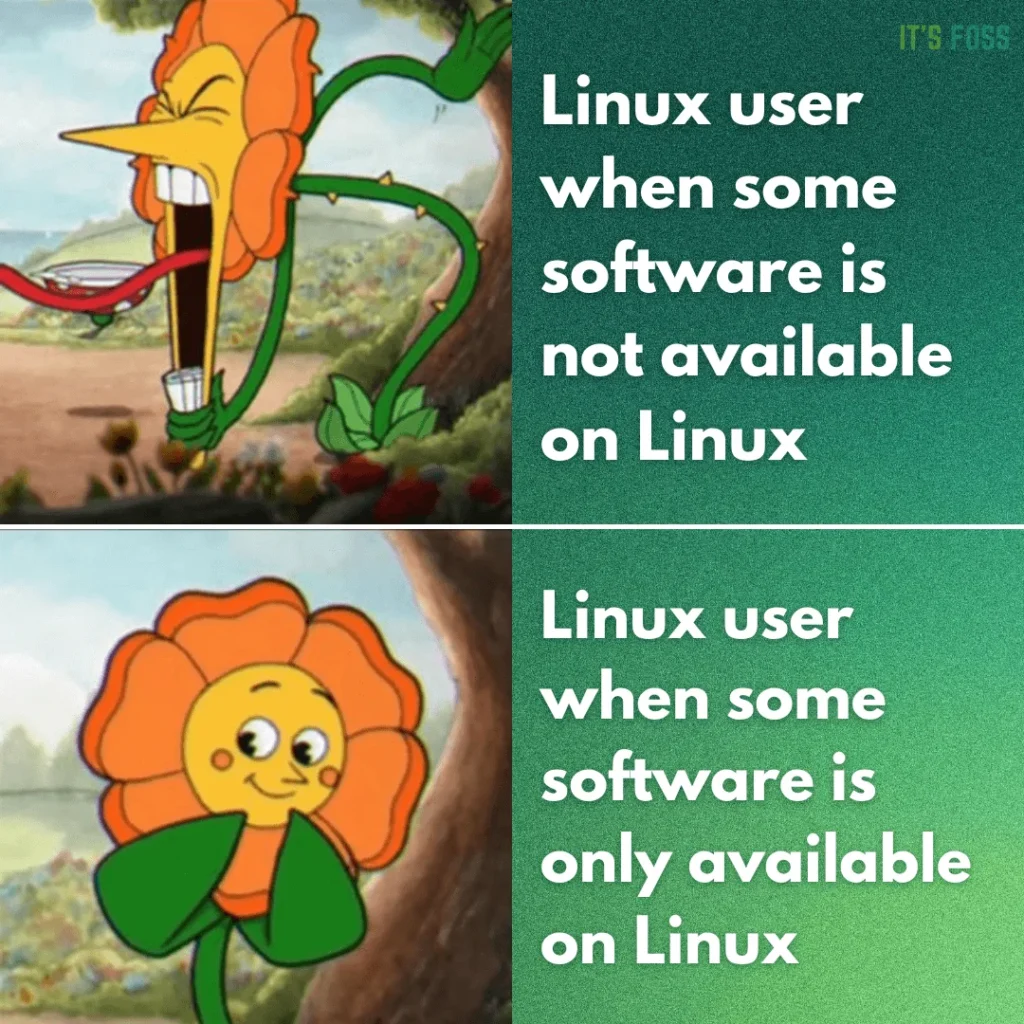
Perhaps most surprising is the pricing model: while Windows and macOS users are expected to pay a $60 premium for this privacy-focused experience, the software is provided free of charge to the Linux community. This rare instance of "Linux privilege" highlights a growing recognition by developers that the open-source community is not merely a user base, but a vital partner in software sustainability.
Simultaneously, the gaming and development world saw a major move from Epic Games, which open-sourced Lore at the State of Unreal 2026. Designed as a direct competitor to Git, Lore is engineered specifically to handle large binary files—a notorious pain point for traditional Git workflows that rely on the sometimes cumbersome Git LFS (Large File Storage).

II. Chronology of Developments
The events of the past week reflect a broader trend of maturation in the Linux ecosystem:
- Mid-June 2026: Brave Browser announces "Brave Origin," a premium privacy-focused browser that is free for Linux users.
- State of Unreal 2026: Epic Games officially open-sources Lore, signaling a move toward more efficient version control for binary-heavy projects.
- Late June 2026: NVK, the open-source Vulkan driver for NVIDIA hardware, achieves experimental DLSS support, with full stable integration expected in Mesa 26.2 this August.
- Ubuntu Development Cycle: The Myna speech-to-text tool—the "implicit" component of Canonical’s AI framework—is confirmed for integration in the upcoming Ubuntu 26.10 release.
- Hardware Shift: ArmSoM unveils the Sige6, marking a departure from Rockchip silicon in favor of the octa-core Allwinner A733 SoC.
III. Supporting Data: Hardware and Performance Metrics
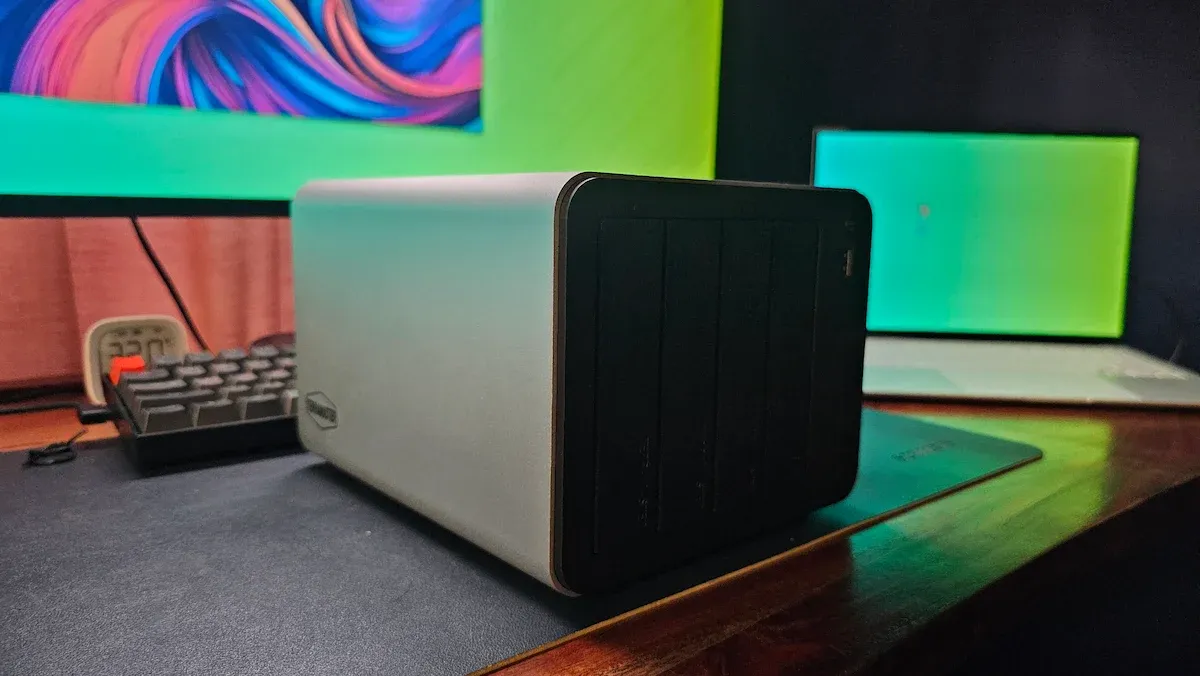
The hardware sector is seeing a diversification of silicon, particularly in the ARM space. The ArmSoM Sige6 represents a significant pivot. By utilizing the Allwinner A733—an octa-core chip featuring a 3 TOPS (Tera Operations Per Second) Neural Processing Unit (NPU)—the device is clearly targeting the local AI and edge-computing market. With up to 16GB of LPDDR5 RAM and an M.2 NVMe slot, the Sige6 is positioned as a powerhouse for developers who need compact, performant hardware that isn’t tethered to the traditional desktop architecture.

In the realm of software performance, the NVK Vulkan driver news is a watershed moment for Linux gamers. For years, the lack of native, stable DLSS support on open-source drivers has been a hurdle for NVIDIA card users on Linux. While the current implementation remains experimental and requires specific flags, the roadmap to Mesa 26.2 ensures that hardware acceleration will soon be a first-class citizen in the Linux gaming stack.
Furthermore, the PineVoice smart speaker launch at $49.99 provides a necessary alternative to the walled gardens of Alexa and Google Assistant. By acting as a dedicated voice satellite for Home Assistant, it proves that there is a viable market for privacy-first, local-control home automation.
IV. Official Responses and Industry Implications
The industry is responding to these developments with cautious optimism. Canonical’s push toward ARM64 Livepatching on Ubuntu 26.04 LTS is a direct response to the enterprise demand for "always-on" infrastructure. By allowing kernel vulnerabilities to be patched without reboots—a feature previously exclusive to AMD64—Canonical is effectively closing the parity gap for ARM-based server deployments. This shift is critical for cloud providers who rely on uptime as their primary metric of success.
Regarding the "Brave Origin" pricing strategy, industry analysts note that this could mark a new trend where privacy is marketed as a luxury service for mainstream OS users, while remaining a community-supported standard for Linux. Whether this will lead to increased adoption or further fragmentation of the browser market remains to be seen.

V. The Future of the Linux Experience
The evolution of the Linux desktop continues to be driven by unconventional design choices. The Niri window manager is a prime example of this trend. By abandoning the traditional "rearranging" logic of standard tiling window managers in favor of an endless horizontal strip, it challenges users to rethink their relationship with screen space.
As noted by early adopters, the learning curve is steep, but the efficiency gains for heavy multitaskers are tangible. This "different by design" philosophy is also evident in the new KDE Plasma 6.7 features. The introduction of independent virtual desktop switching for multiple monitors is a quality-of-life improvement that demonstrates how open-source environments can iterate on UX faster than their proprietary counterparts.
Technical Deep Dive: The Role of AI and Local Tools
The integration of the Myna AI tool into Ubuntu 26.10 is part of a larger, long-term strategy by Canonical to bring local, "implicit" AI to the desktop. Unlike "explicit" AI—which requires constant cloud connectivity and often sacrifices user privacy—the Myna project aims to provide speech-to-text dictation that operates entirely on-device. This approach not only ensures data sovereignty but also reduces latency, making the tool significantly more responsive for daily tasks.
Education and Community Growth
It’s FOSS and other community-driven platforms are emphasizing the importance of "knowing your system." The recent focus on tutorials—ranging from explaining how LVM (Logical Volume Management) works under the hood to mastering terminal shortcuts—underscores a shift back toward power-user education. The success of the "Lifetime Membership" campaign, which has seen 192 supporters commit to the long-term future of the platform, reflects a community that is deeply invested in sustaining the educational resources that define the Linux experience.

VI. Conclusion: A Landscape of Continuous Improvement
The past week has highlighted a fundamental truth about the Linux ecosystem: it is moving toward a more professional, versatile, and privacy-conscious future. Whether it is the move toward open-source binary version control via Lore, the long-awaited arrival of DLSS on NVK drivers, or the democratization of local AI tools like Myna, the pieces are falling into place for a more powerful desktop experience.
As we look toward the remainder of 2026, the focus will undoubtedly remain on stability and performance. With the upcoming releases of Mesa 26.2 and Ubuntu 26.10, users can expect these experimental features to transition into the stable, everyday tools that define the modern Linux landscape. For now, the takeaway is clear: the privilege of using Linux is no longer just about freedom from proprietary constraints; it is about having access to a cutting-edge, community-driven software stack that is increasingly outperforming the mainstream competition.
Tech Trivia Note: As we celebrate these advancements, it is worth remembering the history of our security. On June 18, 1997, the DESCHALL Project successfully cracked the 56-bit Data Encryption Standard. It took 96 days of distributed computing—a testament to the power of community-led, collective efforts, a spirit that continues to define the open-source movement today.