The Rise and Fall of the Third Dimension: Why 3D TV Failed to Become a Living Room Staple
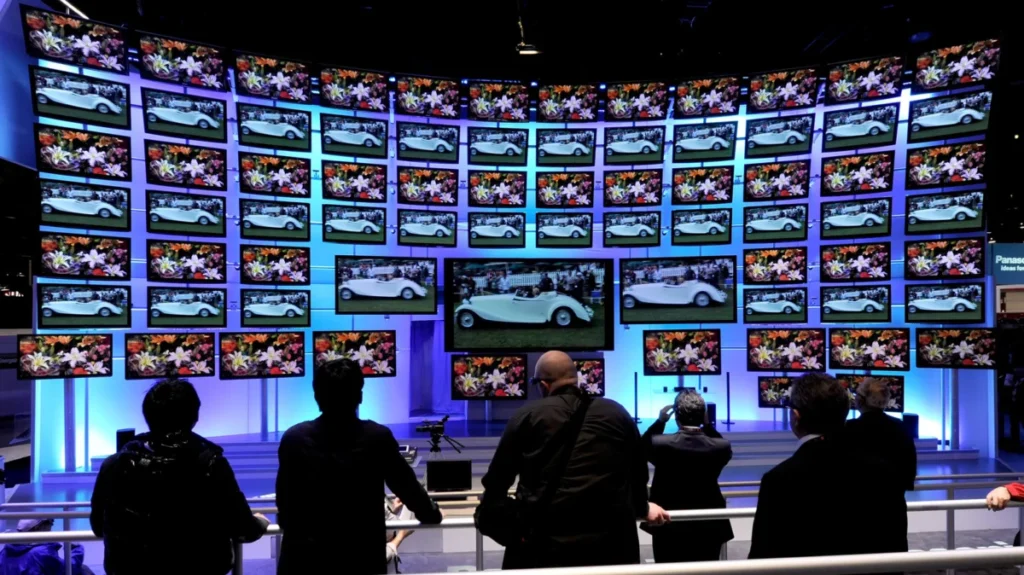
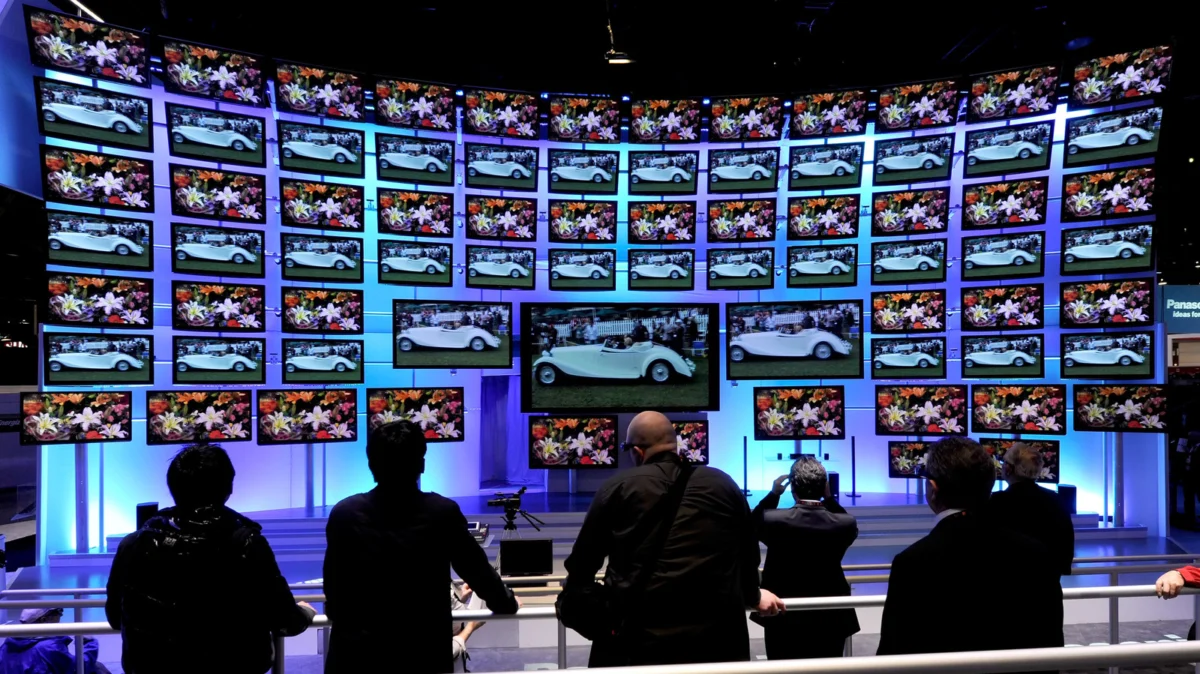
As the home entertainment industry pivots toward the next frontier—Micro RGB displays, the refinement of OLED, and the ultra-high-definition promises of 8K—it is easy to forget that only a decade ago, the industry was locked in a desperate, singular pursuit: the third dimension. Between 2010 and 2015, the living room was ground zero for a stereoscopic revolution. Every major television manufacturer, from Samsung and Sony to LG and Panasonic, bet their entire product roadmap on the belief that 3D was the future of the home cinema experience.
Yet, by 2016, the major manufacturers had effectively scrubbed 3D support from their flagship models. The technology, which had promised to bring the cinematic spectacle of Avatar into our homes, evaporated almost as quickly as it had arrived. What was once the industry’s greatest selling point became a forgotten relic, leaving behind a graveyard of proprietary glasses and obsolete Blu-ray discs.
A Chronology of a Failed Format
The history of 3D at home is a story of artificial demand rather than consumer necessity.
2009–2010: The Hollywood Spark
The catalyst was indisputably James Cameron’s Avatar. Its unprecedented global box office success proved that 3D could be more than a carnival gimmick; it could be a transformative visual medium. Emboldened by this, studios began fast-tracking 3D releases. TV manufacturers, hungry for a reason to drive hardware sales in a maturing LCD market, quickly followed suit.
2011–2013: The Golden Age of Hardware
By 2011, almost every mid-to-high-tier television set came equipped with 3D capabilities. This period saw the "format wars" of 3D technology: passive vs. active shutter glasses. Passive systems, similar to what was used in cinemas, were cheaper and lighter but halved the vertical resolution of the image. Active systems offered full HD resolution but required bulky, battery-powered glasses that were expensive and prone to causing headaches.
2014–2015: The Pivot to 4K
As 3D fatigue set in, the industry found its new obsession: 4K resolution. The shift toward higher pixel density and High Dynamic Range (HDR) proved to be a much more tangible, user-friendly upgrade. Consumers realized that a brighter, sharper image was more desirable than an image that required them to wear uncomfortable headgear.
2016–Present: The Post-3D Era
By 2016, LG and Sony had officially stopped producing 3D-capable televisions. The technology was relegated to high-end projectors and, eventually, niche virtual reality applications.
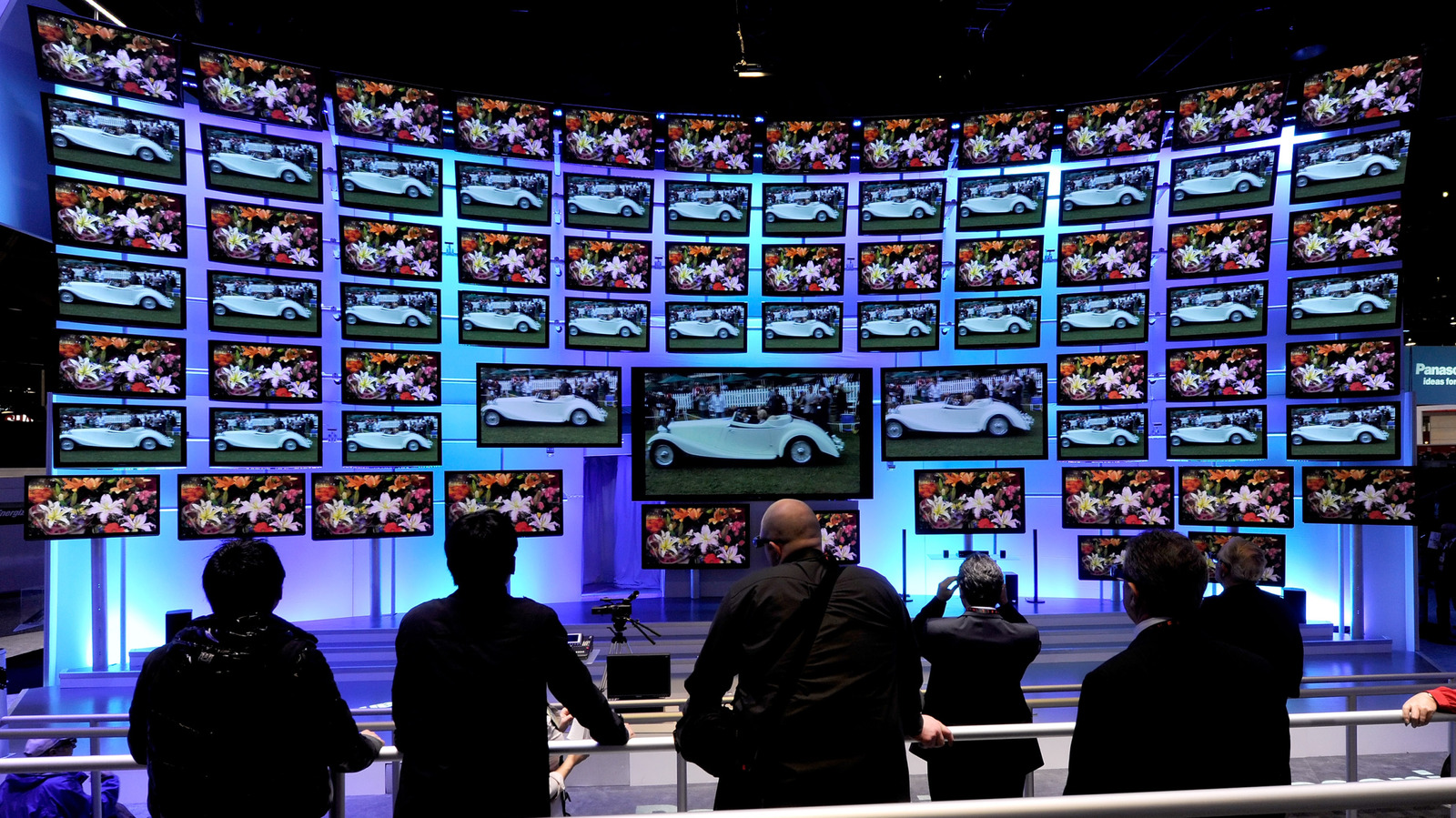
The Mechanics of Failure: Why 3D Never Stuck
The failure of 3D TV was not a result of a single flaw, but a culmination of "friction"—the amount of effort required to get the desired result. In home entertainment, convenience is the ultimate currency, and 3D was, by its very nature, inconvenient.
The Barrier of Entry
To enjoy 3D at home, a consumer needed a "perfect storm" of hardware: a 3D-ready TV, a compatible Blu-ray player, a high-speed HDMI cable, and the correct set of glasses. If you had a family of four, you needed four pairs of glasses. If your friends came over, you needed to hope they owned compatible eyewear. The active shutter glasses, which were necessary for the best image quality, often required regular charging and were prohibitively expensive, sometimes costing upwards of $50 per pair.
The Resolution Compromise
As noted by technical critics at the time, the "passive" 3D systems that were popular for their affordability effectively cut the screen’s resolution in half. To achieve the 3D effect, the screen had to alternate lines of pixels for the left and right eyes. In an era where consumers were beginning to crave higher clarity, sacrificing 50% of the image quality for a "gimmick" was a hard sell.
The Content Desert
The most damning indictment of 3D TV was the lack of content. While blockbusters were released in 3D, the medium was rarely adopted for sports or daily television. The BBC and ESPN, two massive proponents of 3D broadcasting, shut down their 3D efforts in 2013. The BBC’s head of 3D, Kim Shillinglaw, famously noted that the "hassle factor" was too high. People wanted to relax in front of the television, not engage in a ritual of finding and cleaning specialized eyewear just to watch a broadcast.
Supporting Data: The Consumer Verdict
Data from the era reflects a swift and brutal decline in interest. A report from Precision Reports highlights the stark reality: during the peak period of 2010–2018, only 25% of households that owned a 3D-capable TV actually utilized the feature. Even more telling, less than 10% of those households continued using the feature after the three-year mark.
The reasons for abandonment were consistent across demographics:
- 65% cited a lack of compelling content.
- 50% reported physical discomfort, including headaches and eye strain during long sessions.
- 42% identified the high cost of equipment as the primary deterrent.
The Trouble with Hollywood’s Implementation
Hollywood bears significant responsibility for the collapse of the 3D market. Initially, there was genuine excitement. Directors like James Cameron and Martin Scorsese utilized 3D as a narrative tool—a way to add depth to the frame. However, the studios quickly turned 3D into a cash-grab.
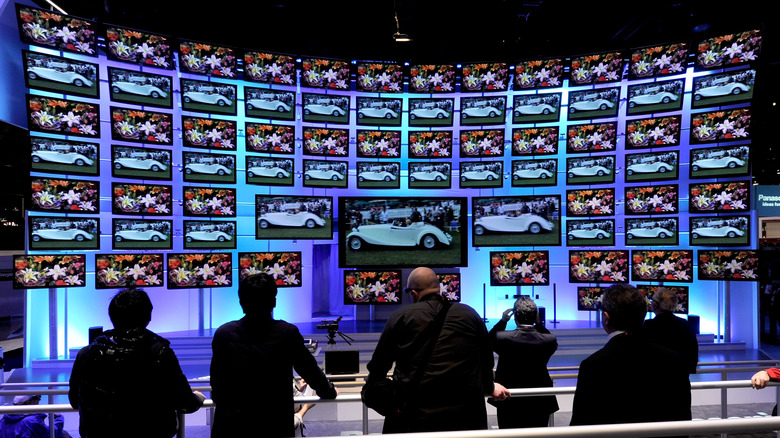
Movies like Clash of the Titans were converted from 2D to 3D in post-production. These "upconverted" films lacked the stereoscopic integrity of natively shot 3D, often appearing as a "muddy mess" of layered cutouts rather than a cohesive 3D environment. This caused a rapid erosion of consumer trust. By 2012, ticket sales for 3D screenings began to plummet. Producer Jeffrey Katzenberg warned at the time that the industry was "disappointing our audience" by prioritizing ticket surcharges over quality, a move that fundamentally undermined the medium’s legitimacy.
Implications for the Future: Is 3D Dead or Dormant?
Despite the failure of the 3D TV, the concept of stereoscopic media has not died; it has simply migrated. The modern successor to 3D TV is not the flat-panel display, but the Head-Mounted Display (HMD).
Devices like the Apple Vision Pro and the Meta Quest series provide a "private cinema" experience that solves the issues of the 2010s. There is no need for external hardware, no half-resolution compromises, and no need to worry about viewing angles. These devices offer a 3D experience that is arguably superior to what was possible in the home theater era.
Furthermore, industry analysts suggest that we may see a resurgence of 3D in the professional and gaming sectors. Some market forecasts predict a 15% growth in 3D-related display technologies by 2036, driven by glasses-free "holographic" displays and professional-grade spatial computing. However, for the average consumer, the lesson remains clear: technology succeeds when it removes barriers, not when it adds them.
The 3D TV era serves as a cautionary tale for tech giants. It reminds us that no matter how impressive a "wow factor" may be, it cannot overcome the fundamental laws of consumer behavior. If the technology requires a ritual, a premium price, and a compromise in quality, it is destined to remain a footnote in the history of innovation. For now, the third dimension is best left to the realm of virtual reality, where the depth of the experience actually justifies the cost of the hardware.