The Rise of Hardware-Level Intelligence: Sipeed Unveils the NanoKVM-Go
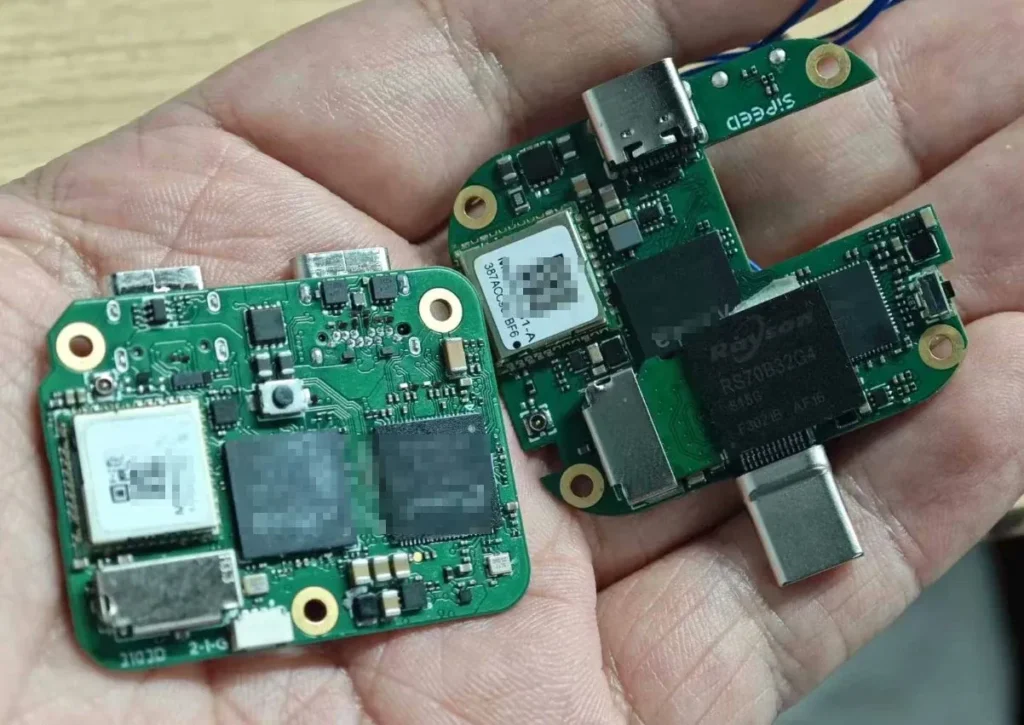
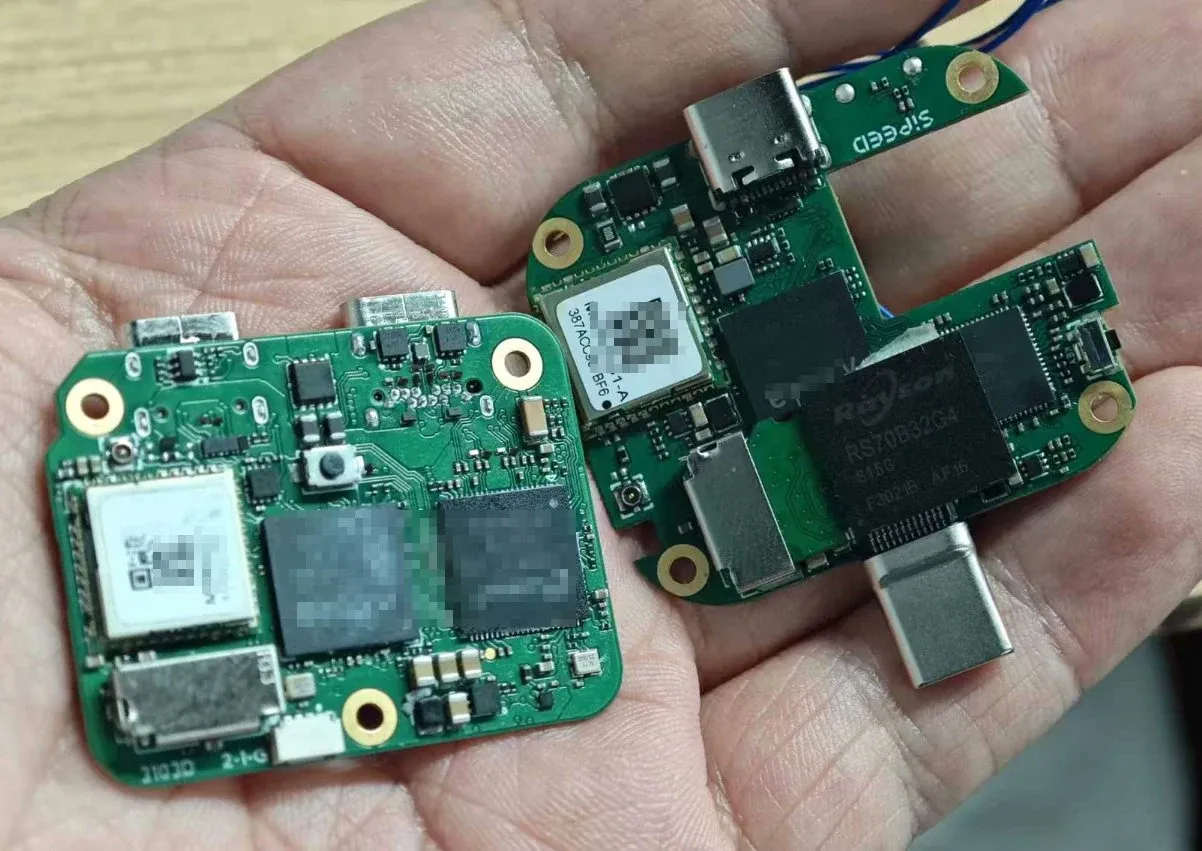
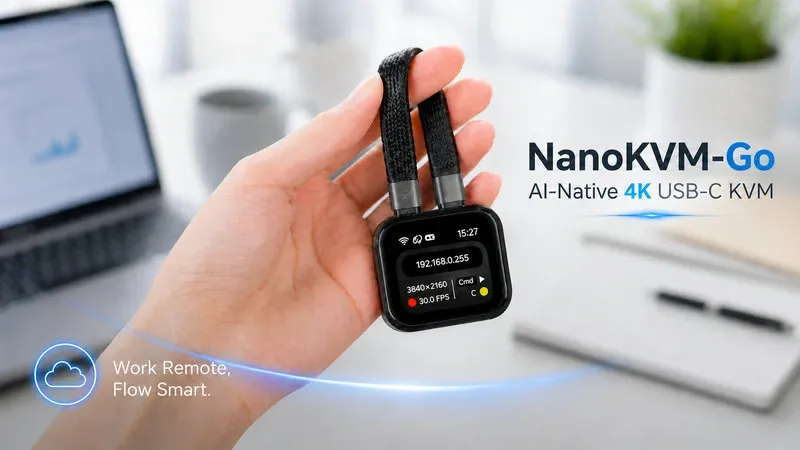
In the evolving landscape of remote systems management, the barrier between physical hardware and intelligent automation has traditionally been high. For years, the "maker" community has relied on enterprise-grade Intelligent Platform Management Interface (IPMI) solutions or bulky, proprietary KVM (Keyboard, Video, Mouse) switches. Sipeed, a company long celebrated for its contributions to the RISC-V and ARM development board ecosystem, is now disrupting this space. With the launch of the NanoKVM-Go, Sipeed has introduced what it claims is the world’s first "AI-native" KVM, a device that promises to bridge the gap between human oversight and autonomous machine control.
Main Facts: A Paradigm Shift in Remote Access
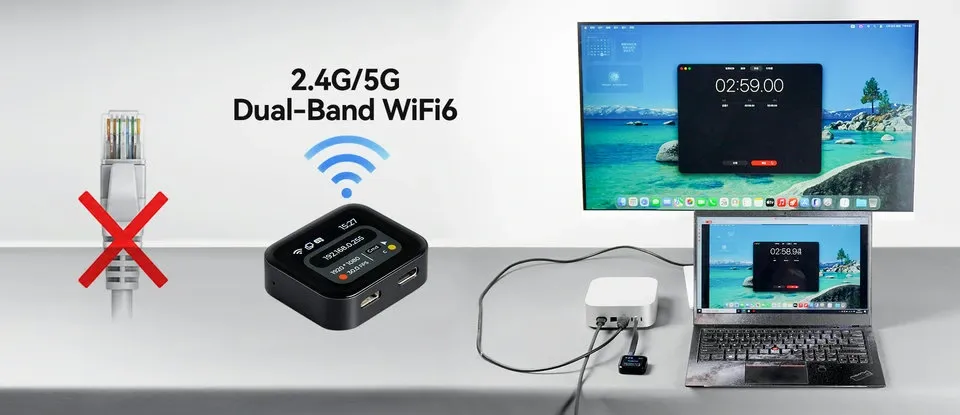
The NanoKVM-Go is not merely a miniaturized remote access tool; it is a fundamental reimagining of how we interact with disconnected or unresponsive hardware. Unlike traditional KVMs that require a web of HDMI, USB, and Ethernet cabling, the NanoKVM-Go streamlines the process into a single USB-C interface. Utilizing DisplayPort Alt Mode, the device handles video, audio, keyboard/mouse emulation, and disk mounting—allowing users to mount ISO images remotely—all through one port.
Connectivity is handled via integrated WiFi 6, supporting speeds up to 286Mbps. To ensure that users can access their devices from anywhere without the complexities of router configuration, Sipeed has integrated Tailscale directly into the device’s firmware. This allows for secure, encrypted peer-to-peer connections across virtually any network.
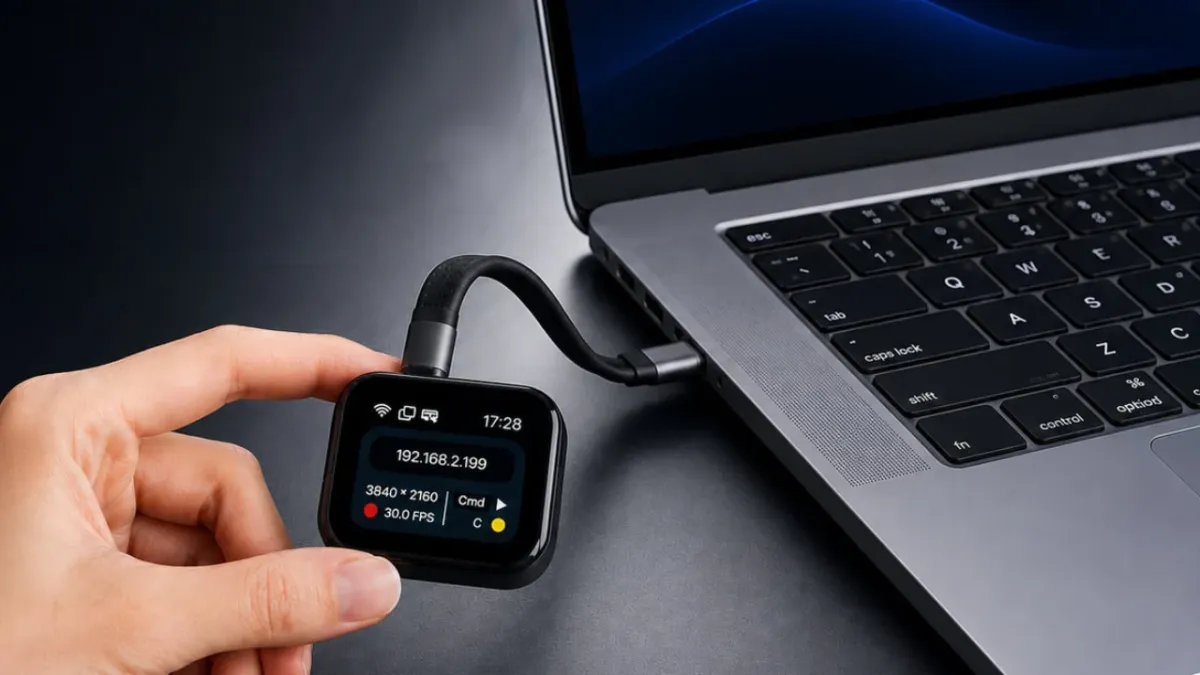
The core of the device’s innovation lies in its "AI-native" branding. By exposing its keyboard, mouse, and video input streams as an MCP (Model Context Protocol) server, the NanoKVM-Go functions as a hardware-level peripheral for AI agents. This means that instead of relying on software-based screen-sharing agents—which fail the moment an operating system crashes or hangs—the AI interacts directly with the hardware, granting it the ability to navigate BIOS menus, resolve boot loops, and execute commands even when the host OS is completely unresponsive.
Chronology of Development and Launch
Sipeed’s journey toward the NanoKVM-Go began with the success of its previous iteration, the NanoKVM Pro. The Pro model established the company as a serious player in the open-source hardware management space. However, the feedback loop from the maker community highlighted a desire for portability and a shift away from cumbersome cabling.
- Early 2026 (Development Phase): Sipeed engineers began exploring the integration of high-performance NPUs (Neural Processing Units) into the compact KVM form factor. The objective was to create a device capable of on-device image processing and local data storage.
- June 2026 (Announcement): The product was officially unveiled to the tech community, generating immediate buzz on social media platforms like X (formerly Twitter). The inclusion of "AI-native" features was met with both intrigue and healthy skepticism.
- July 2026 (Kickstarter Launch): The crowdfunding campaign went live with a modest goal of approximately $6,300 (50,000 HKD). The community response was overwhelming, with the campaign raising over $130,000 in its opening weeks, proving that the demand for "plug-and-play" remote management is immense.
- August 2026 (Projected Shipping): While the company aims for an August 2026 fulfillment, Sipeed has maintained a transparent stance, urging backers to view this as an estimate consistent with the realities of hardware manufacturing and global supply chains.
Supporting Data and Technical Specifications
The NanoKVM-Go is built upon a sophisticated architecture designed for low-power, high-efficiency operation.

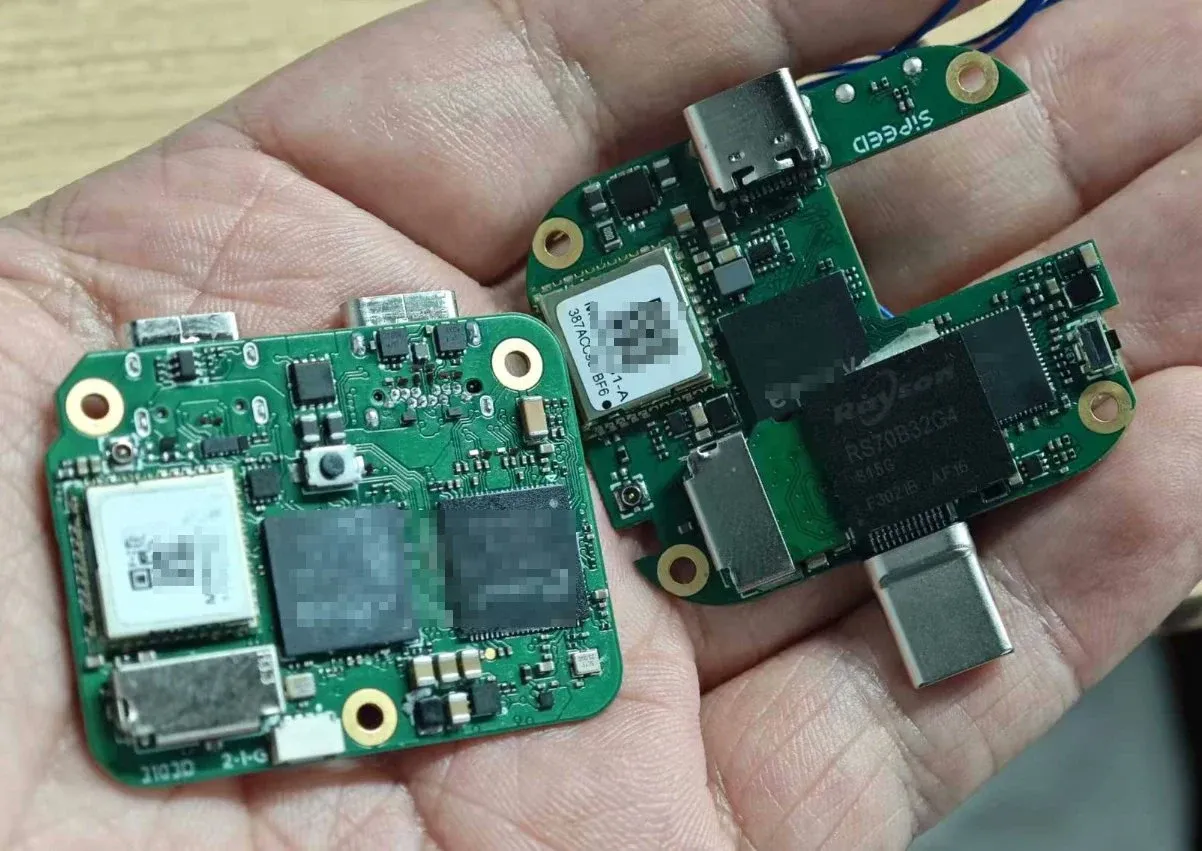
- Processor: An Axera Tech AX630C SoC, featuring a dual-core Cortex-A53 CPU and a 3.2 TOPS NPU.
- Power Consumption: Extremely efficient, drawing approximately 1.6W at 4K/30fps, making it ideal for portable use.
- Capture Performance:
- 4K at 45Hz
- 2K at 90Hz
- Latency: 60ms for 1080p60, 80ms for 2K60, and 100ms for 4K30.
- Memory/Storage: The base "Go" model includes 256MB RAM and 16GB eMMC, while the "Go+" model doubles these to 512MB RAM and 64GB eMMC.
The Go+ model introduces "Ambient Screen Intelligence." This feature allows the device to capture and store up to 180 days of screen history locally. By leveraging the internal NPU, the device enables users to perform natural language searches on their visual history, effectively creating a local, privacy-focused alternative to controversial features like Microsoft’s "Recall."
Official Stance and AI Integration
Sipeed has positioned the NanoKVM-Go as the ultimate companion for the modern AI agent. In a recent press statement, the company emphasized that the device is "agent-ready." By utilizing the MCP server, the KVM can interface with a variety of agents, including PicoClaw (Sipeed’s proprietary solution), Claude Code, Codex, and Hermes Agent.
The company’s decision to prioritize local processing over cloud-based AI is a calculated move to appeal to power users and privacy advocates. By keeping the "Ambient Screen Intelligence" and agent logic on the device, Sipeed avoids the latency and security concerns inherent in cloud-based AI solutions.
Furthermore, the optional FingerBot accessory provides a physical solution to the "unresponsive machine" dilemma. By physically depressing the power button of a machine via a robotic actuator, the system can perform hard reboots on devices that are frozen at the hardware level—a capability that standard software-based remote desktop tools cannot provide.
Implications for the Industry
The introduction of the NanoKVM-Go has several far-reaching implications for both the enterprise and consumer tech sectors.
1. Democratization of Remote Management
Historically, BIOS-level remote access was a privilege reserved for those with enterprise-grade servers equipped with IPMI or expensive proprietary KVM hardware. Sipeed is lowering the entry barrier, allowing students, developers, and small business owners to manage their hardware with the same level of control as a data center engineer.
2. The Rise of "Hardware-First" AI
We are entering an era where AI is moving from the software layer to the hardware layer. The NanoKVM-Go represents a new category of peripheral: the "Active Hardware Agent." Because it interacts with the display output and HID (Human Interface Device) inputs at the port level, it provides a "God-mode" view of the computer. This is a game-changer for automated testing, disaster recovery, and remote technical support.
3. Privacy and Local-First Computing
In a tech landscape often criticized for "calling home" to central servers, Sipeed’s emphasis on local storage for screen history is a significant selling point. For users who work with sensitive data, the ability to maintain an AI-indexed history of their workflow without exposing that data to third-party cloud services is a major competitive advantage.
4. Challenges and Considerations
Despite the excitement, potential users should remain pragmatic. As with any Kickstarter project, hardware development is prone to delays. Furthermore, while the device supports a wide range of hardware (including MacBooks, Mac minis, iPhone 15+, and Steam Decks), users must ensure their host device supports USB-C DisplayPort Alt Mode to utilize the full feature set. The dependency on WiFi 6 for connectivity also means that for mission-critical, high-uptime applications, users must ensure their wireless infrastructure is robust and free from interference.
Conclusion
The NanoKVM-Go is more than just a piece of hardware; it is a manifestation of the current trend toward autonomous computing. By bridging the gap between physical hardware and AI agency, Sipeed has created a device that is as useful for the sysadmin fixing a server in a closet as it is for the enthusiast automating their homelab.
As the crowdfunding campaign continues to exceed expectations, the focus will now shift to the delivery phase. If Sipeed can deliver on the promise of its "AI-native" vision, the NanoKVM-Go may well become the standard-bearer for a new generation of intelligent, hardware-centric remote access tools. Whether it is used for the convenience of remote troubleshooting or as a platform for building the next generation of autonomous agents, the NanoKVM-Go marks a significant step forward in our ability to manage the machines that power our lives.