The Silent Accumulation: How "Chronoferroptosis" Redefines Our Understanding of Brain Aging
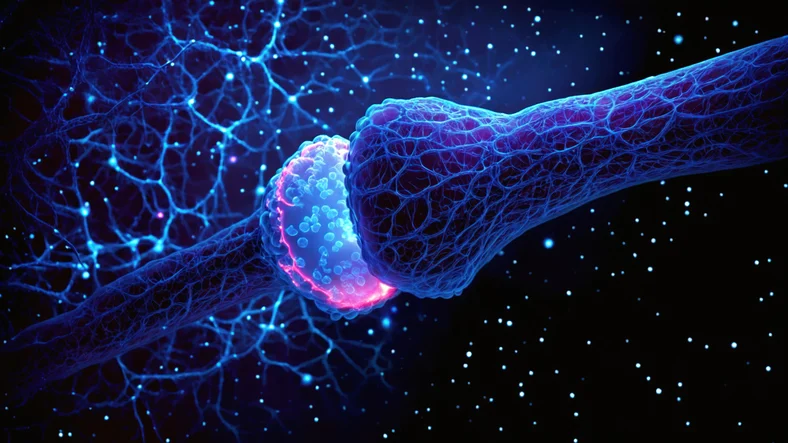
For tens of millions of people worldwide, the slow, devastating decline associated with neurodegenerative diseases like Alzheimer’s, Parkinson’s, and ALS represents one of the greatest challenges in modern medicine. As global populations age, the quest to uncover the fundamental biological triggers of these conditions has intensified. Now, a groundbreaking study published in Cell Death Discovery offers a transformative perspective: the culprit behind neuronal decay may not be a sudden, catastrophic event, but rather a slow, relentless accumulation of iron within the brain’s delicate architecture.
The study, titled "Sustained dysregulation of iron and glutathione homeostasis induces chronoferroptosis, a persistent ferroptotic adaptation in neuronal cells," introduces a novel biological pathway that could fundamentally change how we predict, prevent, and treat cognitive decline. By identifying how iron accumulation gradually erodes cellular resilience, researchers have opened a new window into the mechanisms of the aging brain.
The Paradox of Iron: Essential Nutrient, Silent Threat
To understand the gravity of these findings, one must first appreciate the role of iron in the human body. Iron is an essential mineral, indispensable for life. It is the core component of hemoglobin, the protein in red blood cells that transports oxygen from the lungs to the rest of the body. Beyond oxygen transport, iron is vital for the synthesis of hormones, the regulation of immune system responses, and the fundamental energy production pathways that power our cells.
"It is one of the most important minerals in the body," explains co-corresponding author Nawab John Dar, PhD, a postdoctoral researcher at the Salk Institute. "It isn’t the iron itself that is a problem with age. It is this accumulation of iron over time that is the problem."
The human body is remarkably efficient at managing iron levels; however, this efficiency appears to falter as we age. When the body’s iron export machinery—the biological systems responsible for shuttling excess iron out of cells—begins to fail, the mineral begins to pool within the brain’s neurons. This study posits that this buildup is not merely a byproduct of aging, but a catalyst for a specific form of cellular degradation that leaves the brain vulnerable to the onset of disease.
Defining Chronoferroptosis: The Dimension of Time
Traditionally, scientists have studied a process known as "ferroptosis"—an iron-dependent form of programmed cell death characterized by the peroxidation of lipids. To visualize this, Pam Maher, PhD, a research professor at the Salk Institute and co-corresponding author of the study, offers a simple analogy: "It is like the cellular equivalent of when a cooking oil or nut goes bad. The fats in that oil or nut have undergone peroxidation."
When lipids in the cell membrane oxidize, the structural integrity of the cell is compromised, often leading to rapid cell death. However, the Salk team’s research introduces a critical nuance: Chronoferroptosis.
By creating a progressive model of iron accumulation in human-derived nerve cells, the researchers compared the impact of acute iron exposure (six to eight hours) against chronic, long-term exposure (nine days). Their findings revealed that while acute exposure triggers immediate, dramatic responses, chronic exposure creates a state of "persistent adaptation."
Unlike the terminal nature of traditional ferroptosis, chronoferroptosis acts as a persistent stress pathway. It does not necessarily kill the cell immediately; instead, it weakens the cell’s defenses over time, rendering it hypersensitive to other stressors that would otherwise be manageable. This "diminished resilience" is exactly what researchers believe paves the way for neurodegenerative pathology.
Supporting Data: From Laboratory Models to Clinical Potential
The experimental methodology employed by the researchers allowed for a granular look at how iron-handling proteins and antioxidant defense mechanisms interact over time. By tracking the neurons over a nine-day cycle, the team observed a coordinated shift in how the cells attempted to maintain homeostasis.
- The Failure of Export: The study identified that the accumulation of iron is largely due to the gradual failure of specific transport proteins tasked with removing excess iron from the cytoplasm.
- Antioxidant Exhaustion: As iron levels rise, the cell’s natural antioxidant defenses—specifically those involving glutathione—are depleted. Without these defenses, the cells cannot neutralize the toxic byproducts of iron-induced lipid peroxidation.
- The Resilience Threshold: The data suggests there is a "tipping point." Once iron reaches a certain concentration within the neuron, the cell enters a state of permanent stress, permanently altering its metabolic profile and leaving it susceptible to external factors like oxidative stress, inflammation, or metabolic disturbances.
This study moves the field beyond the "all or nothing" view of cell death. Instead, it suggests that neurons can exist in a "pre-diseased" state for years, characterized by this chronic, iron-induced vulnerability.

Official Perspectives: Shifting the Focus to Resilience
"Resilience has become a huge topic of discussion when it comes to Alzheimer’s disease and other neurodegenerative disorders," says Dr. Maher. "We are trying to make the brain more resilient in the face of stressors that contribute to neurodegeneration."
The consensus among the research team is that clinical interventions should not necessarily focus on completely eliminating iron—which would be dangerous given its vital physiological roles—but rather on modulating the systems that handle that iron. If clinicians can identify the moment when iron accumulation begins to overwhelm the neuron’s adaptive capacity, they may be able to intervene long before clinical symptoms of cognitive decline appear.
Dr. Dar emphasizes the shift in perspective required for future treatments: "It’s not the amount of iron that seals the fate of these cells. It’s the amount of time they spend under stress."
Implications for the Future of Medicine
The implications of this research are profound. If chronoferroptosis is indeed a primary driver of age-related neuronal failure, it suggests that the current "late-stage" approach to treating diseases like Alzheimer’s may be fundamentally misaligned with the biology of the disease.
1. Diagnostic Innovation
The ability to identify early-stage markers of chronoferroptosis could lead to non-invasive diagnostic tests capable of flagging individuals at high risk for neurodegeneration years before memory loss or physical impairment occurs.
2. Targeted Pharmacological Interventions
The Salk Institute team is already looking toward the next phase of development. Dr. Maher revealed that the lab has developed several candidate compounds specifically designed to inhibit the chronoferroptosis pathway. By bolstering the neuron’s antioxidant defenses or restoring the functionality of iron-export proteins, these therapies could act as a "shield," preserving cellular resilience in the face of aging.
3. A New Paradigm for Healthy Aging
Beyond drug development, this discovery underscores the importance of maintaining systemic health. While the study focused on cellular models, the findings highlight the interconnectedness of metabolic health, antioxidant status, and brain function. Future research will likely explore how dietary factors, systemic inflammation, and vascular health influence the brain’s ability to manage its iron stores.
Conclusion
The discovery of chronoferroptosis represents a significant milestone in neurobiology. By shifting the focus from the terminal event of cell death to the cumulative, time-dependent process of cellular stress, researchers have identified a viable target for intervention that could redefine how we age.
While there is much work to be done to translate these laboratory findings into human clinical trials, the path forward is clearer than ever. By protecting the resilience of our neurons and preventing the slow, silent buildup of iron, science is inching closer to a future where neurodegeneration is no longer an inevitable consequence of growing older, but a manageable condition that can be anticipated and avoided.
"This could really be a promising therapeutic route for boosting neuron resilience and staving off neurodegeneration as we grow older," concludes Dr. Maher. As the global scientific community digests these findings, one thing is certain: the study of time, stress, and the internal life of the neuron will be at the forefront of medical research for years to come.