The Silicon Lockdown: Why Raspberry Pi 5 Firmware is Now Policing Your RAM
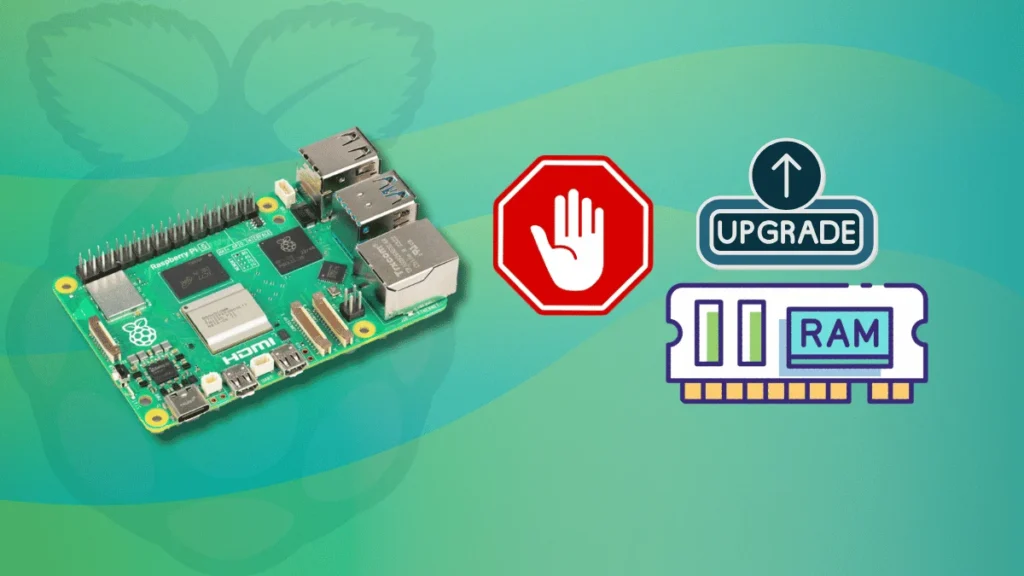
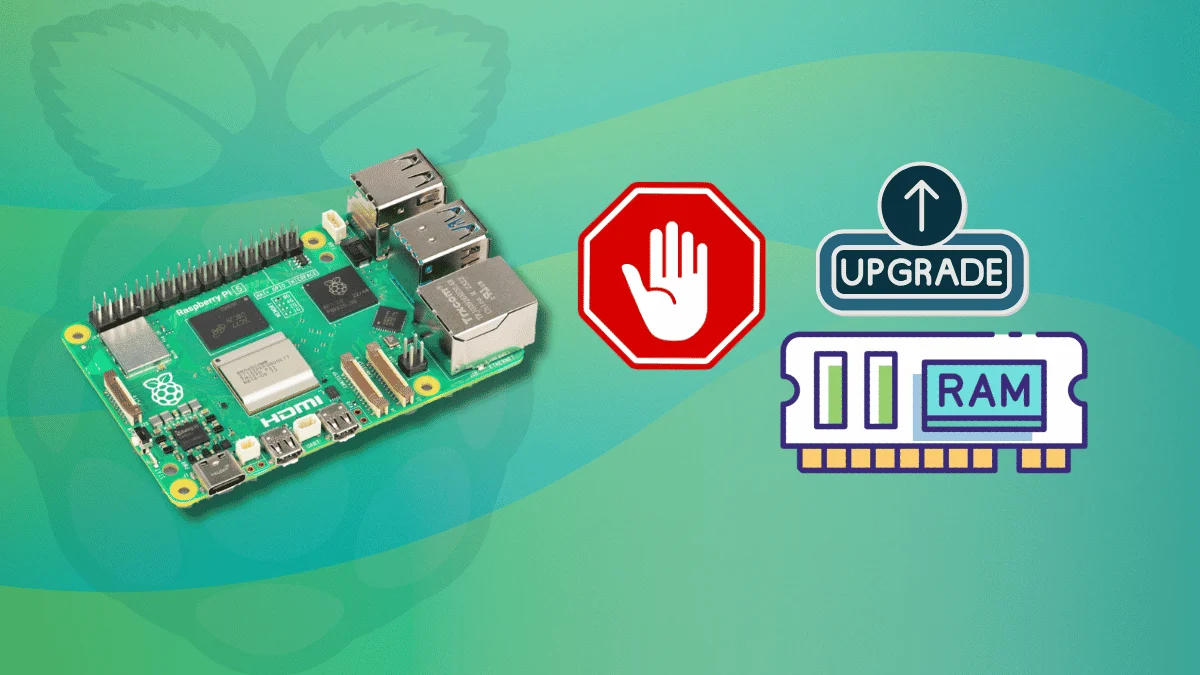
In the world of single-board computers (SBCs), the Raspberry Pi has long stood as the gold standard for tinkerers, educators, and engineers alike. Its appeal was built on a foundation of "open-enough" hardware—a platform that invited users to push boundaries, strip away the casing, and explore the silicon beneath the PCB. However, a quiet but significant shift in the Raspberry Pi ecosystem is challenging that ethos. Recent firmware updates for the Raspberry Pi 5 have introduced a strict validation mechanism that effectively bricks boards if they detect memory configurations that deviate from factory-set specifications.
This development, while ostensibly designed to combat hardware fraud, has sparked a heated debate within the DIY and self-hosting communities. As the platform moves toward tighter hardware security, many are left wondering: is this a necessary evolution in product integrity, or a step toward closing the door on the very spirit of experimentation that made Raspberry Pi a household name?
The Core Issue: The "Code 9" Lockout
The controversy centers on a firmware update, specifically the 2024-09-23 build for the Raspberry Pi 5 EEPROM. For many users, this update appeared routine, described in the official changelog with the remarkably vague note: "Minor updates for to align with manufacture test."
However, beneath this benign description lies a significant change in boot behavior. When a Raspberry Pi 5 initiates its boot sequence, the firmware now cross-references the installed RAM against a configuration signature burned into the SoC’s One-Time Programmable (OTP) memory at the factory. If the detected hardware does not match this signature, the boot process halts immediately, throwing a "Code 9" error: SDRAM Mismatch.
This is not a simple check of memory capacity. The firmware verifies a complex array of device attributes, including timing parameters and specific hardware identification codes. Even if a user were to source an identical 8GB RAM chip from another Raspberry Pi 5 board and perform a professional-grade repair, the board would likely remain non-functional. The firmware has effectively tethered the software bootloader to the unique physical identity of the original factory configuration.
A Chronology of Conflict
The discovery of this "lockout" did not happen overnight; it is the culmination of a cat-and-mouse game between the manufacturer and third-party hardware modifiers.
Early Warning Signs (2023)
The roots of the issue date back to 2023, when users began reporting that their Raspberry Pi 5 boards—purchased from secondary markets—would suddenly stop booting after a routine firmware update. Investigations into these boards revealed that the devices had been tampered with. Malicious sellers were purchasing lower-capacity Pi 5 boards, desoldering the original RAM, and replacing it with high-capacity chips, effectively "faking" a higher-tier product.
The CM5 Experiment (June 2024)
The tension flared in June 2024 when a user attempted to upgrade the RAM on their Compute Module 5 (CM5) from 2GB to 4GB. The ensuing thread on the official Raspberry Pi forums became a focal point for the community. The poster’s failure to boot the device led to an extensive discussion involving members of the Raspberry Pi engineering team, including Tim Grovers (timg236).
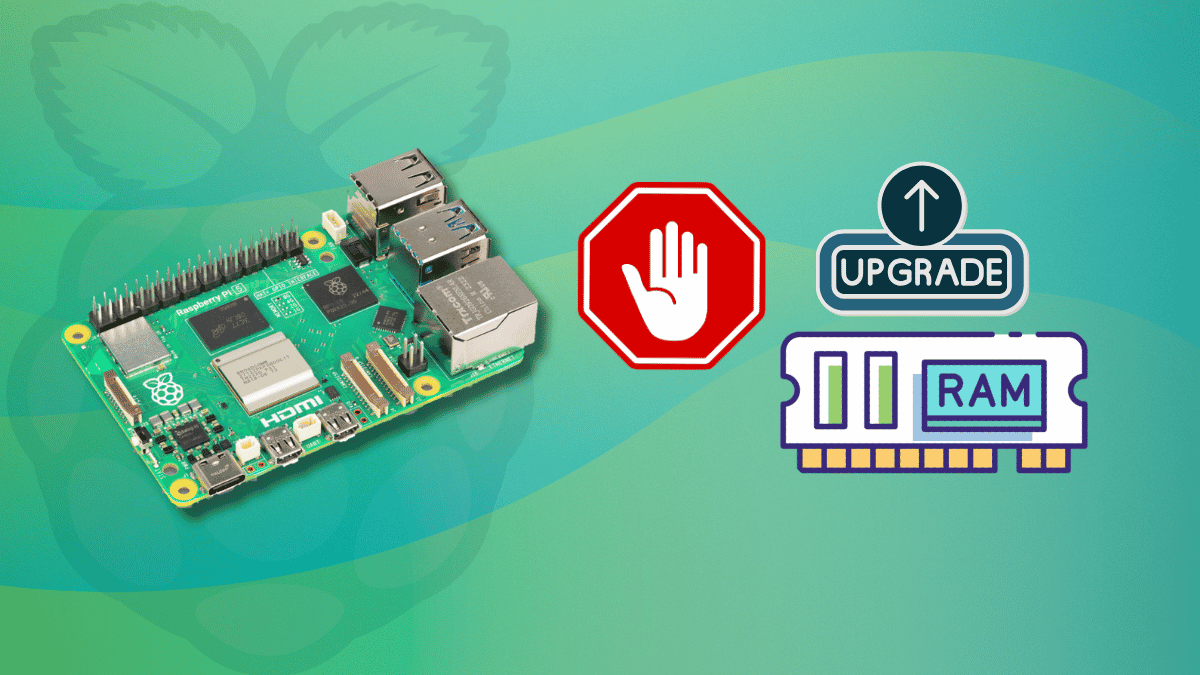
The response from the engineering team was definitive: swaps between different RAM capacities are intentionally blocked. While the company acknowledged that legitimate repairs—such as replacing an identical, faulty chip—might be possible with specialized equipment and knowledge, the policy is designed to prevent the unauthorized modification of hardware tiers.
The September 2024 Threshold
The release of the 2024-09-23 firmware build codified this policy into a hard-coded check. This update moved the validation from a cautionary measure to a mandatory boot requirement. For those who had previously purchased modified boards, this update acted as a "kill switch," rendering their machines unusable overnight.
The Fraud Problem: Why the Hardline Approach?
To understand why Raspberry Pi has taken such a draconian stance, one must look at the economics of hardware manufacturing and the scale of fraud. Counterfeit or "upcycled" hardware poses a significant risk to both the brand and the consumer.
When a user purchases a "fake" 8GB Pi 5, they are paying a premium for a device that lacks the rigorous testing and supply chain validation required for high-density memory modules. These boards often suffer from stability issues, memory corruption, and thermal failures. When these problems occur, the consumer often contacts Raspberry Pi support, expecting a warranty or technical resolution for a device that has been physically altered.
According to Raspberry Pi, the increasing variety of RAM SKUs being integrated into their devices—driven by supply chain volatility and the release of new memory-heavy models—makes universal compatibility impossible. Every RAM configuration requires specific timing adjustments within the firmware. By enforcing a match between the OTP memory and the physical RAM, Raspberry Pi ensures that the device is running under the exact parameters it was tested for at the factory.
The Ethical Dilemma: Ownership vs. Security
While the security concerns are valid, the mechanism of enforcement has created a rift in the community. For fourteen years, the "It’s FOSS" philosophy—and the broader Linux/Open Source ethos—has championed the right to tinker.
The Argument for Open Hardware
Critics argue that when a consumer purchases a piece of hardware, they own it. The ability to modify, upgrade, and repair that hardware is a cornerstone of the hobbyist community. By locking the bootloader to the OTP memory, Raspberry Pi is effectively transforming a general-purpose computer into a "black box" device.
The concern is not just about RAM upgrades; it is about the precedent. If a manufacturer can use software to disable hardware based on its configuration, where does the restriction end? Could future updates restrict the use of certain peripherals or non-standard power supplies?

The Manufacturer’s Perspective
Raspberry Pi, conversely, has to balance the needs of the hobbyist with the needs of the enterprise and educational sectors. For a company that ships millions of units, maintaining a consistent, reliable, and "supportable" baseline is vital. They argue that the vast majority of their users are not interested in desoldering RAM, but they are interested in a product that works reliably out of the box.
Tim Grovers and other engineers have noted that as RAM technology becomes more sophisticated, the "tuning" required to get a chip to function correctly is increasingly precise. Allowing users to mix-and-match RAM, even if they have the soldering skills to do so, invites a level of system instability that could degrade the reputation of the Raspberry Pi brand.
Navigating the Lockdown: Practical Advice
If you are a Raspberry Pi 5 owner currently facing this issue, or if you are concerned about your board’s longevity, there are steps you can take to maintain your current setup.
- Avoid Auto-Updates: The most critical step is to disable the automatic EEPROM update service. You can do this by checking your current configuration using the
rpi-eeprom-configtool and ensuring that theFREEZE_VERSIONsetting is enabled. - Verify Before You Buy: If you are in the market for a Raspberry Pi 5, steer clear of "too good to be true" deals on auction sites. Always source boards from official Raspberry Pi Approved Resellers. These entities provide a chain of custody that ensures the hardware is legitimate.
- The "Stay Put" Strategy: If your board is currently working and you suspect it might be modified, do not update your firmware. Running an older, stable version of the bootloader will prevent the OTP check from triggering. However, be aware that this may leave you without critical security patches or performance improvements for newer hardware components.
Implications for the Future of SBCs
The Raspberry Pi 5 firmware saga is a microcosm of a larger trend in the tech industry: the hardening of hardware against user-level modification. As components become more integrated (SoC, RAM, and power management all tied together), the lines between hardware and software continue to blur.
For the Raspberry Pi Foundation, the path forward is a delicate balancing act. They must continue to foster the creative, experimental community that built their success, while simultaneously defending their business model against bad actors.
Whether this move is seen as a betrayal of the hacker spirit or a necessary maturation of the platform, it is clear that the "Wild West" era of Raspberry Pi hardware modification is drawing to a close. For now, the best advice for the enthusiast is to exercise caution, respect the factory configuration, and ensure that when it comes to your hardware, you know exactly what is under the hood before you click "Update."
The Raspberry Pi remains a powerful tool for innovation, but the cost of that power is increasingly becoming a set of factory-defined constraints. As the community continues to digest these changes, the focus will likely shift toward finding new, non-intrusive ways to experiment without triggering the silicon-level safeguards that now define the modern Raspberry Pi experience.