The Trillion-Dollar Threshold: How GLP-1s Are Rewriting the Pharmaceutical Landscape
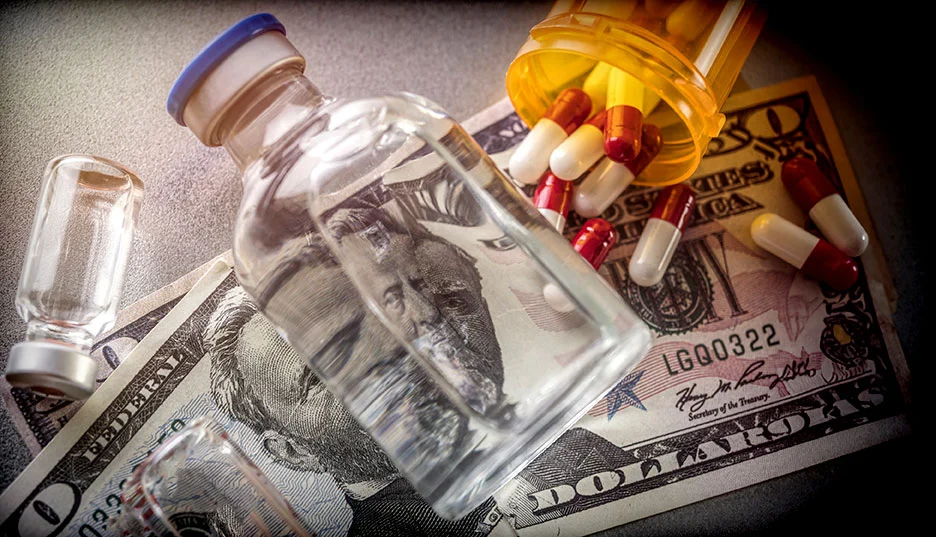
The pharmaceutical industry has reached a historic and sobering milestone. Driven by the meteoric rise of blockbuster obesity and diabetes treatments, total U.S. spending on prescription drugs is officially on track to eclipse $1 trillion this year. This figure, confirmed by a recent report from the American Society of Health-System Pharmacists (ASHP), represents a seismic shift in how healthcare dollars are allocated and marks one of the most aggressive growth periods in the history of the modern medical market.
The Main Facts: A 9.3% Surge and the GLP-1 Phenomenon
According to the ASHP report released this past April, the nation’s expenditure on prescription medications is projected to reach a staggering $1 trillion—a 9.3% increase over the $915 billion recorded in 2024. This growth rate is not merely an inflationary adjustment; it is a rapid expansion that outpaces healthcare cost increases and the growth of the broader U.S. economy.
The primary engine behind this fiscal acceleration is the class of drugs known as glucagon-like peptide 1 (GLP-1) receptor agonists. These medications, originally developed for the management of type 2 diabetes, have seen their utility expanded to include weight management for obese and overweight individuals. The impact on the market has been immediate and profound. Nearly one-third of the total growth in prescription drug spending this year can be attributed to the $132 billion spent on this single therapeutic category.
Eric Tichy, PharmD, MBA, division chair of supply chain management at the Mayo Clinic and lead author of the ASHP report, put the trend into perspective: “GLP-1s have fundamentally reshaped the drug-spending landscape. And we are still on the steep part of the curve.”
A Chronology of Escalation: From $82 Billion to $188 Billion
To understand the scale of this growth, one must look at the trajectory of the industry’s top-selling products over the last decade. In 2016, the top 10 best-selling drugs globally generated a collective revenue of $82.694 billion. Fast forward to 2025, and that figure has ballooned to $188.136 billion—a staggering 127.5% increase over ten years.
This surge is not limited to the top spot but reflects a consistent, aggressive expansion across the portfolios of the world’s leading biopharmaceutical companies. The 2025 aggregate value of the top 10 sellers reflects a 21.5% jump from the 2024 figures of $154.888 billion. As demand for chronic disease management increases, the pharmaceutical industry has pivoted to meet that demand with high-cost, high-volume biological therapies.
Supporting Data: The 2025 Top 10 Best-Selling Drugs
The list of the top 10 drugs by revenue for 2025 illustrates the dominance of oncology and metabolic health.
1. Keytruda (Merck & Co.)
- 2025 Sales: $31.680 billion
- 2024 Sales: $29.482 billion
- Change: +7.5%
Maintaining its status as the world’s best-selling drug, Keytruda continues to dominate the oncology market, solidifying its place as a cornerstone of cancer therapy.
2. Mounjaro (Eli Lilly)
- 2025 Sales: $22.965 billion
- 2024 Sales: $11.540 billion
- Change: +99.0%
Representing the clinical efficacy and commercial power of GLP-1s, Mounjaro’s near-doubling in revenue in a single year is arguably the most significant market story of the decade.
3. Eliquis (Bristol Myers Squibb/Pfizer)
- 2025 Sales: $22.404 billion
- 2024 Sales: $20.699 billion
- Change: +8.2%
The anticoagulant market remains a steady anchor for the pharmaceutical industry as an aging population requires long-term cardiovascular support.
4. Ozempic (Novo Nordisk)
- 2025 Sales: $19.611 billion
- 2024 Sales: $18.570 billion
- Change: +5.6%
As the pioneer of the current GLP-1 movement, Ozempic remains a top-tier revenue driver, though growth has stabilized as the market segments between diabetes and weight loss indications.
5. Dupixent (Sanofi/Regeneron)
- 2025 Sales: $18.124 billion
- 2024 Sales: $15.077 billion
- Change: +20.2%
Dupixent’s continued growth reflects the increasing success of targeted immunology treatments for conditions like atopic dermatitis and asthma.
6. Skyrizi (AbbVie)
- 2025 Sales: $17.562 billion
- 2024 Sales: $11.718 billion
- Change: +49.9%
Skyrizi’s performance underscores AbbVie’s successful transition away from total reliance on Humira by pivoting toward high-growth immunology assets.
7. Darzalex (J&J/Genmab)
- 2025 Sales: $14.351 billion
- 2024 Sales: $11.670 billion
- Change: +23.0%
This oncology powerhouse continues to see strong adoption in the treatment of multiple myeloma.
8. Biktarvy (Gilead Sciences)
- 2025 Sales: $14.334 billion
- 2024 Sales: $13.423 billion
- Change: +6.8%
Biktarvy remains the industry standard for HIV treatment, maintaining a solid, if slower-growing, market share.
9. Jardiance (Boehringer Ingelheim/Eli Lilly)
- 2025 Sales: $13.563 billion
- 2024 Sales: $12.979 billion
- Change: +4.5%
Jardiance remains a critical component in the diabetes and cardiovascular care toolkit, providing steady, long-term revenue.
10. Zepbound (Eli Lilly)
- 2025 Sales: $13.542 billion
- 2024 Sales: $4.926 billion
- Change: +174.9%
Zepbound’s explosive growth highlights the massive, largely untapped demand for pharmacological weight loss solutions, marking it as a critical pillar for Eli Lilly’s future.
Official Responses and Market Realities
The industry is not without its casualties. Once-dominant drugs that occupied the top tier are sliding down the rankings. Notably, Humira (AbbVie), Eylea (Regeneron/Bayer), and Gardasil (Merck) have seen their positions decline. This shift is largely attributed to the entry of biosimilar competition, which exerts downward pressure on prices, and, in the case of Gardasil, strategic shifts in global distribution and market demand.
The ASHP report warns that this "spending fever" is likely to continue through 2026, with growth predicted to range between 10% and 12% annually. Health systems and insurers are being forced to grapple with the reality that these high-cost specialty drugs are becoming the rule rather than the exception.
Implications: The Sustainability Challenge
The trajectory of the pharmaceutical market carries profound implications for the U.S. healthcare system. With drug spending growth consistently outpacing the general economy, the financial burden is increasingly falling on patients, employers, and government programs like Medicare and Medicaid.
1. The Burden on Payers
For insurance companies and government agencies, the "GLP-1 effect" presents an existential challenge. Balancing the clinical benefit of reducing obesity—a major risk factor for heart disease, stroke, and diabetes—against the massive upfront costs of these drugs is the primary dilemma for policy-makers.
2. Supply Chain Strains
As noted by experts, we are only on the "steep part of the curve." This implies that the current manufacturing capacity, distribution channels, and clinical administration infrastructure are under immense strain. We are seeing a shift where the drug supply chain is no longer just a logistical concern but a critical determinant of public health outcomes.
3. Innovation vs. Access
While the innovation represented by these drugs is undeniably life-changing for millions of patients, the disparity between the cost of these medications and the average household income remains a point of contention. The rise in spending is a testament to the success of biopharmaceutical R&D, but it also raises questions about the long-term sustainability of the current pricing models.
In conclusion, as we cross the $1 trillion threshold, the pharmaceutical industry stands at a crossroads. The success of the GLP-1 class has provided a blueprint for future growth, but it has also highlighted the fragility of our current funding models. Whether this surge in spending will lead to a healthier nation or simply a more expensive one remains the defining question for the healthcare sector in the coming decade. The "steep part of the curve" is upon us, and the industry is showing no signs of slowing down.