The Evolution of Secure Development: A Comprehensive Deep Dive into the AWS Security Agent Ecosystem
In the rapidly evolving landscape of cloud-native development, the friction between speed of delivery and the necessity of robust security has long been a primary concern for engineering teams. Since its initial unveiling at re:Invent 2025, the AWS Security Agent—a cornerstone component of the broader AWS Continuum initiative—has aimed to bridge this gap. By functioning as a proactive, frontier agent that permeates the entire software development lifecycle (SDLC), it promises to secure applications from the initial design phase through to production deployment.
With the latest suite of updates announced this June, AWS has significantly expanded the agent’s capabilities, moving beyond simple vulnerability scanning into a comprehensive, context-aware security orchestration layer. This article explores the recent enhancements, the technological shift toward agentic security, and the long-term implications for DevSecOps teams worldwide.
1. Main Facts: The Unified Security Paradigm
The core mission of the AWS Security Agent is to shift security "left" by embedding expertise directly into the developer’s workflow, rather than relegating it to an end-of-pipeline bottleneck.

Key Capabilities at a Glance:
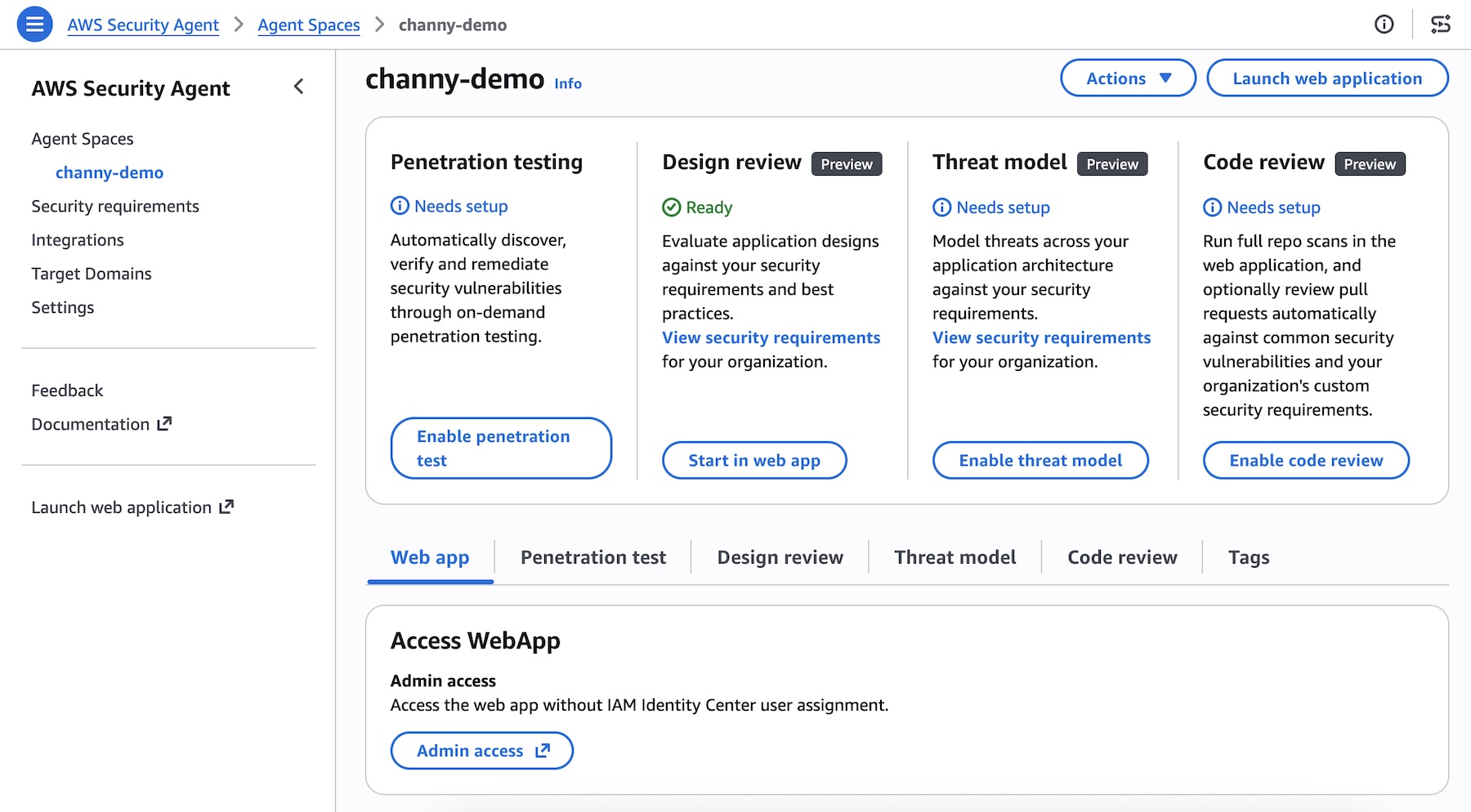
- Proactive Penetration Testing: Now generally available, this feature allows developers to trigger on-demand penetration tests that are specifically tailored to the unique architecture of their applications. Unlike generic scanners, these tests verify findings through actual exploitability simulation.
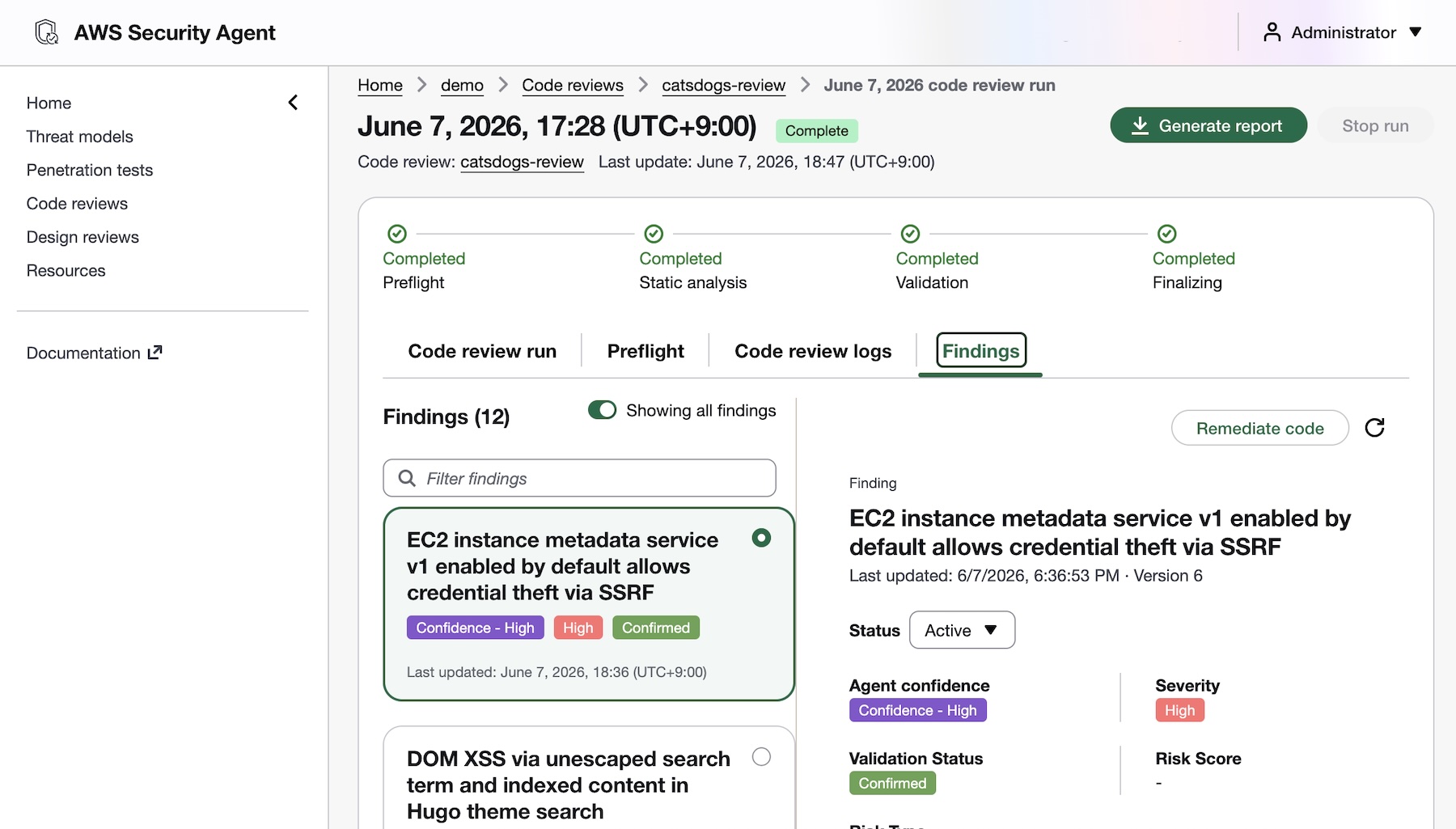
- Deep Repository Code Review: Currently in preview, this feature moves beyond traditional static analysis (SAST) by utilizing reasoning-based analysis to identify complex, logic-heavy vulnerabilities that pattern-matching tools frequently miss.
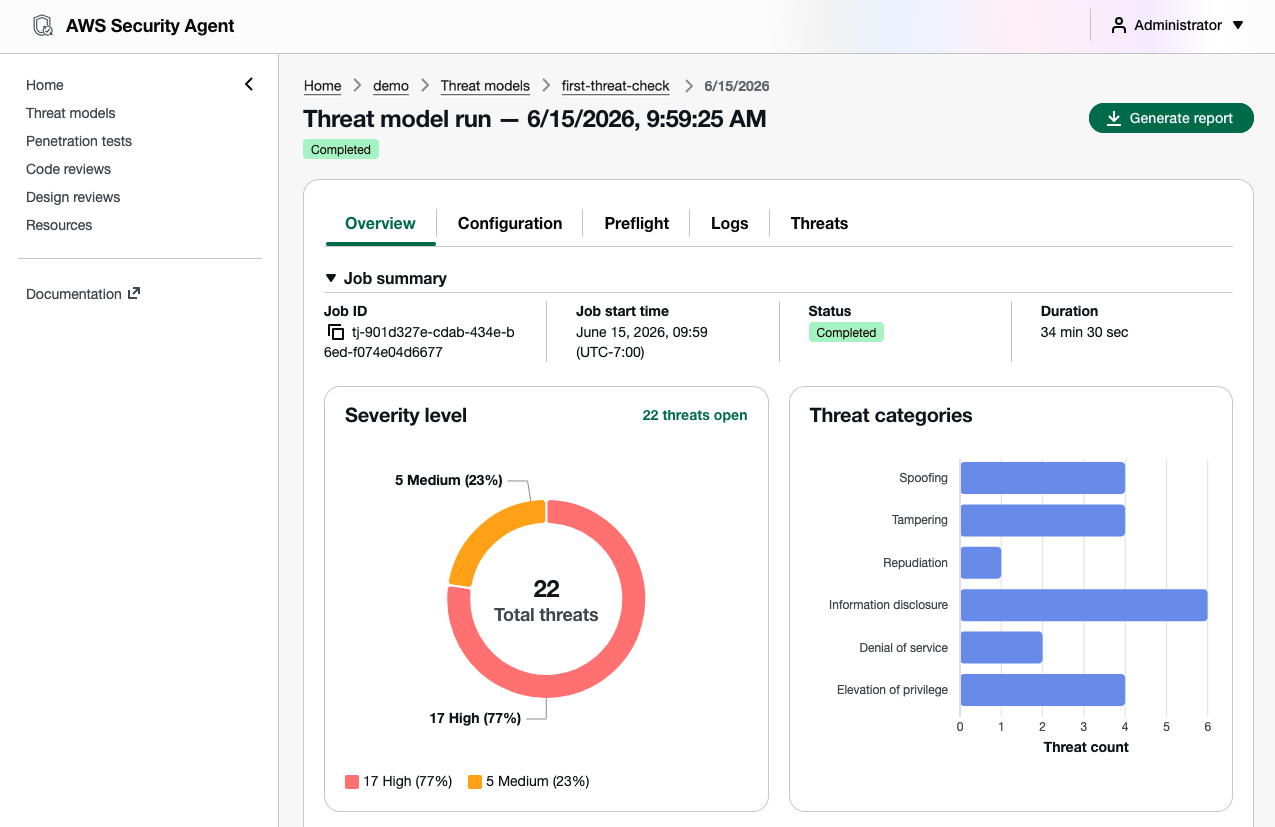
- Intelligent Threat Modeling: The agent automatically constructs detailed threat models by analyzing design documentation, data flows, and codebases, mapping them against organizational security policies.
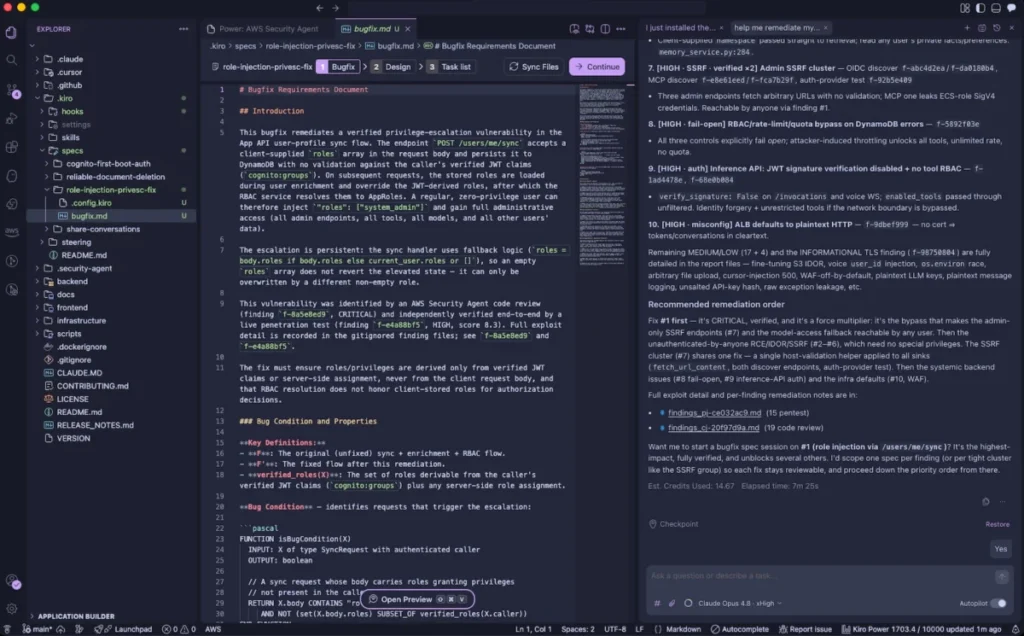
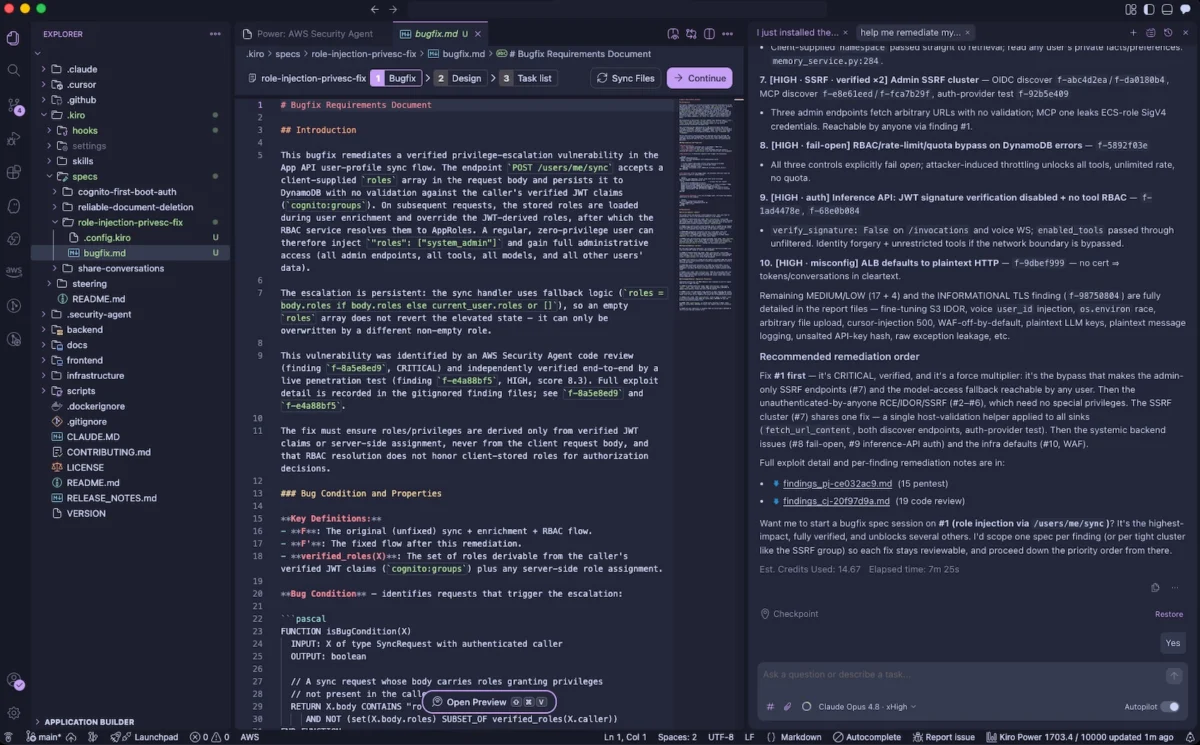
- Agentic IDE Integration: Through the new Kiro power and the Claude Code plugin, security intelligence is now brought directly into the developer’s IDE, allowing for real-time remediation without context switching.
2. A Chronology of Innovation: From Preview to Powerhouse
The trajectory of the AWS Security Agent illustrates the company’s aggressive push toward AI-assisted security.
- November 2025 (re:Invent): AWS first introduced the Security Agent as a preview service. The industry reaction was immediate, as organizations sought ways to automate the increasingly complex task of securing microservices architectures.
- March 2026: AWS officially announced the General Availability (GA) of on-demand penetration testing. This marked a significant milestone, providing teams with the ability to validate security posture with high-fidelity, proof-of-exploitability data.
- May 2026: The preview for full repository code review was launched, introducing deep, context-aware security analysis that considers the entirety of a project’s codebase rather than isolated files.
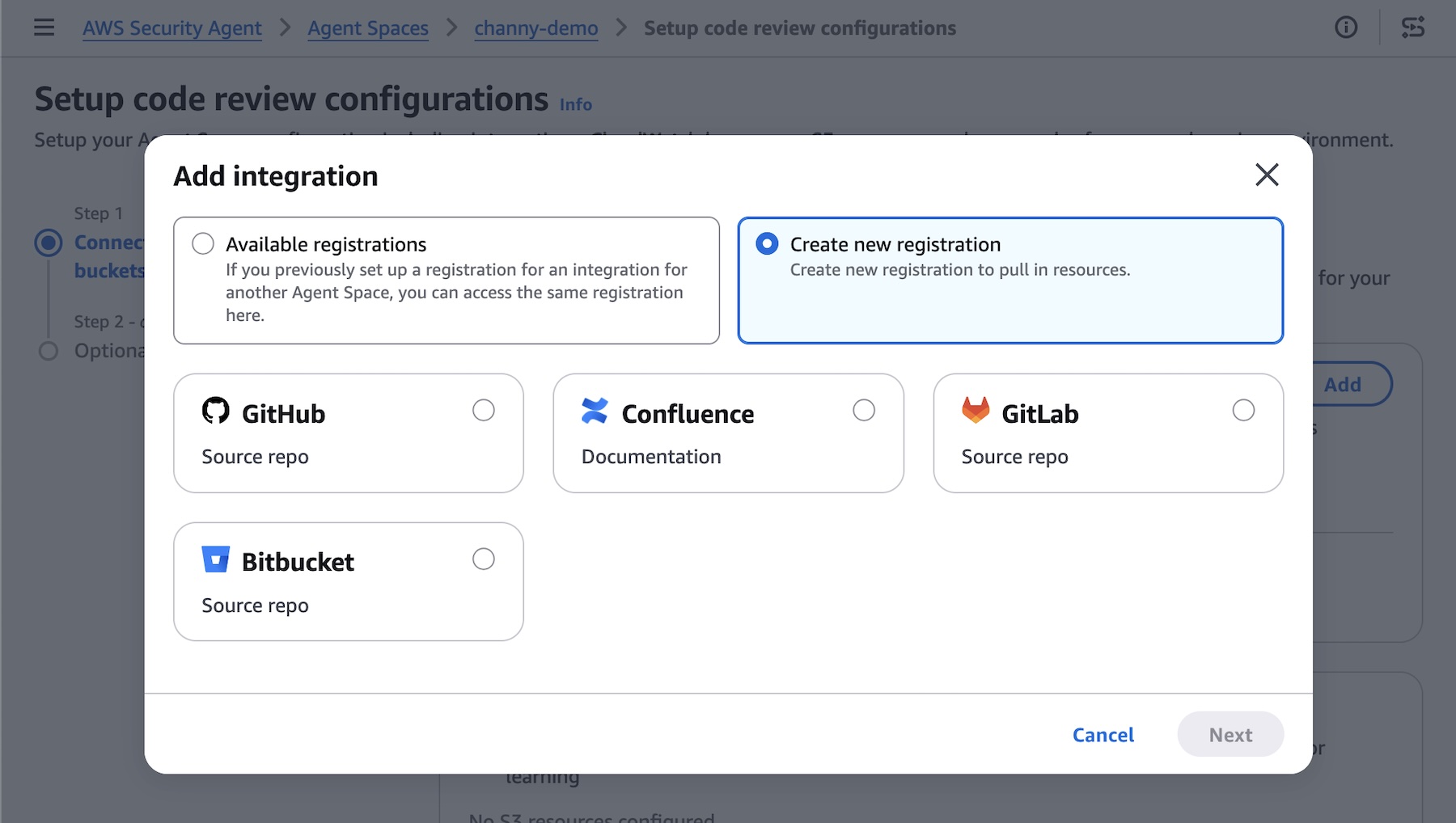
- June 2026: The most recent expansion, which introduced multi-platform support (GitLab, Bitbucket), Confluence integration for contextual awareness, and the groundbreaking Kiro power/Claude Code plugins, transforming the agent into an interactive assistant.
3. Supporting Data and Technical Architecture
The technical strength of the AWS Security Agent lies in its ability to consume disparate data points—code, documentation, and architecture diagrams—to form a unified security context.
Expanding the Ecosystem
By integrating with both SaaS and self-hosted versions of GitHub, GitLab, and Bitbucket, AWS has acknowledged the reality of modern enterprise infrastructure. Many companies operate in hybrid or multi-platform environments; by centralizing these repositories into the Security Agent console, teams gain a "single pane of glass" view of their security posture.

Furthermore, the integration of Confluence is a strategic move to leverage internal institutional knowledge. When the agent reviews code, it no longer works in a vacuum; it checks the implementation against the specific security requirements and architectural decisions documented in internal wikis.
The Role of Managed Compliance Packs
The inclusion of managed compliance packs—including the AWS Well-Architected Framework, NIST CSF, and PCI DSS—ensures that security is not just an abstract concept, but a measurable one. When the agent identifies a vulnerability, it maps the risk directly to the relevant compliance framework, allowing teams to maintain audit-readiness automatically.
4. Official Perspectives and the Agentic Shift
In his recent update, AWS advocate Channy Yun emphasized that the goal is to "embed security expertise across all repositories." This is a fundamental shift in philosophy. Traditional security tools act as "gatekeepers"—they report errors and stop the build. The AWS Security Agent acts as a "partner"—it identifies the error, provides the fix, and validates that the fix is secure before the developer even commits the code.
The introduction of the Kiro power for IDEs demonstrates that AWS views the future of development as "agentic." By allowing developers to ask, "Run a full security scan on this repo" or "Help me remediate my findings," the agent effectively becomes a junior security engineer embedded within the team’s favorite IDE.
5. Implications for the Future of DevSecOps
The implications of these advancements are profound for both security practitioners and developers.
For Developers: Reduced Context Switching
The most significant pain point in modern security is the time lost moving between IDEs, Jira tickets, and external security scanners. By surfacing results inline and offering "fix commits" that can be applied with a single click, the AWS Security Agent effectively removes the friction that leads developers to ignore security warnings.
For Security Teams: Scaling Expertise
Security teams are chronically understaffed. By automating the "low-hanging fruit" of code reviews and providing actionable remediation guidance, the agent allows security engineers to focus on high-level architecture and complex threat hunting rather than triaging false positives from automated scanners.
The "Proof-of-Exploitability" Standard
One of the most disruptive aspects of the AWS Security Agent is its focus on verified risks. By running simulated environments to prove that a vulnerability can actually be exploited, the agent reduces the "noise" that often plagues security teams. If the agent reports a vulnerability, it is almost certainly a genuine risk that requires immediate attention.
A New Standard for Compliance
As businesses continue to navigate an era of strict data regulations, the ability to continuously map code changes to compliance requirements like PCI DSS or NIST CSF will likely become a competitive advantage. The agent turns compliance from a periodic, stressful event into a continuous, automated process.
6. Conclusion: A Call to Action
The AWS Security Agent has evolved from a novel concept into a robust, integrated ecosystem that addresses the most critical bottlenecks in the software development lifecycle. By combining deep repository analysis, proactive penetration testing, and seamless IDE integration, AWS has created a tool that respects the developer’s workflow while enforcing the highest standards of security.
For organizations currently struggling with the "security-versus-velocity" dilemma, the current feature set of the AWS Security Agent offers a compelling path forward. Whether you are managing a small startup team or a complex enterprise infrastructure, the capability to automate security at the design, development, and deployment stages is no longer a luxury—it is a necessity.
Next Steps for Implementation:
- Console Access: Start by enabling the Security Agent in your AWS console and connecting your primary repositories.
- Explore the Documentation: The AWS Security Agent User Guide provides comprehensive walkthroughs for setting up threat modeling and design reviews.
- IDE Setup: Install the Kiro power or the Claude Code plugin to begin experiencing the benefits of agentic security directly in your local environment.
- Feedback: As with all AWS services, the team is highly receptive to feedback. Engage with the AWS re:Post community to share your experiences and contribute to the ongoing evolution of the agent.
As we look toward the remainder of 2026, the integration of AI-driven agents into the security pipeline is set to become the standard. With these latest updates, AWS has firmly positioned itself at the forefront of this transformation, ensuring that the developers of tomorrow are equipped with the tools to build faster, safer, and with greater confidence than ever before.